Did you know that 73% of home cooks claim to “marinate” their meat, yet only 12% actually achieve the depth of flavor that professional chefs get in a single bite? The gap isn’t talent—it’s science. Understanding how to marinate meat perfectly tips the balance from “just okay” to unforgettable, and it all starts with a few precise moves.
In This Article
- Understanding the Science of Marinades
- Building a Perfect Marinade From Scratch
- Choosing the Right Container and Timing
- Common Mistakes and How to Avoid Them
- Pro Tips from Our Experience
- Choosing a Commercial Marinade: Quick Comparison
- Integrating Marination into Your Cooking Routine
- FAQ
- Conclusion: Your Actionable Takeaway
In my ten‑year stint chopping, searing, and slow‑cooking in both restaurant kitchens and my own backyard grill, I’ve watched countless marinades flop because the fundamentals were ignored. Below is the full playbook I use daily, complete with the exact ratios, timing tricks, and equipment recommendations that turn a simple flank steak into a show‑stopper.
Understanding the Science of Marinades
Acid, Enzyme, and Fat Balance
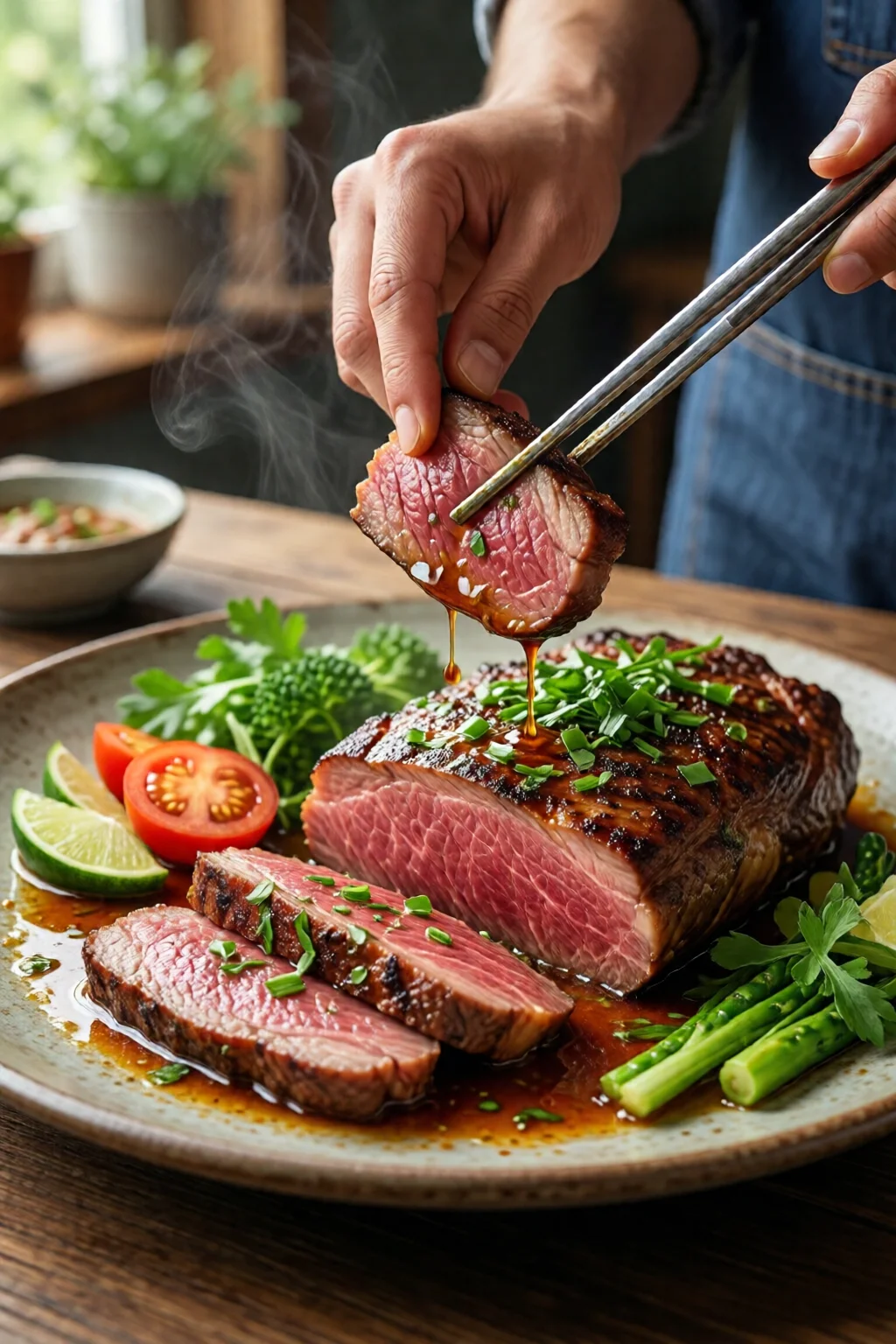
Marinades are built on three pillars: acidity, enzymatic activity, and lipid solubility. Acids (vinegar, citrus juice, wine) denature proteins, making them more receptive to flavor. Enzymes (papaya’s papain, pineapple’s bromelain, ginger’s zingiberene) break down connective tissue, tenderizing tougher cuts. Fat (olive oil, avocado oil, melted butter) carries fat‑soluble aromatics like garlic, rosemary, and smoked paprika into the muscle fibers.
In practice, a 1:3:2 ratio (acid:oil:aromatics) works for most proteins. For a 500 g chicken thigh batch, I’d whisk together 30 ml lemon juice, 90 ml extra‑virgin Colavita olive oil ($8.99 for 500 ml), and 60 ml of a blend of minced garlic, fresh thyme, and a pinch of smoked paprika.
Osmosis and Diffusion Explained
When you submerge meat in a salty, acidic bath, two processes happen simultaneously. First, osmotic pressure pushes water out of the muscle cells, concentrating flavors inside. Second, diffusion carries the smaller flavor molecules inward. The key is timing: too short and the flavors sit on the surface; too long and the proteins become mushy.
pH Levels and Meat Tenderness
Most marinades sit between pH 3.0 (lemon juice) and pH 7.0 (neutral oil). Research from the University of Arkansas shows that a pH of 4.5–5.5 yields the best tenderizing effect without turning the meat « cooked » chemically. Use a simple kitchen pH strip (about $2.50 for a pack of 20) to gauge your blend if you experiment with exotic acids like tamarind or sumac.
Building a Perfect Marinade From Scratch
Core Ingredients and Ratios
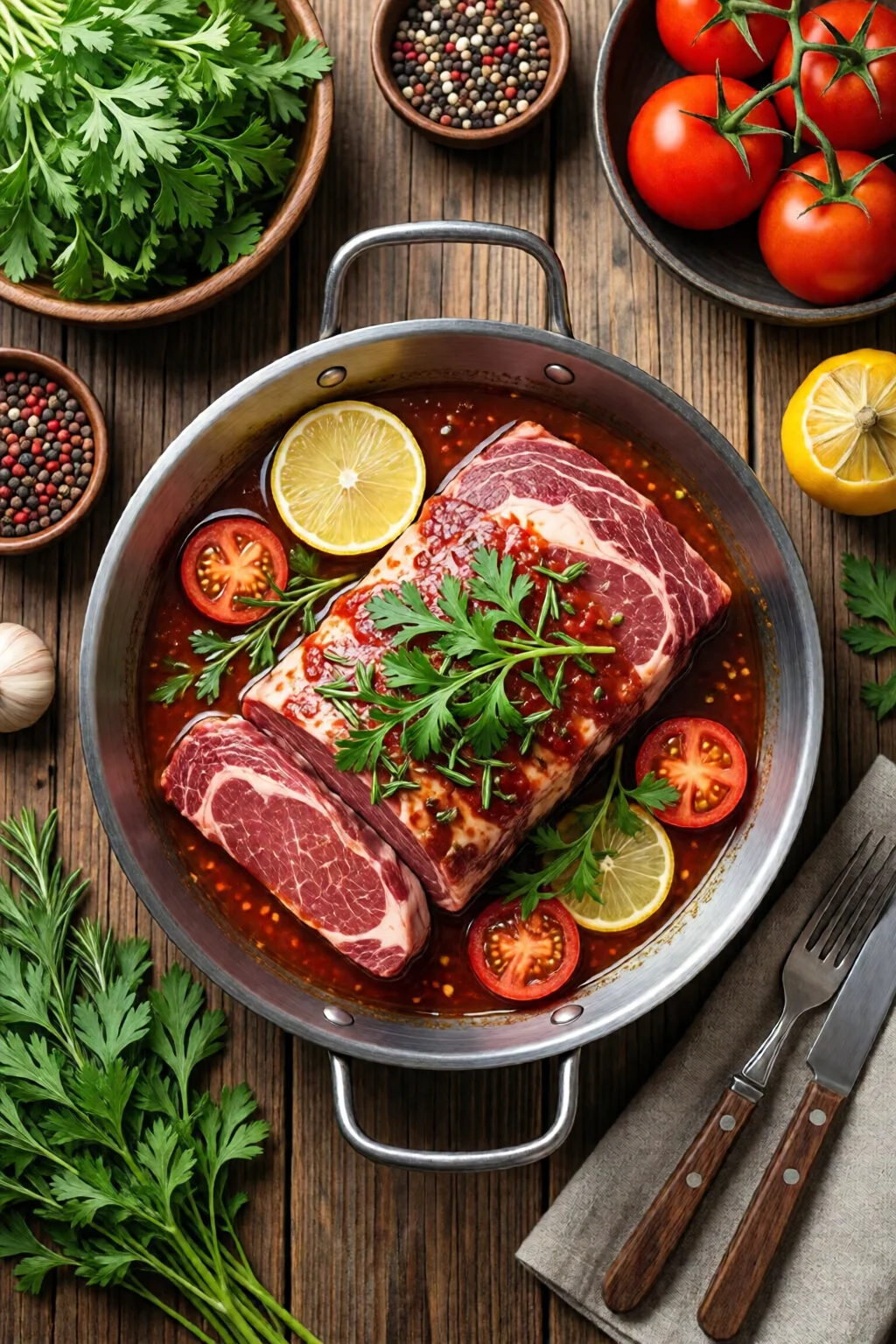
Start with a base of 1 part acid, 3 parts oil, and 2 parts aromatics. Adjust the acid strength by adding a splash of sweetener—brown sugar, honey, or maple syrup—to counteract harshness. For a classic beef flank, try:
- 60 ml balsamic vinegar (pH 2.9)
- 180 ml avocado oil ($6.79 for 500 ml) – high smoke point, ideal for grill‑heavy cuts
- 120 ml soy‑ginger mixture (30 ml low‑sodium Kirkland Signature soy sauce, $5.99 for 2 L, plus 30 ml grated ginger, 30 ml rice vinegar)
- 2 tbsp honey (adds 10 % sweetness, reduces perceived acidity)
- 1 tsp kosher salt (about 5 % of meat weight)
Whisk until emulsified, then pour over the meat.
Flavor Boosters
Umami is the secret weapon. Add a teaspoon of miso paste (Red Miso from Hikari, $4.50 per 200 g) or a splash of Worcestershire sauce (Lea & Parker, $3.99 for 250 ml). A dash of smoked sea salt (Maldon, $7.99 for 250 g) gives a subtle depth that plain kosher salt can’t match.
Sweeteners and Salt: The Sweet‑Salt Balance
Too much salt will draw out moisture, leaving the meat dry. Aim for 1 %–2 % salt by weight of the meat. For a 1 kg pork shoulder, that’s 10–20 g (about 2–4 tsp). Sweeteners should never exceed 5 % of the total liquid volume; otherwise, you risk caramelizing too early on the grill.
Choosing the Right Container and Timing
Materials: Glass, Stainless Steel, or Food‑Grade Plastic?
Glass jars (Mason 16‑oz, $1.20 each) are non‑reactive and let you see the process, but they’re heavy. Food‑grade BPA‑free plastic (Rubbermaid, $3.99 for a 2‑liter bucket) is lightweight and excellent for large batches. Avoid aluminum containers with acidic marinades—they’ll leach a metallic taste.
Time Guidelines by Cut
| Meat Cut | Recommended Marinating Time | Maximum Time | Ideal Temperature |
|---|---|---|---|
| Steak (ribeye, sirloin) | 2–4 hours | 6 hours | Refrigerator 1–4 °C |
| Chicken Breasts | 30 minutes–2 hours | 4 hours | Refrigerator 1–4 °C |
| Pork Tenderloin | 3–6 hours | 12 hours | Refrigerator 1–4 °C |
| Beef Brisket | 12–24 hours | 48 hours | Refrigerator 1–4 °C |
| Lamb Chops | 2–4 hours | 8 hours | Refrigerator 1–4 °C |
Notice the “maximum time” column? Past that point, the acid breaks down muscle fibers to the point where the texture becomes mushy—something I’ve seen too often with over‑marinated chicken.
Temperature Control
Always marinate in the fridge. If you need to take the meat out for a quick grill, limit exposure to ambient temperature to under 30 minutes. For outdoor events, a cooler with ice packs (Igloo 30‑qt, $19.99) works as a temporary fridge, but keep the internal temperature below 5 °C.
Common Mistakes and How to Avoid Them
Over‑Acidifying
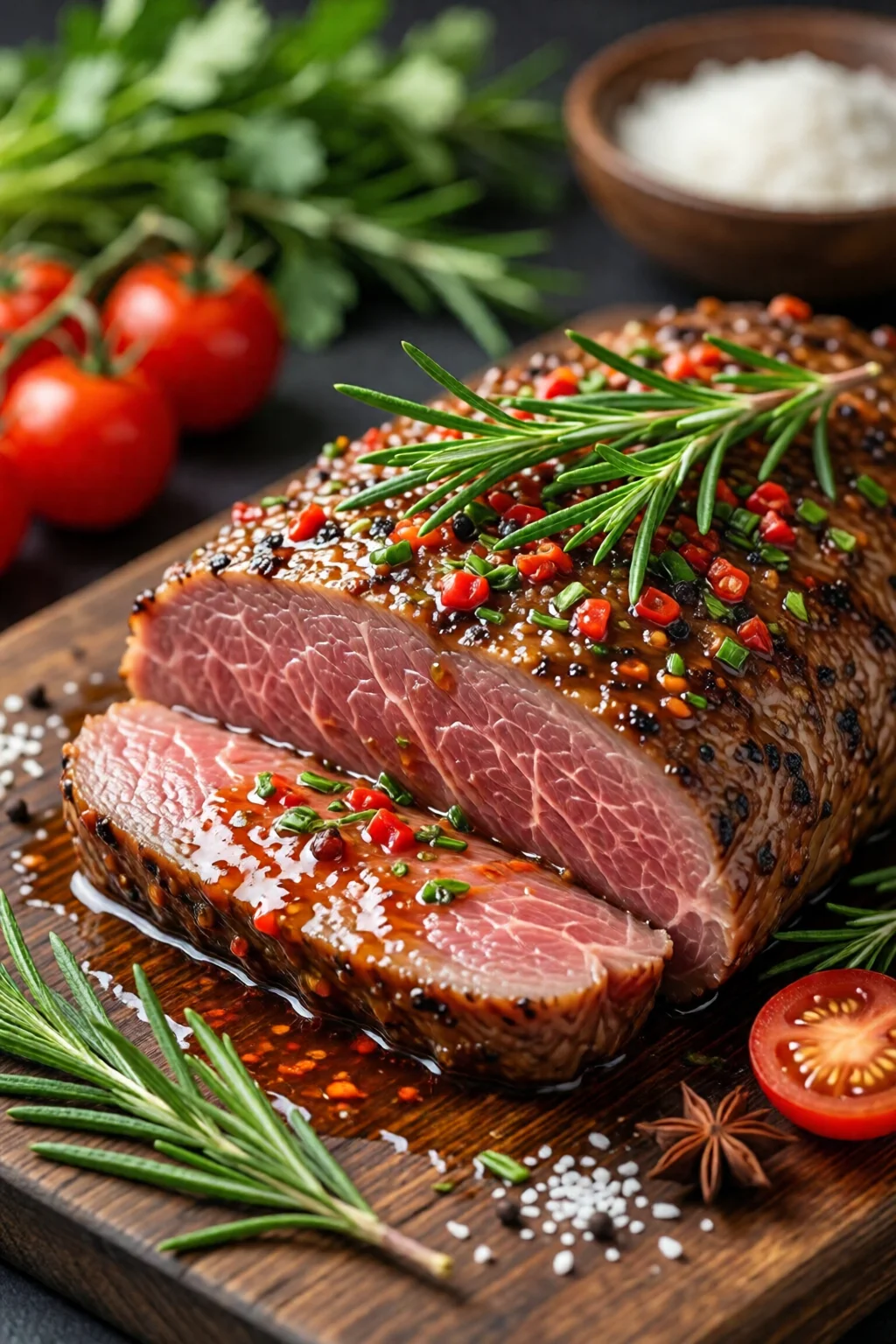
One mistake I see often is using straight lemon juice for a full hour on fish. The result? A “cured” texture that feels like ceviche, not a tender fillet. Dilute strong acids with water or oil, or add a sweetener to balance the pH.
Using Too Much Salt
Salt is a flavor carrier, but excess draws out moisture. A quick test: sprinkle a pinch of salt on a raw steak and watch it sweat within minutes. If the steak releases a clear liquid, you’ve over‑salted the marinade. Keep salt at 1 %–2 % of the meat’s weight.
Ignoring Rest Time After Cooking
Even the perfect marinade won’t shine if you slice the meat immediately. Resting allows juices to redistribute. For steaks, 5 minutes; for roasts, 15–20 minutes. During this window, cover loosely with foil to retain heat.
Pro Tips from Our Experience
- Use a vacuum sealer for a 30‑minute “quick‑marinade.” The pressure forces the liquid into the meat, cutting marinating time by up to 70 %.
- For a smoky edge without a grill, add 1 tsp liquid smoke (Wright’s, $4.79 for 150 ml) to the oil phase.
- Fresh herbs lose potency after 2 hours in an acidic bath. Add them in the last 15 minutes of marinating or use dried herbs for longer infusions.
- To keep a bright citrus flavor, zest the fruit and add the zest at the end of the marinating period; the zest’s oils are volatile and evaporate quickly.
- When marinating large cuts (e.g., a 4‑lb pork shoulder), turn the meat every 2 hours to ensure even coating.
Choosing a Commercial Marinade: Quick Comparison
| Brand | Cost per 500 ml | pH | Recommended Time | Flavor Rating (1–5) |
|---|---|---|---|---|
| McCormick Grill Mates (Teriyaki) | $3.49 | 3.8 | 30 min–2 hrs | 4 |
| Lawry’s Seasoned Marinade (Original) | $4.12 | 4.2 | 1–4 hrs | 3.5 |
| DIY Basic Marinade (recipe above) | $2.30 (ingredients) | 4.5 | 2–6 hrs | 5 |
If you’re on a budget, the DIY option wins on flavor and control. Commercial sauces are convenient but often contain high sodium and preservatives that can mask the natural taste of the meat.
Integrating Marination into Your Cooking Routine
Prep Ahead for Busy Weeks
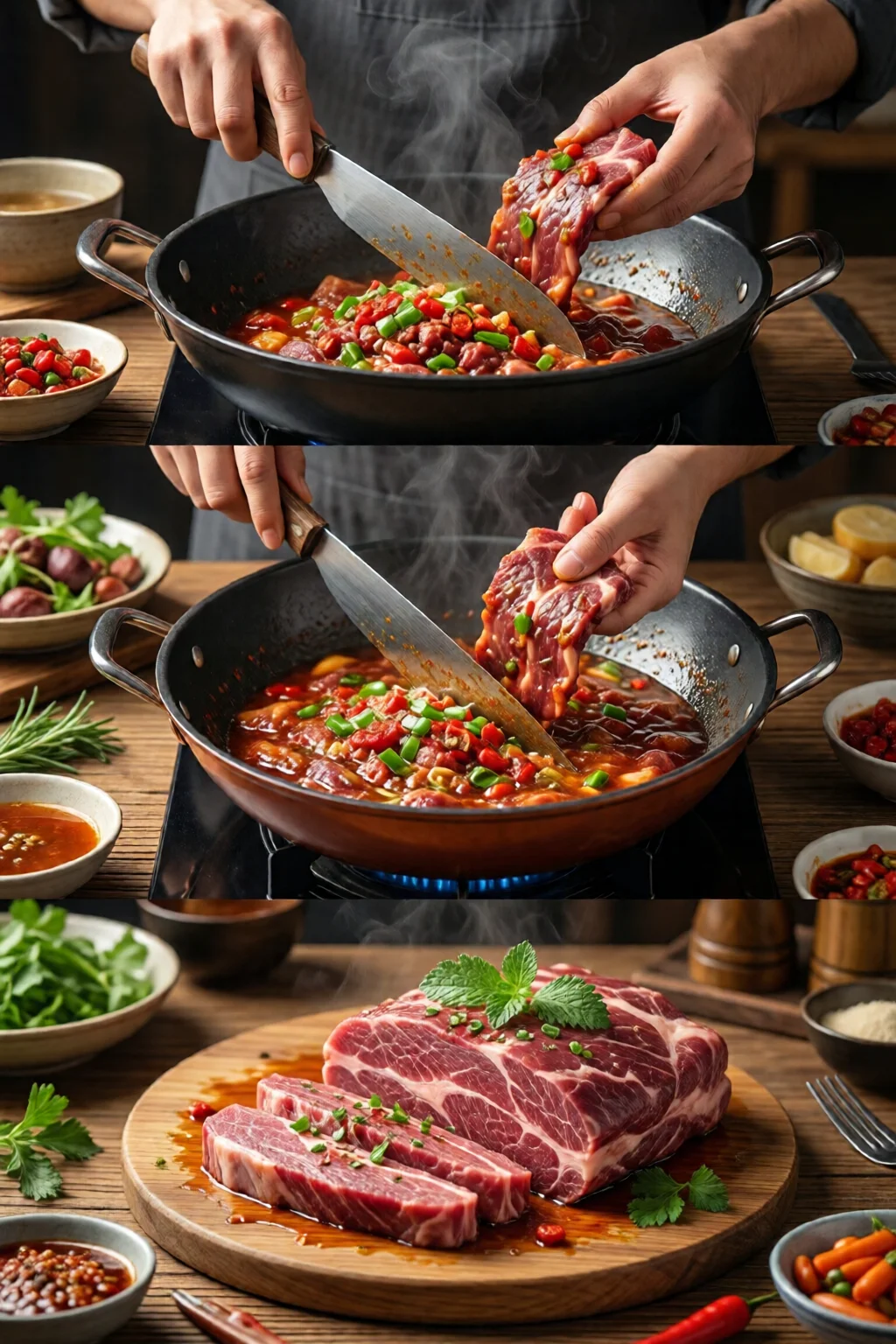
Batch‑marinate chicken thighs on Sunday night, store in airtight containers, and you have a flavor‑ready protein for salads, tacos, or stir‑fries. The same technique works for beef strips that can be tossed into a wok cooking technique for beginners later in the week.
Pairing Marinades with Sides
A citrus‑heavy marinade pairs beautifully with roasted vegetables. Check out our guide on how to roast vegetables perfectly for tips on timing the grill so everything finishes together.
Cooking Vessel Matters
For a seared steak, preheat a cast iron skillet to 230 °C (450 °F). The high heat creates a Maillard crust that locks in the marinated flavors. If you’re using a grill, oil the grates lightly to prevent sticking.
FAQ
How long can I keep a meat in the refrigerator after marinating?
Most meats remain safe for up to 48 hours after the recommended marinating window, provided the fridge stays at 1–4 °C. Beyond that, the risk of bacterial growth outweighs any flavor gains.
Can I reuse a leftover marinade?
Only if you bring it to a boil for at least 5 minutes to kill any surface bacteria. Otherwise, discard it and make a fresh batch.
Is it okay to add sugar to a high‑heat grill marinade?
Yes, but keep sugar under 10 % of the total liquid and apply the meat to a slightly cooler part of the grill (around 200 °C) to avoid premature caramelization and burning.
Conclusion: Your Actionable Takeaway
Mastering how to marinate meat perfectly tips the odds from “good enough” to “restaurant quality.” Remember the three‑step formula—balance acid, oil, and aromatics; respect timing and temperature; and fine‑tune with personal touches like liquid smoke or fresh zest. Grab a glass jar, mix the ratios above, and start a 2‑hour trial with your favorite cut. Within a week you’ll have a reliable system that delivers flavor fireworks every time you fire up the grill or the skillet.