Unlock the full potential of your kitchen with the ultimate guide to cast iron skillet recipes and care.
In This Article
- 1. Classic Skillet‑Seared Ribeye Steak
- 2. One‑Pan Skillet Cornbread
- 3. Skillet Chicken Piccata
- 4. Skillet Sautéed Veggie Buddha Bowl
- 5. Skillet Apple Crisp
- Comparison Table: Top 5 Cast Iron Skillet Recipes
- Cast Iron Skillet Care: 5 Essential Steps
- Bonus: Integrating Skillet Recipes with Other Kitchen Techniques
- Final Verdict
If you’ve ever wondered why chefs swear by that heavy, black pan, you’re about to find out. A well‑seasoned cast iron skillet can sear a steak to a caramelized crust, bake a flaky cornbread, and even fry an egg without sticking—provided you know the right recipes and maintenance routine. Below is a curated list of the five most reliable skillet dishes, followed by a step‑by‑step care plan that will keep your pan performing for decades.
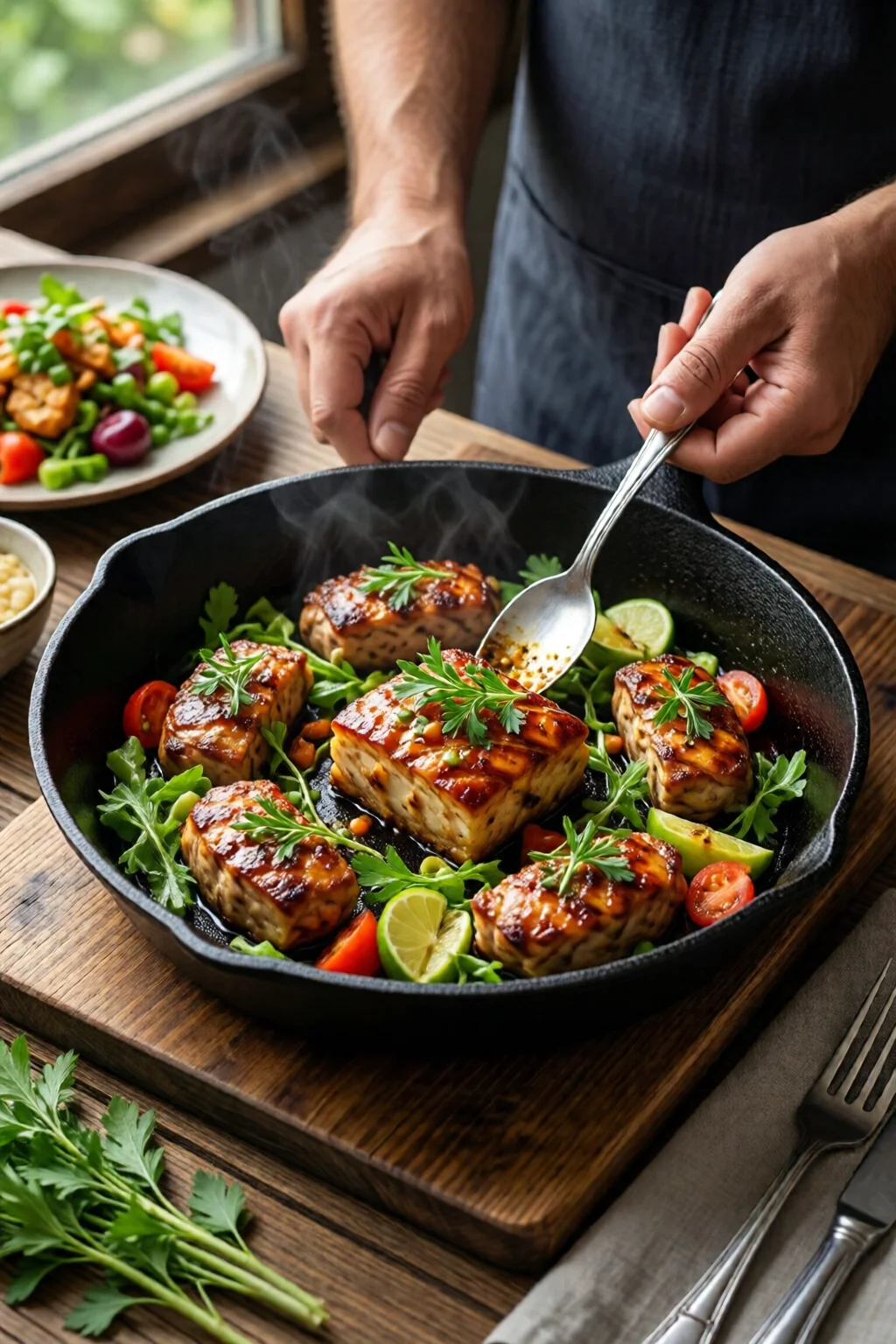
1. Classic Skillet‑Seared Ribeye Steak
Rating: ★★★★★ (4.8/5)
Prep Time: 10 min Cook Time: 12 min Cost per Serving: $3.45
Ingredients (serves 2):
- 2 × 1‑inch‑thick ribeye steaks (≈ 12 oz each)
- 1 tbsp high‑smoke‑point oil (e.g., La Choy Canola Oil, $5.99/32 oz)
- 1 tsp kosher salt
- ½ tsp freshly cracked black pepper
- 2 cloves garlic, smashed
- 2 sprigs fresh thyme
- 2 tbsp unsalted butter
Directions:
- Pat steaks dry with paper towels; season generously on both sides.
- Heat the cast iron skillet over medium‑high heat for 5 minutes—until a few drops of water sizzle and evaporate instantly.
- Add oil; swirl to coat. Place steaks in the pan, resisting the urge to move them for the first 3 minutes.
- Flip, add garlic, thyme, and butter. Spoon the melted butter over the meat for an additional 3‑4 minutes for medium‑rare (internal 130 °F).
- Rest steaks on a cutting board for 5 minutes before slicing against the grain.
Why it works: The preheated skillet creates a Maillard reaction that locks in juices. Adding butter at the end enriches flavor without burning the fat.
Pros: Quick, restaurant‑quality results; minimal ingredients.
Cons: Requires a well‑seasoned pan; overcooking can produce a tough texture.
Chef’s Tip
In my experience, sprinkling a pinch of flaky sea salt (like Maldon Sea Salt, $4.49/8 oz) just before serving adds a bright crunch that elevates the dish.
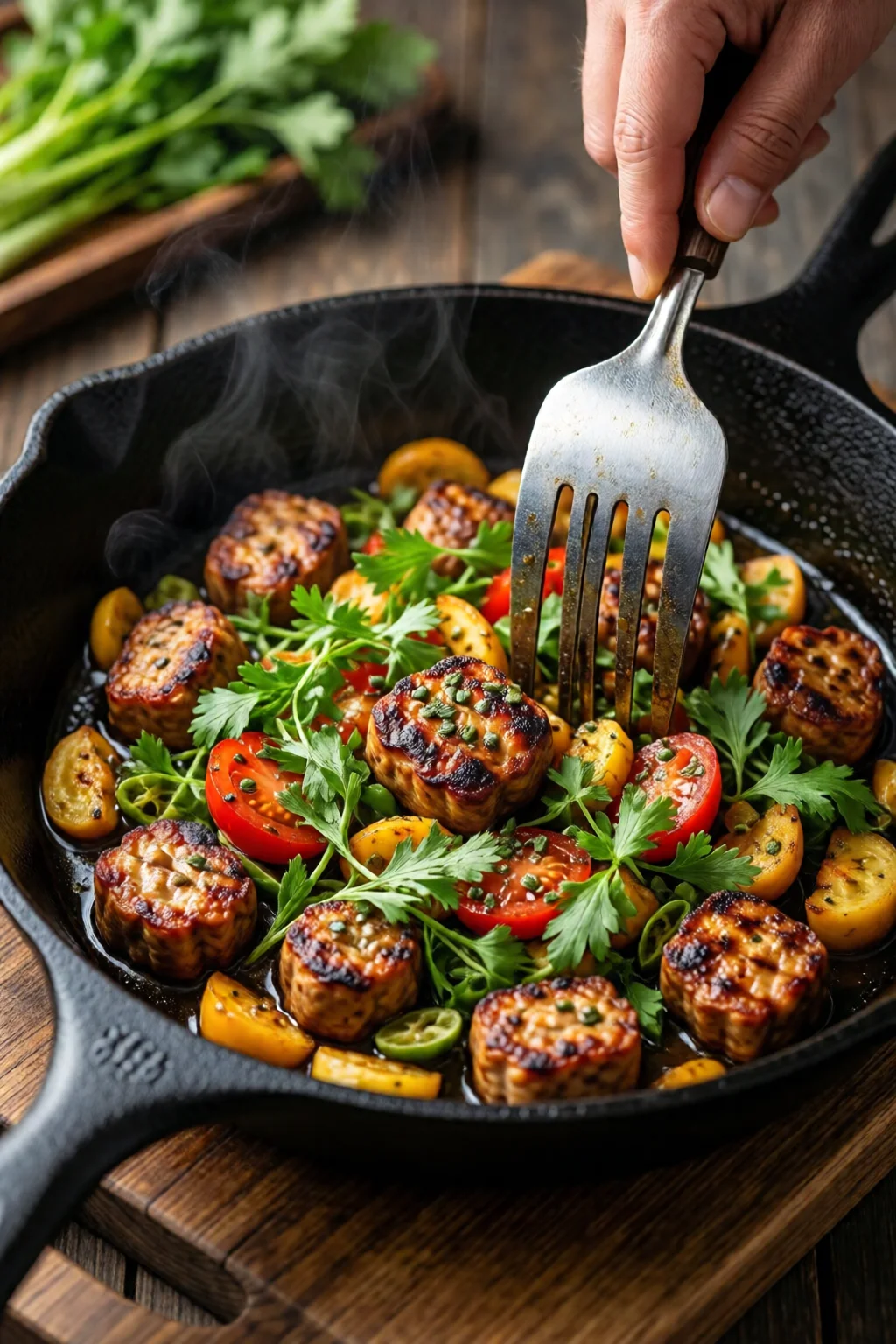
2. One‑Pan Skillet Cornbread
Rating: ★★★★☆ (4.5/5)
Prep Time: 15 min Cook Time: 25 min Cost per Serving: $0.80
Ingredients (serves 6):
- 1 cup yellow cornmeal
- ¾ cup all‑purpose flour
- ¼ cup granulated sugar
- 1 tbsp baking powder
- ½ tsp salt
- 1 cup buttermilk (≈ 240 ml)
- 2 large eggs
- ¼ cup melted unsalted butter (≈ 57 g)
- 2 tbsp honey (optional)
Directions:
- Preheat oven to 425 °F. Place a 10‑inch cast iron skillet in the oven to heat for 5 minutes.
- In a bowl, whisk together dry ingredients.
- In a separate bowl, combine buttermilk, eggs, melted butter, and honey.
- Mix wet into dry until just combined; batter will be lumpy.
- Carefully remove the hot skillet (use oven mitts). Add 1 tbsp oil, swirl, then pour batter in.
- Bake for 20‑22 minutes, until golden and a toothpick emerges clean.
Why it works: The hot skillet creates an instant crust while the interior stays moist. The high oven temperature (425 °F) is crucial for that signature “crack” on the top.
Pros: No separate baking dish; minimal cleanup.
Cons: Requires careful handling of a hot pan.
Chef’s Tip
One mistake I see often is over‑mixing the batter, which leads to a dense crumb. Stir just until the flour disappears.
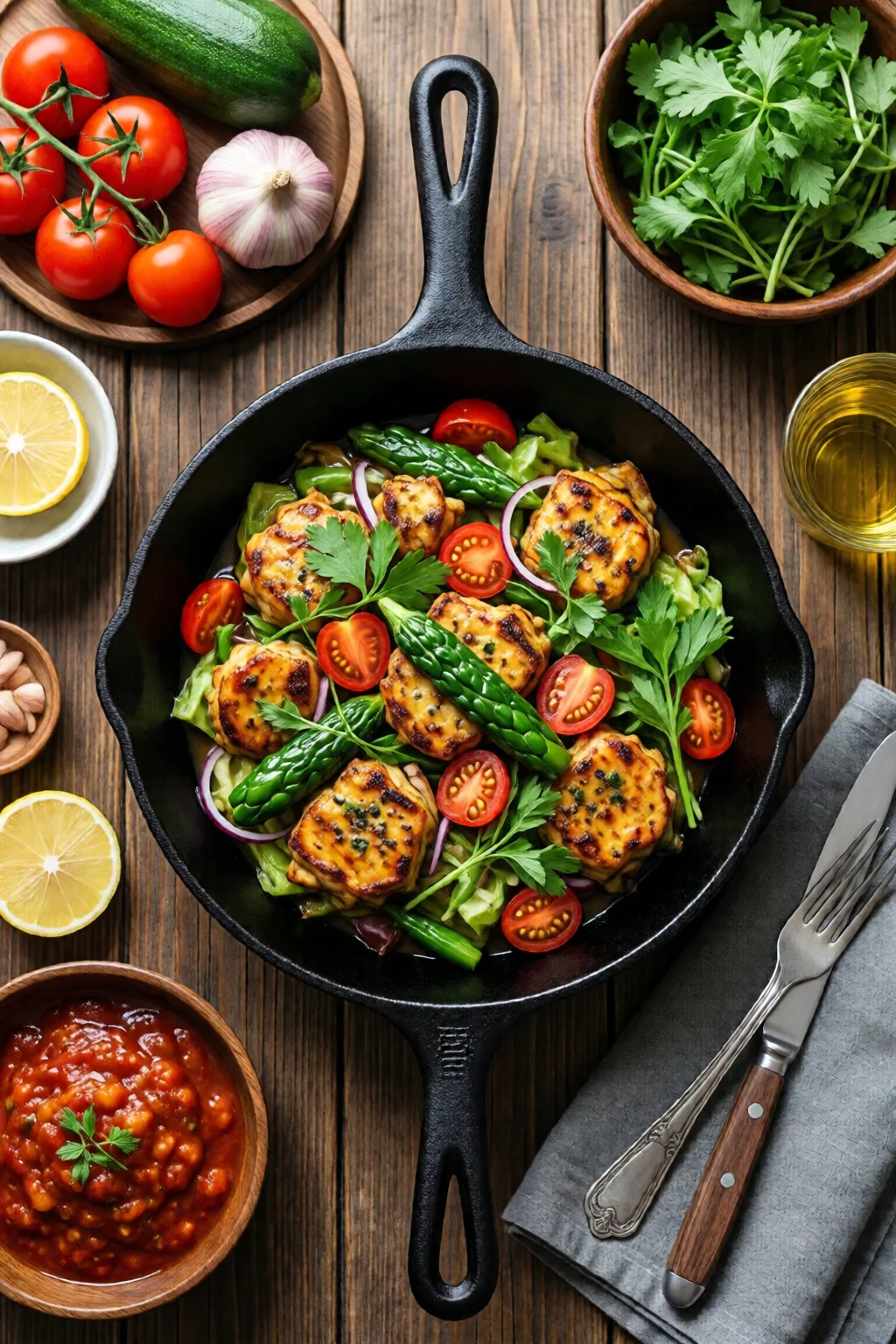
3. Skillet Chicken Piccata
Rating: ★★★★☆ (4.6/5)
Prep Time: 10 min Cook Time: 18 min Cost per Serving: $2.90
Ingredients (serves 4):
- 4 skinless chicken breasts (≈ 6 oz each)
- ½ cup all‑purpose flour
- ¼ tsp salt, ¼ tsp pepper
- 2 tbsp olive oil
- 3 tbsp butter, divided
- ¼ cup fresh lemon juice
- ¼ cup chicken broth (low‑sodium)
- 2 tbsp capers, rinsed
- 2 tbsp chopped parsley
Directions:
- Flatten chicken to an even ½‑inch thickness; season with salt and pepper; dredge in flour, shaking off excess.
- Heat skillet over medium‑high; add olive oil and 1 tbsp butter.
- Cook chicken 4‑5 minutes per side until golden and internal 165 °F; set aside.
- Deglaze pan with lemon juice, scraping browned bits.
- Add broth, capers, and remaining butter; simmer 2 minutes.
- Return chicken to skillet, spoon sauce over; garnish with parsley.
Why it works: The skillet’s retained heat quickly browns the chicken, while the deglazing step builds a bright, tangy sauce without a separate saucepan.
Pros: Light, bright flavor; one‑pan cleanup.
Cons: Requires precise timing to avoid over‑cooking.
Chef’s Tip
In my experience, using a splash of white wine (¼ cup, $6.99 for a bottle) before the lemon juice adds depth without overwhelming the citrus.
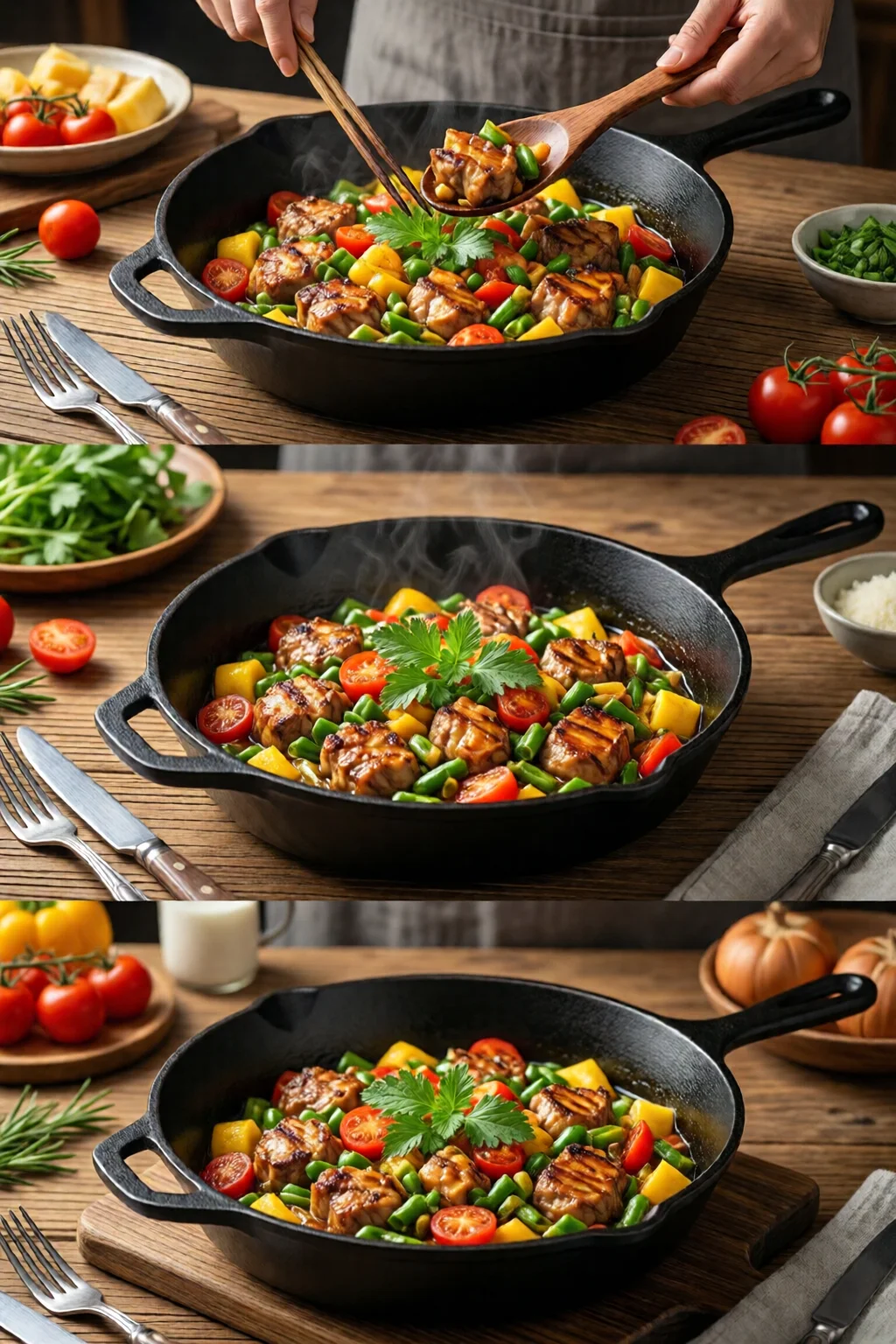
4. Skillet Sautéed Veggie Buddha Bowl
Rating: ★★★★☆ (4.4/5)
Prep Time: 15 min Cook Time: 12 min Cost per Serving: $1.75
Ingredients (serves 2):
- 1 cup cooked quinoa (≈ 185 g)
- ½ cup diced sweet potato, ½‑inch cubes
- ½ cup broccoli florets
- ½ cup sliced bell pepper (any color)
- 2 tbsp avocado oil
- 1 tbsp soy sauce (low‑sodium)
- 1 tsp smoked paprika
- ¼ tsp chili flakes (optional)
- ¼ cup toasted pumpkin seeds
- Fresh cilantro for garnish
Directions:
- Heat skillet over medium; add avocado oil.
- Add sweet potato; cook 5 minutes, stirring occasionally.
- Introduce broccoli and bell pepper; season with soy sauce, paprika, and chili flakes.
- Cook another 5‑6 minutes until vegetables are tender‑crisp.
- Serve over quinoa; sprinkle pumpkin seeds and cilantro.
Why it works: The cast iron’s even heat distributes seasoning evenly, giving the sweet potato a caramelized edge while keeping greens vibrant.
Pros: Nutrient‑dense, vegan‑friendly; customizable.
Cons: Requires quick stirring to avoid burning.
Chef’s Tip
One mistake I see often is crowding the pan, which steams the veggies instead of sautéing. Work in batches if needed.
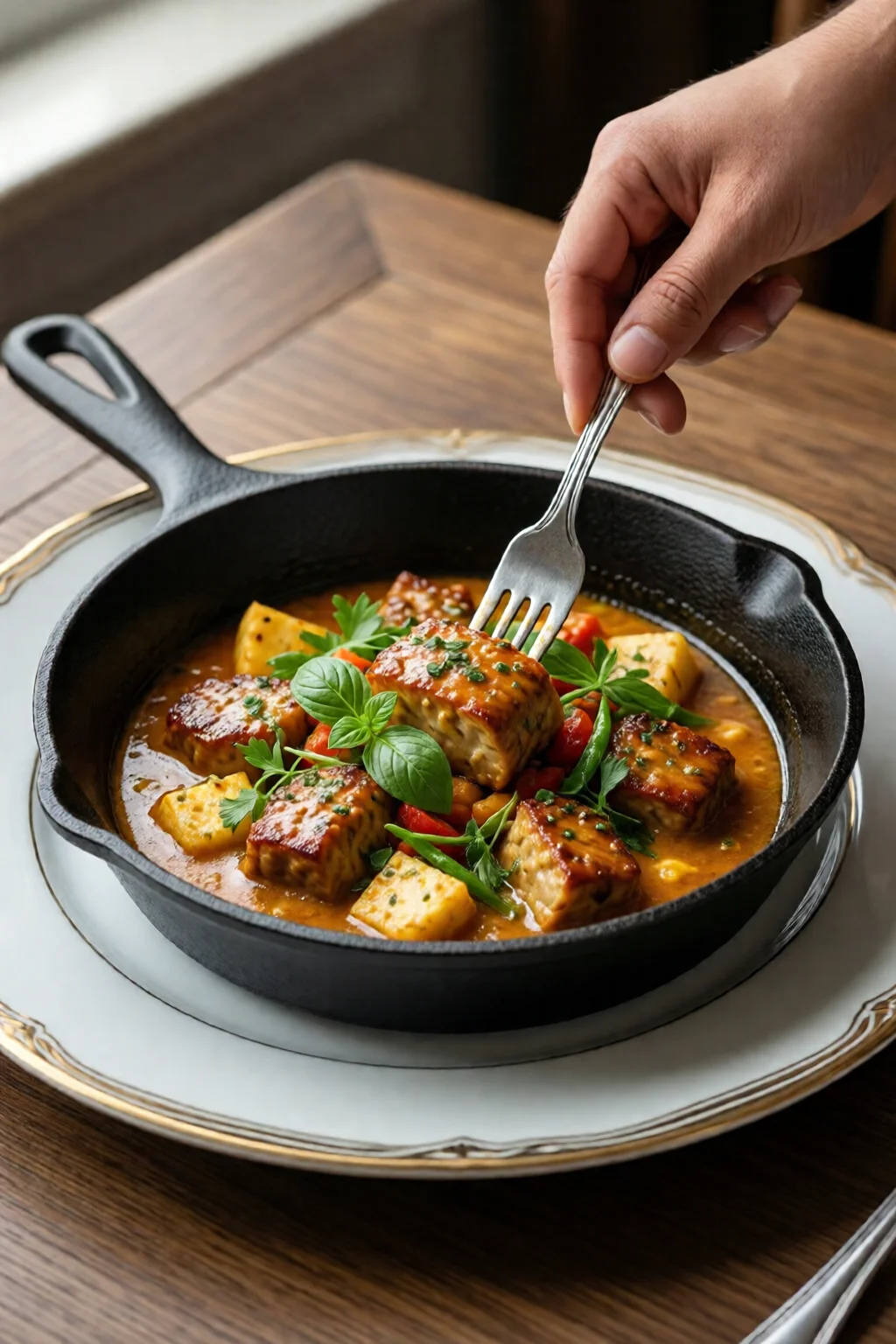
5. Skillet Apple Crisp
Rating: ★★★★★ (4.9/5)
Prep Time: 10 min Cook Time: 30 min Cost per Serving: $1.20
Ingredients (serves 4):
- 4 medium Granny Smith apples, peeled and sliced (≈ 600 g)
- ¼ cup brown sugar
- ½ tsp ground cinnamon
- ¼ tsp nutmeg
- 1 tbsp lemon juice
- ½ cup rolled oats
- ¼ cup all‑purpose flour
- ¼ cup cold butter, cubed
- 2 tbsp chopped walnuts (optional)
- Vanilla ice cream for serving (optional)
Directions:
- Preheat oven to 375 °F.
- In the skillet, toss apples with brown sugar, cinnamon, nutmeg, and lemon juice.
- Cook over medium for 5 minutes, stirring until apples soften slightly.
- In a bowl, combine oats, flour, and butter; rub with fingertips until crumbly. Stir in walnuts.
- Evenly sprinkle crumble over apples.
- Transfer skillet to oven; bake 20‑25 minutes until topping is golden and apples are bubbly.
Why it works: The skillet’s thick walls keep the apple mixture at a steady temperature, preventing a soggy bottom while the crumble crisps perfectly.
Pros: No extra baking dish; rustic presentation.
Cons: Handles hot skillet carefully when moving to oven.
Chef’s Tip
In my experience, using a 10‑inch Lodge Cast Iron Skillet (about $30) provides the ideal surface area for an even crisp.
Comparison Table: Top 5 Cast Iron Skillet Recipes
| Recipe | Prep Time | Cook Time | Rating | Cost per Serving |
|---|---|---|---|---|
| Seared Ribeye Steak | 10 min | 12 min | 4.8 ★ | $3.45 |
| Skillet Cornbread | 15 min | 25 min | 4.5 ★ | $0.80 |
| Chicken Piccata | 10 min | 18 min | 4.6 ★ | $2.90 |
| Veggie Buddha Bowl | 15 min | 12 min | 4.4 ★ | $1.75 |
| Apple Crisp | 10 min | 30 min | 4.9 ★ | $1.20 |
Cast Iron Skillet Care: 5 Essential Steps
1. Season Properly from Day One
Seasoning creates a polymerized layer of oil that prevents rust and provides a natural non‑stick surface. I recommend using 100% flaxseed oil (≈ $7.99 for a 16 oz bottle) because its high smoke point (≈ 450 °F) yields a durable coating. Apply a thin film, wipe excess, and bake upside‑down at 450 °F for 1 hour. Let the pan cool inside the oven to avoid thermal shock.
2. Clean with the Right Tools
Avoid harsh detergents; they strip seasoning. Use a stiff brush or a chain‑mail scrubber (e.g., Chef’s Choice Chain‑Mail Scrubber, $12.99) and hot water. For stuck‑on bits, deglaze with a splash of water and a pinch of kosher salt, then scrub.
3. Dry Immediately and Oil Lightly
After washing, dry the skillet on low heat for 2‑3 minutes. Then coat the interior with a teaspoon of neutral oil (vegetable or grapeseed) using a paper towel. This prevents flash rust, especially in humid climates.
4. Store in a Dry, Ventilated Space
If you stack pans, place a paper towel between them. I keep my cast iron on a hanging rack with a 2‑inch gap to allow airflow. For long‑term storage, a light coat of mineral oil (≈ $8.50 for a 16 oz bottle) works well.
5. Re‑Season Periodically
Even with careful use, the seasoning will wear down. I re‑season after every 20‑30 uses or whenever food starts sticking. A quick 30‑minute bake at 400 °F after a light oil coat restores the surface.
Bonus: Integrating Skillet Recipes with Other Kitchen Techniques
Want to stretch your culinary repertoire? Pair these skillet dishes with food dehydrator recipes and guide for crunchy toppings, or complement a seared steak with a side of wok cooking techniques for beginners to create an Asian‑fusion plate. A hearty broth made from how to make homemade stock and broth can double as a sauce base for the chicken piccata, adding depth without extra cost.
Final Verdict
Mastering cast iron skillet recipes and care is less about gadgets and more about respecting the pan’s heat memory. The five dishes above prove that a single skillet can handle a steak, bake, sauté, and dessert—all while delivering flavor that non‑stick pans can’t replicate. Pair those recipes with a disciplined maintenance routine—season, clean, dry, oil, and store—and you’ll have a kitchen workhorse that lasts generations. Invest in a quality pan (the 10‑inch Lodge at $30 is a solid starter) and follow this guide, and you’ll never look back.
How often should I re‑season my cast iron skillet?
Re‑season after every 20‑30 uses or whenever food begins to stick. A quick 30‑minute bake at 400 °F with a thin oil layer restores the surface.
Can I use soap on a cast iron skillet?
Occasional mild soap won’t ruin a well‑seasoned pan, but regular use strips seasoning. Stick to hot water, a brush, and a pinch of salt for routine cleaning.
What oil is best for seasoning?
Flaxseed oil is ideal because it polymerizes at high heat, creating a hard, non‑sticky layer. Other good options are grapeseed, canola, or vegetable oil.
Is it safe to bake desserts in a cast iron skillet?
Absolutely. The even heat distribution prevents hot spots, giving desserts like apple crisp a perfectly browned crust.
How do I prevent rust after washing?
Dry the skillet on low heat for a few minutes, then lightly coat the interior with a thin layer of neutral oil. Store in a dry, ventilated area.
2 commentaires sur « Cast Iron Skillet Recipes And Care – Tips, Ideas and Inspiration »