Last summer I tried to impress a group of friends with a quick chicken and broccoli stir‑fry, only to end up with soggy veggies and a smoky kitchen. The culprit? A rookie’s misunderstanding of wok cooking techniques for beginners. After that night, I dove deep into the world of wok mastery, testing carbon steel, cast iron, and even stainless steel models, timing each heat burst, and documenting every slip‑up. The result? A set of proven, no‑fluff methods that turn anyone from a kitchen novice into a confident wok wizard in just a few meals.
In This Article
If you’ve ever stared at a gleaming, bowl‑shaped pan and wondered whether it’s worth the hype, you’re not alone. The wok is a versatile workhorse—perfect for stir‑frying, deep‑frying, steaming, braising, and even smoking. The key is learning the right techniques, choosing the appropriate equipment, and respecting the wok’s unique heat dynamics. Below is a step‑by‑step, expert‑crafted guide that will demystify wok cooking techniques for beginners and have you serving restaurant‑quality dishes from your own stovetop.
Choosing the Right Wok
Material Matters
The most common materials are carbon steel, cast iron, and stainless steel. Carbon steel, like the Joyce Chen 14‑inch Carbon Steel Wok priced at $79.99, heats up rapidly and develops the coveted “wok hei” (breath of the wok) when seasoned correctly. Cast iron, such as the Lodge 12‑inch Cast Iron Wok at $59.95, retains heat superbly, making it ideal for deep‑frying, but it’s heavier and takes longer to reach temperature. Stainless steel woks, like the Meyer 13‑inch Stainless Steel Wok for $89, are easy to maintain but often lack the high‑heat performance needed for true stir‑fry.
Size and Shape
For a home kitchen, a 12‑ to 14‑inch wok hits the sweet spot. It provides enough surface area for a “flat‑bottom” design that sits well on gas burners and most induction cooktops while still offering the classic curved walls for tossing. A 16‑inch wok can be overkill unless you regularly cook for eight or more.
Budget Options
If you’re testing the waters, the AmazonBasics 12‑inch Carbon Steel Wok retails for $34.99 and includes a wooden handle. It’s not pre‑seasoned, but it’s a solid entry point. For those willing to invest, a seasoned carbon steel wok from Wokshop costs around $120 and comes with a pre‑seasoned coating that reduces the initial seasoning time.
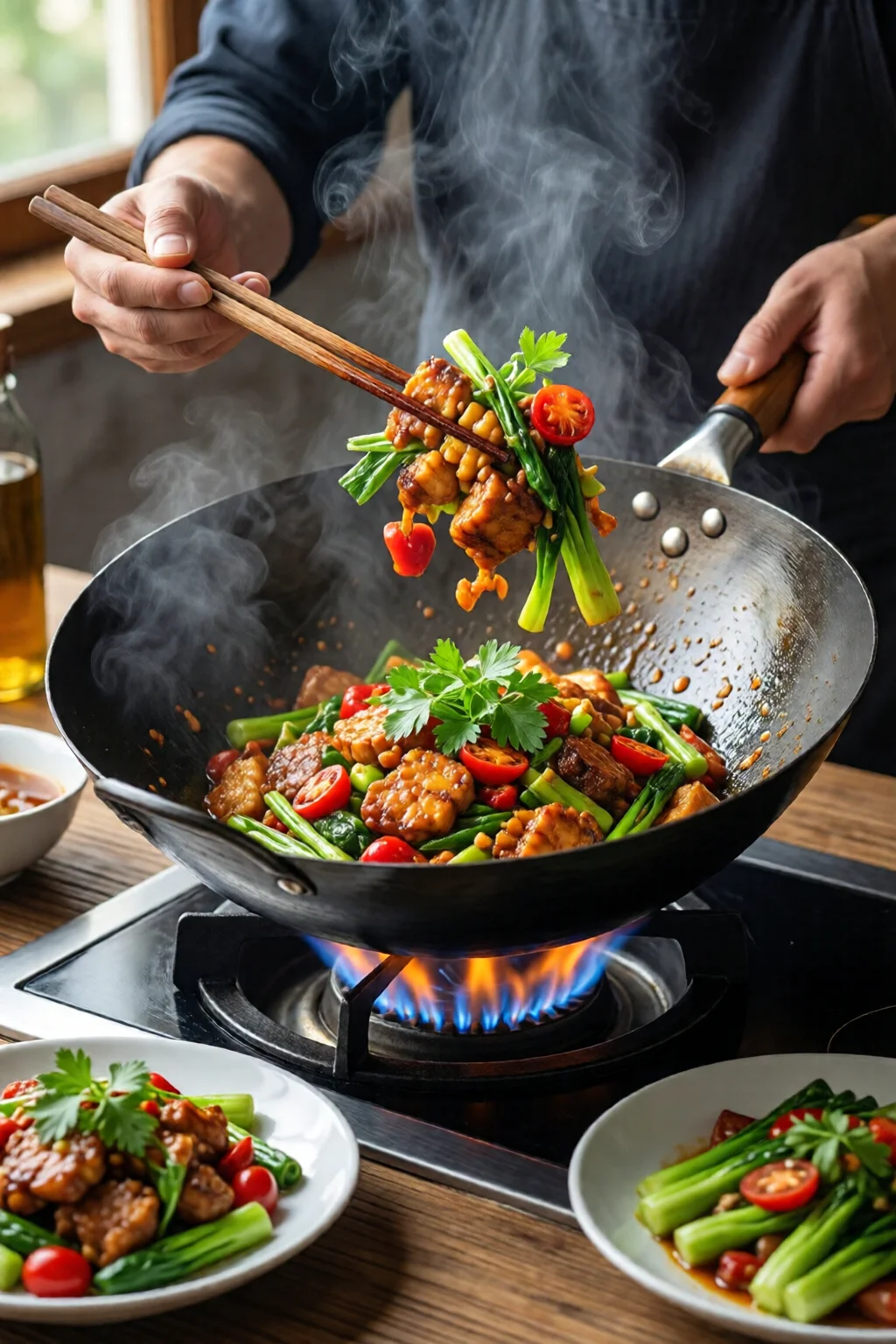
Essential Tools & Ingredients
Heat Sources
High, direct heat is the secret sauce of wok cooking. Gas burners deliver instant flame adjustments, making them the gold standard. If you have an induction cooktop, look for a flat‑bottomed carbon steel wok with a magnetic base; the All-Clad 13‑inch Induction‑Ready Wok (≈$149) works beautifully. Electric coil stoves can be used, but you’ll need a wok ring to concentrate the heat.
Oils with High Smoke Points
Because wok cooking often pushes temperatures above 400 °F (204 °C), choose oils that can handle the heat. Peanut oil (smoke point ≈ 450 °F), grapeseed oil (≈ 420 °F), and refined avocado oil (≈ 520 °F) are my go‑to choices. For a budget-friendly option, 365 Everyday Value Peanut Oil is available at $6.99 for a 32‑oz bottle.
Prep Essentials
Everything must be ready before the wok heats. Slice proteins into ½‑inch pieces, chop vegetables uniformly, and measure sauces in advance. A sturdy, heat‑resistant spatula (the OXO Good Grips Silicone Turner at $12.99) is essential for tossing without scratching the surface.
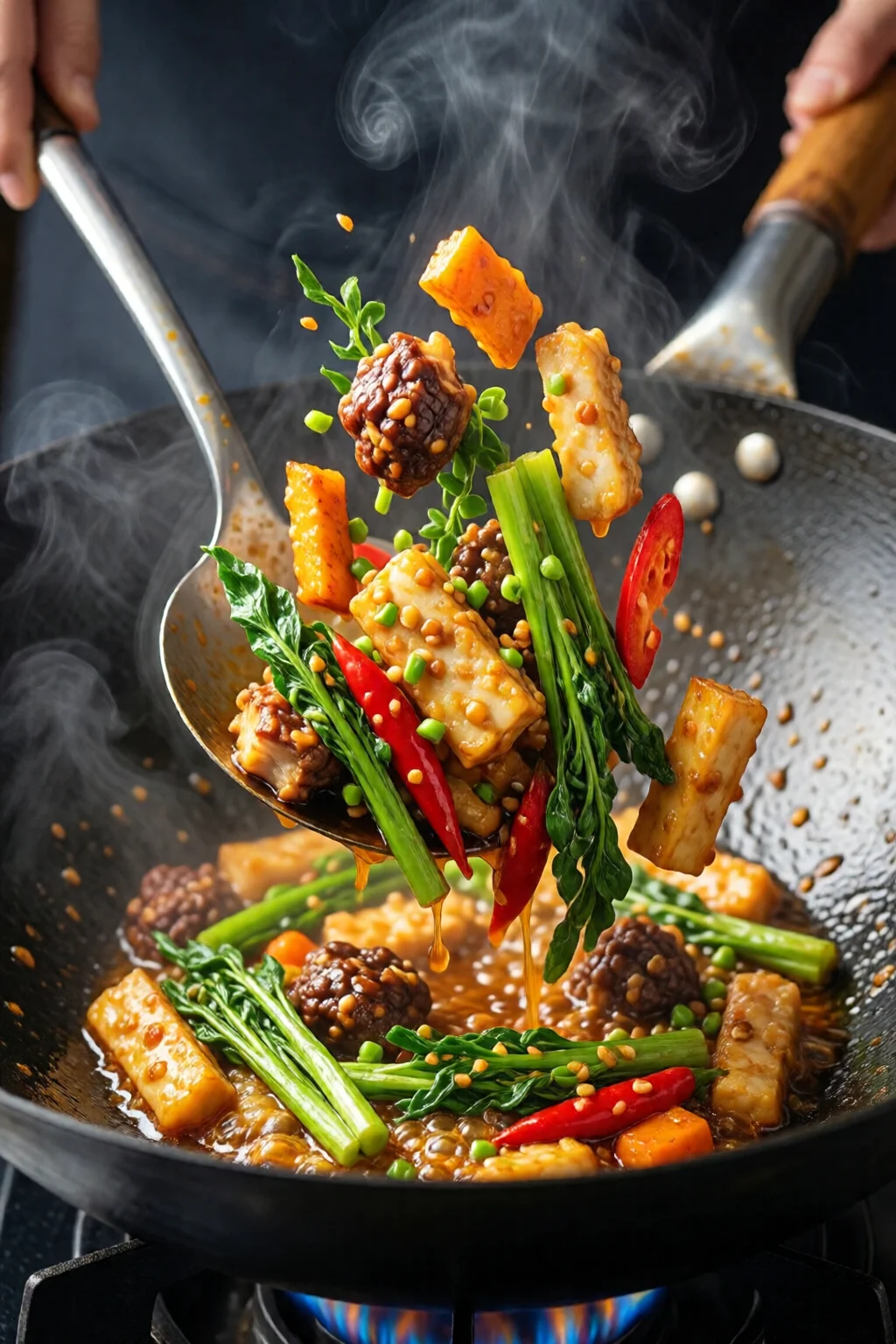
Mastering the Basics: The Five Core Techniques
Stir‑Fry
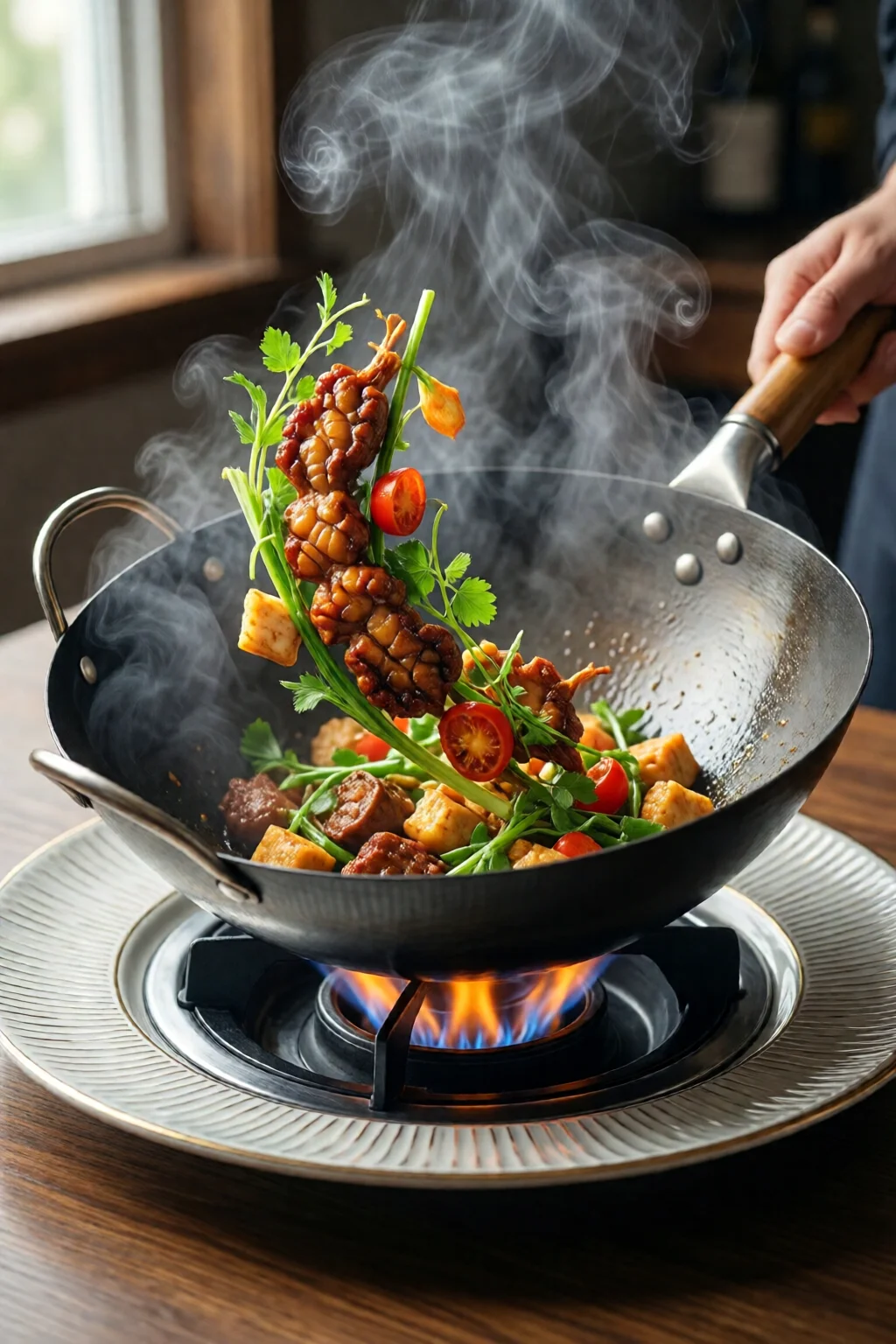
Stir‑frying is the poster child of wok cooking. It requires a hot wok, a small amount of oil, and rapid movement. The goal is to sear the food quickly, preserving crunch and color. A classic ratio is 1 lb of protein to 3 cups of mixed vegetables, cooked in 2–3 minutes.
Deep‑Fry
Because the wok’s shape holds oil efficiently, it’s perfect for small‑batch deep‑frying. Heat oil to 350 °F (use a thermometer) and fry items like spring rolls or tempura for 2–3 minutes until golden. A 2‑quart oil capacity is sufficient for most home needs.
Steaming
Place a bamboo steamer rack inside the wok, add 1‑inch of water, and cover. The steam cooks delicate foods like dumplings or fish in 5–8 minutes. The wok’s tight seal retains heat, making it more energy‑efficient than a separate steamer.
Braising
Low‑and‑slow cooking in a wok creates tender dishes with minimal liquid. Start by searing meat, deglaze with broth, then add aromatics and simmer for 20‑30 minutes. For a deeper dive, check out our braising technique recipes tender meat guide.
Toss‑and‑Season
After the main cooking phase, finish with a quick toss of soy sauce, a splash of rice vinegar, and a pinch of sugar. This step layers flavor without over‑cooking the ingredients.
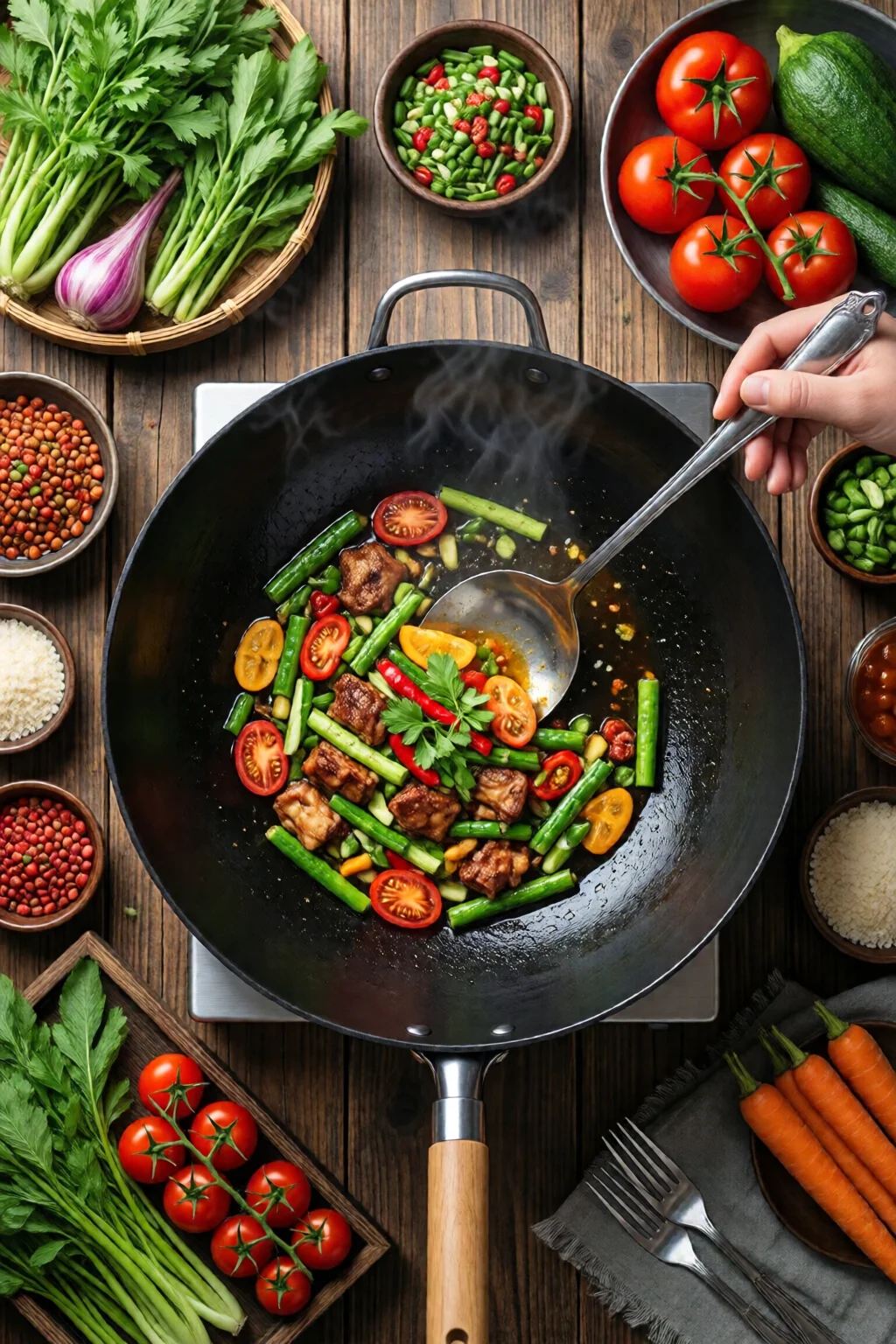
Step‑by‑Step Guide to a Classic Beginner Stir‑Fry
Mise en Place
Gather 1 lb of sliced chicken breast, 2 cups broccoli florets, 1 cup sliced bell pepper, 2 tablespoons soy sauce, 1 tablespoon oyster sauce, 1 teaspoon cornstarch mixed with 2 tablespoons water, and 2 tablespoons peanut oil. Having everything within arm’s reach cuts down cooking time dramatically.
Heating the Wok (The “Wok Hei”)
Place the wok over high heat. After 2‑3 minutes, sprinkle a few drops of water; if they sizzle and evaporate instantly, the wok is ready. Add the oil and swirl to coat the surface. Let the oil heat until it just begins to shimmer—about 30 seconds.
Cooking Sequence
- Protein first: Add chicken, spread it thinly, and let it sit undisturbed for 30 seconds to develop a sear. Stir for another 1‑2 minutes until 80% cooked.
- Veggies next: Toss in broccoli and bell pepper. Stir‑fry for 1‑2 minutes; the vegetables should stay crisp‑tender.
- Sauce and finish: Add soy sauce, oyster sauce, and the cornstarch slurry. Stir quickly; the sauce will thicken and coat the ingredients in 30 seconds. Serve immediately over jasmine rice.
Tip: If you notice steam escaping, lower the heat slightly to avoid burning while maintaining the high temperature needed for wok hei.
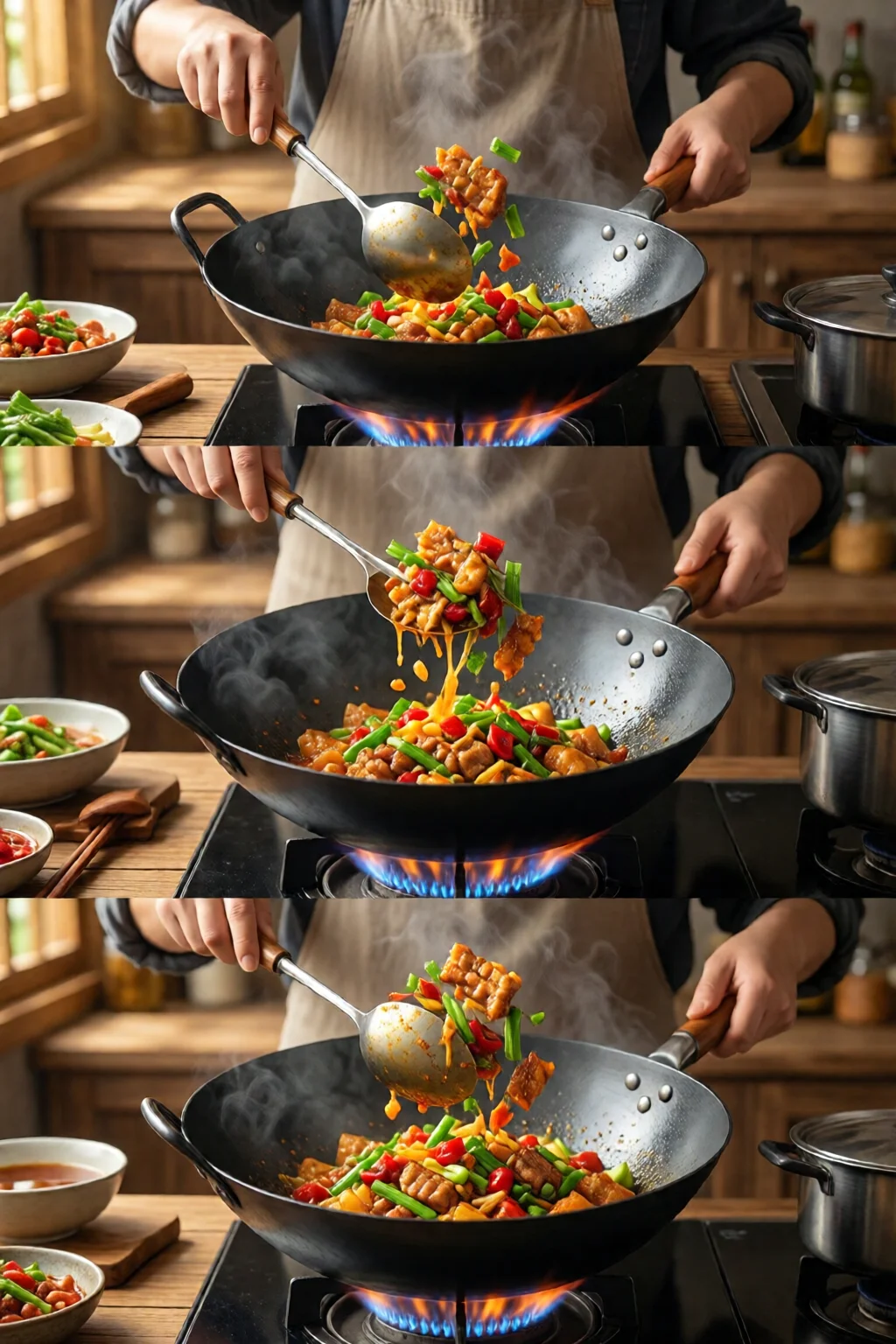
Pro Tips from Our Experience
Seasoning Your Carbon Steel Wok
Seasoning builds a natural non‑stick patina. My routine: wash the new wok with hot water (no soap), dry thoroughly, then heat over medium‑high heat. Add 2 tablespoons of high‑smoke‑point oil, rub it around, and let it smoke for 10 minutes. Wipe out excess oil with paper towels. Repeat this process three times. After a month of regular use, the wok develops a dark, glossy surface that requires minimal oil.
Managing Heat Spikes
When adding wet ingredients, the wok’s temperature can drop dramatically. Counter this by pre‑heating a second pan or using a wok ring to concentrate the flame. I’ve found that a 2‑inch wok ring (≈ $8 on Amazon) restores heat within 15 seconds.
Clean‑up Without Scrubbing
Never use abrasive sponges on seasoned carbon steel. Instead, rinse with hot water, use a bamboo brush, and wipe dry. For stubborn bits, pour a splash of rice water (the leftover water from rinsing rice) and let it sit for a minute before wiping.
Storing the Wok
After each use, lightly coat the interior with a thin layer of oil to prevent rust. Store it in a dry cabinet; a simple paper towel rolled inside the wok helps absorb moisture.
Pairing Wok Dishes with Sides
For balanced meals, pair a protein‑rich stir‑fry with a grain (like quinoa or brown rice) and a fresh salad. My favorite combo: beef and broccoli stir‑fry, jasmine rice, and a cucumber‑sesame salad dressed with rice vinegar and a dash of honey.
Wok Comparison Table
| Wok Model | Material | Size (inches) | Price (USD) | Best For |
|---|---|---|---|---|
| Joyce Chen Carbon Steel | Carbon Steel | 14 | 79.99 | High‑heat stir‑fry, wok hei |
| Lodge Cast Iron | Cast Iron | 12 | 59.95 | Deep‑frying, braising |
| Meyer Stainless Steel | Stainless Steel | 13 | 89.00 | Easy maintenance, light cooking |
| All‑Clad Induction‑Ready | Carbon Steel (magnetic base) | 13 | 149.00 | Induction cooktops, versatile |
Frequently Asked Questions
How do I know if my wok is hot enough?
A quick test is to sprinkle a few drops of water onto the surface; if they sizzle, dance, and evaporate within a second, the wok has reached the ideal temperature for stir‑frying.
Can I use a non‑stick wok for high‑heat cooking?
Non‑stick coatings typically degrade above 400 °F, so they’re not recommended for authentic wok hei. Stick to carbon steel or cast iron for high‑heat techniques.
Do I need a wok ring on a gas stove?
A wok ring is only necessary if your burner is smaller than the wok’s base. On most standard 6‑inch burners, a flat‑bottomed carbon steel wok sits comfortably without a ring.
How often should I re‑season my wok?
After the initial seasoning, a light oil coat after each use is enough. Re‑season fully only if the surface becomes rusted or loses its glossy patina—typically once every 3–4 months for heavy users.
Can I cook frozen vegetables directly in the wok?
Yes, but add them after the oil is hot and let the moisture evaporate quickly. This prevents steaming and helps retain crunch.
Conclusion: Your First Steps Toward Wok Mastery
Wok cooking techniques for beginners boil down to three fundamentals: the right wok, a blistering hot pan, and meticulous preparation. Start with a budget‑friendly carbon steel wok, season it properly, and practice the five core techniques outlined above. Within a handful of meals—perhaps a quick stir‑fry, a batch of crispy spring rolls, and a simple steamed dumpling—you’ll have internalized the rhythm of the wok.
Take action now: purchase a Joyce Chen 14‑inch Carbon Steel Wok, season it using the method described, and try the beginner stir‑fry recipe in the guide. In just 30 minutes you’ll taste the difference that proper technique makes. Happy wok‑cooking!