Ever wondered why restaurant‑style sauces and dips taste so fresh, yet you can’t find a single recipe that actually tells you how to make homemade sauces and dips without a grocery store’s “secret sauce” label? The truth is, you only need a handful of pantry staples, a bit of technique, and the confidence to taste as you go. Below you’ll discover step‑by‑step methods, budget‑friendly ingredient lists, and the science behind emulsions, reductions, and flavor layering that turn a simple bowl of yogurt into a five‑star tzatziki.
In This Article
- Understanding the Foundations: Base Types and Their Roles
- Essential Tools and Ingredients for Consistency
- Step‑by‑Step Recipes for Everyday Sauces and Dips
- Customizing Flavors: How to Adjust Sweetness, Acidity, Heat, and Thickness
- Storing, Freezing, and Food Safety Tips
- Pro Tips from Our Experience
- Comparison Table: Quick Reference for Common Bases
- Integrating Homemade Sauces into Everyday Meals
- Further Reading and Related Guides
In my ten‑plus years as a line cook and recipe developer, I’ve seen home cooks get stuck at “I have tomatoes, I have garlic—what next?” One mistake I see often is reaching for pre‑made mixes and assuming they’ll save time. They usually add extra sodium, hidden sugars, and a price tag that can easily double your grocery bill. By mastering a few core techniques, you’ll be able to whip up a salsa, aioli, or ranch in under 15 minutes, all for less than $5 per batch.
Understanding the Foundations: Base Types and Their Roles
1. Fresh‑Herb Purees
Herb‑based sauces like chimichurri, pesto, and green goddess rely on raw leaves for bright flavor. Use a kitchen scale for consistency—about 30 g of basil per 120 ml of olive oil yields a classic pesto texture. A splash of lemon juice (≈10 ml) stabilizes the green color and adds acidity.
2. Cooked Reductions
Tomato, caramelized onion, and roasted pepper reductions develop depth through Maillard reactions. Simmer a 400 g can of San Marzano tomatoes with 1 tbsp butter, 1 tsp sugar, and a pinch of kosher salt for 20 minutes; you’ll end up with a sauce that costs roughly $0.80 per cup.
3. Emulsified Creams
Mayonnaise, aioli, and ranch are emulsions—oil droplets suspended in water‑based liquids. A steady whisk or immersion blender is key. For a stable mayo, combine 1 egg yolk, 1 tsp Dijon (Maille), 1 tsp lemon juice, then slowly drizzle in 150 ml light olive oil while blending at medium speed.
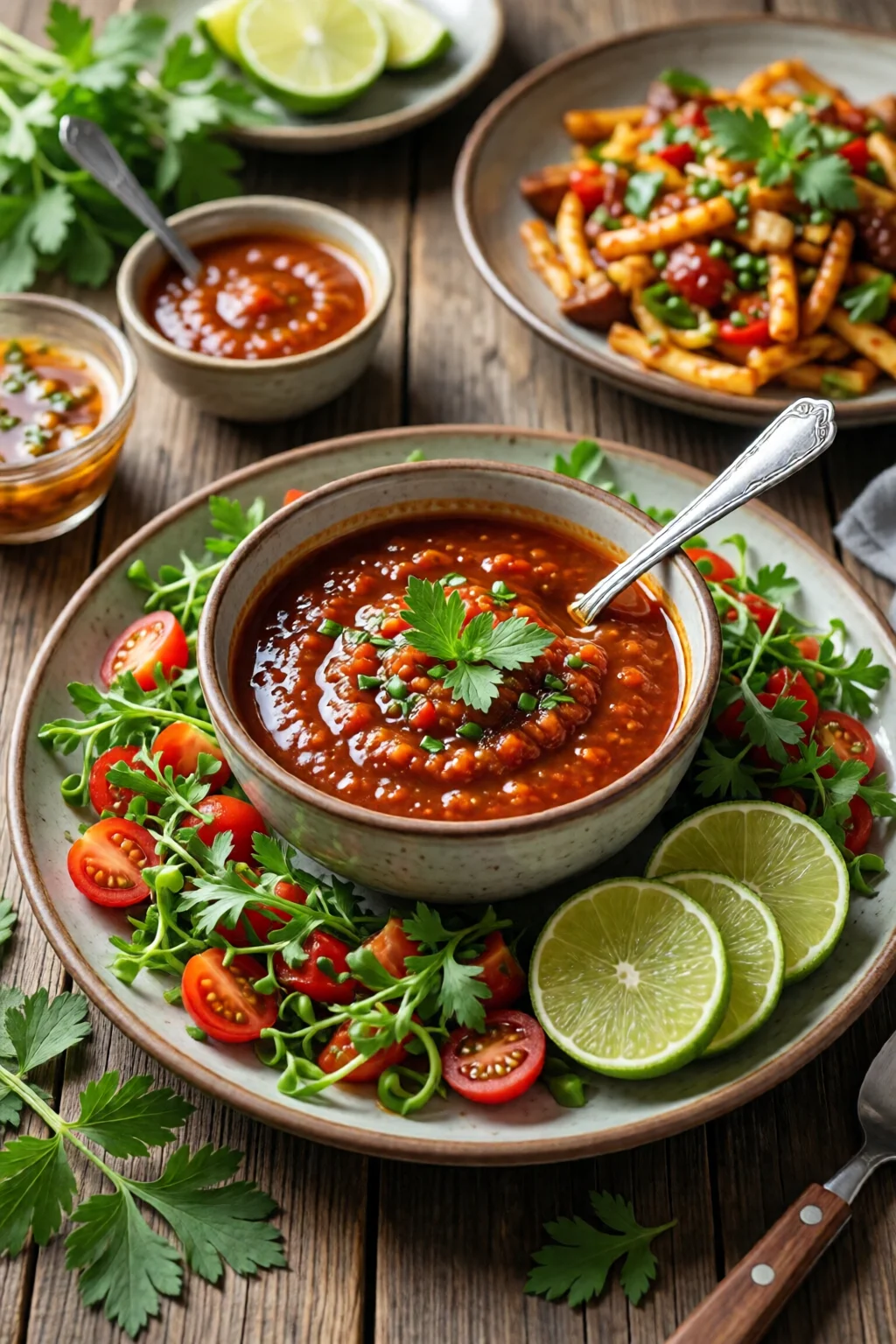
Essential Tools and Ingredients for Consistency
Blenders vs. Food Processors
High‑speed blenders (Vitamix, $350) create ultra‑smooth purees, ideal for creamy dips. Food processors (Cuisinart, $120) give you a chunkier texture, perfect for rustic salsas. I keep both on my countertop; the choice depends on the final mouthfeel you want.
Pantry Staples You Can’t Skip
- Extra‑virgin olive oil (Kirkland, $12 / 2 L)
- Sea salt (Maldon, $8 / 250 g)
- Acidic agents: lemon juice, apple cider vinegar, rice vinegar
- Sweeteners: honey, agave, brown sugar
- Spice basics: smoked paprika, cumin, black pepper
Fresh vs. Dried Herbs
Fresh herbs provide 2‑3× more volatile oils than dried. If you must use dried thyme, increase the amount by 1½ × and add it early in the cooking process to rehydrate.
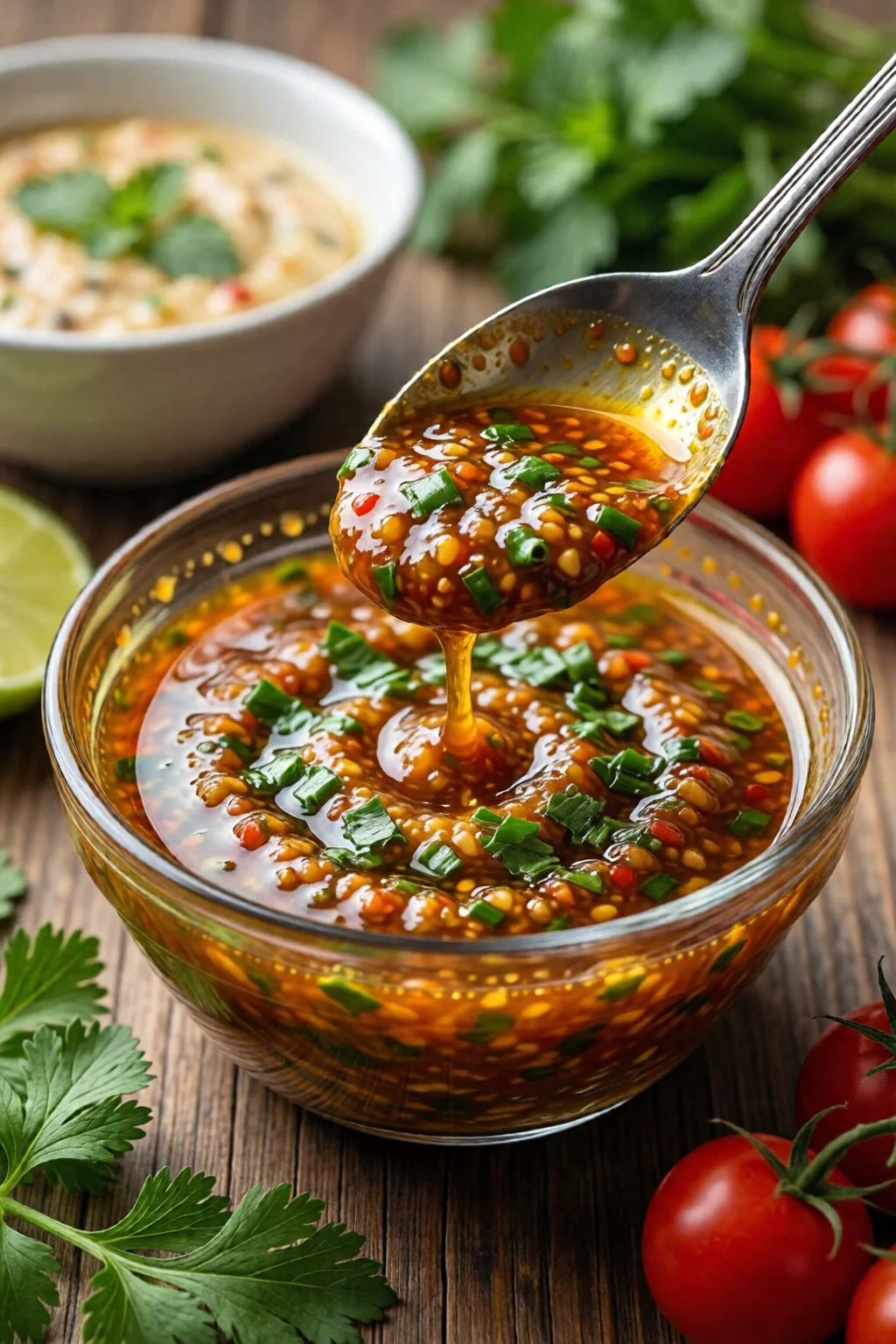
Step‑by‑Step Recipes for Everyday Sauces and Dips
Classic Tomato Marinara (Ready in 25 min)
- Heat 2 tbsp olive oil in a 28‑cm saucepan over medium heat.
- Sauté 1 finely diced onion and 3 minced garlic cloves until translucent (≈5 min).
- Add 800 g crushed San Marzano tomatoes, ½ tsp sea salt, ¼ tsp black pepper, and 1 tsp dried oregano.
- Simmer uncovered, stirring occasionally, for 15 min. Finish with 1 tbsp butter for silkiness.
Yield: 4 cups; cost: $1.10; stores in the fridge 5 days or freezes for 3 months.
Garlic‑Lemon Yogurt Dip (Perfect for Veggies)
- Combine 250 g Greek yogurt (FAGE Total 0 % – $1.20) with 2 tsp finely grated lemon zest and 1 tbsp lemon juice.
- Stir in 1 tsp finely minced garlic (or ½ tsp garlic powder for less bite).
- Season with ¼ tsp salt, ¼ tsp black pepper, and a drizzle of 1 tbsp extra‑virgin olive oil.
- Refrigerate 20 min to let flavors meld.
Yield: 1 ½ cups; cost: $0.90; lasts 1 week refrigerated.
Spicy Sriracha Mayo (Versatile for Burgers & Sushi)
- In a bowl, whisk together 1 egg yolk, 1 tsp Dijon mustard, and 1 tbsp lime juice.
- Slowly stream in 120 ml (½ cup) light olive oil while whisking continuously until thickened.
- Blend in 2 tbsp Sriracha (Huy Fong, $4 / 285 g), ½ tsp smoked paprika, and a pinch of salt.
- Adjust heat by adding more Sriracha or a dash of honey for balance.
Yield: 150 ml; cost: $0.60; refrigerate up to 10 days.
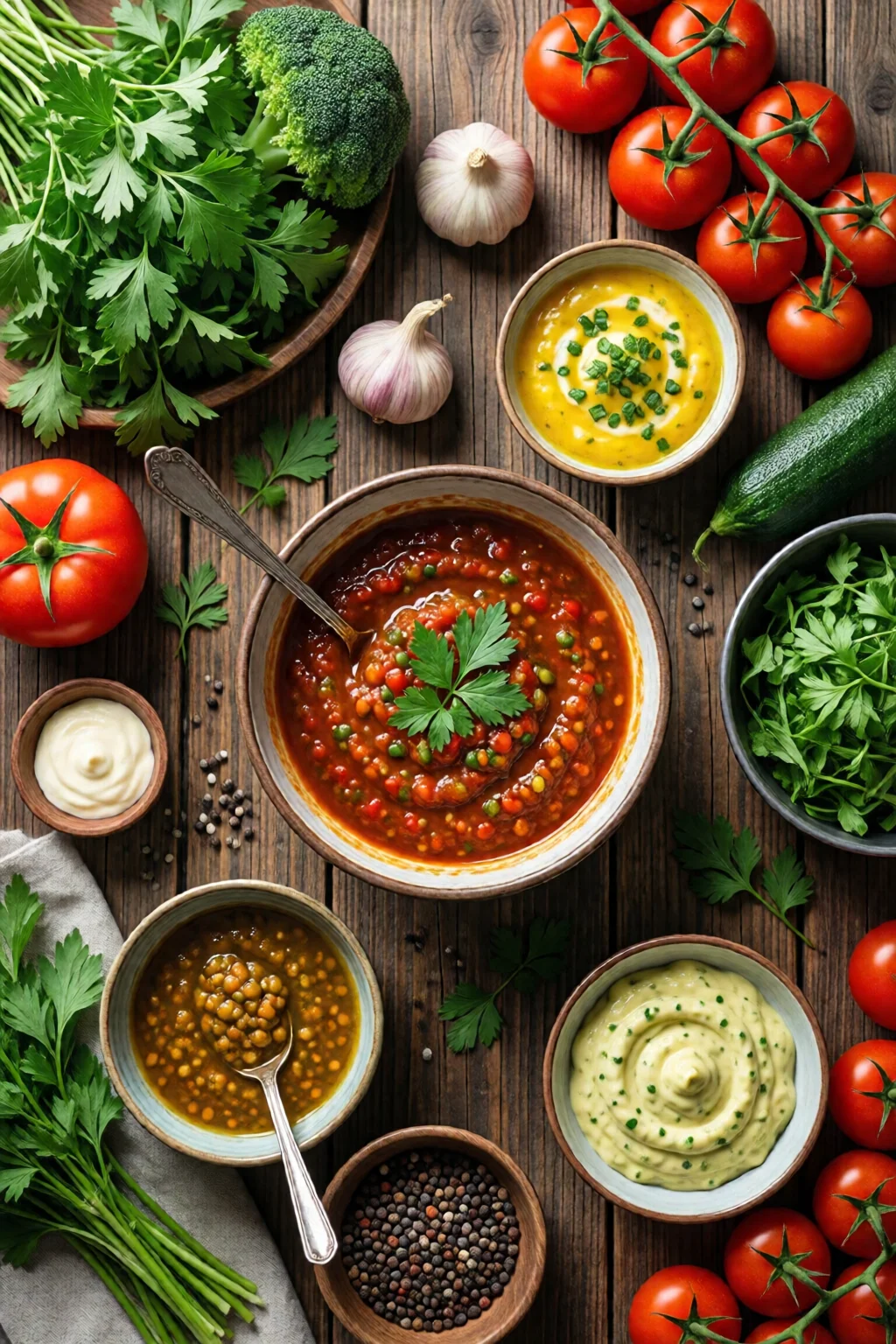
Herb‑Infused Chimichurri (Argentinian Classic)
- Finely chop 30 g parsley, 15 g cilantro, and 10 g oregano.
- Mix herbs with 2 tbsp red wine vinegar, 1 tsp crushed red pepper flakes, and ½ tsp sea salt.
- Whisk in 80 ml (⅓ cup) extra‑virgin olive oil until emulsified.
- Let sit 15 min before serving; the flavors intensify after 1 hour.
Yield: 120 ml; cost: $1.30; keeps 4 days refrigerated.
Roasted Red Pepper & Walnut Dip (Vegan Alternative)
- Roast 2 red bell peppers (≈250 g) under a broiler until skins blister, then peel and seed.
- Blend peppers with ½ cup soaked walnuts, 2 tbsp olive oil, 1 tsp smoked paprika, and 1 tbsp sherry vinegar.
- Season with salt to taste; process until smooth (≈30 s).
Yield: 1 cup; cost: $2.20; refrigerate 5 days or freeze for 2 months.
Customizing Flavors: How to Adjust Sweetness, Acidity, Heat, and Thickness
Balancing Sweet & Sour
A good rule of thumb: for every tablespoon of acid (vinegar or citrus) add a half‑teaspoon of sweetener. If a salsa feels too sharp, stir in ½ tsp honey; if it’s dull, add ½ tsp more lime juice.
Controlling Heat
Start with a base of ½ tsp chili flakes or a dash of hot sauce. Taste, then incrementally add ¼ tsp more until you reach the desired Scoville level. Remember, heat mellows after refrigeration.
Thickening or Thinning
To thicken a dip, whisk in 1 tsp cornstarch slurry (1 tsp cornstarch + 2 tsp cold water) and heat 2 min. To thin, blend in a splash of broth, milk, or even plain water—add 1 tbsp at a time to avoid over‑dilution.
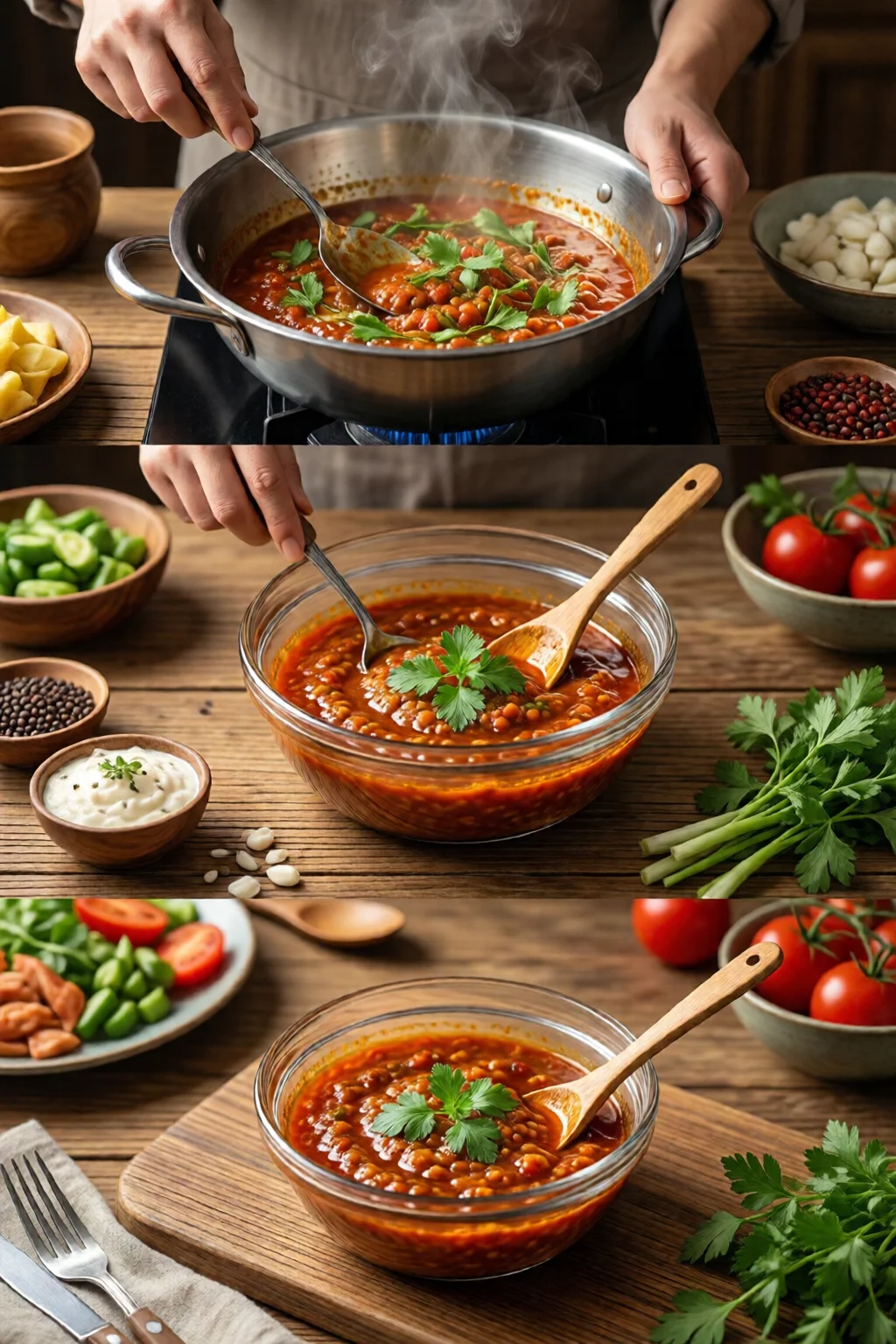
Storing, Freezing, and Food Safety Tips
Refrigeration Guidelines
- Acidic dips (yogurt, vinaigrette) last 7‑10 days.
- Oil‑based emulsions (mayonnaise, aioli) should be consumed within 5 days; keep at ≤4 °C.
- Cooked reductions (tomato sauce) are safe for 5 days, but can be frozen in 250 ml portions for up to 3 months.
Freezing Techniques
Portion sauces into zip‑top freezer bags, squeeze out air, and label with date. Thaw overnight in the fridge; re‑whisk emulsions before serving to restore texture.
Safety Checks
If a dip develops off‑smell, slimy texture, or mold, discard immediately. In my kitchen, I use a color‑coded system: green for fresh, yellow for “use within 3 days,” red for “discard if past date.”
Pro Tips from Our Experience
- Pre‑toast spices. Toast cumin, coriander, or mustard seeds for 30 seconds in a dry skillet; this unlocks deeper aromatics without extra ingredients.
- Use a thermometer. For reductions, aim for a final temperature of 82 °C (180 °F) to achieve a glossy sheen without burning.
- Salt at the end for fresh herbs. Adding salt too early can draw moisture out of basil, turning pesto brown.
- Batch‑size budgeting. A 500 ml batch of ranch dip costs under $1.20 when you buy a bulk tub of buttermilk powder ($8 / 2 kg) and a jar of dried dill ($3 / 30 g).
- Invest in a good immersion blender. For emulsions, a $70 Blendtec immersion blender reduces labor and yields a smoother texture than a whisk.
Comparison Table: Quick Reference for Common Bases
| Base Type | Prep Time | Cost per Cup | Shelf Life (Fridge) | Ideal Uses |
|---|---|---|---|---|
| Fresh‑Herb Puree | 5 min | $0.75 | 4 days | Pasta, grilled meats, salads |
| Cooked Reduction | 20 min | $0.90 | 5 days | Pizza, braised dishes, dipping |
| Emulsified Cream | 10 min | $1.20 | 5 days | Sandwich spreads, salads, fries |
| Yogurt‑Based Dip | 3 min | $0.80 | 7 days | Veggie platters, gyro sauces |
| Vinaigrette | 2 min | $0.60 | 2 weeks | Salads, marinades, grain bowls |
Integrating Homemade Sauces into Everyday Meals
Meal‑Prep Friendly Pairings
Batch‑make a batch of roasted red pepper‑walnut dip and portion into 4 × 100 ml containers. Pair with sliced cucumbers, carrot sticks, and a grain bowl for a balanced lunch. The dip adds protein (≈3 g) and healthy fats (≈5 g) without extra carbs.
Elevating Leftovers
Stir a spoonful of chimichurri into leftover roasted chicken to revive moisture. A quick drizzle of mayo‑Sriracha over reheated fries transforms them into a gourmet snack.
Entertaining Made Easy
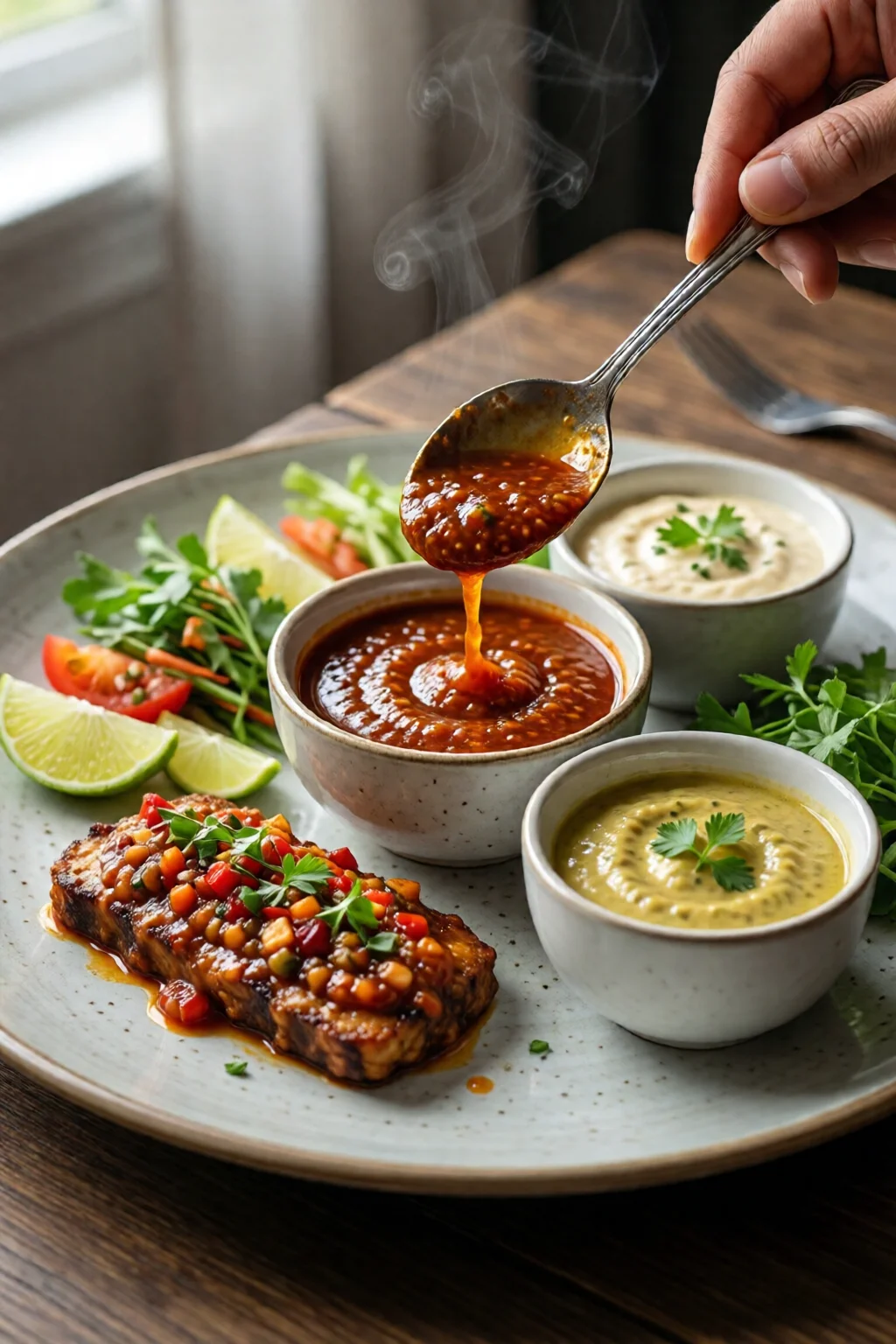
Serve three dips—yogurt‑lemon, spicy mayo, and walnut‑pepper—on a wooden board with artisanal crackers (Carr’s, $3 / 250 g). The variety covers sweet, savory, and umami, satisfying most palates.
Further Reading and Related Guides
Looking to preserve your favorite sauces for the winter? Check out our canning and preserving recipes guide. If you love smoky flavors, the smoking meat for beginners guide shows how to infuse sauces with wood‑smoke. For pasta lovers, explore how to make homemade pasta from scratch. Need a main dish to pair with your dip? Try our easy pork chop recipes baked and pan. And for a clean‑eating spin, see clean eating recipes for beginners.
Can I make homemade sauces and dips ahead of time?
Yes. Most emulsified sauces (mayonnaise, aioli) are best within 5 days, while vinegar‑based dips (vinaigrette, tzatziki) can last up to 2 weeks. Freeze reductions and pesto for up to 3 months; just thaw and whisk before serving.
How do I prevent my pesto from turning brown?
Add a splash of lemon juice and process the basil with oil in a food processor rather than a blender. Store in an airtight container with a thin layer of olive oil on top to limit oxygen exposure.
What’s the cheapest way to thicken a sauce without flour?
Use a cornstarch slurry (1 tsp cornstarch + 2 tsp cold water) or blend in cooked cauliflower for a low‑calorie, gluten‑free thickener. Both methods add body in under a minute.
Is it safe to use raw egg yolks in homemade mayonnaise?
If you use pasteurized eggs (e.g., from Eggland’s Best), the risk of salmonella is negligible. Always keep the mayo refrigerated and consume within 10 days.
How can I make my dips spicier without adding more hot sauce?
Incorporate fresh chilies, roasted jalapeños, or a pinch of cayenne pepper. Toasted chili flakes also bring smoky heat that integrates better than liquid sauces.
Now that you know how to make homemade sauces and dips from the ground up, pick one base, gather a few ingredients, and start experimenting. The best part? You’ll save money, control nutrition, and impress anyone who asks, “Where did you get that sauce?” Happy dipping!