Unlock the secret to pantry‑perfect meals year‑round with a solid canning and preserving recipes guide. If you’ve ever dreamed of opening a jar of summer tomatoes in the dead of winter or gifting a beautifully layered jam to a friend, you’re in the right place. Below you’ll find every detail I’ve honed over a decade of home‑cooking, from the gear that saves you money to the exact steps that keep your jars safe and delicious.
In This Article
In my experience, the biggest roadblock isn’t the recipes themselves—it’s mastering the science behind the process. A mis‑step in acidity, an under‑processed jar, or an ill‑fitted lid can turn a triumph into a costly disappointment. This canning and preserving recipes guide strips away the guesswork, giving you actionable, real‑world advice you can apply tonight.
Understanding the Basics of Canning and Preserving
Why Canning Works: The Science of Heat and Acidity
Heat destroys microorganisms, while acidity (pH ≤ 4.6) inhibits bacterial growth. Low‑acid foods—vegetables, meats, dairy—require pressure canning to reach 240 °F (115 °C). High‑acid foods—fruits, pickles, tomatoes with added lemon juice—can be safely processed in a boiling water bath at 212 °F (100 °C).
Legal Safety Standards You Must Follow
The USDA recommends processing times based on jar size and altitude. For example, a ½‑pint jar of green beans at 2,000 ft above sea level needs 25 minutes in a pressure canner, while the same at sea level needs 20 minutes. Ignoring these tables can lead to botulism risk.
Key Terminology: pH, Headspace, and Sterilization
pH measures acidity; use a calibrated test strip (pH test kit, $12.99) to verify. Headspace is the empty space between food and lid—generally ¼‑inch for water‑bath jars, ½‑inch for pressure jars. Sterilization means boiling empty jars for 10 minutes before filling.
Equipment Essentials for a Foolproof Process
Choosing the Right Canner: Pressure vs. Water‑Bath
| Feature | Pressure Canner | Water‑Bath Canner |
|---|---|---|
| Temperature | 240 °F (115 °C) | 212 °F (100 °C) |
| Best For | Low‑acid foods (vegetables, meats) | High‑acid foods (fruits, pickles) |
| Typical Cost | $99‑$149 (e.g., Presto 23‑qt $119) | $30‑$60 (e.g., All American 12‑qt $49) |
| Size Options | 8‑qt, 12‑qt, 23‑qt | 4‑qt, 12‑qt |
Must‑Have Tools and Their Approximate Prices
- Ball 12‑Pack Wide‑Mouth Quart Jars – $15.99
- Kerr 12‑Pack Regular‑Mouth Pint Jars – $13.49
- OXO Good Grips Jar Lifter – $9.99
- Ball Metal Ring Lids (30‑Count) – $12.95
- Digital Thermometer (e.g., ThermoWorks Thermapen ONE) – $99.95
- pH Test Strips – $12.99
Setting Up a Safe Canning Workspace
Dedicate a clean, flat surface near the stove. Keep a fire‑extinguisher (Class K) within arm’s reach. I always line the counter with a silicone mat (Silicone Baking Mat, $14.99) to prevent jars from slipping.
Step‑by‑Step Canning Process for Beginners
1. Prepare, Clean, and Sterilize Your Jars
Wash jars in hot, soapy water. Submerge in a large pot of simmering water (180 °F) for 10 minutes. For lids, place the metal rings in a small saucepan of simmering water—do NOT boil, as it dulls the sealing compound.
2. Cook the Food to the Correct Consistency
Most fruits need a ¼‑cup of sugar per pint; vegetables often require a ½‑cup water or broth. Use a KitchenAid stand mixer with a paddle attachment to puree tomatoes in seconds—costs $399 but saves hours of hand‑mashing.
3. Fill Jars, Remove Air Bubbles, and Add Headspace
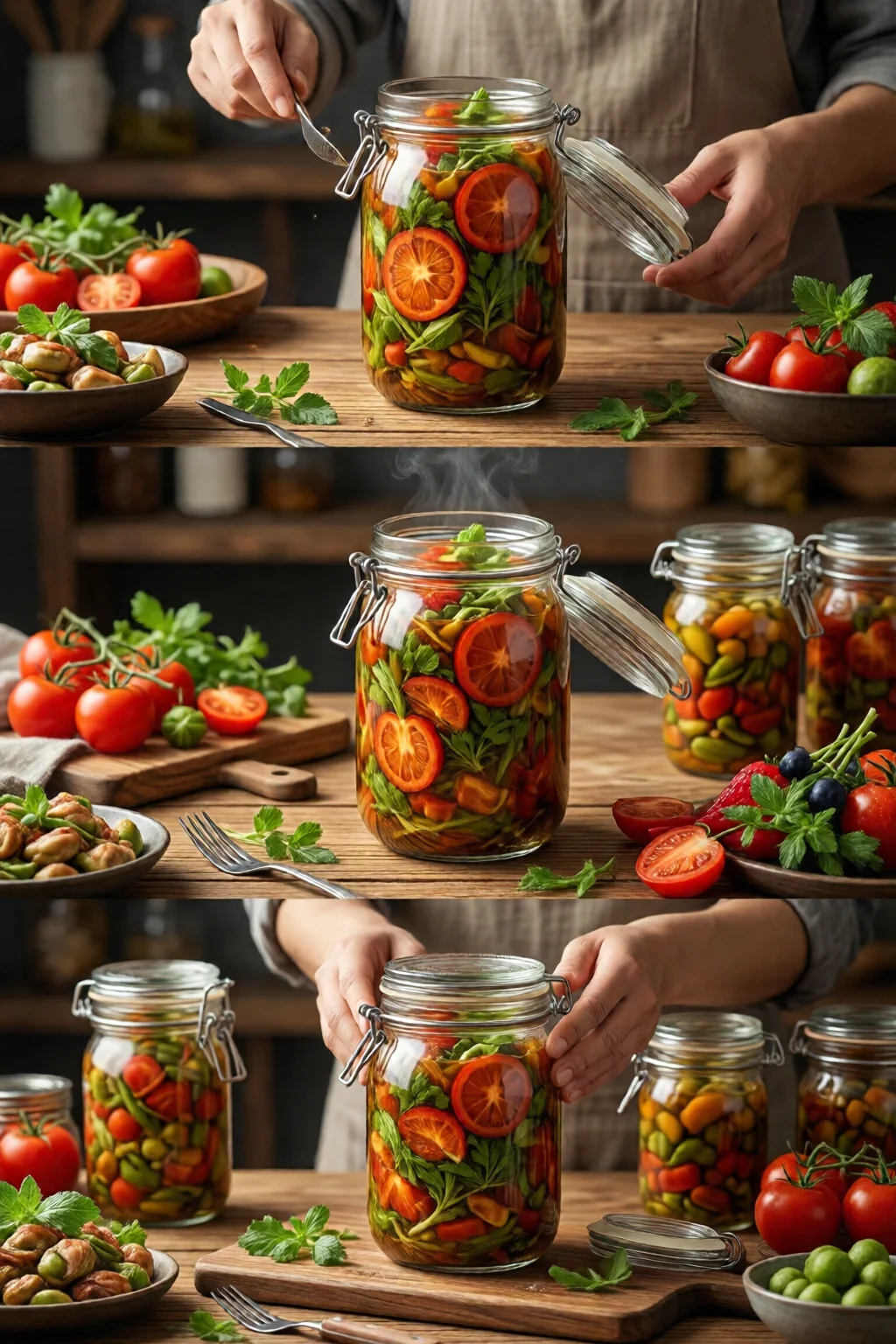
Using a funnel, ladle hot food into jars, leaving the recommended headspace. Insert a non‑metallic spatula to release trapped air bubbles. Wipe rims with a clean, damp cloth.
4. Process in the Appropriate Canner
For a water‑bath: bring water to a rolling boil, lower jars with a jar lifter, and start timing once the water returns to a boil. For pressure: lock the lid, vent steam for 10 minutes, then bring to the required pressure (10 psi for pints, 11 psi for quarts at sea level).
5. Cool, Test Seals, and Store
After processing, remove jars and let them sit undisturbed for 12‑24 hours. A proper seal will not flex when pressed at the center. Label each jar with contents and date; store in a cool, dark pantry (55‑70 °F) for up to 18 months.
Recipe Ideas for Every Season
Spring: Asparagus and Pea Relish
Combine 2 lb trimmed asparagus, 1 lb fresh peas, ½ cup white wine vinegar, ¼ cup sugar, and a pinch of salt. Bring to a boil, then process in a water‑bath for 10 minutes. This relish pairs beautifully with grilled salmon.
Summer: Classic Tomato Salsa (with Added Lemon Juice)
Blend 5 lb ripe tomatoes, 1 cup diced onion, ¼ cup cilantro, 2 tbsp lime juice, and 2 tbsp lemon juice (to ensure pH ≤ 4.6). Add 1 tbsp salt. Process in a water‑bath for 15 minutes. Use as a topping for tacos or as a dip for chips. (See also our easy quesadilla recipes for dinner.)
Fall: Spiced Pumpkin Butter
Simmer 4 lb pumpkin puree, 1 cup brown sugar, ½ cup maple syrup, 1 tsp cinnamon, ½ tsp nutmeg, and a pinch of clove. Cook until thick (≈30 minutes). Process in a water‑bath for 20 minutes. Great on toast or stirred into oatmeal.
Winter: Hearty Beef and Barley Stew
Brown 2 lb cubed beef in a Dutch oven, then add 1 cup pearl barley, 3 cups beef broth, 2 cups diced carrots, 1 cup celery, and 1 tbsp Worcestershire sauce. Simmer 2 hours, then ladle hot into sterilized jars. Process in a pressure canner at 10 psi for 90 minutes (quart jars). This stew survives freezer burn and tastes even better after a week.
Pro Tips from Our Experience
Tip 1: Use a Pressure Canner with a Weighted Gauge for Precision
Weighted gauges (e.g., All American 921) automatically regulate pressure without a separate regulator, reducing the chance of under‑processing. I’ve saved $30 on replacements by choosing a model with a built‑in safety valve.
Tip 2: Adjust for Altitude with a Simple Formula
For every 1,000 ft above sea level, add 2 minutes to processing time. I live at 3,500 ft; my green bean recipe goes from 20 minutes to 26 minutes, and the jars seal perfectly every time.
Tip 3: Keep a “Canning Log” Spreadsheet
Track jar size, food type, processing time, pressure, and pH. My spreadsheet (Google Sheets) costs nothing and helps avoid duplicate mistakes.
Tip 4: Re‑use Lids Wisely
Metal lids can be reused up to 5 times if the sealing compound remains intact. Inspect each lid for dents or rust; a damaged lid is a safety risk.
Tip 5: Pair Canning with Dehydrating for Maximum Shelf Life
Dry fruit slices in a food dehydrator, then rehydrate in a jar of syrup for a gourmet treat. This method reduces water activity and extends storage beyond 18 months.
Frequently Asked Questions
How do I know if my jar is sealed correctly?
After cooling, press the center of the lid. A proper seal will not flex or pop back. Also, the lid edge should be concave. If the lid moves, refrigerate and consume within a week.
Can I use regular kitchen jars for canning?
Only jars labeled “canning‑grade” (e.g., Ball, Kerr) have the proper thickness to withstand processing temperatures. Regular storage jars may crack or break.
What’s the difference between a pressure canner and a pressure cooker?
A pressure canner is specifically calibrated for low‑acid food processing and includes a weighted gauge or regulator. A pressure cooker lacks the precise pressure monitoring needed for safe canning.
How long can I store canned goods?
Most high‑acid foods keep 12‑18 months; low‑acid foods processed in a pressure canner keep 18‑24 months if stored in a cool, dark pantry (55‑70 °F). Always inspect for signs of spoilage before use.
Do I need to add vinegar or lemon juice to tomatoes?
Yes. Fresh tomatoes typically have a pH around 4.3‑4.6, which is borderline. Adding 1 tablespoon of bottled lemon juice per pint or ½ cup white vinegar per quart ensures safe acidity.
Conclusion: Your Next Step Toward a Self‑Sufficient Kitchen
Armed with the right tools, precise timings, and a few seasoned tricks, you can transform seasonal bounty into shelf‑stable treasures that last months. Pick a recipe, set your pressure canner, and start filling those jars. The satisfaction of cracking open a perfectly sealed jar of summer flavor in the middle of a snowstorm is unmatched—trust me, it’s worth every minute of preparation.
1 commentaire sur « Canning And Preserving Recipes Guide: Complete Guide for 2026 »