Ever wondered why some roasted vegetables turn out crisp, caramelized, and bursting with flavor while others end up soggy or unevenly cooked?
In This Article
- 1. Pick the Right Veggies and Cut Them Uniformly
- 2. Dry Them Thoroughly – Moisture Is the Enemy
- 3. Use a High Smoke‑Point Oil and Coat Evenly
- 4. Season Strategically – Not Just Salt and Pepper
- 5. Preheat the Oven and Use the Right Rack Position
- 6. Choose the Ideal Roasting Pan
- 7. Control Temperature and Time – The 425°F Rule
- 8. Finish with a Quick Broil for Extra Crunch
- 9. Add Acid or Fresh Herbs After Roasting
- 10. Store and Reheat Without Losing Texture
- Top Roasting Pans – Comparison Table
- Bonus: Pairing Roasted Veggies with Other Techniques
- Final Verdict
Mastering how to roast vegetables perfectly isn’t a secret reserved for chefs with industrial ovens—it’s a set of practical choices you can control at home. Below is the ultimate checklist, backed by a decade of kitchen experience, that guarantees you’ll get that golden‑brown edge and tender interior every single time.
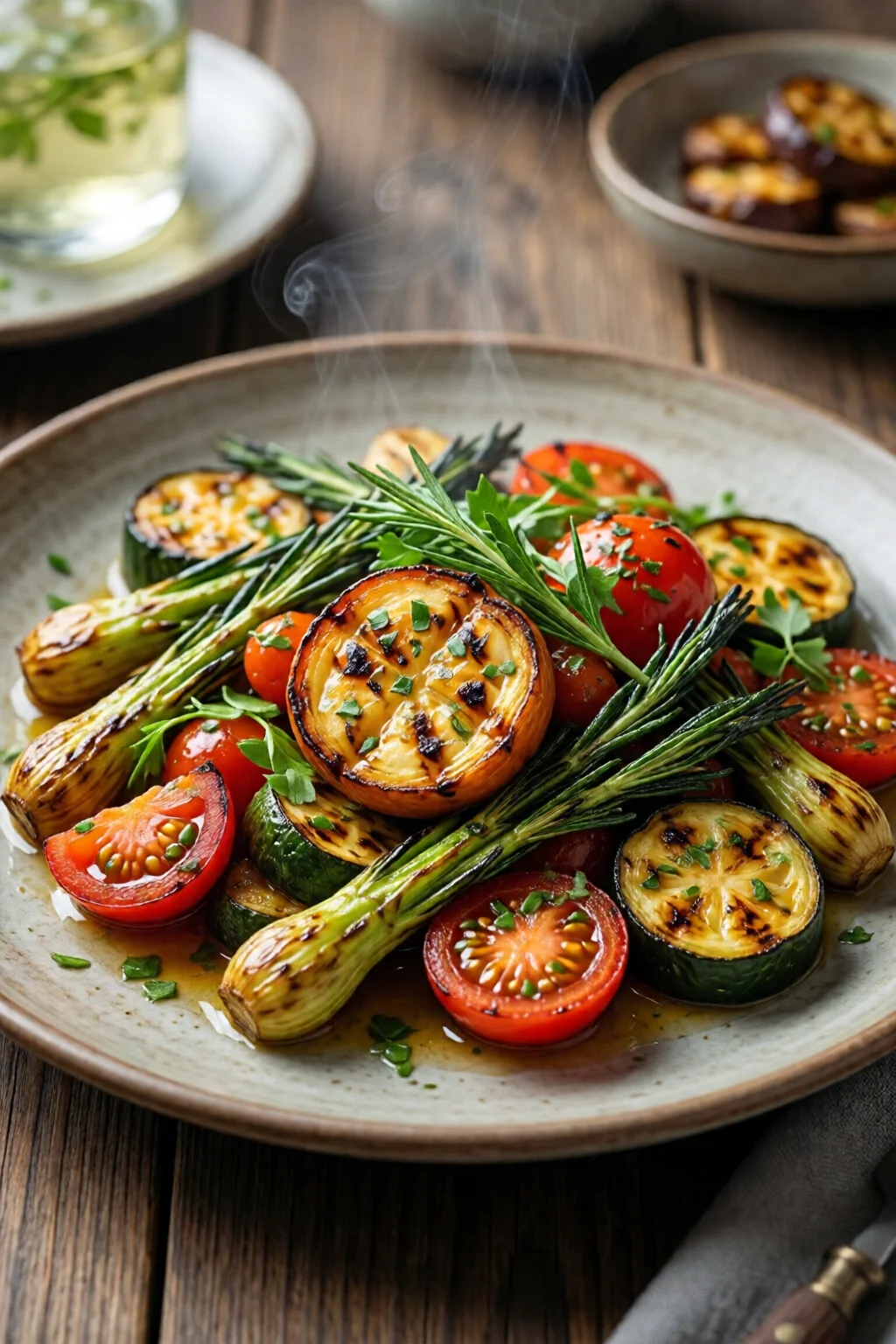
1. Pick the Right Veggies and Cut Them Uniformly
Root vegetables (carrots, parsnips, sweet potatoes) and denser crucifers (broccoli, cauliflower) thrive at high heat, while softer veggies (zucchini, bell peppers) can over‑cook quickly. Slice everything to a consistent size—usually ½‑inch to ¾‑inch thick. In my experience, a 1‑inch chunk of carrot will take about 25‑30 minutes at 425°F, whereas a ½‑inch piece finishes in 18‑20 minutes.
Pro tip: For mixed trays, group veggies by density and place the slower‑cooking ones on the outer edges of the pan.
2. Dry Them Thoroughly – Moisture Is the Enemy
After washing, pat each piece dry with a clean kitchen towel or a salad spinner. Even a tablespoon of excess water will steam the vegetables, preventing that coveted caramelization. One mistake I see often is tossing veggies straight from the sink into the oven; the result is a mushy, pale side dish.
3. Use a High Smoke‑Point Oil and Coat Evenly
Olive oil is flavorful but its smoke point (~375°F) can be limiting. I recommend a blend of ½ cup (120 ml) avocado oil (smoke point 520°F) plus 2 Tbsp (30 ml) extra‑virgin olive oil for taste. Drizzle over the veggies, then toss until every surface is glossy—this ensures even browning.
For a budget‑friendly option, the 16‑oz Bottles of Chosen Avocado Oil cost about $12 and last for dozens of roasts.
4. Season Strategically – Not Just Salt and Pepper
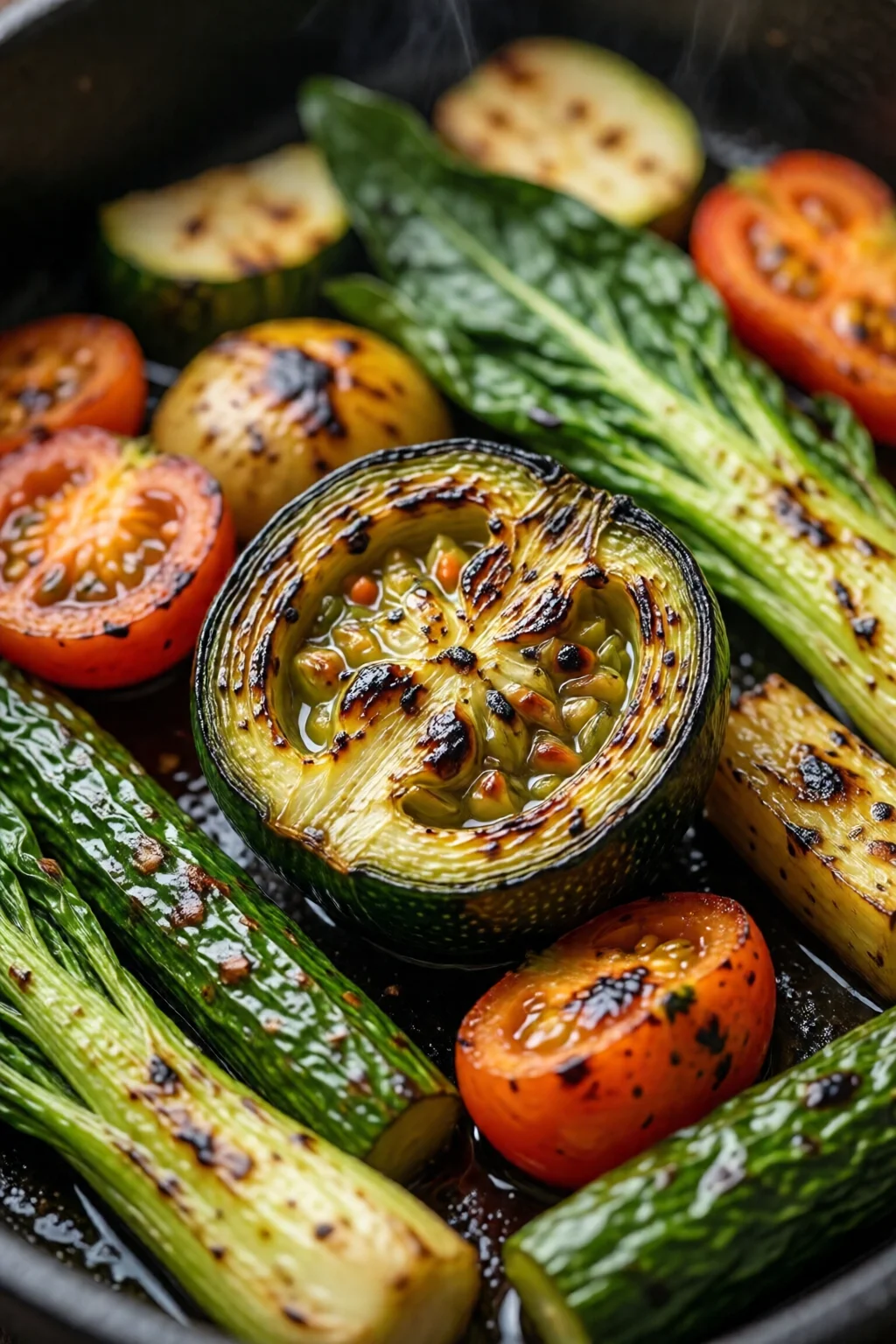
Seasoning is more than sprinkling salt. Combine 1 tsp (5 g) kosher salt, ½ tsp (2 g) freshly cracked black pepper, and a pinch of smoked paprika for depth. For a sweet‑savory twist, add 1 Tbsp (15 ml) maple syrup or honey. Toss again to coat.
Pro: The sugar helps with caramelization; Con: Too much can burn at high heat, so keep it under 1 Tbsp.
5. Preheat the Oven and Use the Right Rack Position
A properly preheated oven (425°F/220°C) is crucial. I use a digital oven thermometer (ThermoWorks ThermoPop, $29) to verify the true temperature. Place the rack in the middle so heat circulates evenly; a lower rack can cause the bottom to burn while the top remains pale.
6. Choose the Ideal Roasting Pan
A heavy-duty, low‑sided sheet pan promotes airflow. My go‑to is the Nordic Ware Natural Aluminum Commercial Baker’s Half Sheet (18×13 in, $39.99). Its aluminum conducts heat quickly, and the rim prevents juices from spilling onto the oven floor.
Other excellent options are listed in the comparison table below.
7. Control Temperature and Time – The 425°F Rule
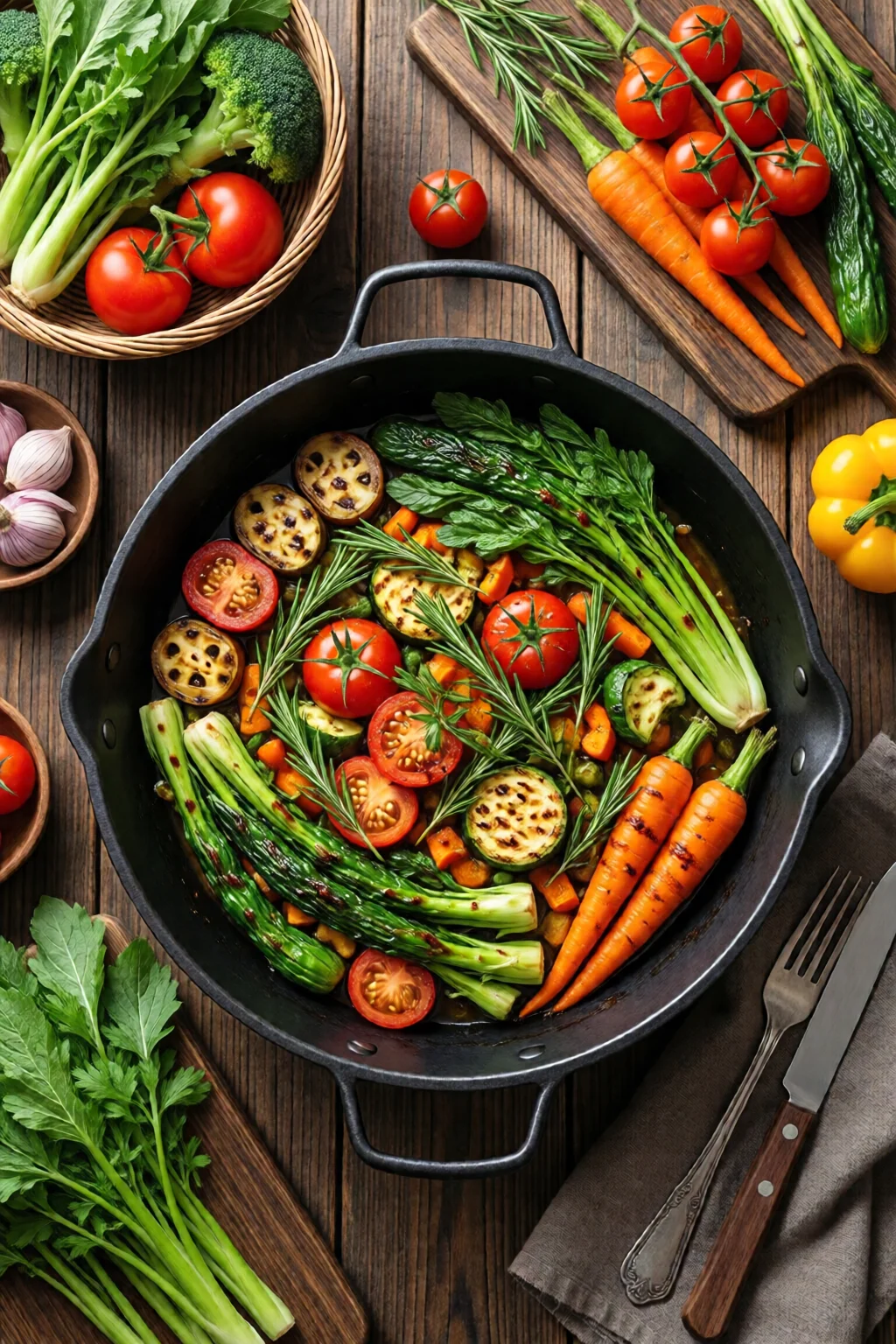
Most vegetables reach optimal caramelization at 425°F (220°C). Set a timer for 15‑20 minutes, then pull the pan out, give everything a quick toss, and return for another 10‑15 minutes. This two‑stage method prevents over‑cooking the edges while allowing the centers to soften.
For thinner veggies like asparagus, reduce the total time to 12‑14 minutes and finish with a 2‑minute broil for extra crispness.
8. Finish with a Quick Broil for Extra Crunch
When the veggies are tender and golden, switch the oven to broil for the last 2‑3 minutes. Keep a close eye—broilers can go from perfect to burnt in seconds. A quick broil adds that irresistible crunch you taste in restaurant‑style roasts.
9. Add Acid or Fresh Herbs After Roasting
Finish with a splash of lemon juice, a drizzle of balsamic reduction, or a handful of fresh herbs (thyme, rosemary, parsley). Acid brightens the flavors, while herbs add freshness. I like to toss the hot vegetables with 1 Tbsp (15 ml) fresh lemon juice and 1 tsp (5 g) chopped rosemary right before serving.
10. Store and Reheat Without Losing Texture
Cool roasted veggies to room temperature, then store in an airtight container in the fridge (up to 4 days). To reheat, spread them on a preheated sheet pan at 400°F for 5‑7 minutes—this revives the crisp exterior better than microwaving.
Top Roasting Pans – Comparison Table
| Pan | Material | Size (in) | Price (USD) | Rating (out of 5) | Pros | Cons |
|---|---|---|---|---|---|---|
| Nordic Ware Natural Aluminum Commercial Baker’s Half Sheet | Aluminum | 18×13 | 39.99 | 4.8 | Excellent heat conduction; lightweight; affordable | Not dishwasher safe |
| USA Pan Bakeware Half Sheet | Hard‑Anodized Aluminum | 18×13 | 49.95 | 4.7 | Non‑stick coating; sturdy rim | Higher price |
| Le Creuset Signature Roaster | Enameled Cast Iron | 16×13 | 199.00 | 4.9 | Retains heat; beautiful design | Heavy; expensive |
| All‑Clad Hard Anodized Roasting Pan | Hard Anodized | 17×12 | 89.99 | 4.6 | Durable; even heating | Medium weight |
| Lodge Cast Iron Roasting Pan | Cast Iron | 15×10 | 34.95 | 4.5 | Budget‑friendly; excellent sear | Requires seasoning |
Bonus: Pairing Roasted Veggies with Other Techniques
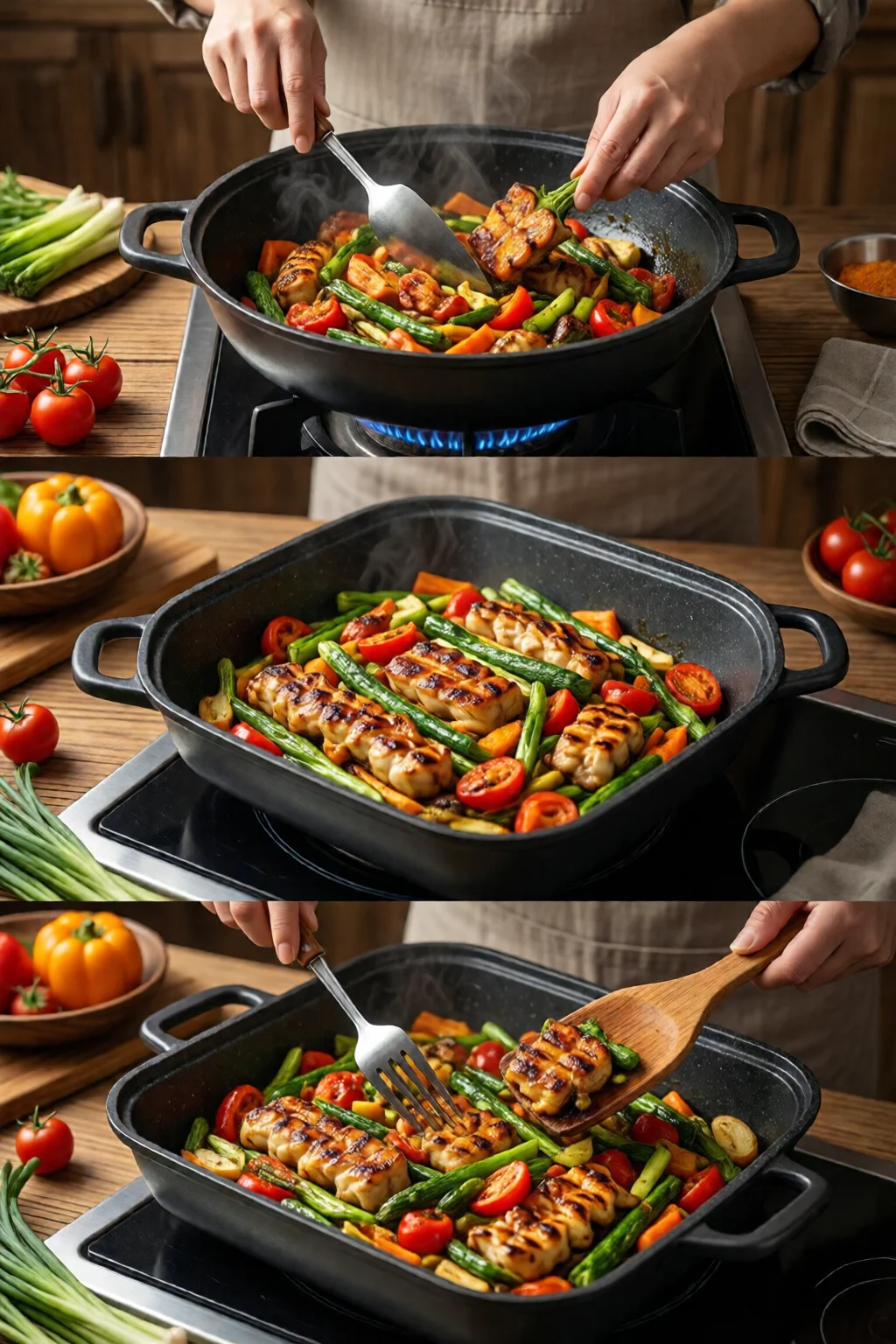
If you love the smoky flavor of a grill, try plancha grilling recipes and technique for a quick char before finishing in the oven. For a crunchy topping, dehydrate leftover roasted carrots using a food dehydrator, then grind into chips.
When you’re in a pinch, you can even transform roasted veggies into a hearty filling for easy pork chop recipes baked and pan or toss them into a slow‑cooker stew from our dump and go crockpot recipes collection.
Final Verdict
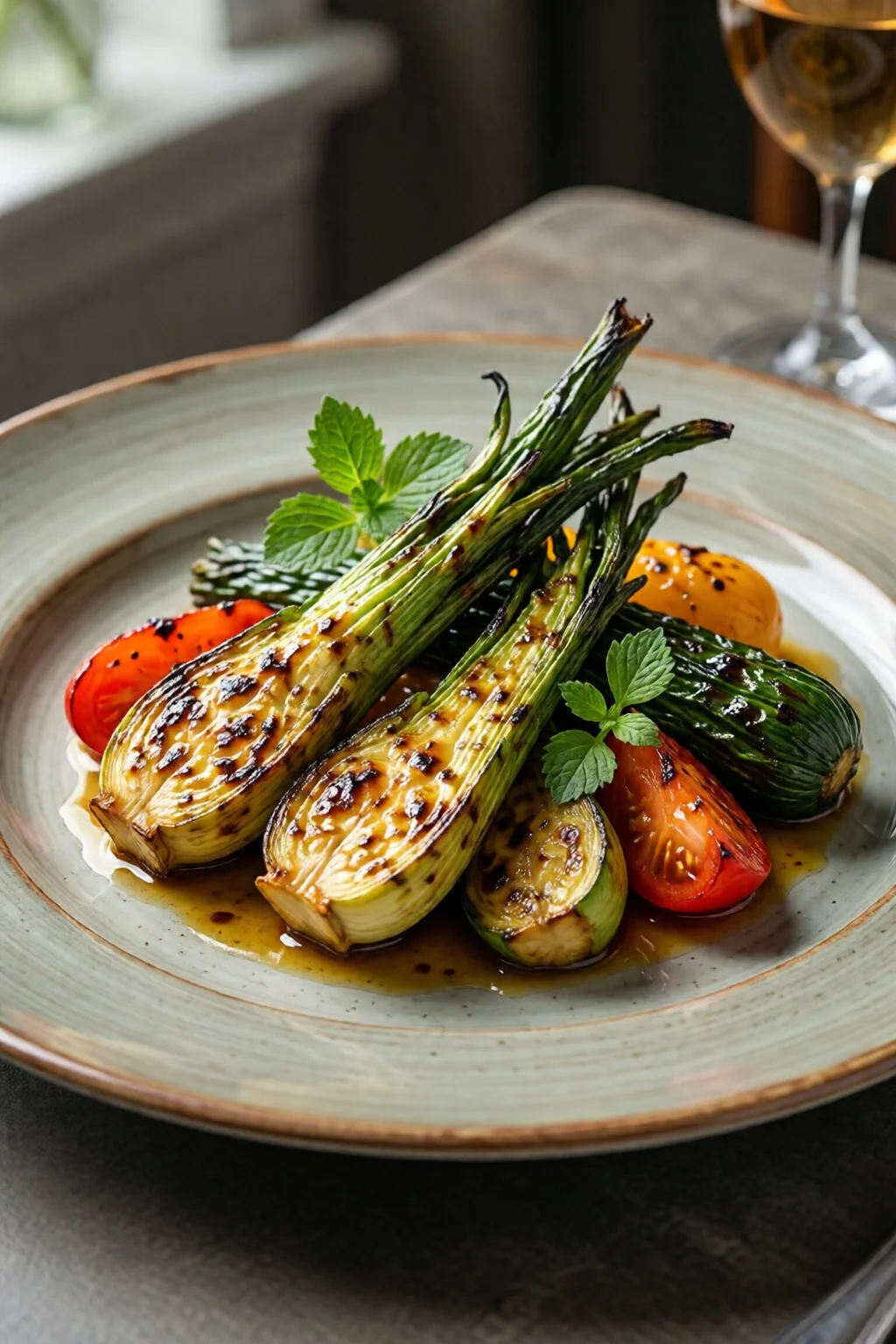
Roasting vegetables perfectly boils down to three core principles: dry, hot, and evenly spaced. By selecting the right cut, drying thoroughly, using a high smoke‑point oil, and employing a heavy‑duty sheet pan at 425°F, you’ll achieve that restaurant‑grade caramelization every time. Remember to finish with a quick broil, fresh herbs, and a splash of acid for brightness. With the right tools—especially a quality roasting pan—you’ll turn simple produce into a star side dish that dazzles at any dinner.
What temperature is best for roasting most vegetables?
A hot oven around 425°F (220°C) gives the ideal balance of caramelization and tenderness for most vegetables. Adjust down to 400°F for delicate items like asparagus or zucchini.
Can I use olive oil instead of avocado oil?
Yes, but use a blend: combine 2 Tbsp olive oil with 2 Tbsp avocado oil to raise the smoke point while keeping olive’s flavor.
How do I store roasted vegetables so they stay crispy?
Cool them completely, then store in a single layer inside a vented container. Reheat on a preheated sheet pan at 400°F for 5‑7 minutes rather than microwaving.
Do I need to toss the vegetables midway?
Yes. A quick toss at the halfway point (about 15‑20 minutes) ensures even browning and prevents one side from steaming.