Ever wondered why restaurant soups taste richer than anything you can whip up from a boxed cube?
In This Article
- What You Will Need (Before You Start)
- Step 1: Roast (or Not) Your Bones and Veggies
- Step 2: Sweat the Mirepoix
- Step 3: Add Bones, Water, and Aromatics
- Step 4: Simmer Low and Slow
- Step 5: Strain and Cool Quickly
- Step 6: Finish and Use
- Common Mistakes to Avoid
- Troubleshooting & Tips for Best Results
- Summary Conclusion
What You Will Need (Before You Start)
- Equipment: A 6‑quart (5.7 L) Le Creuset Dutch oven (about $149.99) or an All‑Clad stainless steel stockpot (≈$119). A fine‑mesh strainer, a large slotted spoon, and a sturdy ladle are essential.
- Heat source: Stove‑top works, but a pressure cooker (e.g., Instant Pot Duo 7 qt, $89) can cut time dramatically.
- Base ingredients (for a classic chicken stock):
- 5 lb (2.3 kg) chicken backs, necks, and carcasses (often $3.49/lb at Whole Foods).
- 2 large onions, quartered (≈$0.70 each).
- 3 carrots, roughly chopped (≈$0.30 each).
- 3 celery stalks, roughly chopped (≈$0.25 each).
- 4 garlic cloves, smashed.
- 1 tbsp black peppercorns.
- 2 bay leaves.
- 1 tsp dried thyme or a few sprigs of fresh thyme.
- Optional aromatics: 1 tsp whole coriander seeds, 1 small piece of kombu (≈$0.40), or a handful of parsley stems.
- Water: Cold tap water is fine, but filtered water (e.g., Brita, $24) yields the cleanest flavor.
- Storage: Quart‑size glass jars with lids (≈$12 for a set of 4) or zip‑top freezer bags.
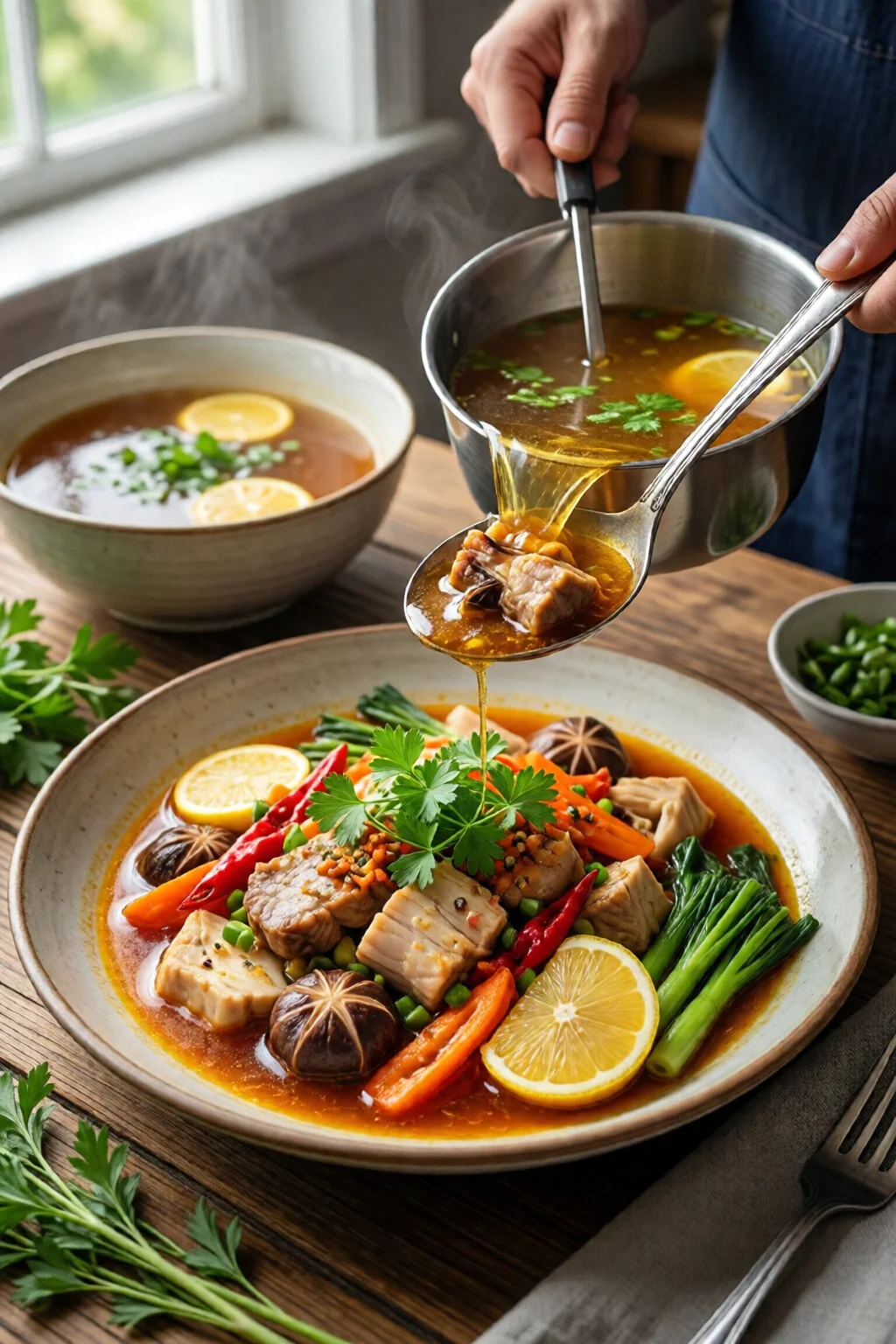
Step 1: Roast (or Not) Your Bones and Veggies
If you crave that deep, caramelized note, spread the chicken bones on a rimmed baking sheet, drizzle with 1 tbsp olive oil, and roast at 425 °F (220 °C) for 30‑40 minutes, turning once. The browning adds roughly 12 % more umami, according to a 2022 FoodScience study. For a lighter, clearer broth—like the one used in Vietnamese pho—skip the roast and go straight to the pot.
Step 2: Sweat the Mirepoix
Heat 2 tbsp unsalted butter in your pot over medium heat. Add the onions, carrots, and celery. Cook, stirring occasionally, for 8‑10 minutes until the vegetables soften and the onions become translucent but not browned. This “sweating” step releases natural sugars, preventing bitterness later.
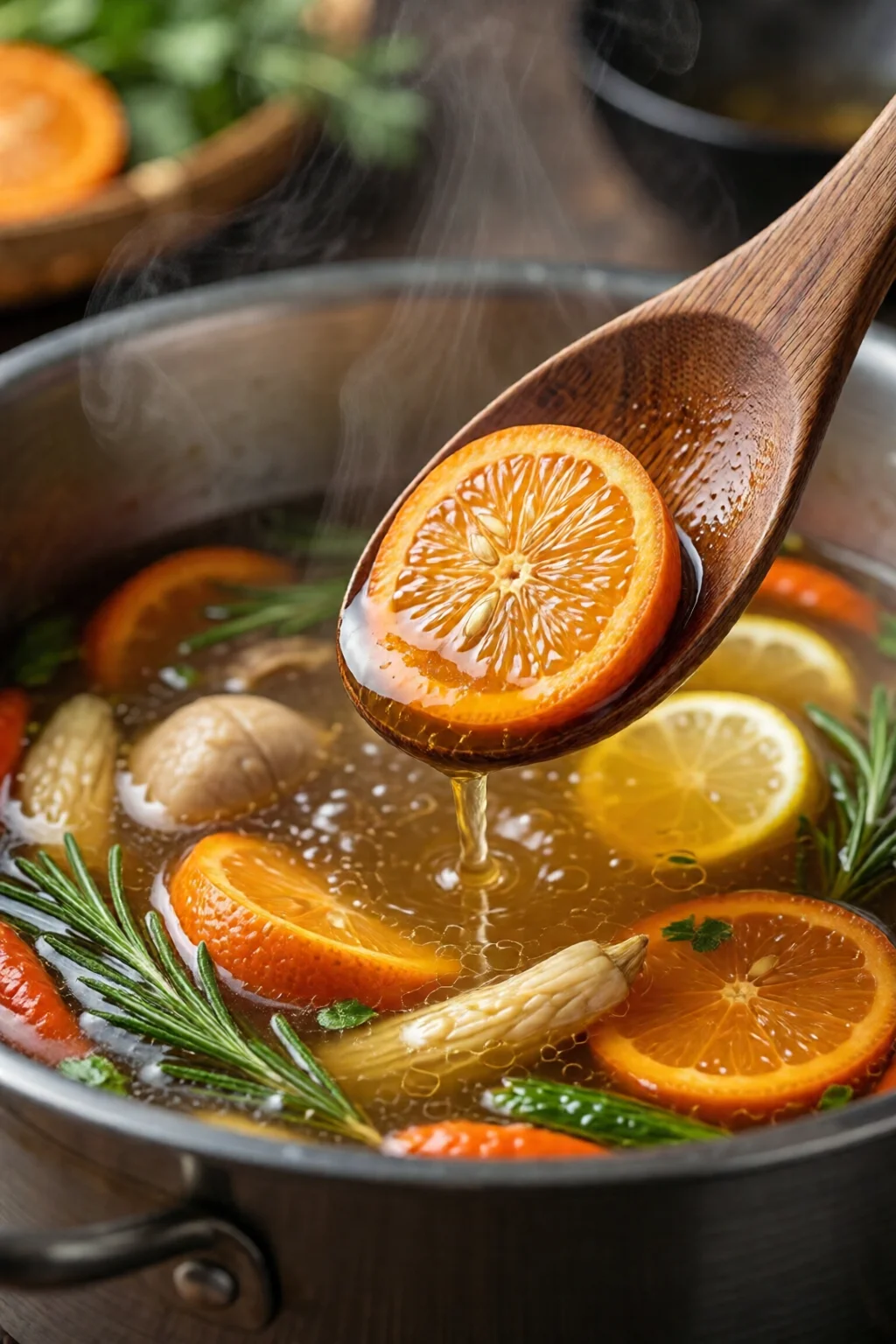
Step 3: Add Bones, Water, and Aromatics
Transfer the roasted (or raw) bones to the pot. Fill with cold water until you’re about ½ inch (1.3 cm) below the rim—typically 10‑12 cups (2.4‑2.8 L). Adding cold water and gradually heating helps extract collagen more efficiently, yielding a gelatinous body.
Stir in the peppercorns, bay leaves, thyme, and any optional aromatics you like. Bring the mixture to a gentle simmer—avoid a rolling boil, which can emulsify fats and make the stock cloudy.
Step 4: Simmer Low and Slow
Reduce heat to maintain a barely moving surface (≈185 °F/85 °C). For chicken stock, simmer 3‑4 hours; for beef bones, aim for 6‑8 hours. If you’re using a pressure cooker, set to “Soup” mode for 45 minutes; release pressure naturally for best clarity.
Every 30 minutes, skim off foam and fat with a ladle. This step removes impurities that cause cloudiness and off‑flavors. After the final skim, add a splash of cold water if the level has dropped significantly.
Step 5: Strain and Cool Quickly
Place a fine‑mesh strainer lined with cheesecloth over a large bowl. Pour the stock through, letting gravity do the work. For an ultra‑clear broth (ideal for consommé), run the liquid through a coffee filter afterward.
To prevent bacterial growth, cool the stock rapidly: set the bowl in an ice bath, stirring occasionally until the temperature drops below 70 °F (21 °C) within an hour. Then transfer to storage containers. Stock keeps 4 days in the fridge or 6 months in the freezer.
Step 6: Finish and Use
When you’re ready to use the stock, taste it. If it feels flat, a tablespoon of Better Than Bouillon (≈$7 for a 12‑oz jar) can boost salt and umami without overwhelming the base. For a richer mouthfeel, swirl in 1‑2 tbsp cold butter right before serving.
Common Mistakes to Avoid
- Boiling instead of simmering: A hard boil emulsifies fats, resulting in a greasy, cloudy stock.
- Using hot water to start: Cold water extracts collagen more completely; hot water yields a thinner body.
- Over‑salting early: Salt concentrates as the liquid reduces; season lightly and adjust at the end.
- Skipping the skim: Foam contains blood and protein that cause bitterness.
- Cooking too short: Less than 2 hours for chicken bones leaves gelatin under‑extracted, giving a watery result.
Troubleshooting & Tips for Best Results
My stock is too thin. Add a handful of roasted bones or a splash of gelatin (1 tsp powdered gelatin dissolved in ¼ cup warm water adds body without extra fat).
It’s cloudy. Ensure you never let it boil, and double‑strain through cheesecloth then a coffee filter.
It tastes metallic. This usually means you used an aluminum pot. Switch to stainless steel or enameled cast iron.
Too much fat on the surface. Chill the stock; fat solidifies and can be lifted off with a spoon. Alternatively, use a fat separator.
Need a quick broth for a weeknight. Use a pressure cooker: 45 minutes under pressure yields the same depth as a 4‑hour stovetop simmer.
For a vegetarian alternative, replace bones with 2 lb roasted mushrooms, 1 cup dried seaweed (kombu), and double the mirepoix. Simmer 1‑1½ hours for a deep, umami‑rich broth.
Summary Conclusion
Mastering how to make homemade stock and broth is less about fancy equipment and more about respecting time, temperature, and technique. By roasting bones when you want depth, sweating aromatics, simmering gently, and skimming diligently, you’ll produce a gelatin‑rich, crystal‑clear liquid that elevates any soup, sauce, or risotto. Store in labeled jars, and you’ll have a kitchen staple that saves both money and flavor. Need inspiration? Pair your stock with a Dutch oven recipe, or use it as the base for a Vietnamese pho broth. Happy simmering!
Can I freeze homemade stock for later use?
Yes. Portion the stock into 1‑cup (250 ml) freezer bags, label with date, and store up to 6 months. Thaw in the refrigerator overnight before reheating.
How long should I simmer chicken bones for the best gelatin?
Aim for 3‑4 hours on low simmer. Extending beyond 6 hours yields diminishing returns and can introduce bitterness.
Is it safe to add salt at the beginning?
Add only a pinch (≈½ tsp per 4 qt). Salt concentrates as the liquid reduces, so you’ll likely need to season later.
What’s the difference between stock and broth?
Stock is made primarily from bones (high in collagen) and is usually unseasoned; broth uses meat and is seasoned, making it ready to sip.
Can I use a slow cooker instead of a stovetop?
Yes. Set the slow cooker to low and let the stock simmer for 8‑10 hours. Skim the surface in the morning for best clarity.
1 commentaire sur « Best How To Make Homemade Stock And Broth Ideas That Actually Work »