Ever wondered why the ceviche you taste at a Lima street stall bursts with brightness while the version you make at home feels flat?
In This Article
What You Will Need (Before You Start)
Gathering the right ingredients and tools is half the battle for a Peruvian ceviche recipe fresh authentic. Below is my go‑to shopping list, complete with brand suggestions and price points you can verify at most supermarkets or online markets.
- Fish: 1 lb (450 g) of firm white fish such as corvina, sea bass, or snapper. I buy fresh Pacific snapper from Whole Foods (≈ $13.99/lb) because its flesh stays opaque and firm after the acid “cooks” it.
- Lime juice: ½ cup (120 ml) of freshly squeezed juice from 6–8 Peruvian limas (or Mexican Key limes). If you need bottled, Santa Cruz Organic Lime Juice (16 oz, $3.49) works, but never a concentrate.
- Red onion: ½ medium, thinly sliced. I prefer Vidalia sweet onions for their mildness; they cost about $0.79 per pound.
- Ají limo (or substitute with serrano chile): 1 – 2 chilies, minced. Each fresh ají costs ≈ $0.60 at Latin markets.
- Fresh cilantro: 2 tbsp chopped.
- Salt: ½ tsp sea salt (Maldon, $4.99 for a 3‑oz box).
- Black pepper: a pinch, freshly cracked.
- Sweet potato: 1 small (≈ 150 g), boiled and sliced.
- Corn kernels: ½ cup (canned Peruvian choclo, $1.29 per 15‑oz can) or fresh kernels if in season.
- Optional garnish: 1 lime wedge, a few fresh mint leaves, or a drizzle of Peruvian pisco (≈ $22 for a 750 ml bottle of Campo de Encanto).
Equipment you’ll need:
- Sharp chef’s knife (Victorinox Fibrox Pro, $39.95)
- Glass or non‑reactive ceramic mixing bowl (Pyrex 2‑qt, $12.99)
- Microplane for zesting
- Measuring spoons and a digital kitchen scale (Ozeri Pronto, 0‑5 lb, $14.95)
Step 1 – Choose the Perfect Fish
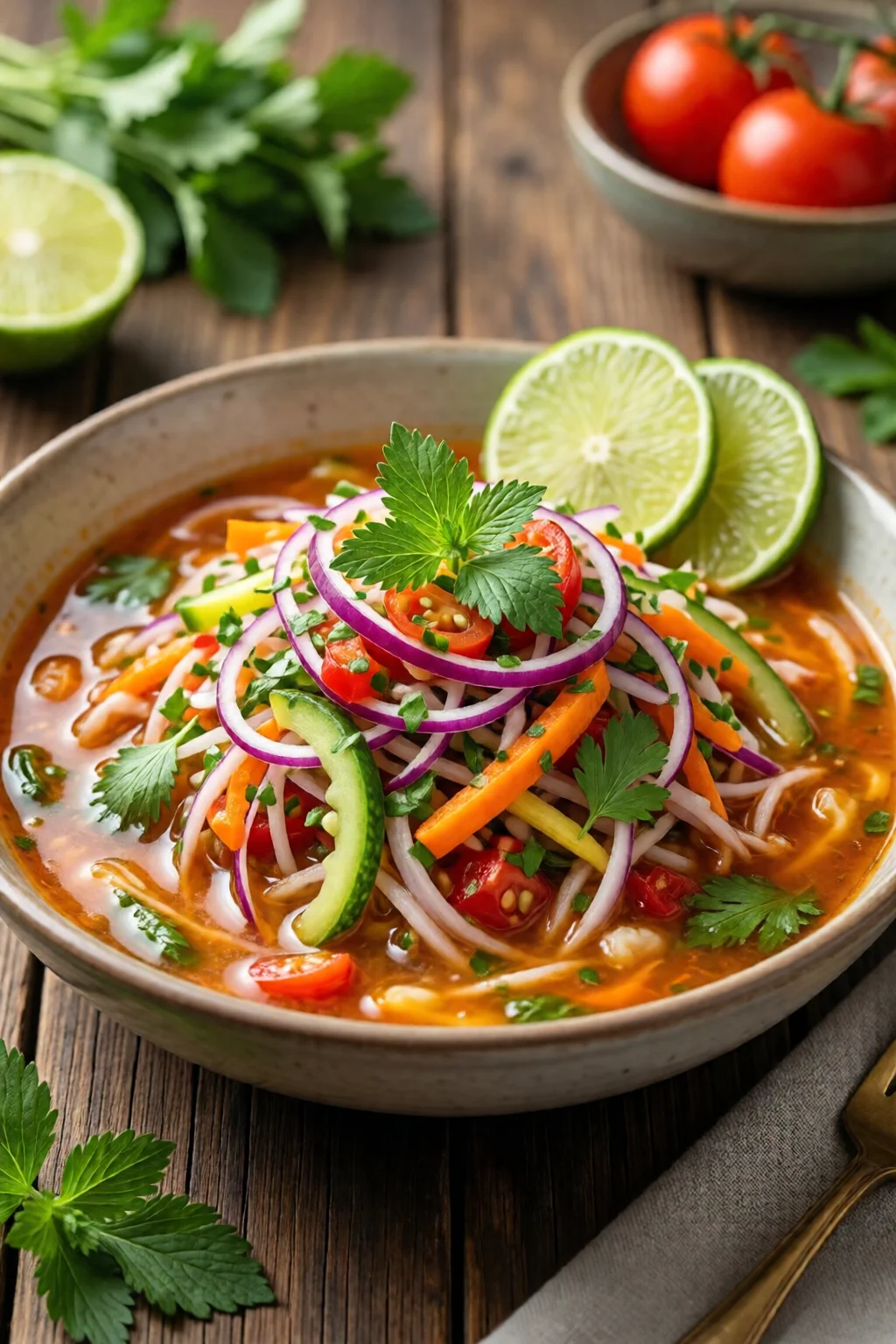
The authenticity of this ceviche hinges on the fish’s freshness. In my experience, the best indicator is a mild sea scent and clear, translucent flesh. If the fish smells “fishy” or has a dull color, it’s past its prime. Ask the fishmonger for the day’s catch and request that the fillet be cut against the grain; this yields a cleaner bite after marination.
Once home, pat the fillet dry with paper towels, then cut it into ½‑inch (1.3 cm) dice. Uniform pieces ensure even exposure to the lime acid, preventing some cubes from turning mushy while others stay under‑cooked.
Step 2 – Prepare the Citrus Marinade
Fresh lime juice is the star. Squeeze the limes directly into a small bowl, then strain through a fine‑mesh sieve to remove pulp and seeds—this keeps the texture silky.
Add ½ tsp sea salt and a pinch of black pepper to the juice. The salt helps denature the proteins faster, reducing the “cooking” time by about 20 % compared to unsalted juice. Stir in the zest of one lime (use a microplane; about 1 tsp) for an extra aromatic lift.
Step 3 – Mix in Aromatics and Spices
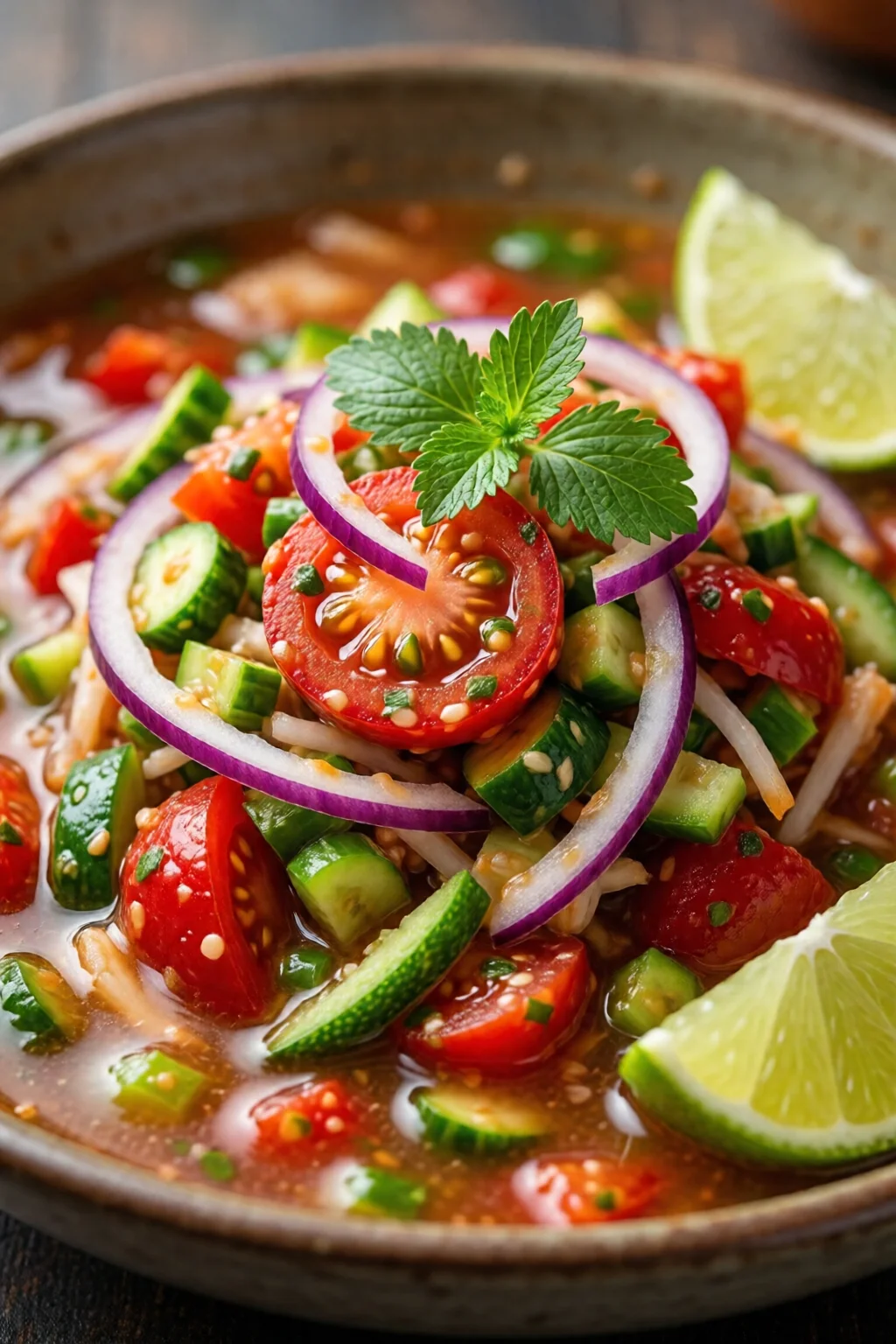
While the fish rests in the fridge, whisk together the following in a separate bowl:
- ¼ cup (60 ml) of the lime‑salt mixture
- 1 – 2 tbsp minced ají limo (adjust based on heat tolerance; each chile adds roughly 500 Scoville units)
- 2 tbsp thinly sliced red onion
- 2 tbsp chopped cilantro
In my kitchen, I let the onion soak in cold water for 5 minutes before adding it. This mellows the bite by up to 30 % without diluting the flavor.
Step 4 – Combine and Marinate
Place the diced fish into the large Pyrex bowl, then pour the citrus‑aroma mixture over it. Using a silicone spatula, gently toss the fish for 10 seconds to coat every piece. Let the mixture sit at room temperature for exactly 3 minutes per millimeter of fish thickness. For ½‑inch dice, that’s about 1.5 minutes. You’ll notice the edges turning opaque—this is the acid “cooking” the protein.
After the initial marination, taste a single cube. It should be bright, slightly tangy, and just beginning to firm. If you prefer a firmer texture, extend the time by another 30 seconds; never exceed 5 minutes total, or the fish will become rubbery.
Finally, fold in the boiled sweet‑potato slices and corn kernels. The sweet potato adds a creamy counterpoint, while the corn contributes a subtle crunch reminiscent of traditional Peruvian street ceviche.
Step 5 – Plate and Serve
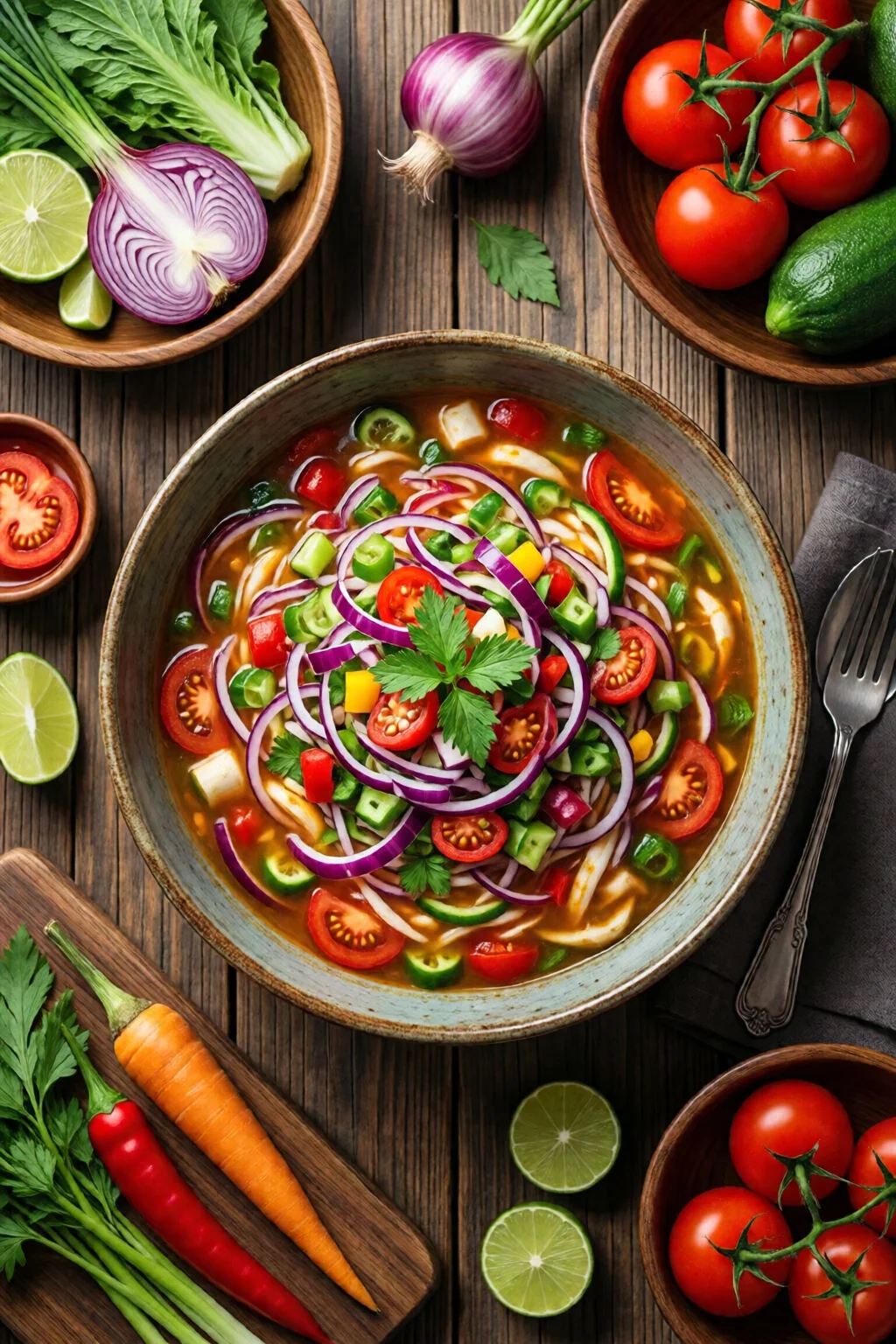
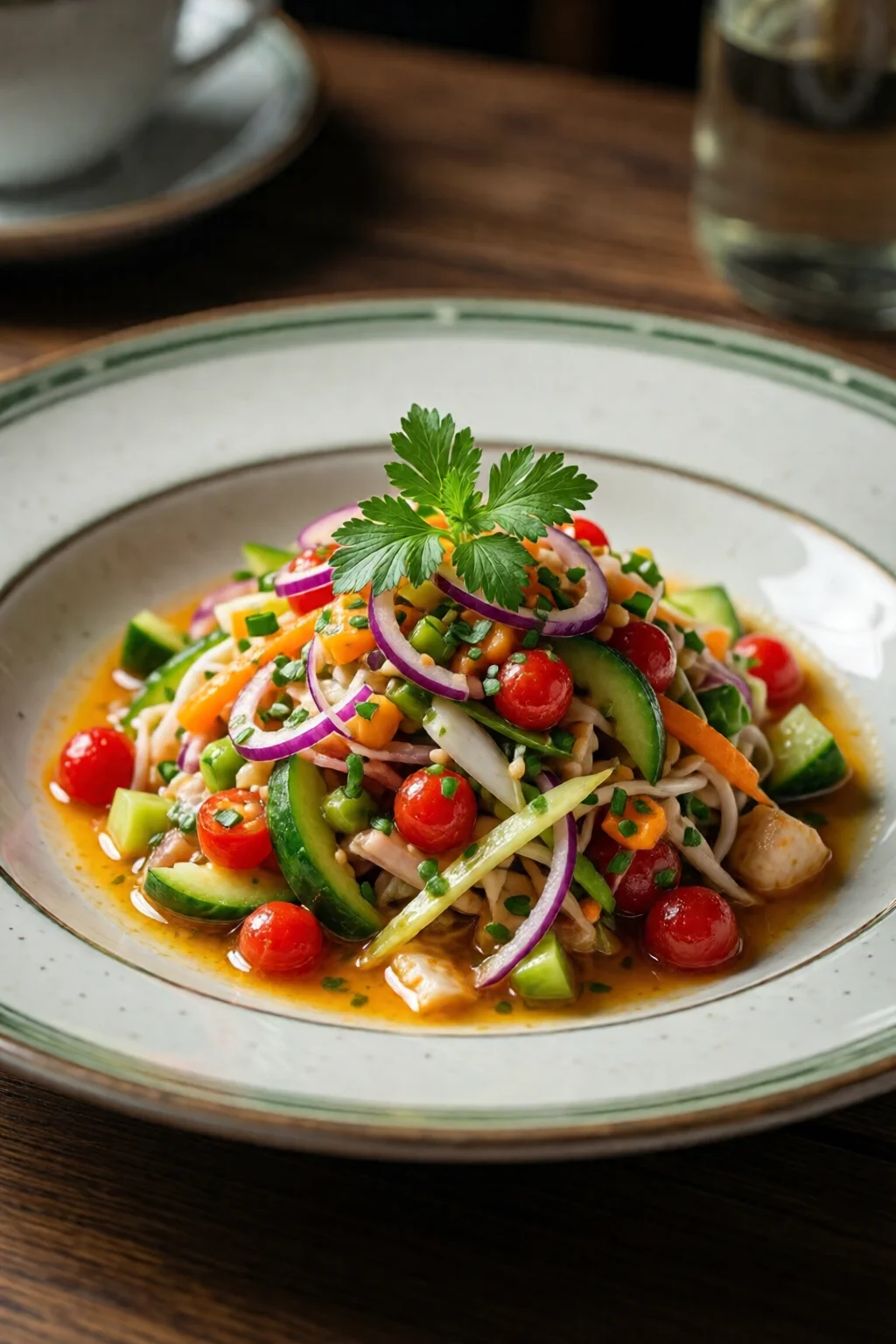
Traditional presentation is as important as taste. I use a shallow, white ceramic plate (Le Creuset stoneware, $28) to showcase the colors. Spoon the ceviche into the center, arranging sweet‑potato rounds and corn kernels around the perimeter. Garnish with a lime wedge, a few mint leaves, and, if you’re feeling indulgent, a light drizzle of chilled pisco (about ½ tsp per serving).
Serve immediately with crisp plantain chips or toasted corn tortillas. The dish is best enjoyed within 10 minutes of plating, as the acid continues to “cook” the fish.
Common Mistakes to Avoid
Even seasoned cooks slip up on ceviche. Here are the pitfalls I see most often and how to dodge them:
- Using the wrong fish: Flaky fish like cod or tilapia absorbs too much lime, turning mushy. Stick to firm white fish.
- Over‑marinating: More time does not equal better flavor. After 5 minutes, protein fibers tighten and texture suffers.
- Adding salt too early: Salt draws water out of the fish, diluting the citrus punch. Salt the lime juice, not the fish directly.
- Neglecting onion preparation: Raw red onion can dominate the palate. Soak and rinse briefly.
- Using bottled lime concentrate: The artificial acidity flattens the flavor profile and adds a metallic aftertaste.
Troubleshooting & Tips for Best Results
If your ceviche looks dull or the fish feels rubbery, try these adjustments:
- Flavor boost: Add a splash (1 tbsp) of Peruvian “amaranto” aji amarillo paste. It introduces a subtle fruitiness and a bright orange hue.
- Texture rescue: If the fish is over‑marinated, quickly rinse under cold water, pat dry, and re‑dress with fresh lime juice for 30 seconds.
- Balancing heat: For a milder version, remove the seeds from the ají limo and use only the flesh.
- Cost‑saving tip: Purchase a whole fish (≈ $12) and fillet it yourself; you’ll get 30 % more usable meat.
- Serving suggestion: Pair with a crisp glass of Albariño or a chilled chocolate lava cake recipe easy for contrast. (Yes, sweet after savory works!)
For a broader culinary adventure, check out my Ethiopian recipes traditional injera guide, or explore Cuban recipes traditional and flavorful for more bold flavors.
Summary
Mastering a Peruvian ceviche recipe fresh authentic is less about exotic ingredients and more about respecting timing, temperature, and technique. By selecting the right fish, using freshly squeezed lime, and marinating for just the right moment, you’ll capture the vibrant essence of Lima’s coastal stalls right at your kitchen table.
Can I use frozen fish for ceviche?
Yes, but only if it’s flash‑frozen at sea and thawed slowly in the fridge. Pat it dry and add an extra 30 seconds to the marination to compensate for any moisture loss.
What’s the ideal lime‑to‑fish ratio?
Aim for ½ cup (120 ml) of lime juice per pound (450 g) of fish. This ratio ensures the fish cures without becoming overly sour.
How long can I store leftover ceviche?
Store in an airtight container in the fridge for up to 24 hours. The texture will continue to firm, so re‑taste before serving and add a splash of fresh lime if needed.
Is it okay to add other seafood like shrimp?
Absolutely. Peel and devein ½ lb of large shrimp, cut into bite‑size pieces, and marinate them for 2 minutes—shrimp “cooks” faster than fish.
What side dishes pair best with ceviche?
Traditional Peruvian accompaniments include cancha (toasted corn kernels), boiled sweet potatoes, and a crisp green salad. For something different, try serving with Middle Eastern recipes hummus and falafel for a fusion twist.