Did you know that the global market for hummus alone topped $2.5 billion in 2023, with sales jumping 12 % year‑over‑year? That surge isn’t just a fad—people are craving authentic, creamy dips and crunchy chickpea bites that have fed families across the Levant for centuries. If you’ve typed “Middle Eastern recipes hummus and falafel” into Google, you’re probably after two things: a fool‑proof, restaurant‑quality hummus that stays smooth for days, and falafel that crackles on the outside while staying fluffy inside. Below you’ll find the exact steps, tools, and insider hacks I’ve refined over a decade of cooking in both home kitchens and street‑food stalls.
In This Article
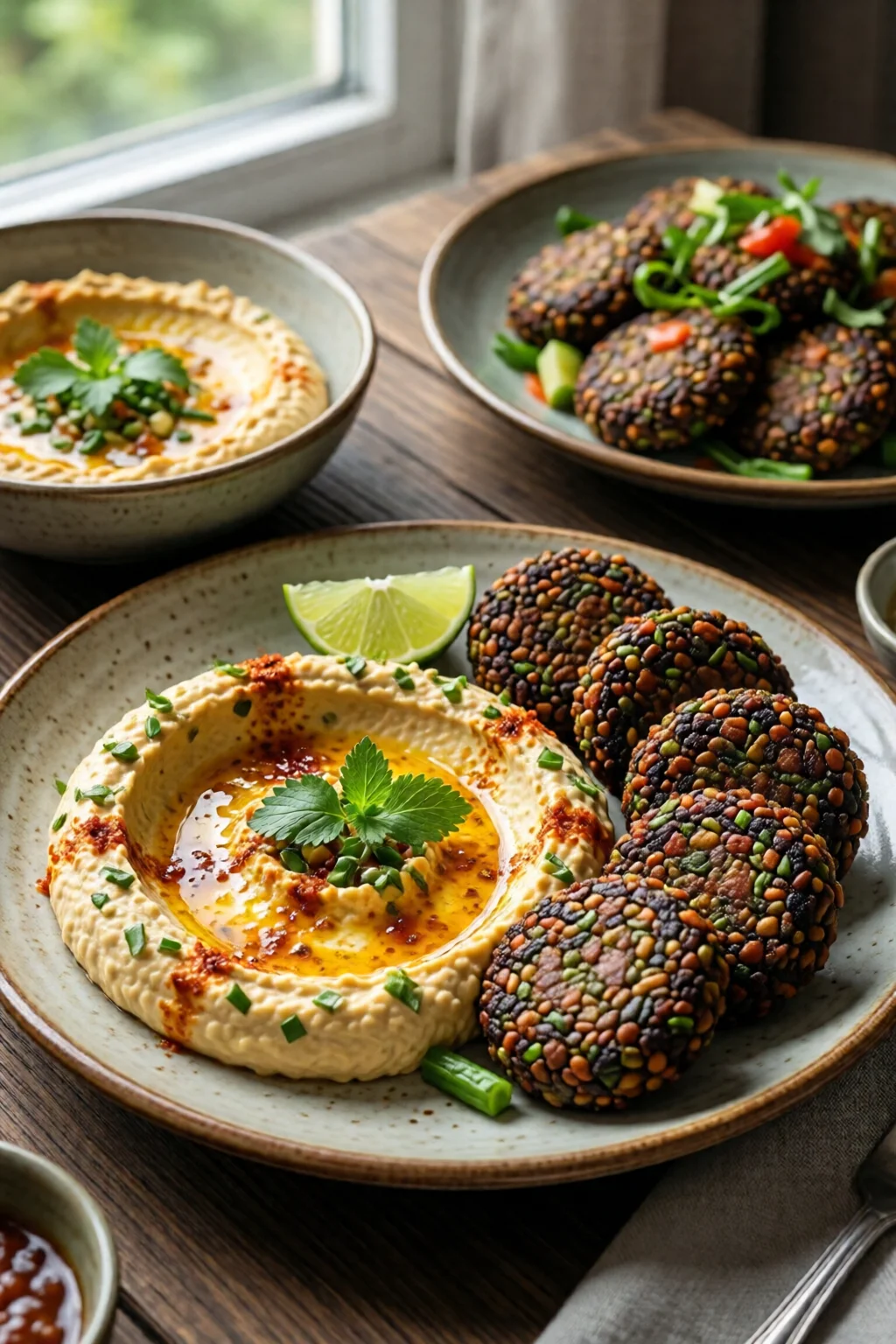
Essential Ingredients & Gear
Choosing the Right Chickpeas
For hummus, I always start with dry Kabuli chickpeas. Soak 250 g (1 cup) overnight, then simmer for 45 minutes until tender. Canned chickpeas are a shortcut, but the extra starch they contain can make the dip grainy. If you must use a can, rinse them in a bowl of cold water for at least 2 minutes and discard the liquid.
Key Flavor Builders
- Tahini: Look for “organic, stone‑ground” tahini from brands like Al Wadi (≈ $7 per 340 g jar). It adds that nutty, buttery backbone.
- Lemon juice: Freshly squeezed is non‑negotiable; a single Meyer lemon yields about 2 Tbsp of juice, enough to brighten the dip.
- Garlic: I crush 2 cloves with a pinch of sea salt on the cutting board to turn them into a paste before blending.
- Spices: Ground cumin (½ tsp), smoked paprika (¼ tsp for garnish), and a dash of cayenne if you like heat.
Falafel Foundations
Falafel thrives on split (de‑hulled) chickpeas. Unlike hummus, you never soak them—soak for just 30 minutes to soften the skins, then dry thoroughly. Add fresh herbs (½ cup each of parsley and cilantro), onion (½ medium, grated), and spices (1 tsp ground coriander, ½ tsp cumin, ¼ tsp baking soda) for that signature aroma.
Gear That Makes a Difference
| Item | Why It Helps | Typical Cost |
|---|---|---|
| Cuisinart DLC-10SY Food Processor | Powerful motor (720 W) crushes chickpeas into a smooth paste without overheating. | $179 |
| Le Creuset Cast‑Iron Skillet (10‑inch) | Even heat distribution keeps falafel from sticking and ensures a uniform crust. | $219 |
| Thermomix TM6 | Precise temperature control for simmering chickpeas and emulsifying hummus. | $1,549 |
| Stainless Steel Mesh Sieve | Drains cooked chickpeas quickly, preventing excess water in the dip. | $12 |
Investing in a good processor alone can shave 5–7 minutes off your blending time and guarantee a silky texture every single batch.
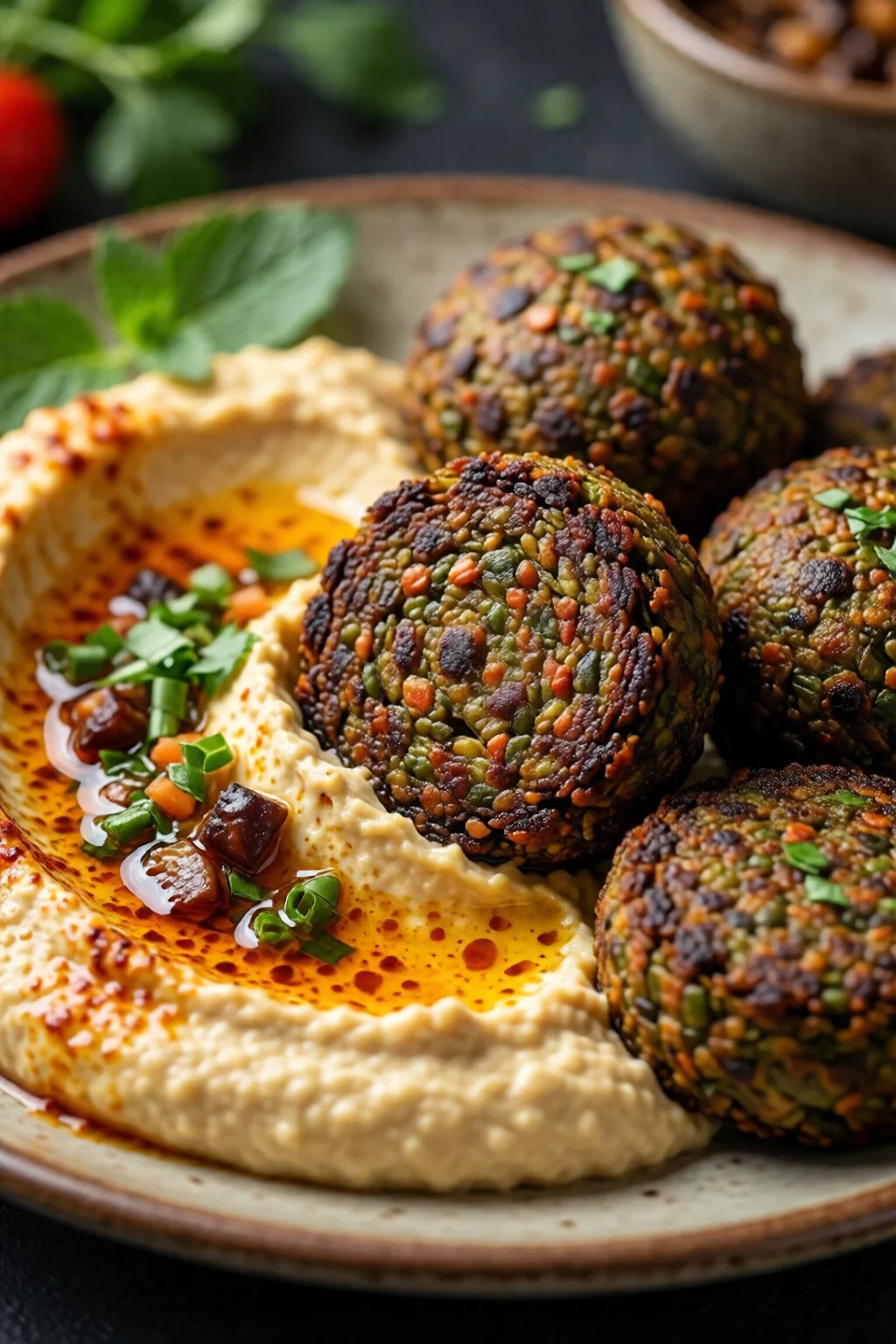
Classic Hummus: Technique & Variations
Base Method – The Creamy Benchmark
- Drain and reserve ¼ cup of the cooking liquid (aquafaba). This liquid contains natural emulsifiers that keep hummus pliable.
- In the food processor, combine the chickpeas, ¼ cup tahini, 3 Tbsp lemon juice, crushed garlic, ½ tsp salt, and ¼ tsp cumin. Pulse 5 seconds.
- With the motor running, drizzle in 2 Tbsp olive oil (extra‑virgin, like Kalamata at $9 / 500 ml) and the reserved aquafaba until the mixture is glossy and smooth—about 30 seconds.
- Adjust seasoning with another splash of lemon or a pinch of smoked paprika. If the dip is too thick, add a teaspoon of cold water at a time.
Result: A dip that stays creamy for up to 5 days in the fridge, thanks to the emulsifying power of aquafaba.
Flavor Twists for Every Palate
- Roasted red pepper hummus: Add ½ cup fire‑roasted peppers (from Barilla, $3 per jar) after step 2.
- Spicy harissa hummus: Blend in 1 Tbsp harissa paste (S&B, $5 per 120 g jar) and a dash of honey for balance.
- Herb‑infused: Toss in ¼ cup fresh dill and 1 tsp lemon zest right before the final blend.
Storage & Re‑use
Store hummus in a shallow glass container, smooth the top with a thin olive‑oil film, and seal. The oil creates a barrier, preventing oxidation. Leftovers can be repurposed as a base for Chinese fried rice recipe restaurant style or as a creamy sauce for grilled vegetables.
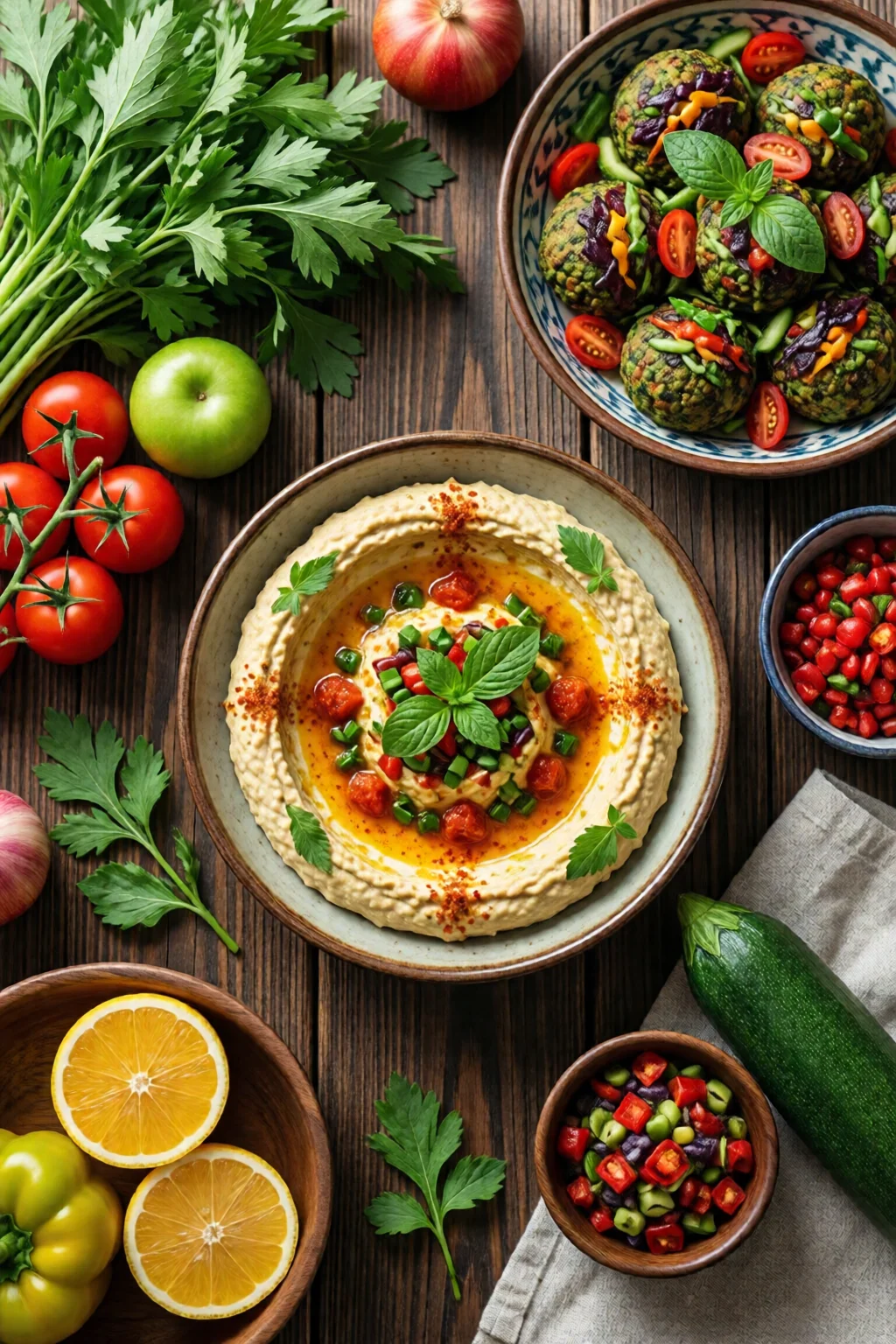
Authentic Falafel: From Scratch to Fry
Mixing the Perfect Batter
After draining the split chickpeas, pat them dry with a clean kitchen towel. Transfer to a food processor and pulse until you achieve a coarse, grainy texture—think fine sand, not a paste. Add the grated onion, garlic (2 cloves), herbs, spices, and 1 tsp salt. Pulse again until the mixture clings together when pressed.
Rest & Shape
Let the mixture rest for 15 minutes. This step allows the flour (optional 2 Tbsp chickpea flour) to hydrate and the baking soda to activate, giving the falafel lift. Using a falafel scoop (≈ 30 g per ball) or two teaspoons, form uniform balls. Uniformity ensures even cooking—no one likes a burnt exterior with a raw center.
Frying Technique
- Heat 2 inches of oil (vegetable or grapeseed, e.g., Wesson 1 L at $6) in the cast‑iron skillet to 350 °F (180 °C). A kitchen thermometer is essential; too low and the falafel will soak up oil, too high and they’ll burn.
- Gently lower 6–8 balls at a time; avoid crowding.
- Fry for 3 minutes, turn, then fry another 2 minutes until deep golden (≈ 190 °F internal).
- Transfer to a wire rack set over a baking sheet; sprinkle with a pinch of sea salt while still hot.
Tip: If you prefer a healthier version, bake at 425 °F on a parchment‑lined sheet for 20 minutes, flipping halfway. The texture will be slightly softer but still satisfying.
Serving Temperature & Shelf Life
Falafel is best enjoyed within 30 minutes of frying. However, you can refrigerate leftovers in an airtight container for up to 3 days and re‑crisp them in a 375 °F oven for 5 minutes.
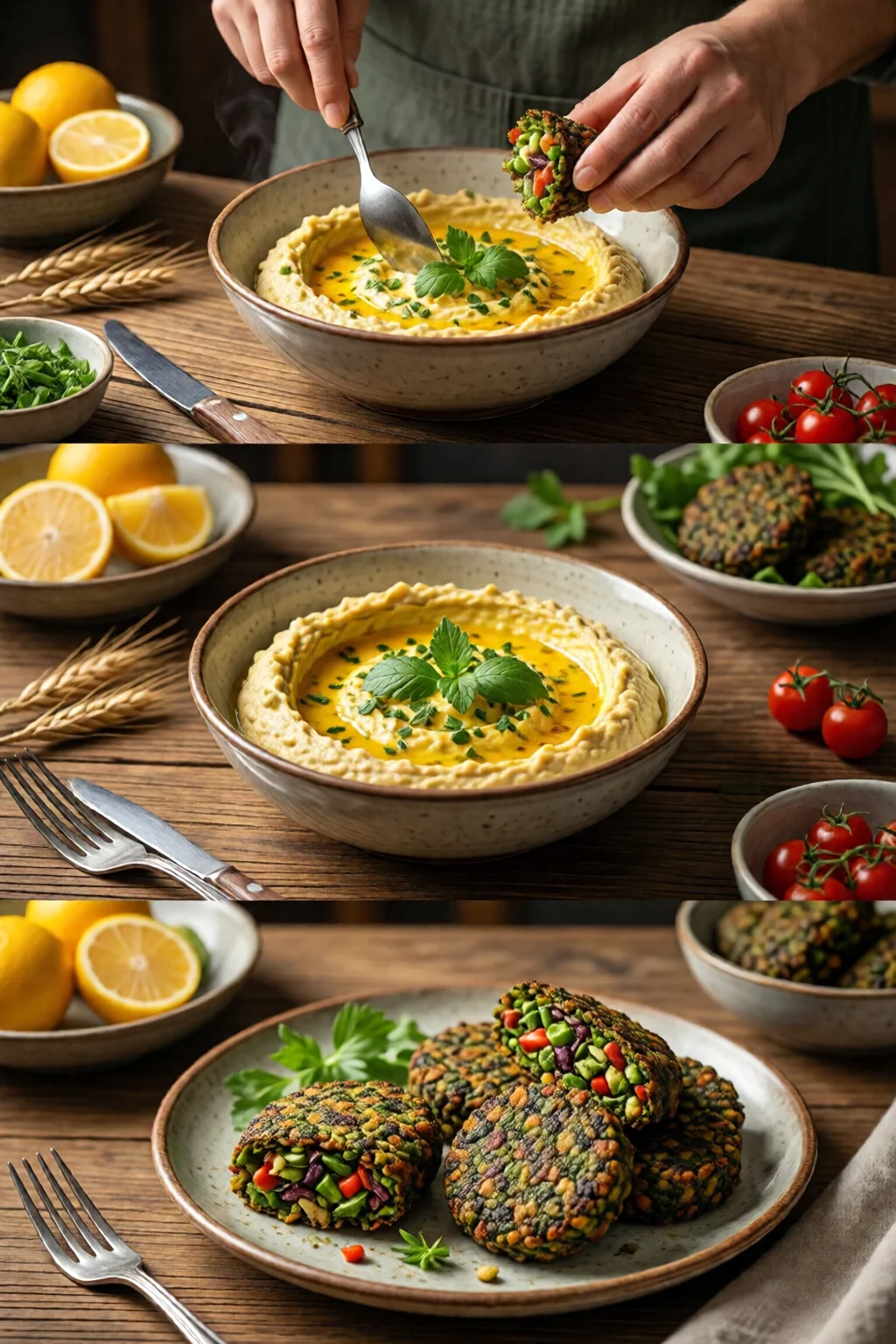
Assembling the Mezze Plate
Traditional Accompaniments
- Pita bread: Warm 4 mini pitas (≈ $2 for a pack of 6) in a 350 °F oven for 3 minutes.
- Pickled vegetables: Store‑bought or homemade turnip pickles (≈ $4 per jar).
- Fresh salads: A simple tabbouleh (parsley, bulgur, mint, lemon) adds brightness.
- Olives & cheese: Kalamata olives ($5 / 340 g) and crumbled feta ($3 / 200 g).
Plating for Impact
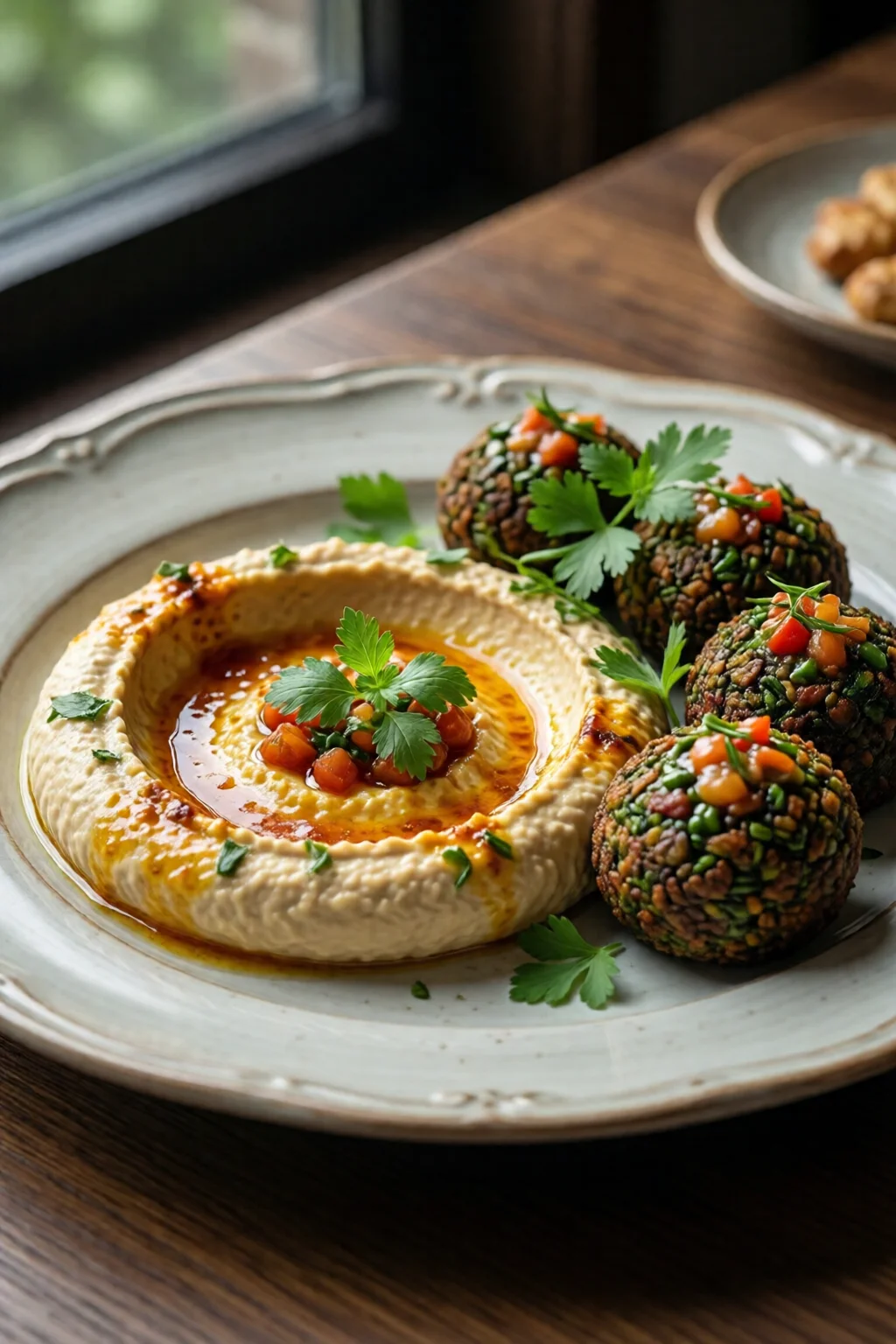
Start with a generous dollop of hummus in the center of a wide white plate. Swirl a teaspoon of olive oil in a spiral, dust with sumac, and place 3–4 falafel balls around it. Add a small mound of pickles and a drizzle of tzatziki if desired. The visual contrast of green herbs, red paprika, and golden falafel invites guests to dig in.
Pairing Drinks
For a non‑alcoholic option, serve a chilled glass of pomegranate juice (≈ $3 per liter). If you prefer wine, a crisp Sauvignon Blanc (e.g., Kim Crawford, $15 per bottle) pairs beautifully with the nutty hummus.
Health, Nutrition, and Cost Breakdown
Nutritional Snapshot (per serving)
- Hummus (¼ cup): 110 kcal, 4 g protein, 6 g fat (mostly unsaturated), 5 g carbs, 2 g fiber.
- Falafel (3 balls, baked): 210 kcal, 9 g protein, 8 g fat, 22 g carbs, 5 g fiber.
Cost Comparison: Store‑Bought vs Homemade
| Item | Store‑Bought (per serving) | Homemade (per serving) | Time Required |
|---|---|---|---|
| Hummus | $1.20 | $0.45 | 15 min |
| Falafel (fried) | $1.80 | $0.70 | 30 min |
| Combined Plate | $3.00 | $1.30 | 45 min |
Even after accounting for oil and electricity, making both from scratch saves you roughly 55 % per serving.
Dietary Adjustments
- Gluten‑free: Use chickpea flour only; all other ingredients are naturally gluten‑free.
- Vegan: The entire plate is plant‑based; just swap feta for a vegan almond‑based crumble.
- Low‑Sodium: Reduce added salt to ¼ tsp in hummus and ½ tsp in falafel; rely on lemon and herbs for flavor.
Pro Tips from Our Experience
1. Master the Aquafaba Emulsion
When blending hummus, add the aquafaba gradually while the processor is running. This mimics the emulsifying action of commercial stabilizers and extends shelf life. One mistake I see often is adding the oil first, which can cause a curdled texture.
2. Keep Falafel Batter Cool
Chickpeas release heat during processing. If the mixture feels warm, pop it in the freezer for 5 minutes before shaping. Cool batter fries more evenly, preventing the dreaded soggy interior.
3. Use a Thermometer for Oil
Consistent 350 °F oil yields a uniform crust. An infrared thermometer costs as little as $12 and eliminates guesswork. If the temperature drops after adding a batch, let the oil recover before the next round.
4. Flavor Layering in Hummus
Instead of dumping all lemon juice at once, add it in two stages: half during blending, half after the final swirl. This prevents the dip from turning bitter and gives you control over brightness.
5. Repurpose Leftovers Creatively
Turn extra falafel into a crumble for salads, or blend stale hummus with roasted veggies for a quick pasta sauce. Pair that idea with our one pot pasta recipes simple and fast for a weeknight rescue.
How long can homemade hummus be stored?
In an airtight glass container, hummus stays fresh for up to 5 days in the refrigerator. Cover the surface with a thin layer of olive oil to prevent oxidation.
Can I freeze falafel?
Yes. After frying, let falafel cool completely, then spread on a baking sheet and freeze for 2 hours. Transfer to a zip‑lock bag and store up to 2 months. Reheat in a 400 °F oven for 8 minutes.
What’s the secret to a silky hummus texture?
The combination of stone‑ground tahini, aquafaba, and a high‑speed food processor creates a stable emulsion. Adding ice‑cold water in a thin stream at the end also tightens the texture.
Do I need to soak split chickpeas for falafel?
No. Split chickpeas are used dry; they absorb water during the brief 30‑minute soak, which softens the skins without making the batter mushy.
Now you have a complete, step‑by‑step roadmap for mastering Middle Eastern recipes hummus and falafel. Grab your processor, fire up the skillet, and bring a taste of the Levant to your table tonight. Bon appétit!
2 commentaires sur « Middle Eastern Recipes Hummus And Falafel – Tips, Ideas and Inspiration »