Last month I was on a quick lunch break at a downtown dim sum house, watching the chef toss a mountain of rice in a blazing wok. The grains were glossy, each bite hit with a perfect balance of salty, umami, and a whisper of smoky heat. I left the restaurant convinced I could replicate that magic at home—if I understood the exact moves, tools, and ingredients that turn a simple bowl of rice into a restaurant‑style masterpiece. Below is the ultimate, step‑by‑step list of everything you need to master a Chinese fried rice recipe restaurant style without spending a fortune on takeout.
In This Article
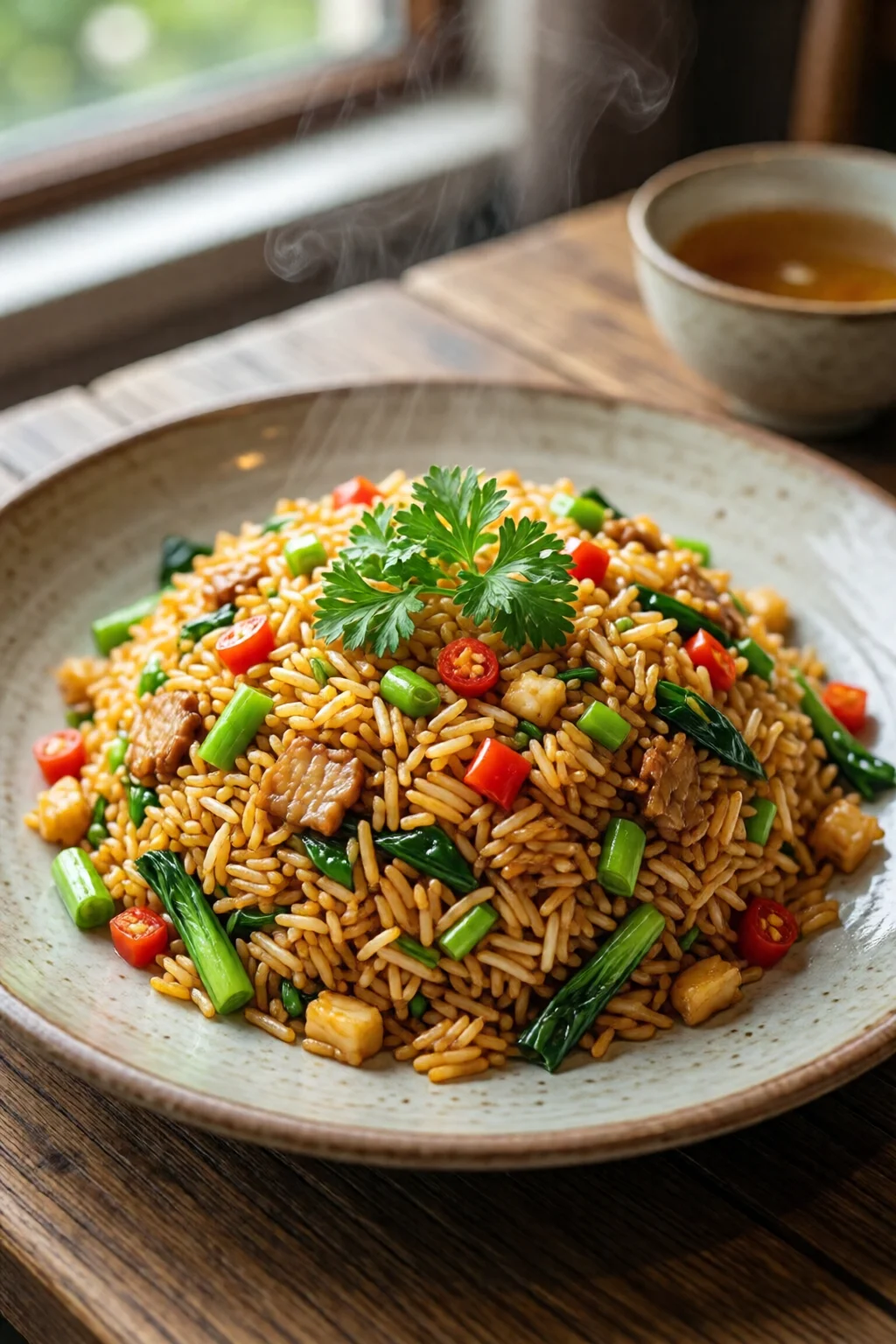
1. Day‑Old Jasmine Rice – The Foundation
Restaurant chefs swear by rice that’s been cooked, cooled, and refrigerated for at least 12 hours. Fresh rice is too moist; it clumps and steams instead of frying. The best choice is Thai Hom Mali Jasmine Rice, a long‑grain variety that stays separate when reheated. A 5‑lb bag costs about $8.99 on Amazon (prime shipping) and yields roughly 30 servings of fried rice.
Why it works:
- Low amylose content (about 22%) keeps each grain fluffy.
- Fragrant aroma that survives high‑heat cooking.
- Consistent texture across batches.
Pros
- Widely available in Asian markets and mainstream supermarkets.
- Price per cup is under $0.20, making it budget‑friendly.
Cons
- Requires advance planning—cook the rice a day ahead.
- If not cooled quickly, moisture can build up, leading to soggy fried rice.
To prep, rinse 2 cups of rice until the water runs clear, cook with a 1:1.1 water‑to‑rice ratio, let it sit covered for 10 minutes, then spread on a baking sheet and chill in the fridge overnight.
2. The Wok – Heat Engine
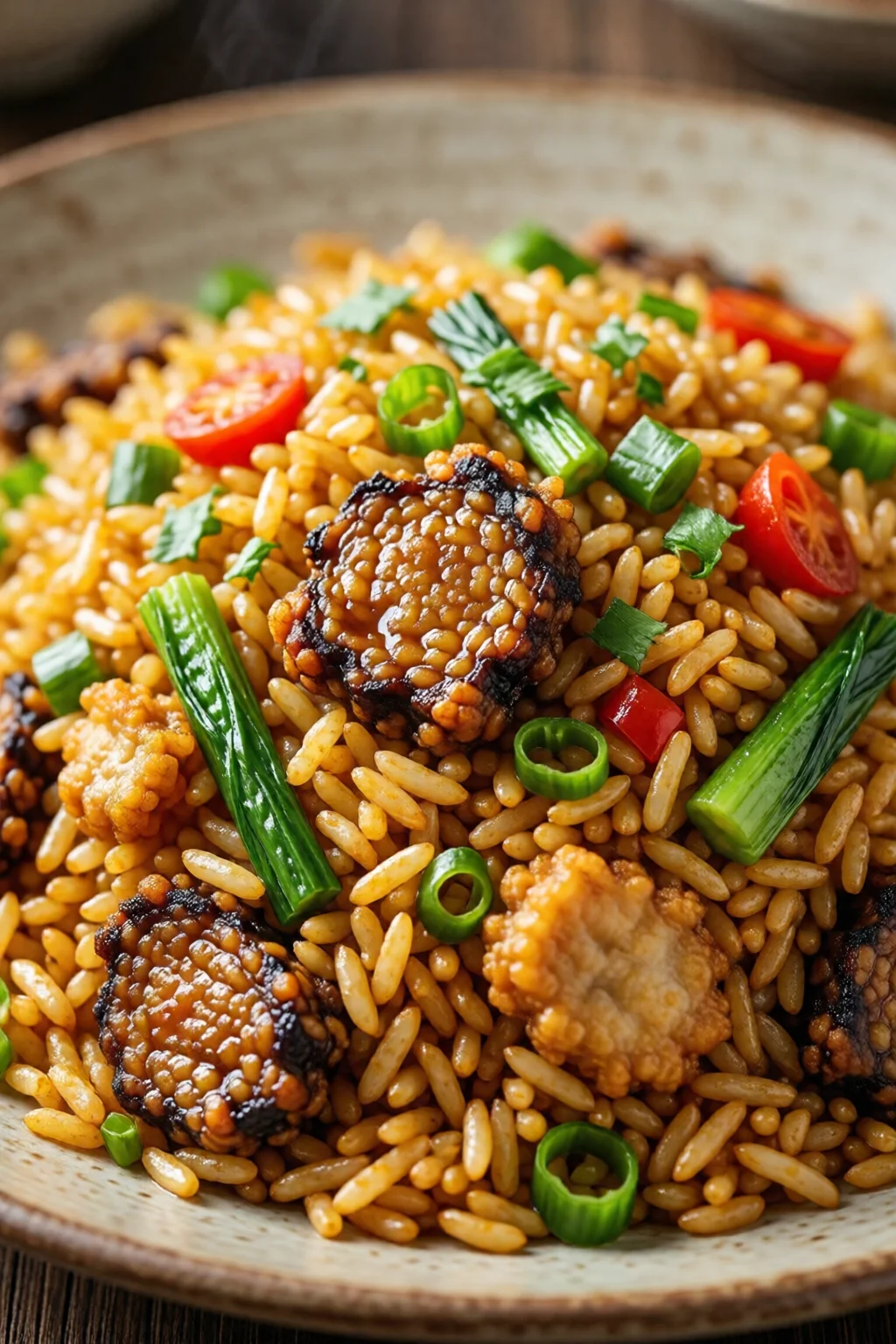
Nothing replicates the searing “wok‑hei” (breath of the wok) like a proper carbon steel wok. I use the Lodge 14‑inch Carbon Steel Wok, priced at $49.95 on the Lodge website. Its thin walls heat up in under 30 seconds on a gas burner, delivering the high, even temperature that forces the rice to fry, not steam.
Seasoning the wok is crucial. My method:
- Wash the new wok with hot, soapy water and dry thoroughly.
- Heat over medium‑high until a thin layer of smoke appears.
- Rub a thin coat of high‑smoke‑point oil (e.g., vegetable or peanut) onto the interior.
- Let it cool, repeat 2–3 times. The surface will develop a dark, non‑stick patina.
Pros
- Rapid heat response—ideal for the quick “flash fry” technique.
- Lightweight; easy to toss ingredients.
- Durable—lasts decades with proper care.
Cons
- Requires seasoning; a stainless steel wok won’t give the same flavor.
- Carbon steel can rust if not dried immediately after washing.
If you only have a non‑stick skillet, use a 12‑inch 3‑layer coated pan and pre‑heat it for 2 minutes; you’ll get decent results, but you’ll miss the signature smoky nuance.
3. Sauce Mix – The Flavor Bomb
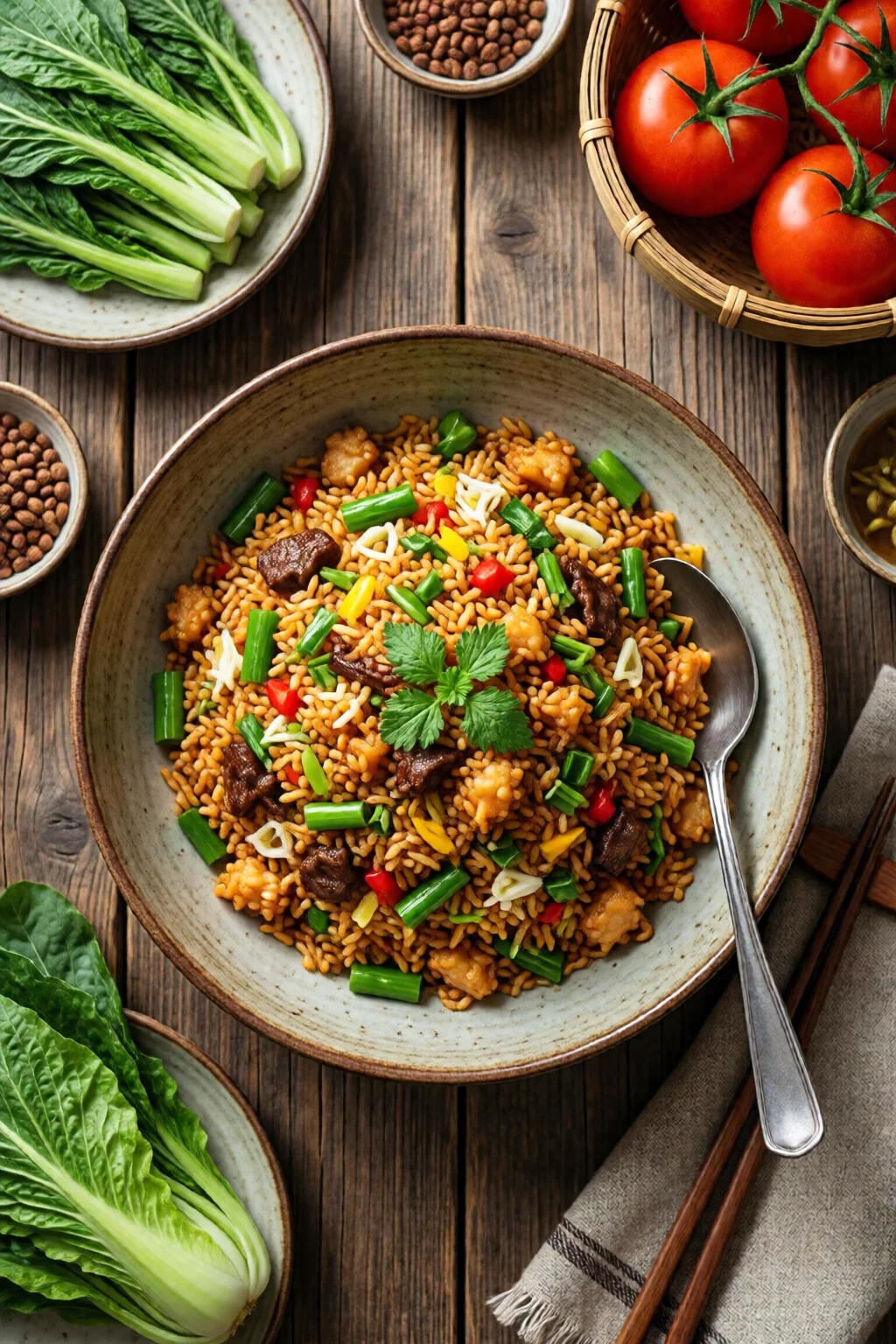
The sauce is where the “restaurant style” identity lives. A balanced blend of salty, sweet, and umami layers the rice without drowning it. Here’s my go‑to formula (makes about 1 cup, enough for 4 servings of fried rice):
| Ingredient | Amount | Brand (US price) |
|---|---|---|
| Kikkoman Light Soy Sauce | 2 Tbsp | $3.49 (15 oz) |
| Lee Kum Kee Premium Oyster Sauce | 1 Tbsp | $4.29 (12 oz) |
| Shaoxing Cooking Wine | 1 tsp | $5.99 (375 ml) |
| Sesame Oil | ½ tsp | $6.99 (8 oz) |
| White Sugar | ½ tsp | $0.99 (1 lb) |
| White Pepper (ground) | ¼ tsp | $2.49 (2 oz) |
Mix the liquid ingredients in a small bowl; the sugar dissolves quickly in the warm soy sauce. Add the pepper just before tossing the rice to avoid burning.
Pro tip: If you crave a richer depth, stir in ½ tsp of dark soy sauce for color, but reduce the light soy by ½ Tbsp to keep salt levels in check.
Pros
- All ingredients are pantry staples; total cost under $2.00 per batch.
- Adjustable sweetness—add more sugar for a Cantonese‐style taste.
Cons
- Pre‑made “fried rice sauces” can be overly salty; homemade mix offers control.
- Requires a few extra minutes to blend, but the flavor payoff is worth it.
4. Protein & Veggies – Balance and Texture
A restaurant‑style fried rice isn’t just rice; it’s a harmonious mix of protein, vegetables, and aromatics. My favorite combination (serves 4) is:
- 200 g (≈ 7 oz) peeled shrimp, deveined – $5.99/lb frozen, thawed and patted dry.
- 100 g (≈ 3.5 oz) diced chicken breast – $3.49/lb fresh, marinated in 1 tsp soy + ½ tsp cornstarch.
- ½ cup frozen peas – $2.99/12 oz bag.
- ½ cup finely diced carrots – about $0.30 per serving.
- 3 scallions, sliced thinly – $0.50 per bunch.
- 2 cloves garlic, minced – $0.10 per clove.
Cook proteins separately first. For shrimp, a quick 1‑minute sear per side in the wok (high heat, a splash of oil) is enough; overcooking makes them rubbery. Set aside on a plate while you fry the aromatics.
Pros
- Variety of textures—crunch from peas, chew from shrimp.
- Protein adds satiety; a single batch can serve a family of four.
Cons
- Too many add‑ins can crowd the wok, dropping temperature and steaming the rice.
- Seafood must be fresh; otherwise, flavor suffers.
Tip: If you’re short on time, use a pre‑cooked rotisserie chicken—shred ½ cup and fold in at the end. It still delivers that meaty bite without extra cooking steps.
5. The Stir‑Fry Technique – Timing Is Everything
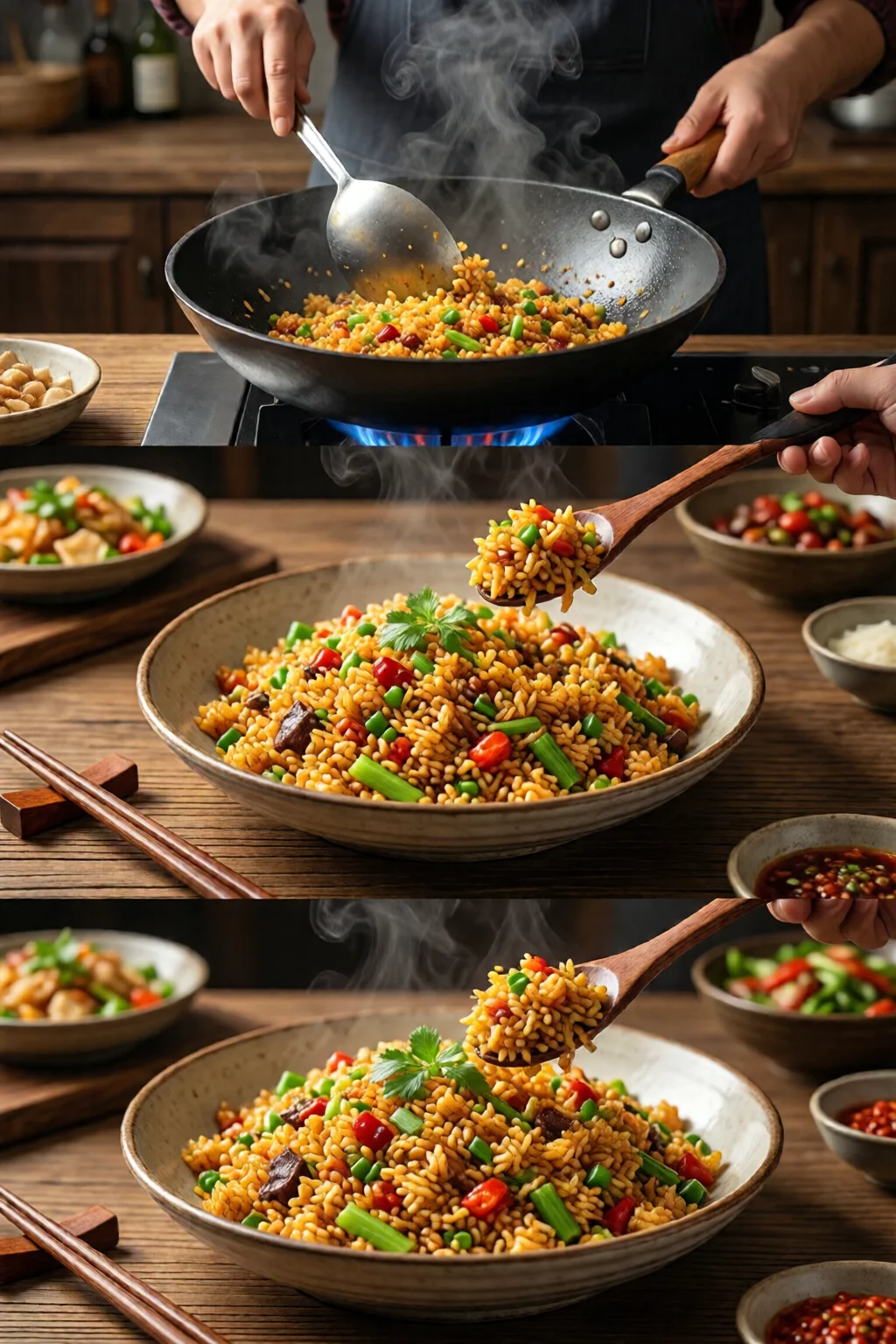
Now the magic happens. Follow this precise timeline (all times are approximate for a 14‑inch carbon steel wok on a medium‑high gas flame):
- Pre‑heat the wok for 1 minute until a drop of water evaporates instantly.
- Add 1 Tbsp high‑smoke‑point oil (e.g., canola – $3.29/16 oz). Swirl to coat.
- Garlic & scallions – 15 seconds, just until fragrant.
- Protein – 1 minute total, stirring constantly; remove and set aside.
- Veggies – 30 seconds, peas and carrots only; keep them crisp.
- Rice – crumble the chilled rice with hands, add a handful (about 2 cups) to the wok. Spread quickly, let sit 10 seconds to develop a slight crust, then toss.
- Sauce – drizzle the pre‑mixed sauce evenly, stir‑fry for 45 seconds so each grain glazes.
- Combine – return protein, add remaining scallions, give a final 15‑second toss.
- Turn off heat, drizzle ½ tsp sesame oil, serve immediately.
The entire process should not exceed 4 minutes once the wok is hot. Anything longer will over‑cook the rice and produce mush.
Pro tip: Use a metal spatula with a flat edge; it slides under the rice, lifts it, and prevents sticking.
Pros
- Fast—ready in under 15 minutes from start to plate.
- High heat locks in flavor and texture.
Cons
- Requires confidence with rapid movements; beginners may feel rushed.
- Small mis‑timing can lead to burnt aromatics.
If you don’t have a gas stove, a powerful electric induction burner (minimum 1800 W) works, but pre‑heat the wok a little longer to compensate for slower heat rise.
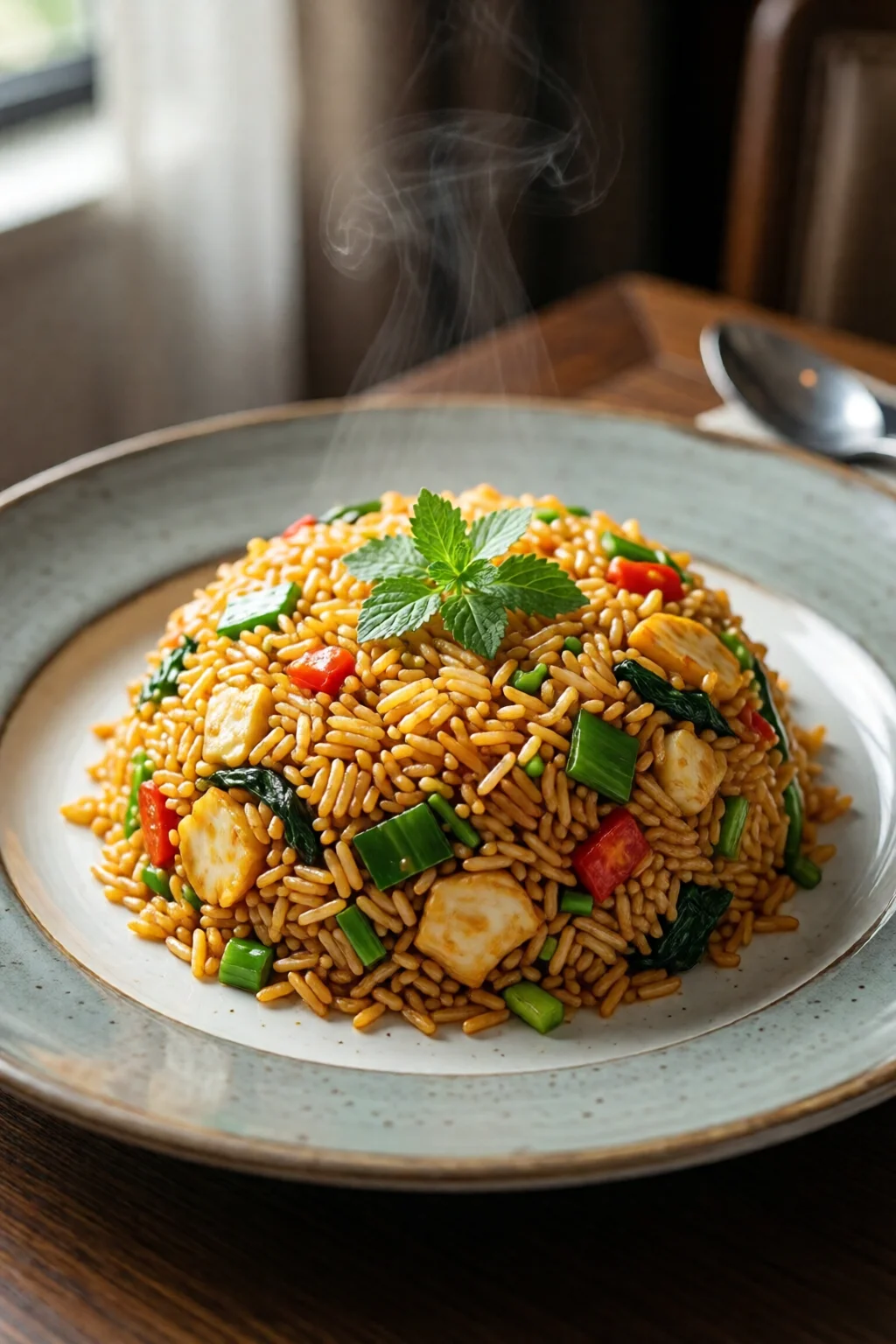
Comparison Table – Top Picks for a Restaurant‑Style Fried Rice
| Component | Top Choice | Price (US) | Rating (1‑5) | Why It Works |
|---|---|---|---|---|
| Rice | Thai Hom Mali Jasmine (5 lb) | $8.99 | 4.8 | Long grain, stays separate, fragrant. |
| Wok | Lodge 14‑inch Carbon Steel | $49.95 | 4.7 | Rapid heat, authentic wok‑hei. |
| Soy Sauce | Kikkoman Light | $3.49 (15 oz) | 4.6 | Balanced salt, clean flavor. |
| Oyster Sauce | Lee Kum Kee Premium | $4.29 (12 oz) | 4.5 | Rich umami, no MSG aftertaste. |
| Oil (high‑smoke) | Canola (Great Value) | $2.99 (48 oz) | 4.2 | High smoke point, neutral taste. |
FAQ
Can I use day‑old rice that’s been in the fridge for only a few hours?
A short chill (3‑4 hours) works if you spread the rice on a tray to dry. However, the texture and flavor are best after a full overnight rest, which reduces moisture and lets the grains firm up for optimal frying.
What’s the best oil for that smoky “wok‑hei”?
Use a high‑smoke‑point oil such as canola, peanut, or refined sunflower. They can handle 400‑450 °F without breaking down, preserving the clean, smoky flavor.
Can I make this dish vegetarian?
Absolutely. Replace shrimp and chicken with firm tofu cubes (pressed and lightly fried) and add extra vegetables like bell pepper, corn, or shiitake mushrooms. Increase the soy sauce by 1 Tbsp to keep the umami level.
Why does my fried rice taste soggy?
Common causes are using freshly cooked rice, overcrowding the wok, or not pre‑heating the wok enough. Switch to day‑old rice, cook in batches, and ensure the wok is smoking hot before adding ingredients.
Final Verdict
If you follow the five steps above—proper rice, a seasoned carbon steel wok, a balanced sauce, carefully chosen proteins, and lightning‑fast stir‑fry—you’ll consistently produce a Chinese fried rice recipe restaurant style that rivals any takeout box. The investment is modest: under $70 for the core tools, and each batch costs less than $3 in ingredients. The payoff? A dish that’s aromatic, fluffy, and restaurant‑worthy, ready any night you crave comfort without the delivery fee.
Ready to test your new skills? Pair the fried rice with a simple side like best homemade pizza dough recipe for a fun fusion night, or balance the meal with a fresh salad from our quick breakfast recipes for busy mornings collection. Happy wok‑ting!
2 commentaires sur « Chinese Fried Rice Recipe Restaurant Style: Complete Guide for 2026 »