It was a rainy Saturday in Manila, and the kitchen smelled like a warm hug—garlic sizzling in oil, a splash of dark soy, and a tangy whisper of cane vinegar. My aunt, a true adobo maestro, let me taste her simmering pot, and I instantly knew I’d found the heart of Filipino cuisine. If you’ve ever Googled “Filipino adobo recipe authentic classic,” you’re probably after that same soul‑satisfying flavor, the one that makes you feel right at home no matter where you are. Below is the full, no‑fluff guide to mastering the classic adobo that has fed generations, complete with exact measurements, costs, and the little tricks that separate a kitchen experiment from a family‑approved masterpiece.
In This Article
Understanding What Makes an Adobo “Authentic”
Historical Roots and Regional Variations
Adobo dates back to the 16th‑century Spanish colonizers who used vinegar and salt to preserve meat. Over centuries, each Philippine province added its own twist—Visayan adobo often includes coconut milk, while the Ilocos version leans heavy on black peppercorns. The “authentic classic” we’ll cover sticks to the original Luzon style: chicken or pork simmered in a balanced blend of soy sauce, cane vinegar, garlic, bay leaves, and whole peppercorns.
Key Flavor Pillars
1. Soy Sauce – Provides salty umami; I recommend Kikkoman Naturally Brewed Soy Sauce (15 oz, $3.49).
2. Cane Vinegar – Gives bright acidity; look for Datu Puti Cane Vinegar, 1 L for $2.99.
3. Garlic – The soul of adobo; about 6–8 cloves for a standard 2‑lb batch.
4. Bay Leaves – Adds subtle herbal depth; a small packet (10 leaves) costs $1.20.
5. Whole Black Peppercorns – The spice that lifts the dish; 1 oz (≈28 g) is $2.50.
When these elements are measured precisely, the dish hits that sweet‑sour‑savory spot that defines an authentic classic.
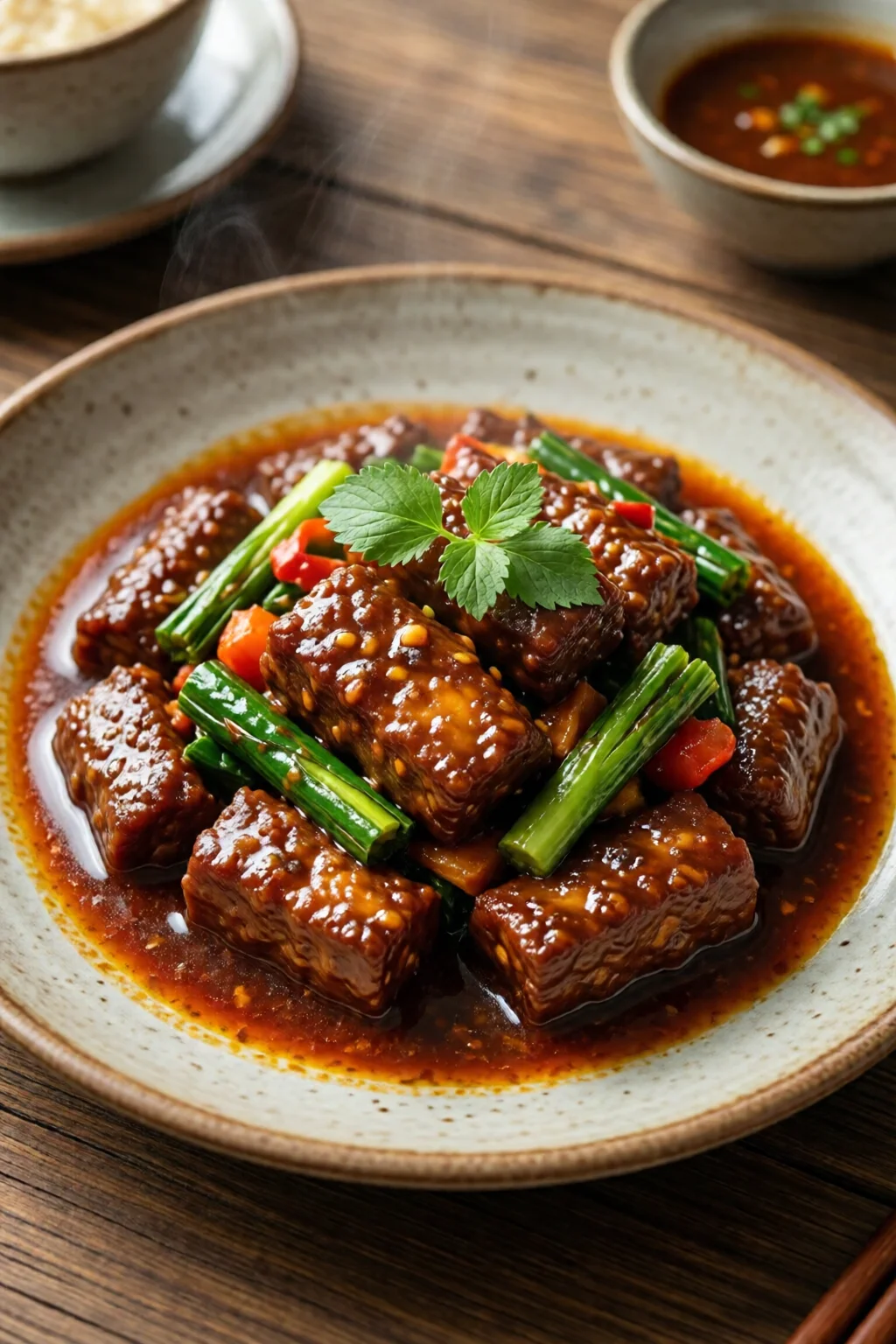
Step‑by‑Step Classic Filipino Adobo Recipe
Ingredient List (Serves 4–5)
| Ingredient | Quantity | Cost (USD) |
|---|---|---|
| Chicken thighs, bone‑in, skin‑on | 2 lb (≈900 g) | $6.80 |
| Kikkoman Soy Sauce | ½ cup (120 ml) | $0.70 |
| Datu Puti Cane Vinegar | ½ cup (120 ml) | $0.60 |
| Garlic, peeled | 8 cloves, minced | $0.30 |
| Bay leaves | 3 whole leaves | $0.10 |
| Whole black peppercorns | 1 tablespoon (≈10 g) | $0.20 |
| Water | ½ cup (120 ml) | – |
| Brown sugar (optional) | 1 teaspoon | $0.05 |
| Cooking oil (vegetable) | 2 tablespoons | $0.08 |
Equipment You’ll Need
- Large, heavy‑bottomed pot or Dutch oven (3‑quart size)
- Wooden spoon or silicone spatula
- Measuring cups & spoons
- Knife and cutting board
Directions
- Prep the aromatics. Peel and crush the garlic cloves; I like to use the flat side of my chef’s knife to smash them, releasing more flavor.
- Brown the chicken (optional but recommended). Heat 2 Tbsp of oil over medium‑high heat. Add the chicken, skin side down, and sear for 3‑4 minutes until golden. This step adds a caramelized depth that many first‑timer adobo versions miss.
- Deglaze. Pour in the soy sauce and let it sizzle for 30 seconds, scraping up the browned bits.
- Add the rest of the liquids. Stir in the vinegar, water, and minced garlic. Do NOT stir immediately after adding vinegar; let it sit for 30 seconds to preserve the sharp acidity.
- Season. Toss in the bay leaves, whole peppercorns, and brown sugar if you like a subtle sweetness. Bring the mixture to a gentle boil.
- Simmer. Reduce heat to low, cover, and let it simmer for 25‑30 minutes. For pork adobo, extend to 45 minutes until the meat is fork‑tender.
- Final reduction. Uncover and continue cooking for another 10 minutes, allowing the sauce to thicken. Taste and adjust—if it’s too salty, add a splash more vinegar; if too sharp, a pinch more sugar.
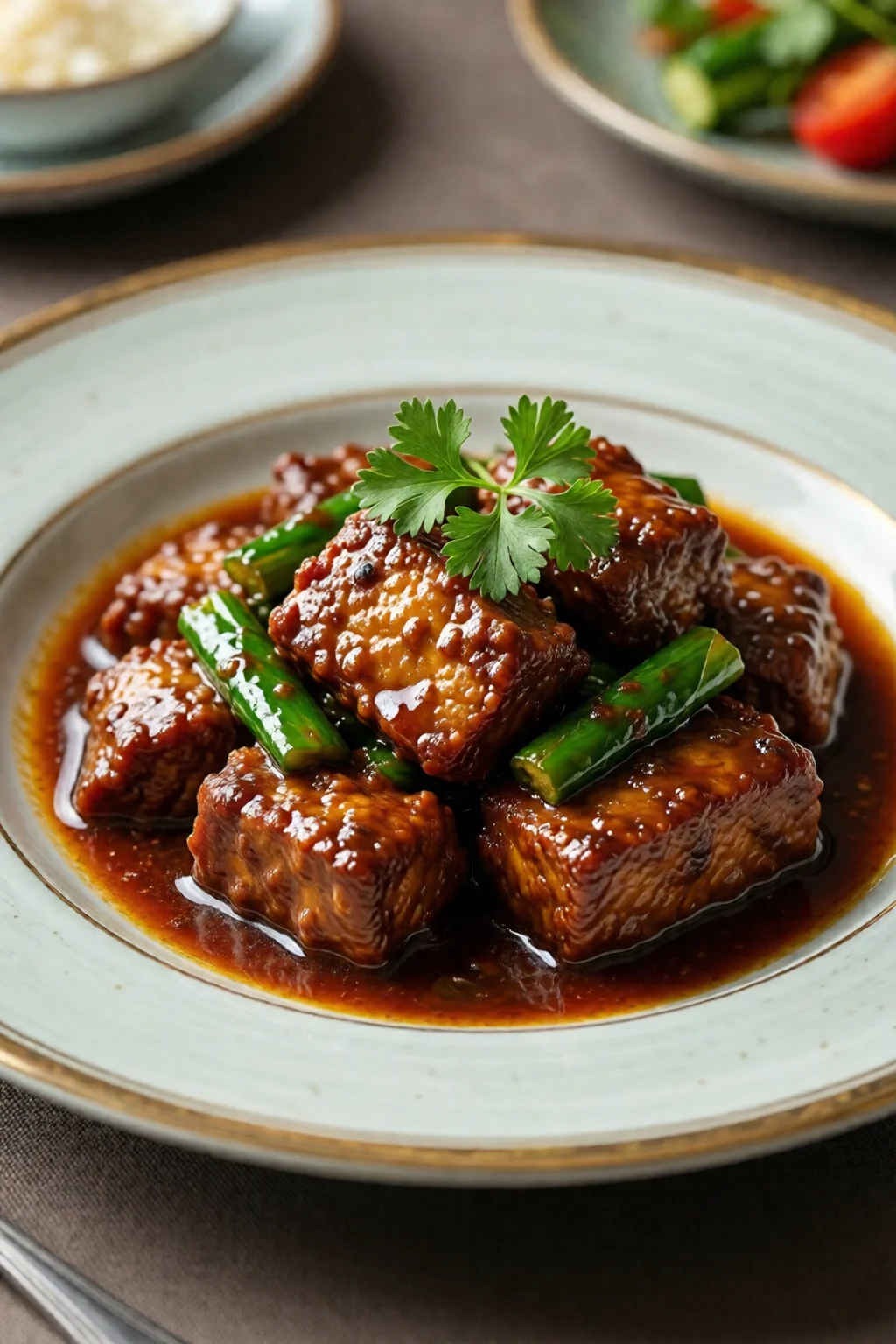
- Serve. Spoon the sauce over steamed jasmine rice (about 2 cups cooked for 4 servings) and garnish with sliced green onions if desired.
In my experience, the key is patience during the reduction stage; rushing it yields a watery sauce that never clings to the rice.
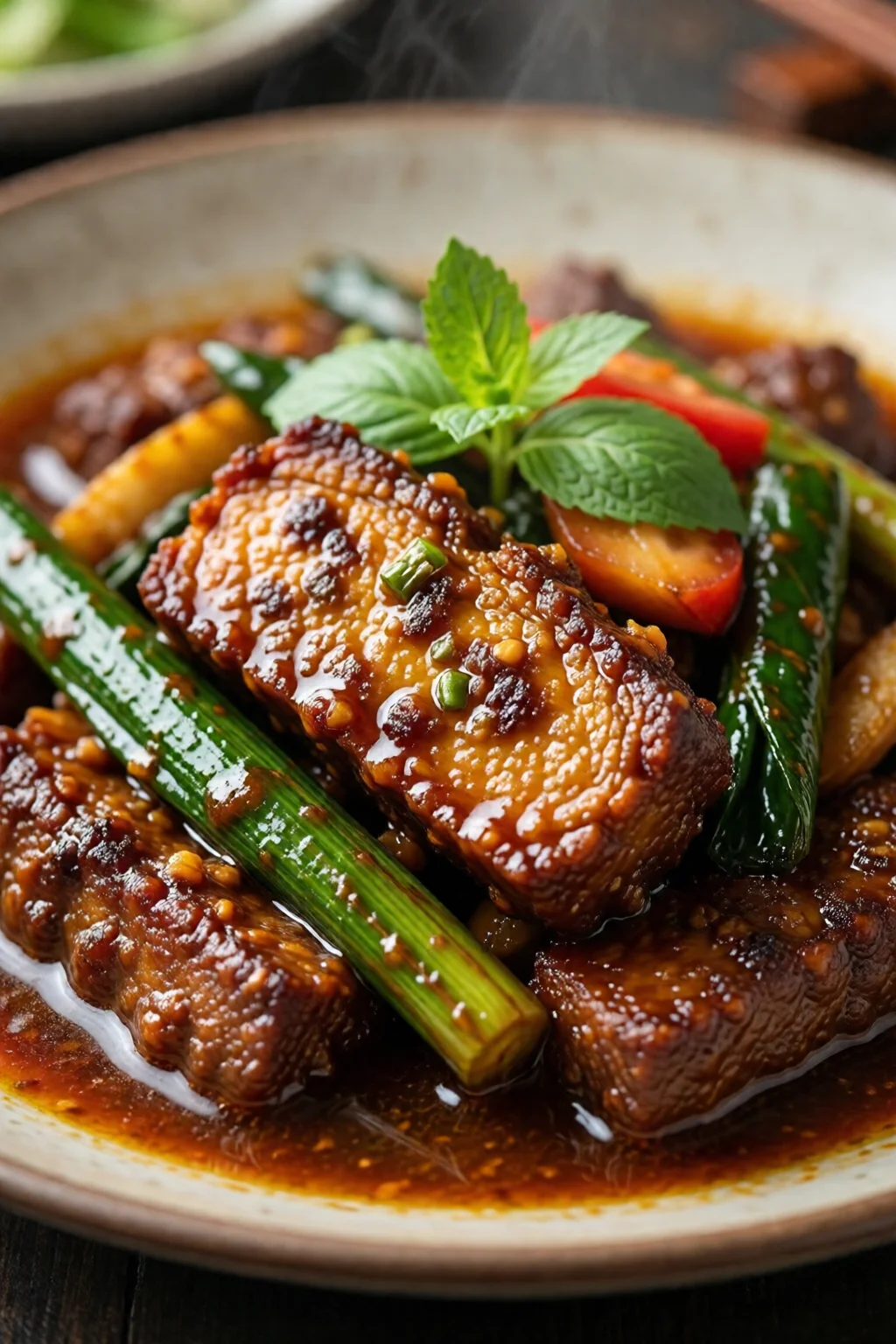
Variations Without Compromising Authenticity
Chicken vs. Pork: Which One Wins?
Both proteins are traditional, but the flavor profile shifts subtly. Chicken offers a lighter, more tender bite, while pork brings a richer, fattier mouthfeel. Below is a quick comparison to help you decide based on budget, time, and taste preferences.
| Aspect | Chicken Adobo | Pork Adobo |
|---|---|---|
| Cooking Time | 30‑35 min | 45‑55 min |
| Cost (per lb) | $3.40 | $4.20 |
| Fat Content | Low‑moderate | Higher, more gelatinous |
| Flavor Intensity | Bright, vinegary | Deeper, umami‑rich |
Adding a Sweet Twist: Pineapple or Coconut Milk
One mistake I see often is tossing in too much pineapple juice, which overpowers the delicate balance. If you want a sweet note, add ¼ cup of crushed pineapple during the final reduction; the natural sugars blend nicely without drowning the sauce.
Spice It Up: Chili or Sliced Ginger
For those who crave heat, a sliced Thai bird’s eye chili (≈½ cup) or 1 Tbsp of fresh ginger can be added with the garlic. Keep the heat moderate—adobo should never taste like a fiery stir‑fry.
Pro Tips from Our Experience
Choosing the Right Vinegar
The authentic classic relies on cane vinegar. I’ve tested white distilled, apple cider, and rice vinegars; none deliver the mellow acidity and slight caramel note of Datu Puti. Stick to cane unless you’re intentionally experimenting.
Marinating for Depth
Even a brief 30‑minute marination in soy sauce, vinegar, and garlic dramatically speeds up flavor absorption. For busy weeks, prep the marinade the night before, place the raw chicken in a zip‑lock bag, and refrigerate.
Control the Salt
Commercial soy sauces vary in sodium. Kikkoman’s 15 oz bottle contains about 920 mg sodium per tablespoon. If you’re watching sodium, reduce the soy sauce to ⅓ cup and add a splash of low‑sodium broth.
Reheating Without Losing Texture
Adobo improves after a day in the fridge; the meat becomes more tender, and the sauce thickens. When reheating, do it gently over low heat and add a splash of water or broth to loosen the sauce.
Leftover Magic
Leftover adobo makes a killer Chinese fried rice recipe restaurant style. Just toss the shredded meat and sauce into a hot wok with day‑old rice, peas, and a dash of soy.
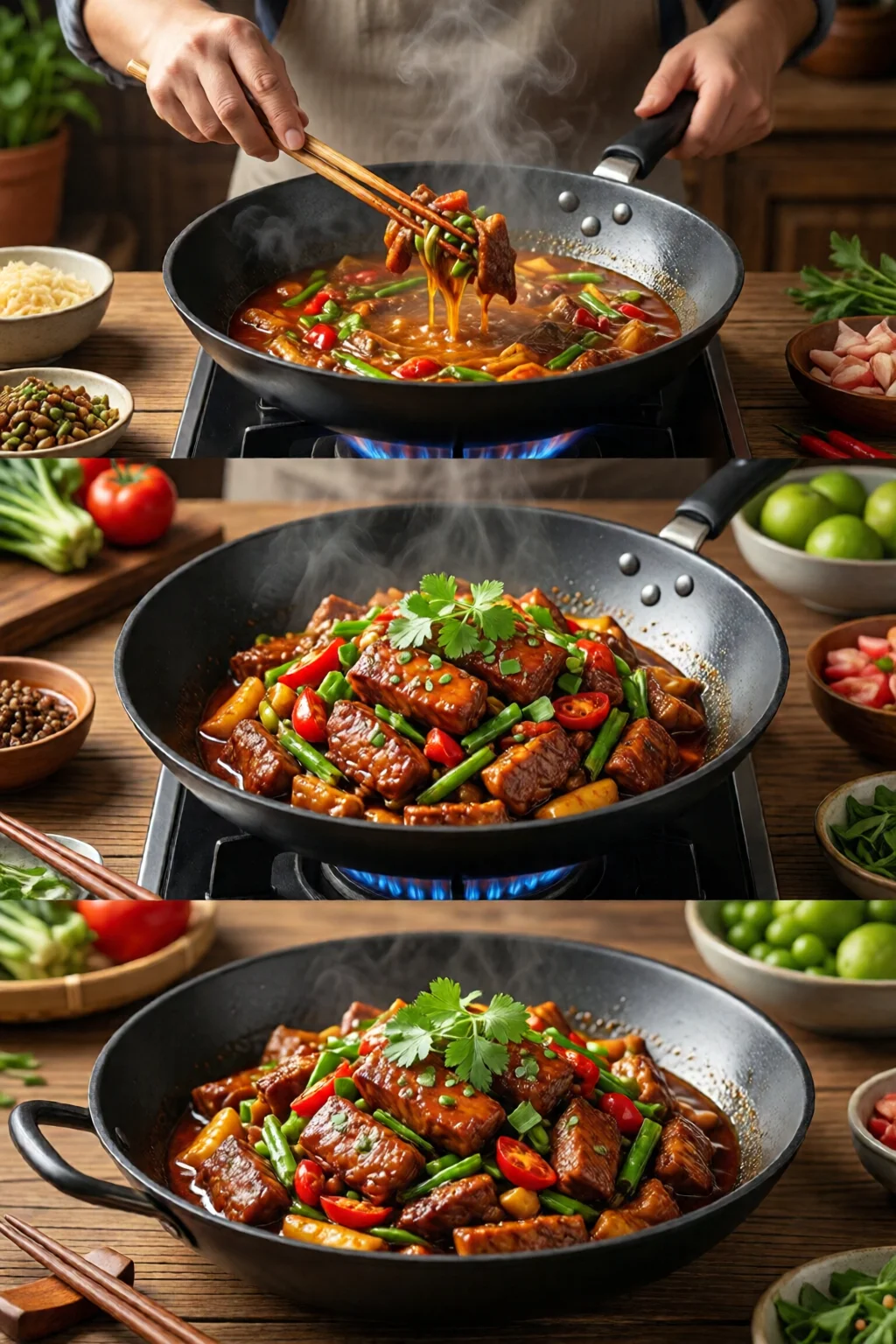
Cost Breakdown & Meal Planning
Budgeting for a Family Dinner
A classic chicken adobo for four costs roughly $12.00 (including pantry staples). That’s about $3 per serving—cheaper than most take‑out Asian entrees. If you swap chicken for pork, the total rises to $14.20, still well under restaurant prices.
Scaling the Recipe
To feed a crowd of 12, simply triple the ingredient list and use a 6‑quart pot. The simmer time remains the same; just ensure the pot isn’t overcrowded, which can cause uneven cooking.
Freezer‑Friendly Tips
Portion the adobo into 1‑lb freezer bags, remove excess air, and label with date. It freezes solid for up to 3 months. Thaw overnight in the fridge and reheat on the stovetop.
Frequently Asked Questions
Can I use soy‑free sauce for a gluten‑free adobo?
Absolutely. Look for tamari or a certified gluten‑free soy sauce—Kikkoman Gluten‑Free Soy Sauce (10 oz) works well and costs about $4.99.
Why does my adobo turn out too salty?
Most likely you used a high‑sodium soy sauce or didn’t balance with enough vinegar. Reduce the soy sauce by ¼ cup and add an extra tablespoon of vinegar; the acidity will cut the salt.
Is it okay to add potatoes to adobo?
Yes, many regional versions include cubed potatoes. Add them after the meat has simmered for 15 minutes; they’ll cook through in the remaining time and absorb the sauce.
How do I make adobo vegetarian?
Swap the meat for firm tofu (press and cube) or tempeh. Increase the soy sauce to ⅔ cup and add a splash of mushroom broth for depth. Simmer for 20 minutes to let the flavors infuse.
What’s the difference between adobo and “sinigang”?
Adobo is a soy‑vinegar braise, while sinigang is a tamarind‑based sour soup. Both are Filipino staples, but they use opposite flavor foundations—savory vs. tart.
Conclusion: Your Next Step Toward Classic Filipino Comfort
Now that you have the exact measurements, cost breakdown, and insider tips, the only thing left is to fire up that pot and let the aromas take you straight to a Filipino kitchen. Remember, the authentic classic hinges on balance: salty soy, sharp vinegar, fragrant garlic, and a whisper of bay leaf. Start with the base recipe, tweak it to your palate, and you’ll have a dish that feels both nostalgic and fresh every single time. Serve it over steaming rice, share it with friends, and enjoy the comforting hug that only a true Filipino adobo can deliver.
1 commentaire sur « Best Filipino Adobo Recipe Authentic Classic Ideas That Actually Work »