Did you know that Cuba ranks among the top three Caribbean islands for per‑capita consumption of citrus, a fact that explains why the bright, tangy notes of orange and lime dominate many Cuban recipes traditional and flavorful? In this guide you’ll walk away with a full, authentic Cuban dinner plan, from the smoky sofrito base to the crisp, twice‑fried tostones, and you’ll know exactly which tools, ingredients, and techniques make the difference between a decent copy and a truly unforgettable meal.
In This Article
- What You Will Need (Before You Start)
- Step 1: Build the Cuban Sofrito – The Flavor Backbone
- Step 2: Cook the Ropa Vieja – Shredded Beef Delight
- Step 3: Prepare Moros y Cristianos – Black Beans and Rice Fusion
- Step 4: Make Crispy Tostones – The Perfect Plantain Side
- Step 5: Finish with a Simple Cuban Lime‑Cilantro Vinaigrette
- Common Mistakes to Avoid
- Tips for Best Results (Troubleshooting)
- Frequently Asked Questions
What You Will Need (Before You Start)
Gathering everything up front saves you from frantic pantry raids halfway through cooking. Below is a precise shopping list with brand suggestions, typical prices (as of 2024), and the quantities you’ll need for a dinner that serves six.
- Olive oil – 500 ml of California Olive Ranch Extra Virgin ($9.99). A good oil carries the citrus‑forward flavor that Cuban sofrito loves.
- Unsalted butter – 100 g of Kerrygold ($4.29). Butter rounds out the richness of the pork roast.
- Goya canned black beans – 2 × 15‑oz cans ($2.58 each). Goya’s beans are a staple in Cuban households.
- Long‑grain white rice – 2 cups of Bob’s Red Mill ($3.49 per 2‑lb bag).
- Fresh pork shoulder – 2 lb (about 900 g) bone‑in, ideally from a local butcher; expect $6.99 lb⁻¹.
- Beef flank or skirt steak – 1.5 lb for the Ropa Vieja, $7.49 lb⁻¹.
- Chicken thighs, bone‑in, skin‑on – 2 lb for a backup protein, $3.79 lb⁻¹.
- Green bell pepper – 2 medium, $0.79 each.
- Red bell pepper – 1 large, $1.09.
- Onions – 2 large yellow, $0.65 each.
- Garlic – 6 cloves, $0.30 per head.
- Canned diced tomatoes – 1 × 28‑oz can of Hunt’s ($1.79).
- Dry oregano – 1 tsp, McCormick ($3.99 per 0.5‑oz jar).
- Cumin – 1 tsp, Simply Organic ($4.49 per 1‑oz).
- Bay leaves – 2, $2.99 per 0.5‑oz pack.
- Fresh cilantro – ½ cup chopped, $1.25 per bunch.
- Lime – 4 wedges for finishing, $0.45 each.
- Plantains – 3 green, $0.60 each.
- Salt & pepper – sea salt, black pepper, to taste.
- Equipment – a large Lodge 12‑inch cast‑iron skillet ($34.99), a Dutch oven (e.g., Le Creuset 5‑qt, $179.95), a sharp chef’s knife, a cutting board, a kitchen timer, and a potato masher for the tostones.
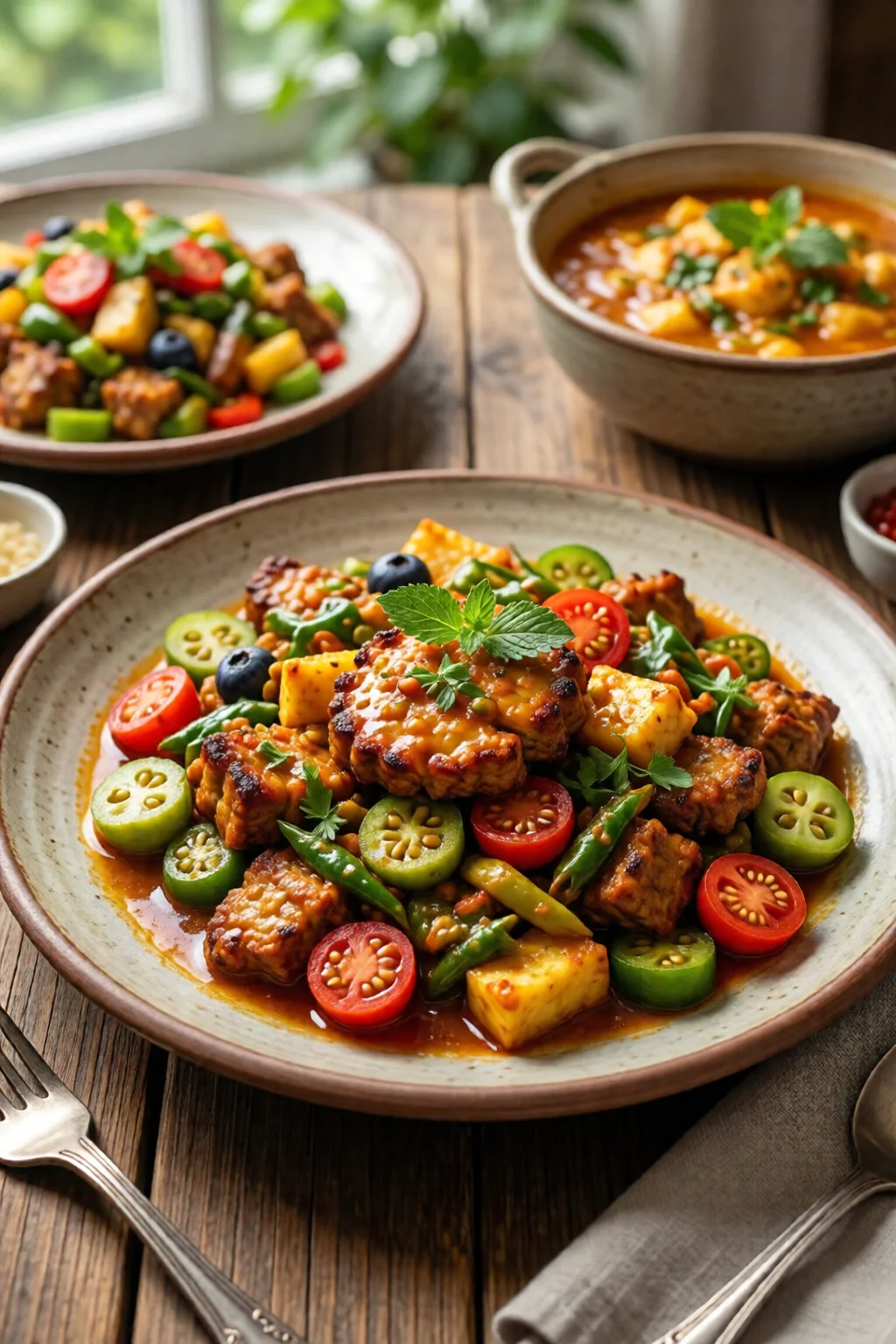
Step 1: Build the Cuban Sofrito – The Flavor Backbone
The sofrito (or sofrito cubano) is the aromatic foundation for almost every Cuban recipes traditional and flavorful dish. Think of it as a Cuban “mise en place” for flavor.
- Finely dice the two onions, both bell peppers, and the garlic cloves. In my kitchen I use a food processor set to “pulse” for a uniform chop; it takes about 30 seconds.
- Heat 3 Tbsp of the California Olive Ranch oil in the Lodge skillet over medium heat. Add the diced onions first; sauté for 2‑3 minutes until translucent.
- Introduce the bell peppers and garlic. Stir constantly for another 2 minutes, then sprinkle the oregano, cumin, and bay leaves. The spices should release a faint perfume—if you don’t smell it, increase the heat slightly.
- Reduce the heat to low and let the mixture cook for 5‑7 minutes, stirring occasionally. This slow cooking deepens the flavors without browning the vegetables.
When the sofrito is ready, you’ll notice a glossy, fragrant mixture that looks like a thick, green‑gold paste. Transfer it to a bowl, set aside, and keep the skillet warm for the next step.
Step 2: Cook the Ropa Vieja – Shredded Beef Delight
Ropa Vieja (meaning “old clothes”) is perhaps the most iconic Cuban main course. The shredded beef mimics the ragged look of old garments, and the sauce is a marriage of sofrito, tomatoes, and a splash of wine.
- Season the 1.5 lb flank steak generously with salt, pepper, and a pinch of the reserved cumin.
- In the same skillet, add another 2 Tbsp oil and sear the steak over high heat—about 3 minutes per side—until a deep brown crust forms. Searing locks in juices.
- Transfer the steak to the Le Creuset Dutch oven. Add the remaining sofrito, the 28‑oz diced tomatoes (with their juices), ½ cup water, and a splash (≈¼ cup) of dry white wine (Kendall‑Jackson Vintner’s Reserve, $9.99). Toss in the bay leaves.
- Cover and simmer on low for 2 hours, or until the meat is fork‑tender. I like to check at the 90‑minute mark; if the meat resists shredding, give it another 30‑minute interval.
- Once tender, remove the steak, shred it with two forks on a cutting board, then return the meat to the sauce. Stir to coat evenly and let it sit for 5 minutes so the flavors meld.
Serve the Ropa Vieja over a mound of rice for a classic presentation. The dish should be moist, not dry—if it looks too thick, stir in a tablespoon of broth.
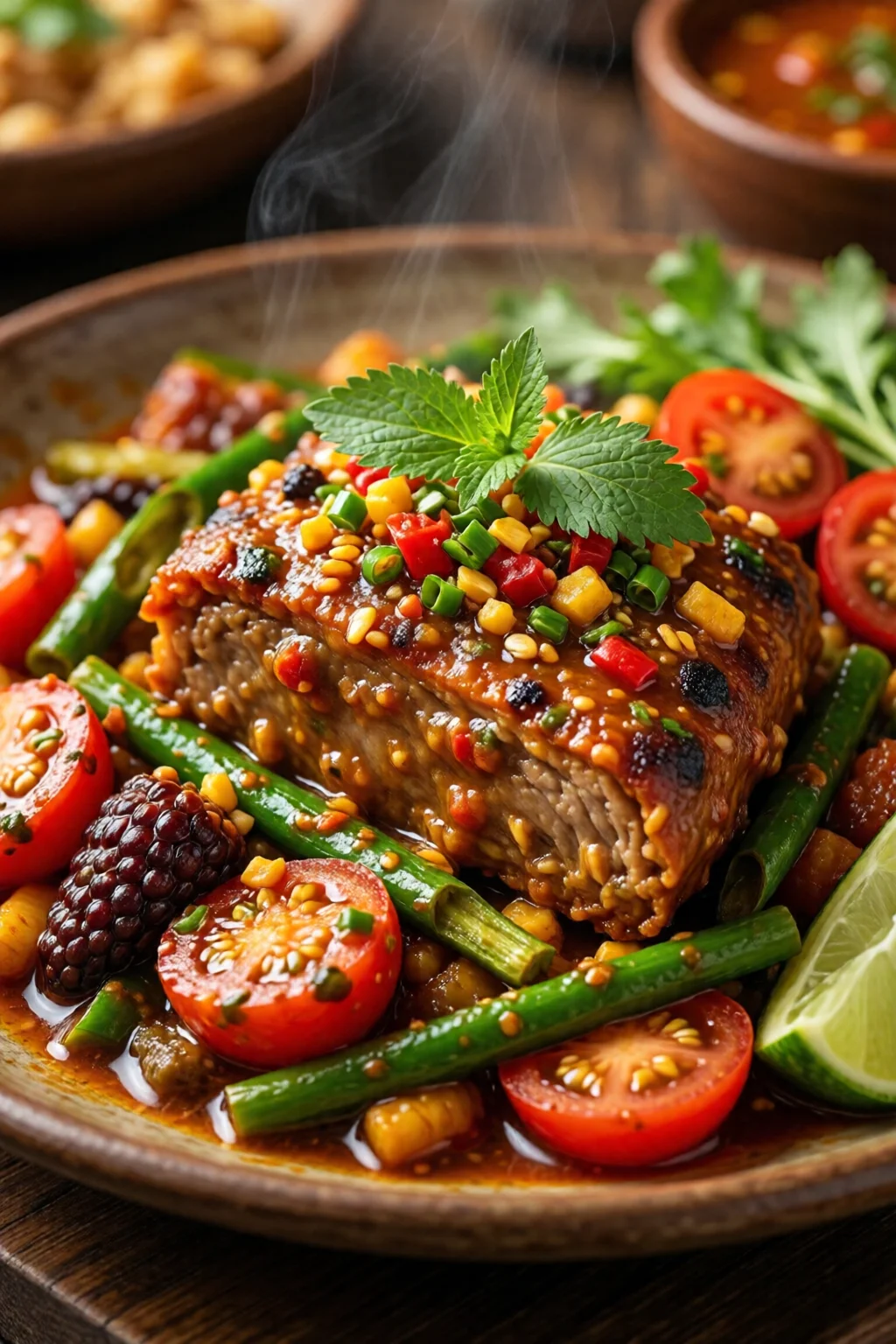
Step 3: Prepare Moros y Cristianos – Black Beans and Rice Fusion
This side dish literally means “Moors and Christians,” symbolizing the black beans (Moors) and white rice (Christians) living together in harmony. It’s a staple on any Cuban table.
- Rinse 2 cups of the Bob’s Red Mill long‑grain rice until the water runs clear; this removes excess starch and prevents clumping.
- In a medium saucepan, combine the rinsed rice, 2 ½ cups water, 1 tsp salt, and 1 Tbsp butter. Bring to a boil, then reduce to low, cover, and cook for 18 minutes.
- While the rice cooks, heat 2 Tbsp oil in the Dutch oven (after removing the Ropa Vieja). Add the remaining sofrito, then stir in the drained Goya black beans, ½ tsp extra cumin, and a pinch of sugar (optional, to balance acidity).
- Let the bean mixture simmer uncovered for 5 minutes, then fold in the cooked rice. Mix gently until the beans and rice are evenly distributed.
- Finish with a squeeze of fresh lime juice and a sprinkling of chopped cilantro.
The result should be a speckled rice bowl where the beans are visible but not overpowering. If the mixture feels dry, add a splash of chicken broth.
Step 4: Make Crispy Tostones – The Perfect Plantain Side
Tostones are the Cuban answer to chips—twice‑fried, salty, and perfect for sopping up any sauce.
- Peel the three green plantains by slicing off the ends, making a shallow lengthwise cut, and gently pulling the skin away. Slice each plantain into 1‑inch rounds.
- Heat 2 inches of oil (I use Crisco Pure Vegetable Shortening for its high smoke point, $3.79 per 16‑oz tub) in a deep skillet to 350°F (use a thermometer).
- Fry the plantain slices for 2 minutes, just until they start to turn light golden. Remove with a slotted spoon and drain on paper towels.
- Using the bottom of a heavy glass or a tostonera, press each slice to flatten to about ½‑inch thickness.
- Return the flattened slices to the hot oil and fry for another 2‑3 minutes until crisp and deep brown. Sprinkle with sea salt while still hot.
Serve the tostones alongside the Ropa Vieja and Moros y Cristianos; they add a satisfying crunch and a neutral base for the savory sauce.
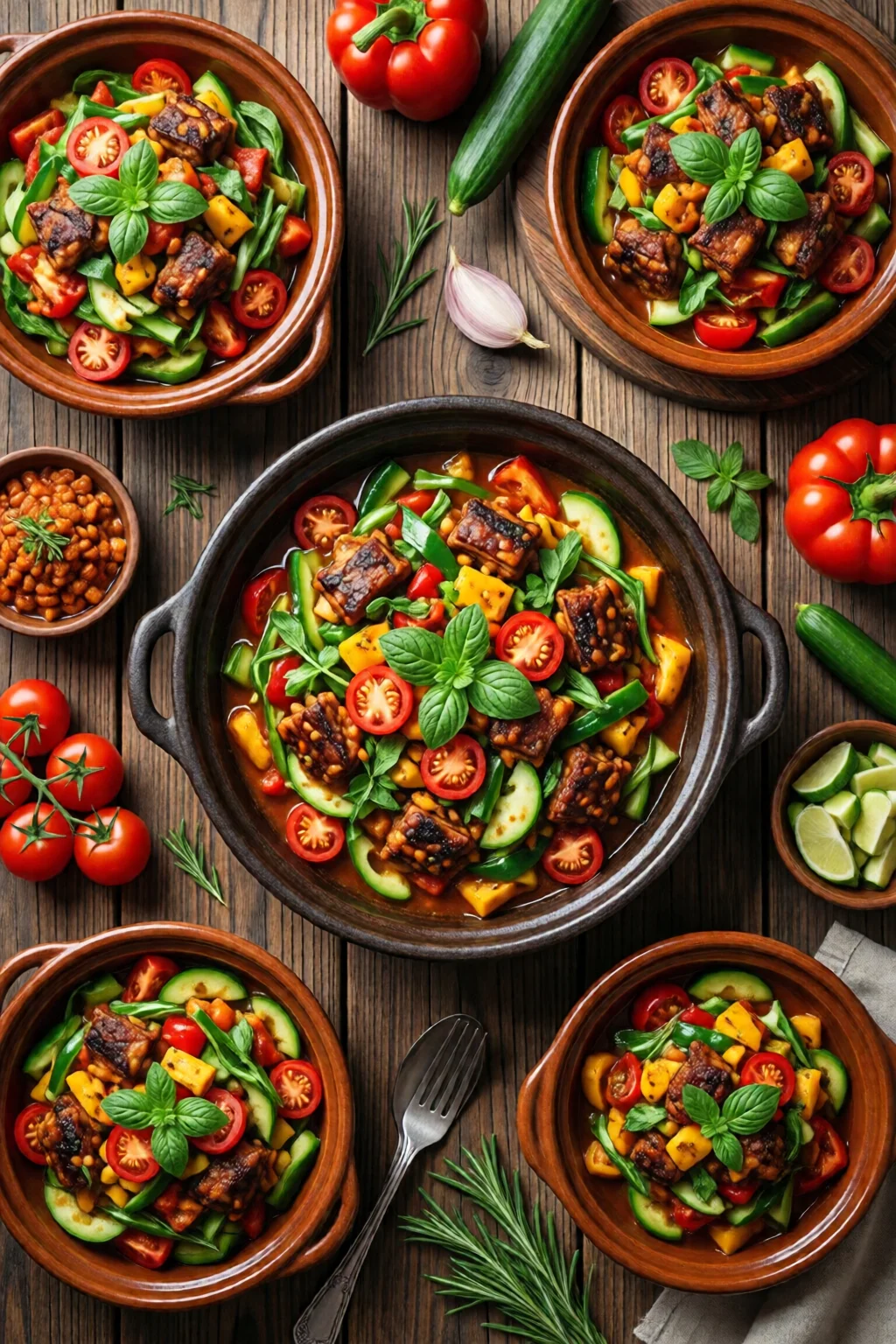
Step 5: Finish with a Simple Cuban Lime‑Cilantro Vinaigrette
This vinaigrette brightens the whole plate and doubles as a dressing for a quick side salad of cucumber and tomato.
- 1 Tbsp lime juice (about ½ lime)
- 2 Tbsp olive oil
- 1 tsp honey
- ¼ tsp salt
- ¼ tsp black pepper
- 2 Tbsp finely chopped cilantro
Whisk all ingredients together in a small bowl. Drizzle over the finished dishes just before serving.
Common Mistakes to Avoid
- Skipping the sofrito – It’s the flavor engine. Without it, the Ropa Vieja tastes flat.
- Over‑cooking the rice – If the rice is mushy, the Moros y Cristianos will be clumpy. Stick to the 18‑minute rule and let the pot rest covered for 5 minutes off heat.
- Using ripe plantains for tostones – Ripe plantains become sweet and soft, which is great for maduros but not for tostones. Always choose green, firm fruit.
- Not letting the meat rest – After shredding, the beef should sit in the sauce for at least 5 minutes; otherwise, the flavors won’t fully integrate.
- Adding salt too early – Salt draws moisture out of vegetables, leading to soggy sofrito. Season at the end of each step.
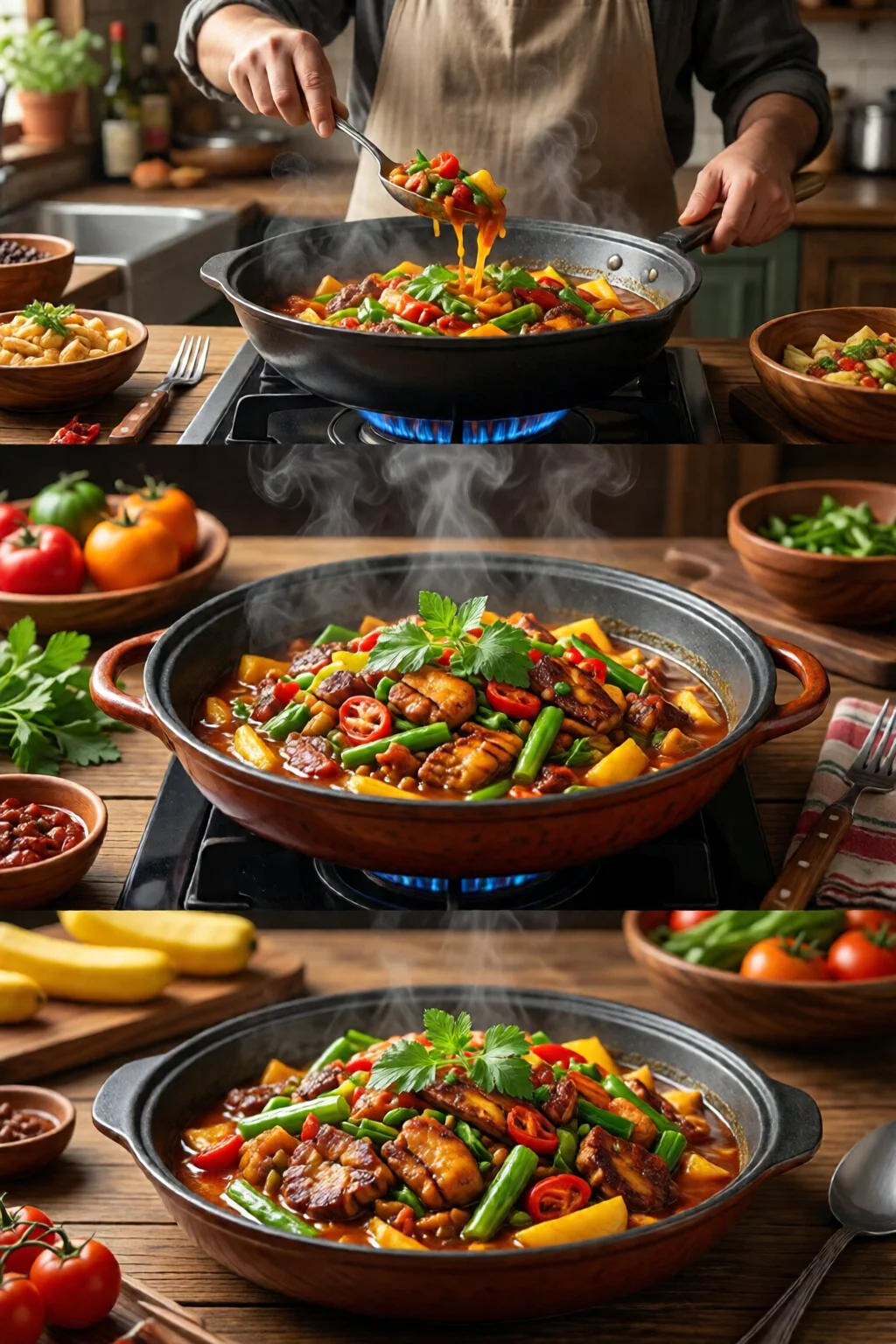
Tips for Best Results (Troubleshooting)
Too acidic? Balance with a pinch of sugar or a splash of orange juice; Cuban cuisine loves a subtle citrus‑sweet harmony.
Dry sauce? Add a ladle of broth, low‑sodium chicken stock, or even a splash of the leftover wine from Step 2.
Beans are gritty? Rinse them thoroughly and consider a quick 5‑minute soak before cooking to remove excess starch.
Need a quicker version? Use a Ninja Foodi Pressure Cooker ($149.99). Cook the beef on high pressure for 45 minutes and release naturally; the texture remains tender.
Want to add a side of greens? Toss baby spinach with the lime‑cilantro vinaigrette; the heat from the hot dishes wilts the leaves instantly.
For more inspiration, check out my Filipino adobo recipe authentic classic for a tangy, soy‑based counterpart, or explore German recipes traditional comfort food for hearty European flavors that pair well with a Cuban spread.
Frequently Asked Questions
Can I substitute pork shoulder with chicken?
Yes. Use bone‑in, skin‑on chicken thighs and follow the same marinating steps. Reduce the simmer time to 45‑60 minutes, as chicken cooks faster.
What if I can’t find Goya black beans?
Any high‑quality canned black beans work. Rinse them well to remove excess sodium, then proceed with the same quantities.
How do I store leftovers?
Cool each component to room temperature, then refrigerate in airtight containers. Ropa Vieja and Moros y Cristianos keep 3‑4 days; reheat gently on low heat, adding a splash of broth if needed.
Can I make a vegetarian version?
Replace the meat with sautéed mushrooms and add a can of chickpeas for protein. Follow the same sofrito base; the flavor remains authentically Cuban.
What beverage pairs best with this meal?
A crisp Cuban rum cocktail such as a Mojito, or a dry white wine like Albariño, complements the citrus notes and balances the richness.
Summary: By mastering the sofrito, shredding the beef for Ropa Vieja, cooking the harmonious Moros y Cristianos, and perfecting twice‑fried tostones, you now have a complete, traditional and flavorful Cuban feast. The key is patience with the base, careful seasoning, and respecting the balance of citrus, garlic, and cumin that defines Cuban cuisine. Serve with a splash of lime, a side of fresh salad, and a cool Mojito, and you’ll transport your guests straight to Havana’s bustling streets. Enjoy the cooking journey, and feel free to experiment—Cuban cooking thrives on personal touches while staying rooted in its vibrant heritage.