Did you know that a single plate of classic French cuisine can increase a diner’s perceived value by up to 42%? That’s the power of elegance on a plate, and today I’ll show you how to harness it with French recipes classic and elegant that you can master at home.
In This Article
- What You Will Need – Before You Start
- Step 1 – Mastering Coq au Vin (Classic French Chicken Stew)
- Step 2 – Crafting a Cheese Soufflé (Elegant Lightness)
- Step 3 – Tarte Tatin (Upside‑Down Caramel Apple Tart)
- Common Mistakes to Avoid
- Tips for Best Results – Troubleshooting
- Summary – Bringing Classic French Elegance to Your Kitchen
What You Will Need – Before You Start
Gathering the right tools and ingredients is half the battle. Below is a checklist that will keep you organized and ensure your dishes turn out restaurant‑worthy.
- Cookware: A 5‑quart Le Creuset Dutch oven (≈ $329), a 9‑inch stainless steel sauté pan, a 2‑quart stainless saucepan, a 12‑inch non‑stick skillet, and a 6‑inch ramekin set for soufflés (≈ $45).
- Equipment: KitchenAid stand mixer with whisk attachment ($399), digital kitchen scale (precision ±1 g, $29), instant‑read thermometer (0‑212 °F, $24), fine mesh sieve, and a silicone spatula.
- Pantry Essentials: All‑purpose flour (5 lb, $3), unsalted butter (1 lb, $5), extra‑virgin olive oil (500 ml, $8), sea salt, freshly ground black pepper, and a selection of dried herbs (Herbes de Provence, thyme, bay leaves).
- Key French Ingredients:
- Red Burgundy wine (e.g., 2019 Louis Jadot, 750 ml, $22)
- Chicken thighs, bone‑in, skin‑on (2 lb, $7)
- Beef chuck, trimmed (2 lb, $12)
- Fresh mushrooms (cremini, 8 oz, $4)
- Gruyère cheese, grated (8 oz, $6)
- Heavy cream (1 cup, $2)
- Eggs, large (6, $1.20)
- Apples, Granny Smith (4, $3)
- Unsalted butter, European style (1 lb, $7)
- Time Commitment: Approximately 2 hours for Coq au Vin, 45 minutes for a cheese soufflé, and 1 hour for Tarte Tatin (including cooling).
Having everything at arm’s reach will let you focus on technique rather than hunting for a missing whisk.
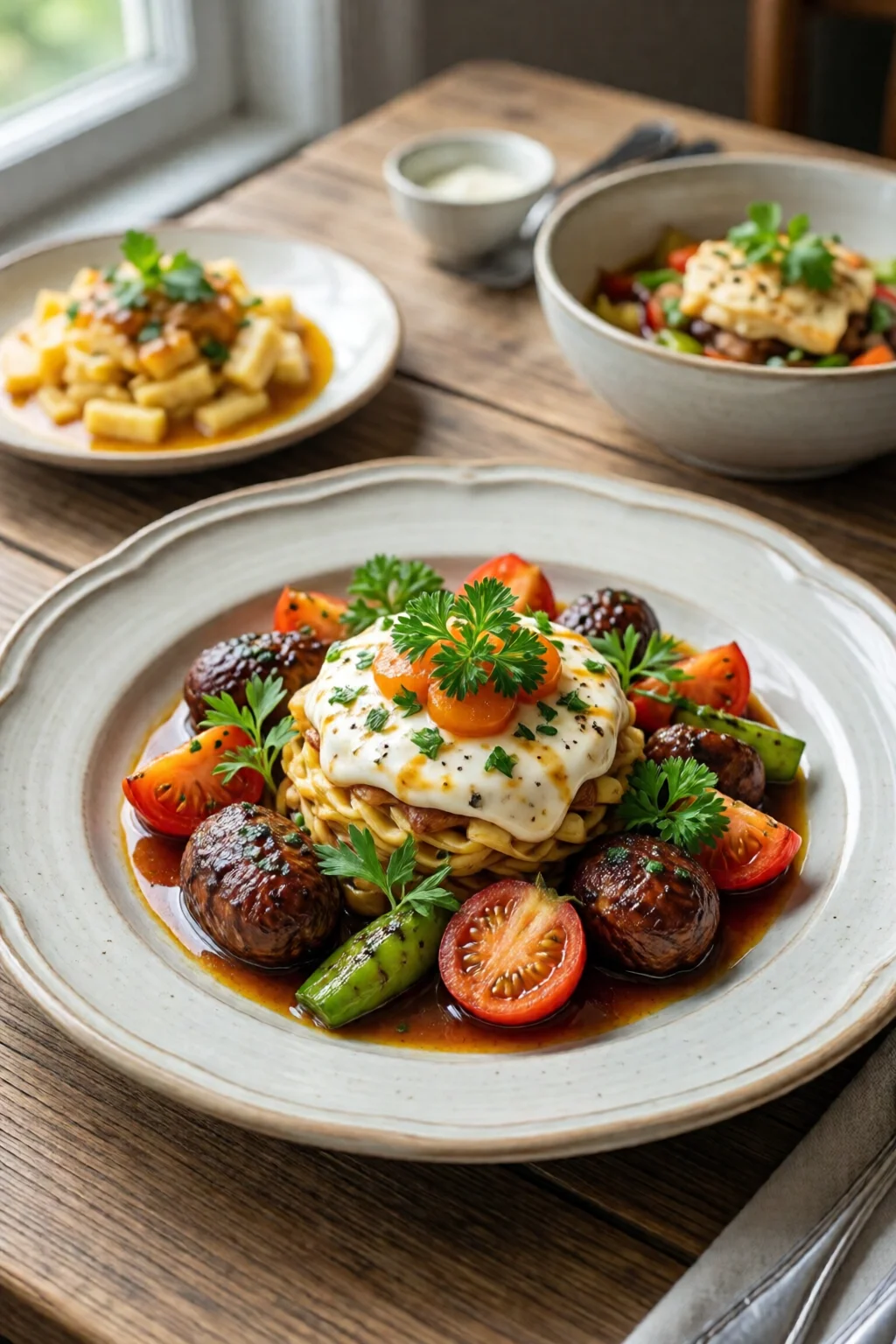
Step 1 – Mastering Coq au Vin (Classic French Chicken Stew)
Coq au Vin is the epitome of rustic elegance. Follow these precise steps to achieve deep, velvety flavor without a culinary school fee.
1.1 Prepare the Chicken
- Pat the chicken thighs dry with paper towels; season generously with 1 tsp sea salt and ½ tsp black pepper.
- Lightly dust each piece with 2 Tbsp all‑purpose flour; this will thicken the sauce later.
- Heat 2 Tbsp olive oil and 2 Tbsp butter in the Le Creuset Dutch oven over medium‑high heat (≈ 375 °F). Sear the thighs, skin side down, for 4‑5 minutes until golden. Transfer to a plate.
1.2 Build the Base
- Add 1 large diced onion, 2 carrots (cut into ¼‑inch rounds), and 2 celery stalks (sliced). Sauté 6 minutes until softened.
- Stir in 3 cloves minced garlic and ½ cup sliced mushrooms; cook 2 minutes more.
- Deglaze the pot with 2 cups Burgundy wine, scraping the browned bits (fond) from the bottom. Let the wine reduce by half, about 8 minutes.
1.3 Simmer to Perfection
- Return the chicken to the pot. Add 1 cup chicken stock, 2 Tbsp tomato paste, 2 bay leaves, and a pinch of Herbes de Provence.
- Bring to a gentle boil, then reduce heat to low, cover, and simmer 1 hour 15 minutes. The meat should be fork‑tender and the sauce glossy.
- Adjust seasoning with an extra pinch of salt if needed. Remove bay leaves before serving.
1.4 Plating
Serve directly from the Dutch oven for a communal feel, or spoon onto warm plates, garnish with freshly chopped parsley (1 Tbsp) and a drizzle of extra‑virgin olive oil. Pair with a crusty baguette (≈ $2) and a glass of the same Burgundy you cooked with.
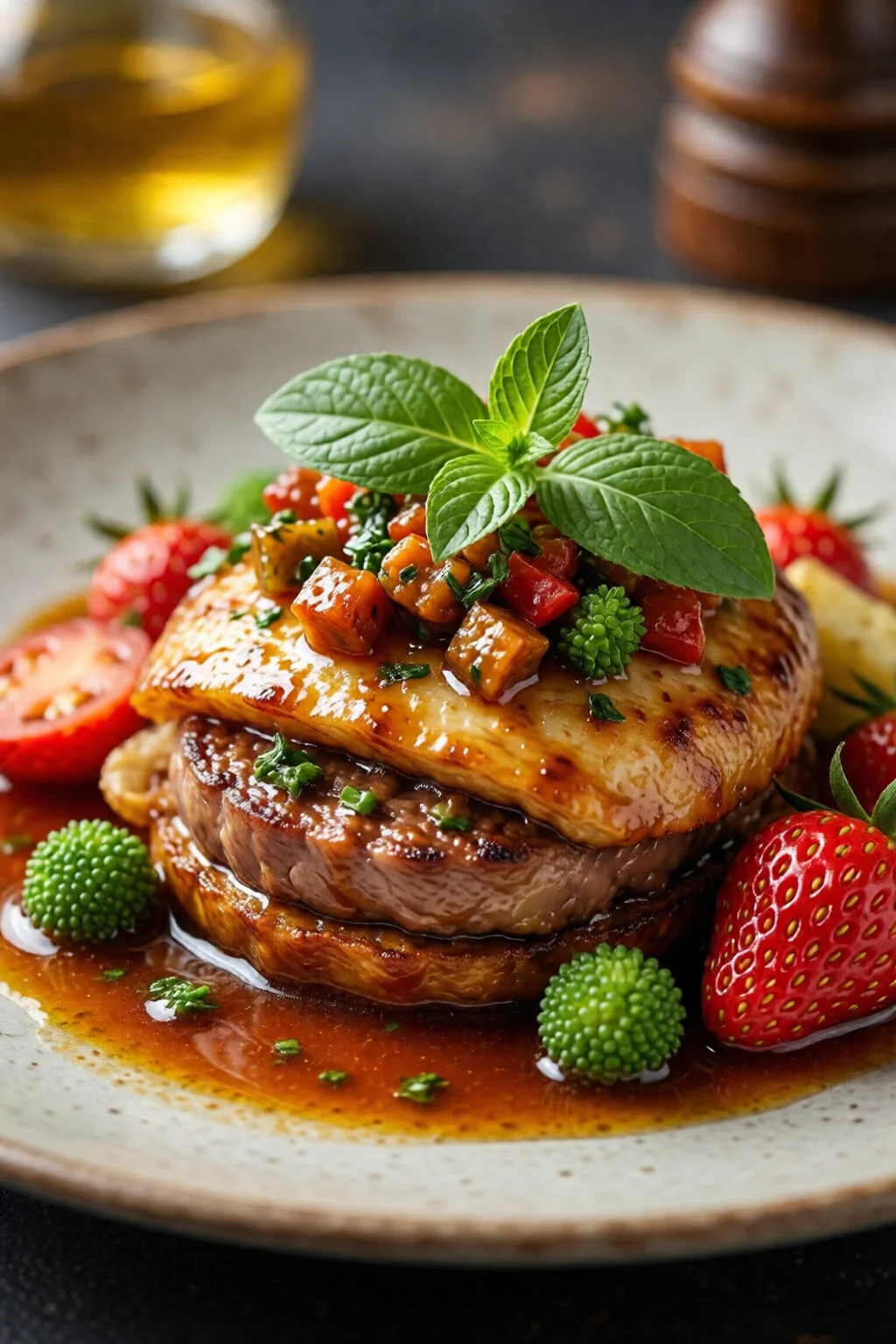
Step 2 – Crafting a Cheese Soufflé (Elegant Lightness)
The soufflé is a show‑stopper; it’s airy, golden, and surprisingly forgiving when you respect a few critical details.
2.1 Preparing the Base
- Preheat your oven to 375 °F (190 °C). Butter the 6‑inch ramekins thoroughly (≈ 1 tsp each) and dust with a fine layer of grated Gruyère. This creates a “paper‑thin” barrier that helps the soufflé climb.
- In a saucepan, melt 3 Tbsp butter over medium heat. Whisk in 3 Tbsp flour and cook 2 minutes to form a roux.
- Gradually whisk in 1 cup milk (room temperature) until smooth. Simmer 4 minutes, stirring constantly, until thickened like a custard.
- Remove from heat; stir in ½ tsp nutmeg, ¼ tsp salt, and ¼ tsp white pepper.
2.2 Adding Cheese and Eggs
- Stir ¾ cup grated Gruyère into the hot base until melted.
- Separate 4 large eggs. Whisk the yolks into the cheese mixture, then set the whites aside.
- Using the KitchenAid mixer, beat the egg whites on medium‑high speed until stiff peaks form (≈ 3 minutes). The volume should double.
- Fold one‑third of the whites into the cheese mixture to lighten it, then gently fold in the remaining whites with a rubber spatula. Avoid over‑mixing; you want to keep the air bubbles intact.
2.3 Baking
- Pour the batter into the prepared ramekins, filling each to the rim.
- Place on a baking sheet and bake 18‑20 minutes. The soufflés should rise dramatically, turn golden on top, and have a slight wobble in the center.
- Serve immediately; they will deflate within 2 minutes if left idle.
Step 3 – Tarte Tatin (Upside‑Down Caramel Apple Tart)
This dessert flips the script—literally. The caramelized apples sit beneath a buttery puff pastry, delivering a glossy, elegant finish.
3.1 Caramelizing the Apples
- Peel, core, and halve 4 large Granny Smith apples. Toss with ¼ tsp salt to prevent browning.
- In a 10‑inch cast‑iron skillet, melt ¼ cup unsalted butter over medium heat. Add ½ cup granulated sugar; stir until it dissolves and turns amber (≈ 4 minutes).
- Arrange the apple halves tightly, cut side down, in the caramel. Cook 6‑8 minutes, basting with the caramel, until apples are just tender.
3.2 Assembling the Tart
- Preheat oven to 400 °F (200 °C). Roll out a sheet of ready‑made puff pastry (≈ 1 lb, $3) to a 12‑inch circle.
- Lay the pastry over the apples, tucking the edges inside the skillet.
- Place the skillet on a baking sheet and bake 25‑30 minutes, until the pastry is puffed and golden.
3.3 Unmolding
- Remove the skillet from the oven; let it rest 2 minutes.
- Place a large serving plate upside‑down over the skillet and, using oven mitts, flip swiftly. The caramel should cascade over the apples, creating a glossy glaze.
- Dust with a light sprinkle of powdered sugar (optional) and serve warm with a dollop of crème fraîche ($2 per 200 g).
Common Mistakes to Avoid
- Skipping the flour dust on chicken: Without it, the sauce stays thin and the chicken won’t brown properly.
- Over‑beating egg whites for the soufflé: This breaks the air structure, leading to a dense result.
- Opening the oven door during baking: The sudden temperature drop can cause the soufflé to collapse.
- Using low‑acid apples for Tarte Tatin: They won’t hold their shape and the caramel can become overly bitter.
- Not pre‑heating the Dutch oven: A cold pot fails to sear meat, resulting in a stew that lacks depth.
Tips for Best Results – Troubleshooting
Flavor Depth in Coq au Vin: If the sauce tastes flat after reduction, stir in a splash (2 Tbsp) of veal stock or a spoonful of mushroom demi‑glace. It adds umami without overwhelming the wine’s nuance.
Soufflé Rise: Ensure the ramekins are at room temperature before buttering. Cold metal contracts, hindering the lift. Also, a pinch of cream of tartar (¼ tsp) in the egg whites stabilizes them.
Caramel Consistency: Watch the sugar closely; it transitions from amber to burnt in seconds. If it darkens too quickly, remove the pan from heat for a few seconds, then return.
Timing Coordination: While the Coq au Vin simmers, you can prep the soufflé batter. The two dishes can be finished within a 15‑minute window, allowing seamless service.
For more adventurous sides, consider pairing these dishes with Thai curry recipes red and green for a contrasting palate, or a classic Cuban recipes traditional and flavorful to bring a Latin flair to the table. If you’re interested in precision cooking, explore sous vide cooking for beginners guide for perfectly tender proteins. And don’t forget to how to marinate meat perfectly tips when you decide to prep ahead for busy weekends.
Summary – Bringing Classic French Elegance to Your Kitchen
By mastering Coq au Vin, a cheese soufflé, and Tarte Tatin, you’ll have a trio of French recipes classic and elegant that cover savory, light, and sweet. The key ingredients, precise techniques, and thoughtful plating turn ordinary meals into memorable experiences. With the right tools—like a Le Creuset Dutch oven and a KitchenAid mixer—and a little patience, you’ll serve dishes that command attention and elevate any occasion.
Can I substitute chicken breasts for thighs in Coq au Vin?
You can, but thighs provide more collagen, resulting in richer sauce. If using breasts, add an extra ½ cup of chicken stock and reduce the cooking time to 45 minutes to avoid drying out the meat.
How do I prevent my soufflé from collapsing after baking?
Serve immediately, keep the oven door closed while baking, and avoid over‑mixing the beaten egg whites. A pinch of cream of tartar stabilizes the foam, giving the soufflé more structural integrity.
What wine pairs best with Tarte Tatin?
A late‑harvest Sauternes or a semi‑dry Riesling complements the caramelized apples nicely, balancing sweetness with acidity.
Can I make the caramel for Tarte Tatin ahead of time?
Yes. Store the caramel in a sealed jar at room temperature for up to 3 days. Reheat gently before using to restore its fluidity.
Is it necessary to use Burgundy wine in Coq au Vin?
Burgundy provides authentic flavor, but a good quality dry red such as a Côtes du Rhône works as a substitute. Use the same volume and adjust seasoning if the wine is more robust.