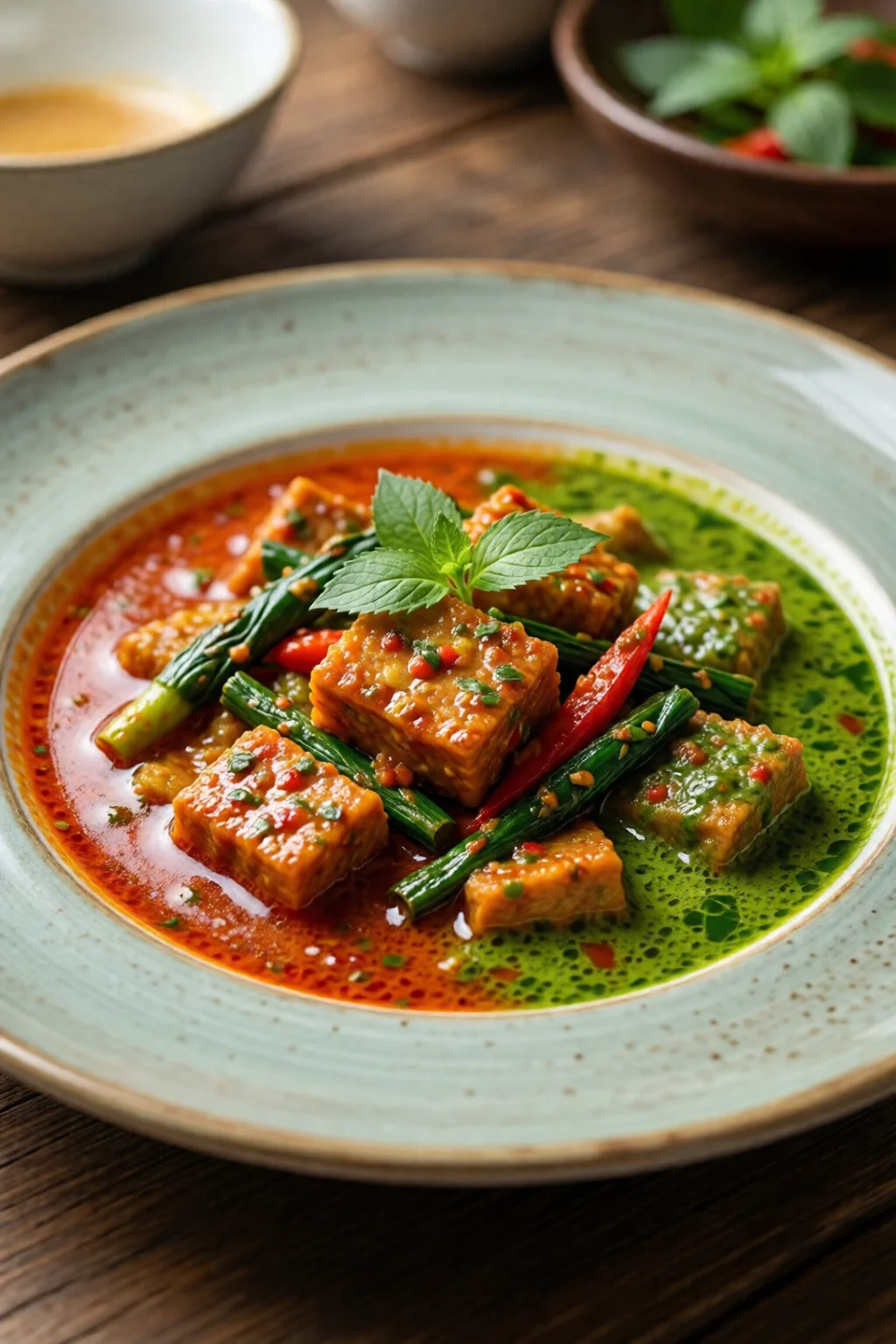
Master the art of Thai curry recipes red and green in just one sitting, and serve up restaurant‑quality heat and aroma from your own kitchen.
In This Article
- What You Will Need (Before You Start)
- Step 1 – Prep Your Ingredients
- Step 2 – Toast the Curry Paste
- Step 3 – Build the Sauce
- Step 4 – Cook the Protein
- Step 5 – Finish with Fresh Herbs and Acid
- Step 6 – Serve
- Common Mistakes to Avoid
- Troubleshooting and Tips for Best Results
- Variations Worth Trying
- Side Dish Pairings
- Summary Conclusion
- Frequently Asked Questions
What You Will Need (Before You Start)
Gather these ingredients and tools so you’re not scrambling mid‑cook. The list covers both the classic red and green versions, plus a few optional upgrades that I swear by.
- Thai curry pastes: 2 oz (56 g) of Mae Ploy Red Curry Paste ($4.99) and 2 oz of Mae Ploy Green Curry Paste ($5.49). The authentic fermented shrimp paste in these jars gives depth that cheap supermarket versions lack.
- Coconut milk: 2 cups (480 ml) of Aroy-D Coconut Milk ($3.29 per 13.5‑oz can). Full‑fat, not the “lite” version, for that silky mouthfeel.
- Protein: 1 lb (450 g) chicken thigh, 1 lb (450 g) shrimp, or 1 lb (450 g) firm tofu for a vegetarian spin. In my experience, chicken thigh stays juicy even after a 20‑minute simmer.
- Veggies: 1 cup sliced bamboo shoots, 1 cup sliced bell peppers (red for red curry, green for green), ½ cup Thai eggplant, ¼ cup fresh Thai basil, and 2 tbsp chopped cilantro.
- Seasonings: 2 tbsp fish sauce, 1 tbsp palm sugar (or light brown sugar), 1 tsp lime juice, and a pinch of sea salt.
- Oil: 2 tbsp grapeseed oil (high smoke point, neutral flavor).
- Accompaniments: 2 cups jasmine rice (see my how to make perfect rice every time guide), and optional lime wedges.
- Equipment: Large heavy‑bottomed saucepan or wok, wooden spoon, kitchen timer, and a sharp chef’s knife.
Tip: If you can’t find Thai basil, substitute with a mix of regular basil and a few leaves of mint. It won’t be identical, but the fragrance remains bright.
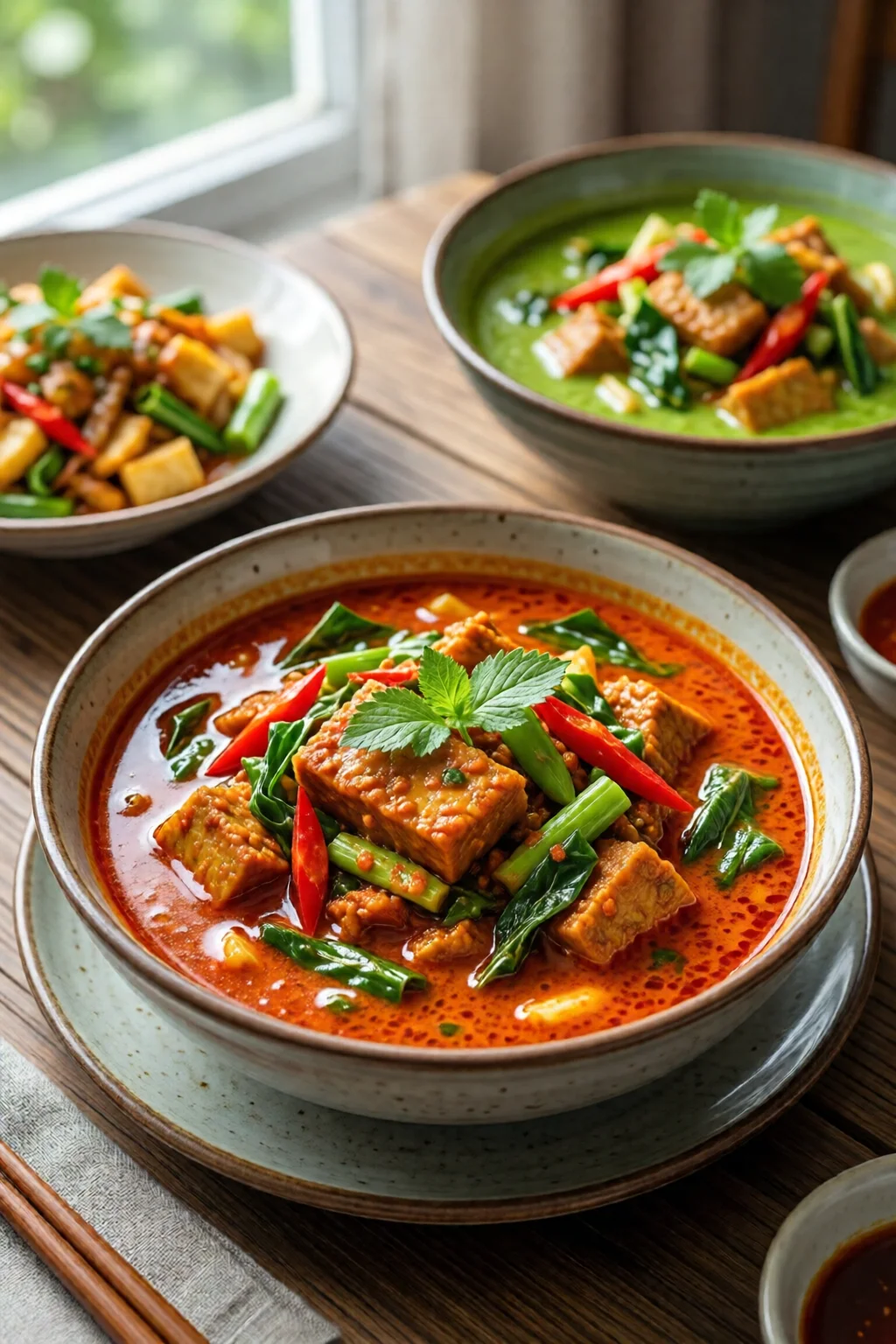
Step 1 – Prep Your Ingredients
Time‑saving starts here. Cut the chicken into 1‑inch bite‑size pieces, peel and devein the shrimp, and press tofu to remove excess moisture (about 15 minutes between two plates). Slice the veggies uniformly—this ensures they finish cooking at the same moment as the protein.
Measure out the curry pastes, fish sauce, sugar, and coconut milk into separate bowls. Having everything pre‑measured reduces the risk of burning the paste, a common mistake that turns a fragrant curry bitter.
Step 2 – Toast the Curry Paste
Heat the grapeseed oil over medium‑high heat until shimmering (about 180 °F). Add 1 oz of the chosen curry paste (red or green). Stir constantly with a wooden spoon; you’ll hear a faint sizzle and the aromas will rise within 30 seconds. If the paste starts to stick, add a splash of coconut milk to de‑glaze.
In my kitchen, this “toast” step takes exactly 1 minute for red paste and 45 seconds for green. Over‑toasting scorches the chilies, making the curry taste burnt rather than fragrant.
Step 3 – Build the Sauce
Pour the remaining coconut milk into the pan, whisking to blend the toasted paste into a smooth, glossy sauce. Bring to a gentle boil, then lower to a simmer. Add the palm sugar and fish sauce; stir until fully dissolved. Taste at this stage: you should feel a balance of salty, sweet, and a hint of heat.
For a spicier red curry, add ½‑1 tsp of Thai bird’s eye chilies, finely sliced. For a milder green, drop in a few slices of fresh ginger instead of extra chilies.
Step 4 – Cook the Protein
Add your protein to the simmering sauce. Chicken and tofu need about 10‑12 minutes; shrimp only 3‑4 minutes until they turn pink and opaque. Keep the sauce at a low simmer; a rolling boil will toughen the meat.
When the protein is cooked through, toss in the bamboo shoots, bell peppers, and Thai eggplant. Simmer for another 3‑4 minutes—just enough to keep the veggies crisp.
Step 5 – Finish with Fresh Herbs and Acid
Turn off the heat and immediately stir in the fresh Thai basil, cilantro, and lime juice. The residual heat wilts the basil without cooking off its volatile oils, preserving that signature Thai fragrance.
Cover the pan for 2 minutes to let the flavors meld, then give it one final stir.
Step 6 – Serve
Spoon the steaming curry over a mound of jasmine rice. Garnish with extra basil leaves, lime wedges, and a drizzle of extra coconut milk if you like a richer mouthfeel. Pair with a crisp Thai cucumber salad or a side of Lebanese recipes tabbouleh and kibbeh for a cross‑cultural feast.
Common Mistakes to Avoid
- Using low‑fat coconut milk: The fat is the carrier for the curry’s spice oils. Skim milk yields a watery, bland sauce.
- Adding the curry paste to cold oil: The paste won’t release its aromatics fully, resulting in a muted flavor.
- Over‑cooking the vegetables: They become mushy and lose the bright crunch that balances the rich sauce.
- Skipping the fish sauce: Many Western cooks substitute soy sauce, but the umami depth of fish sauce is irreplaceable in authentic Thai curry.
- Neglecting to taste and adjust: A dash more sugar or lime can rescue a curry that feels too salty or too spicy.
Troubleshooting and Tips for Best Results
Too thin? Reduce the sauce by simmering uncovered for 5‑7 minutes; it will thicken and intensify.
Too salty? Add a splash of coconut milk and a pinch of sugar; the fat and sweetness counteract salt.
Too spicy? Stir in a spoonful of peanut butter or a few extra coconut milk ounces; the fat mellows the heat.
Want a deeper color? Roast the curry paste in a dry pan for 20 seconds before adding oil—this caramelizes the chilies and deepens the hue.
For meal prep, freeze the uncooked paste‑and‑coconut mixture in zip‑top bags (up to 3 months). When ready, just thaw, add protein, and finish the cooking steps.
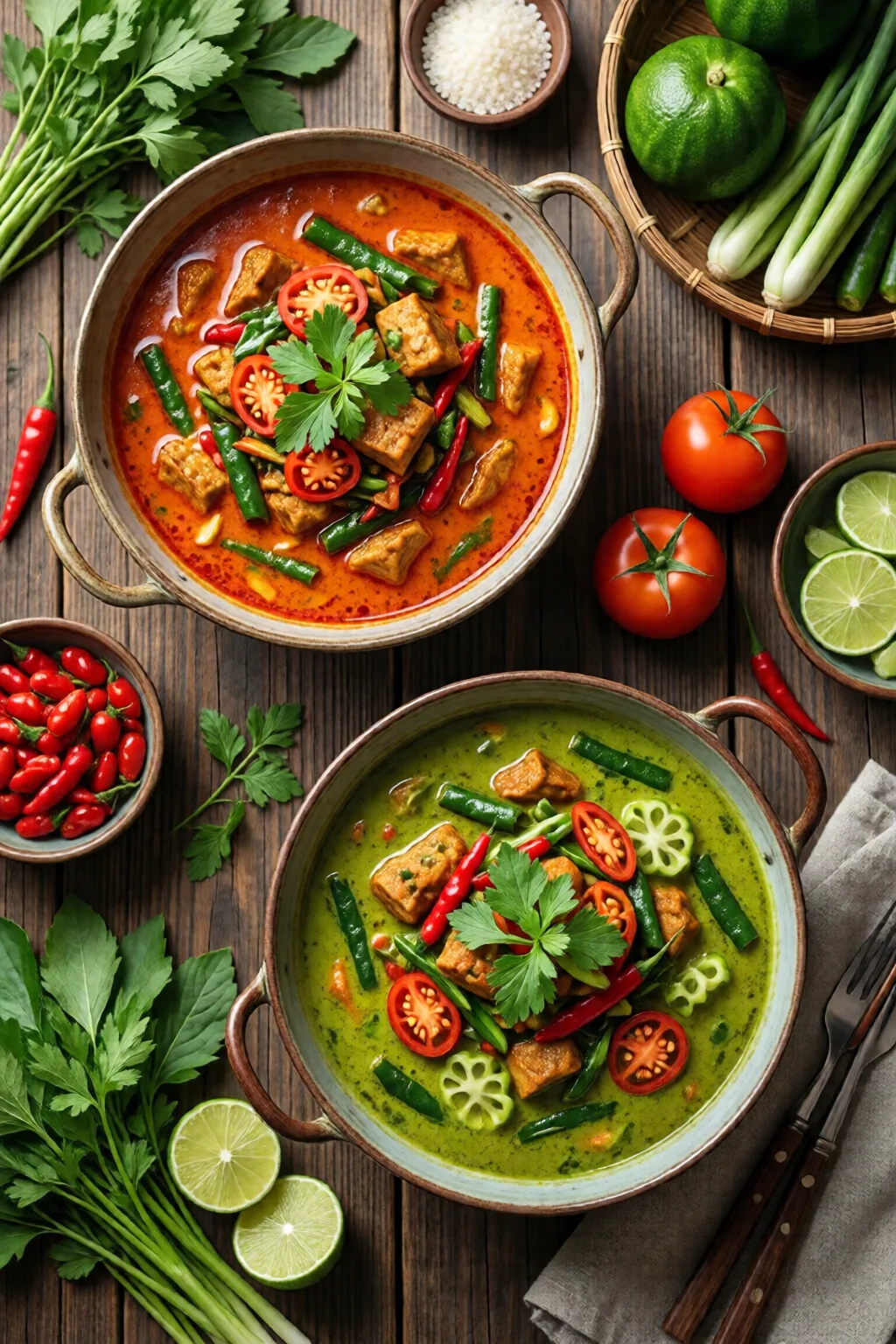
Variations Worth Trying
- Red Curry with Pineapple: Add ½ cup diced fresh pineapple in Step 4 for a sweet‑savory twist.
- Green Curry with Peanut Sauce: Stir in 2 tbsp smooth peanut butter after Step 5 for a creamy, nutty finish.
- Vegan Version: Use tofu, replace fish sauce with 1 tbsp soy sauce + ½ tsp seaweed flakes, and add extra veggies like baby corn.
- High‑Protein Boost: Toss in ½ cup cooked lentils or chickpeas during Step 4; they absorb the sauce beautifully.
Side Dish Pairings
Thai curries are versatile. Pair them with:
- Stir‑fried morning glory (Thai spinach) – quick, peppery, and green.
- Simple cucumber salad with rice vinegar and a pinch of sugar – cuts the richness.
- Grilled lemongrass chicken – reinforces the citrus notes in the curry.
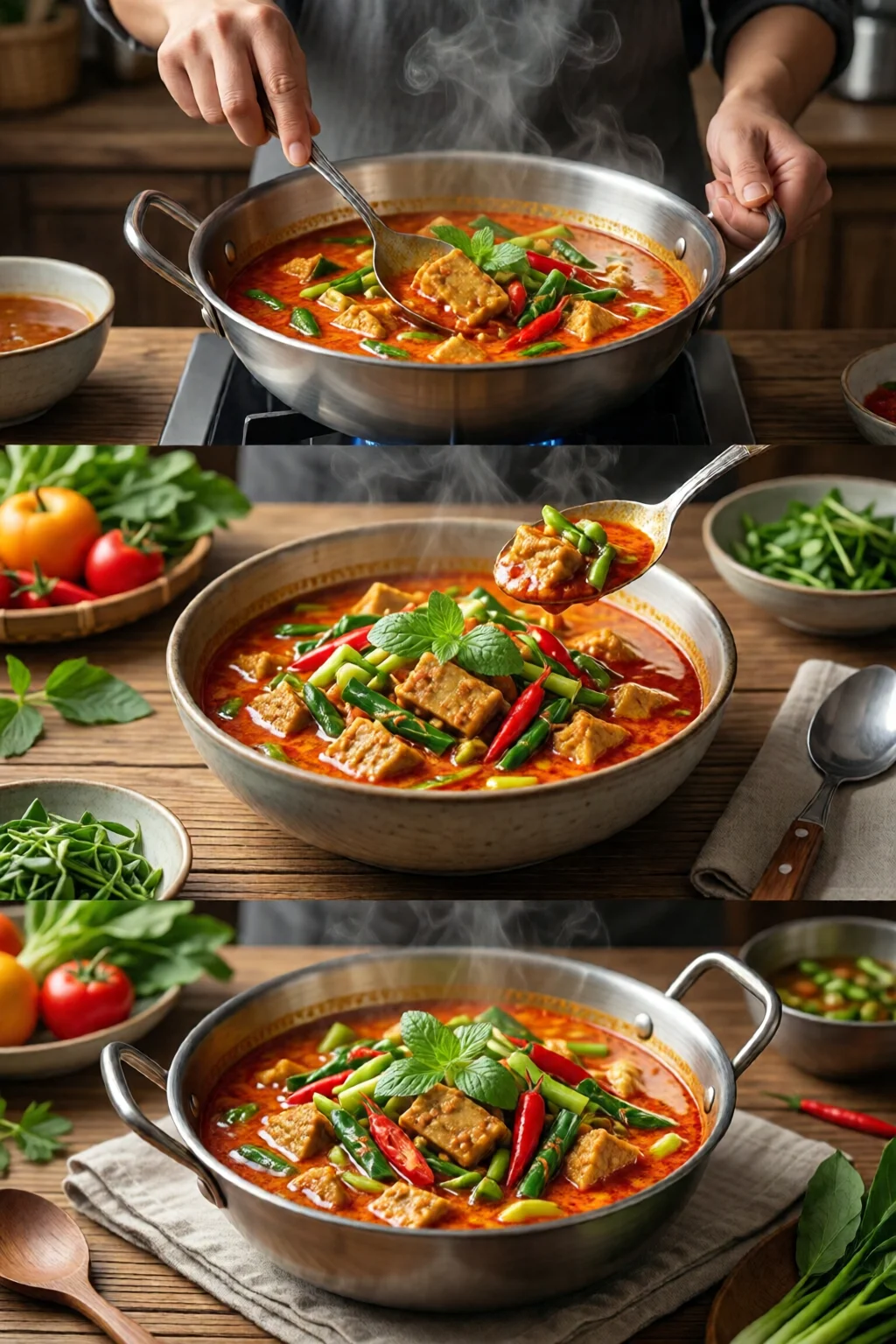
Summary Conclusion
With the right ingredients, a few focused steps, and an eye on common pitfalls, you can reliably reproduce Thai curry recipes red and green that taste like they came from a Bangkok street stall. The process takes about 30 minutes of active time, yields a dish that feeds four, and leaves room for creative twists. Remember: toast the paste, keep the sauce simmering, finish with fresh herbs, and always taste before serving. Happy cooking!
Frequently Asked Questions
Can I make Thai curry without store‑bought curry paste?
Yes. Blend fresh chilies, lemongrass, galangal, kaffir lime zest, garlic, shallots, shrimp paste, and a pinch of coriander seeds in a food processor. The homemade paste costs about $2.50 per batch and delivers a brighter flavor.
What’s the difference between red and green Thai curry?
Red curry gets its color from dried red chilies and is generally hotter and richer, while green curry uses fresh green chilies, cilantro stems, and Thai basil, giving it a fresher, herbaceous profile.
How long can leftover curry be stored?
Refrigerate in an airtight container for up to 4 days. Reheat gently over low heat, adding a splash of coconut milk if the sauce thickens too much.
Is fish sauce essential for authentic flavor?
It is a cornerstone of Thai umami. If you’re allergic or vegan, substitute with soy sauce + a pinch of seaweed or mushroom seasoning, but the depth will be slightly different.
Can I freeze the curry after it’s cooked?
Absolutely. Cool it quickly, portion into freezer bags, and store for up to 3 months. Thaw overnight in the fridge and finish with a quick simmer before serving.
2 commentaires sur « Thai Curry Recipes Red And Green – Everything You Need to Know »