It was a rainy Tuesday in my tiny Tokyo‑style kitchen when I finally decided to stop ordering take‑out and tackle a Japanese ramen recipe from scratch. The steam rose, the broth darkened to a glossy mahogany, and the first slurp reminded me why I fell in love with ramen as a teenager watching my mother stir a pot for hours. If you’ve ever stared at a menu and wondered how that bowl of silky noodles, melt‑in‑your‑mouth pork, and aromatic broth comes together, you’re in the right place. Below is the step‑by‑step guide that turns a daunting culinary myth into a doable weekend project.
In This Article
We’ll break down every component—broth, noodles, tare, and toppings—so you can customize the flavor profile, control the cost, and, most importantly, avoid the common pitfalls that turn a promising pot into a bland disappointment. By the end, you’ll have a fully functional Japanese ramen recipe from scratch that rivals your favorite ramen‑ya, and you’ll know exactly how long each step takes and what you’re spending.
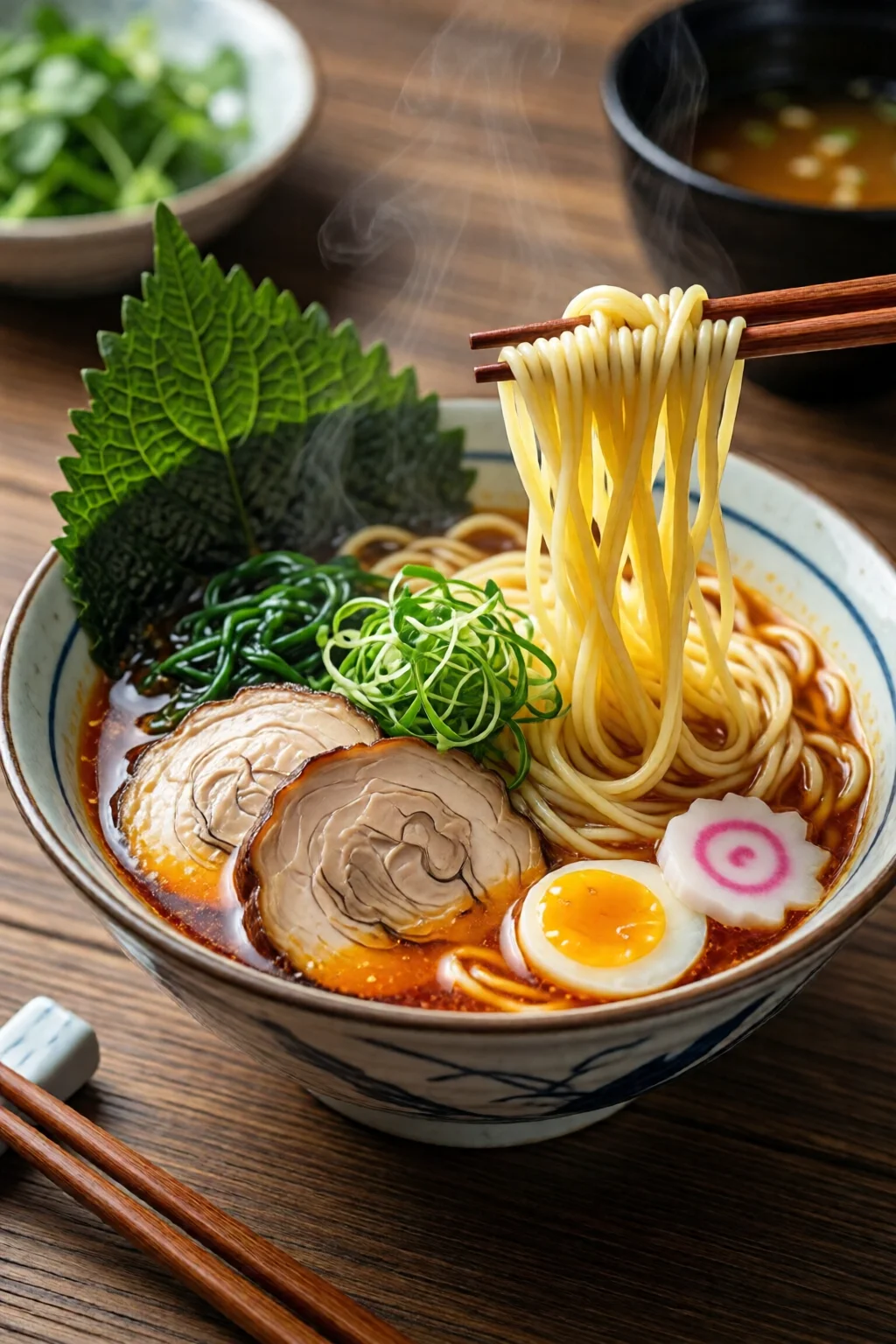
The Foundations of Authentic Ramen
Broth Basics: Types and Flavor Foundations
Ramen broth can be classified into four primary families: shoyu (soy sauce), shio (salt), miso (fermented soybean paste), and tonkotsu (pork bone). Each starts with a base stock—usually chicken, pork, or kombu (kelp)—and is layered with aromatics. For a truly authentic experience, I recommend beginning with a tonkotsu stock because its richness carries the other flavors beautifully, even if you later finish the bowl with a shoyu or miso tare.
Noodle Types: Wheat vs. Egg vs. Gluten‑Free
Traditional ramen noodles use high‑gluten wheat flour (around 13% protein). My favorite brand is Myojo “Ramen Noodles” (500 g for $8). If you’re avoiding gluten, you can substitute rice flour and tapioca starch, but expect a chewier texture. The noodle’s alkaline component, usually kansui (a sodium carbonate solution), raises the pH, giving the characteristic yellow hue and firm bite.
Tare (Seasoning Sauce): The Soul of the Soup
Tare is the concentrated flavoring added to the finished broth. A classic shoyu tare mixes Kikkoman Soy Sauce (1 cup, $3), mirin (¼ cup, $2), and a splash of sake (2 Tbsp, $4). For miso, blend red miso paste (3 Tbsp, $5) with a bit of dashi stock. Keep tare at 1:4 ratio with the final broth, adjusting to taste.
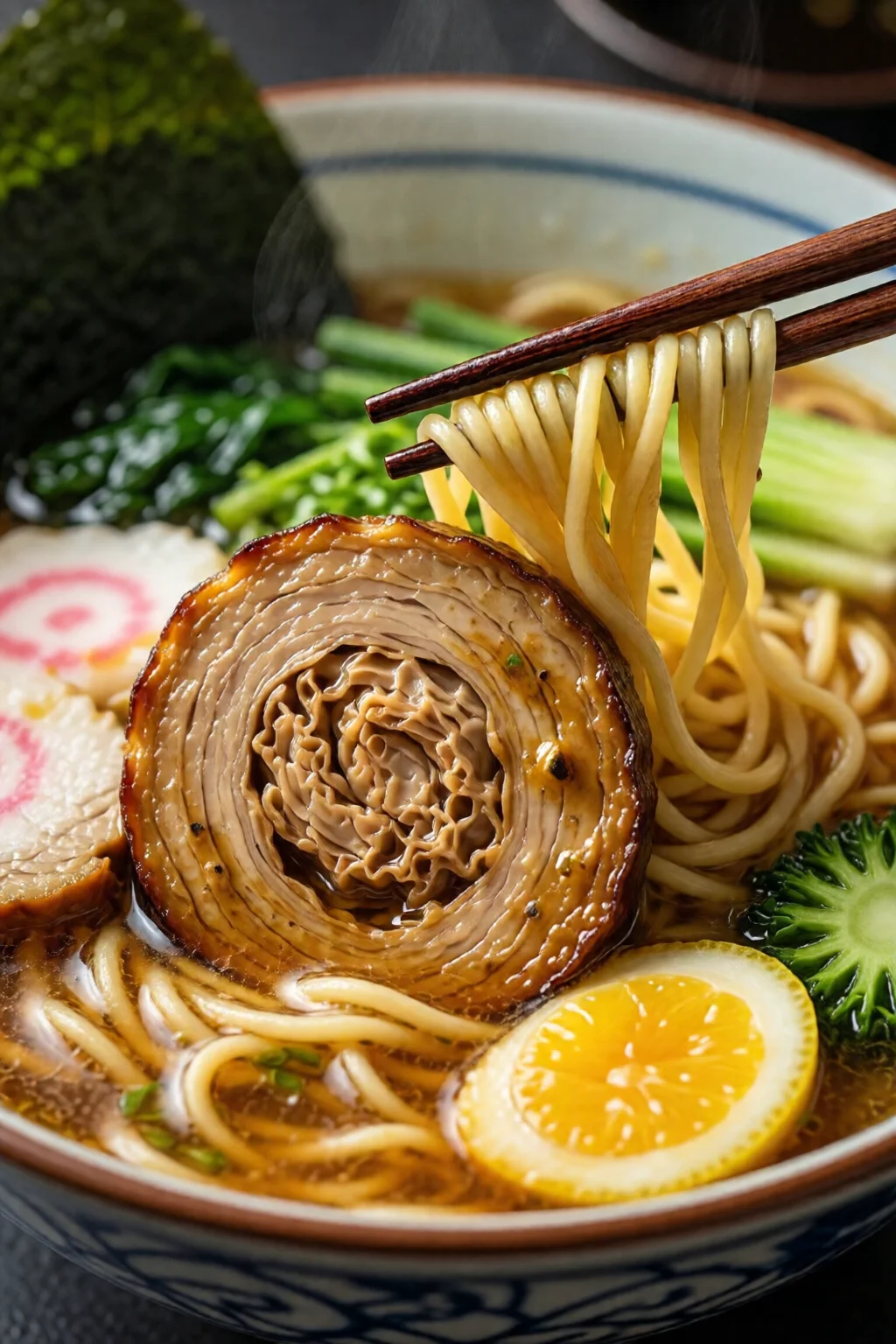
Building the Tonkotsu Pork Bone Broth
Selecting Bones and Aromatics
Buy pork neck bones, femur, and trotters—about 3 lb total. In my experience, a mix of 60% marrow bones and 40% meat‑on‑bone yields a creamy mouthfeel without excessive cloudiness. Add 1 large onion (quartered), 1 head garlic (smashed), a 2‑inch piece of ginger, and a handful of dried shiitake mushrooms for umami depth.
Simmering Technique and Timing
Rinse the bones, then blanch them in boiling water for 10 minutes to remove impurities. Drain, rinse, and transfer to a 12‑quart stockpot. Cover with cold water (about 12 cups) and bring to a rolling boil. Reduce to a vigorous simmer—keep bubbles breaking the surface— for 6 hours. Stir every 30 minutes to prevent scorching. The long simmer emulsifies the collagen, turning the broth opaque and velvety.
Skimming, Flavor Enhancements, and Storage
During the first hour, skim the foam diligently; it contains blood and proteins that cloud the flavor. After 3 hours, add 2 Tbsp of Kombu dashi powder ($0.50) and 1 Tbsp of roasted sesame oil for a nutty finish. Strain through a fine mesh and chill. The broth can be frozen in 1‑liter portions for $2 per batch, saving you time on future ramen nights.
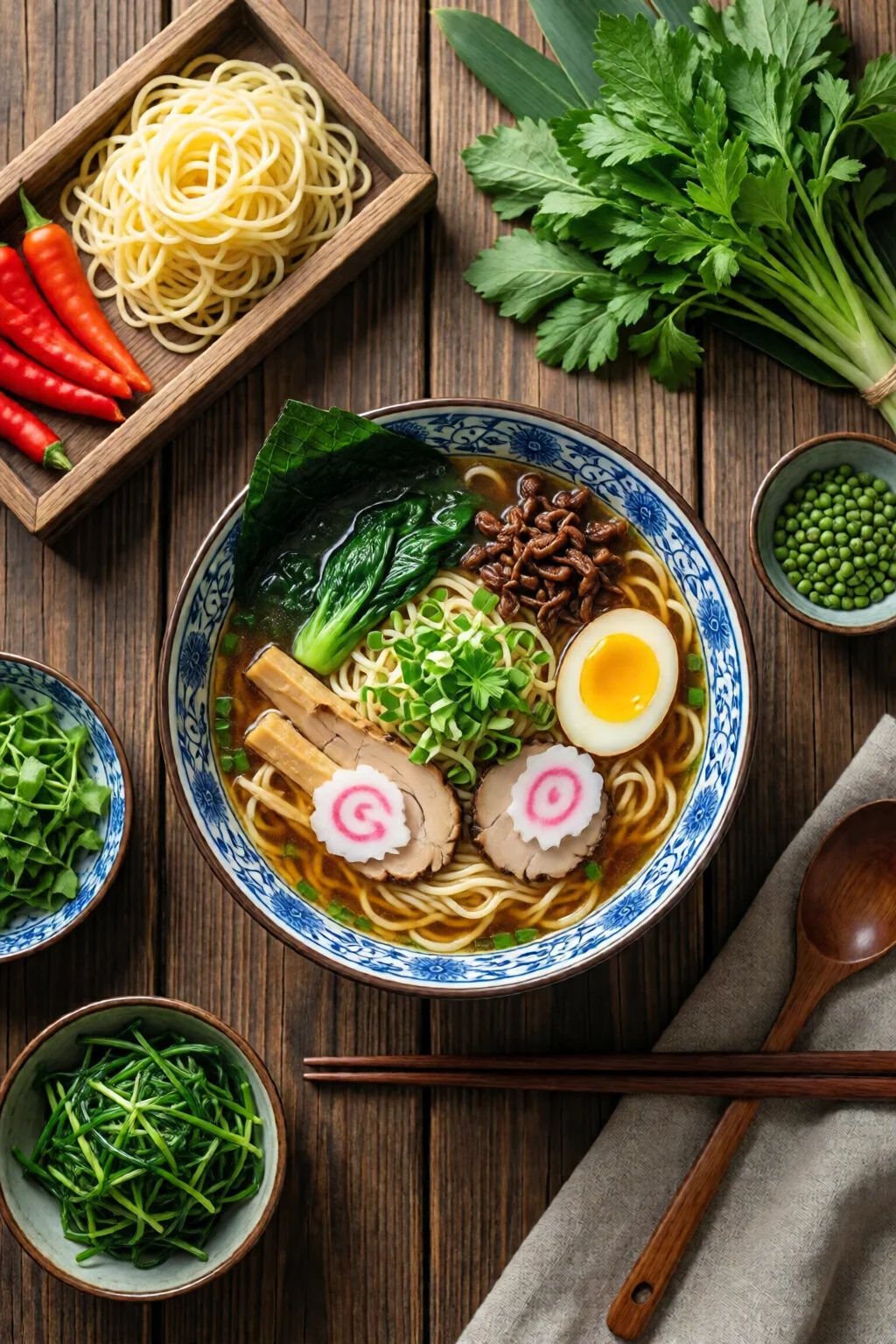
Crafting the Perfect Ramen Noodles from Scratch
Flour Selection and Alkaline Solution
Combine 400 g high‑gluten wheat flour, 100 g “00” flour, and 5 g kansui (or 2 tsp baking soda dissolved in 30 ml water). Add 180 ml warm water (≈110 °F). Mix until a shaggy dough forms, then knead for 10 minutes until smooth. Let rest covered for 30 minutes to relax the gluten.
Dough Mixing, Rolling, and Cutting
After resting, roll the dough to 1‑mm thickness using a pasta machine (e.g., Marcato Atlas 150, $180). Cut into 2‑mm ribbons—these become your ramen noodles. Dust lightly with flour to prevent sticking, then lay on a floured tray for 15 minutes before cooking.
Cooking the Noodles
Boil a large pot of water, add a pinch of salt, then drop the noodles in. Fresh noodles cook in 1–2 minutes; overcooking makes them mushy. Immediately rinse under cold water to stop the cooking process, then toss with a drizzle of sesame oil to keep them separate.
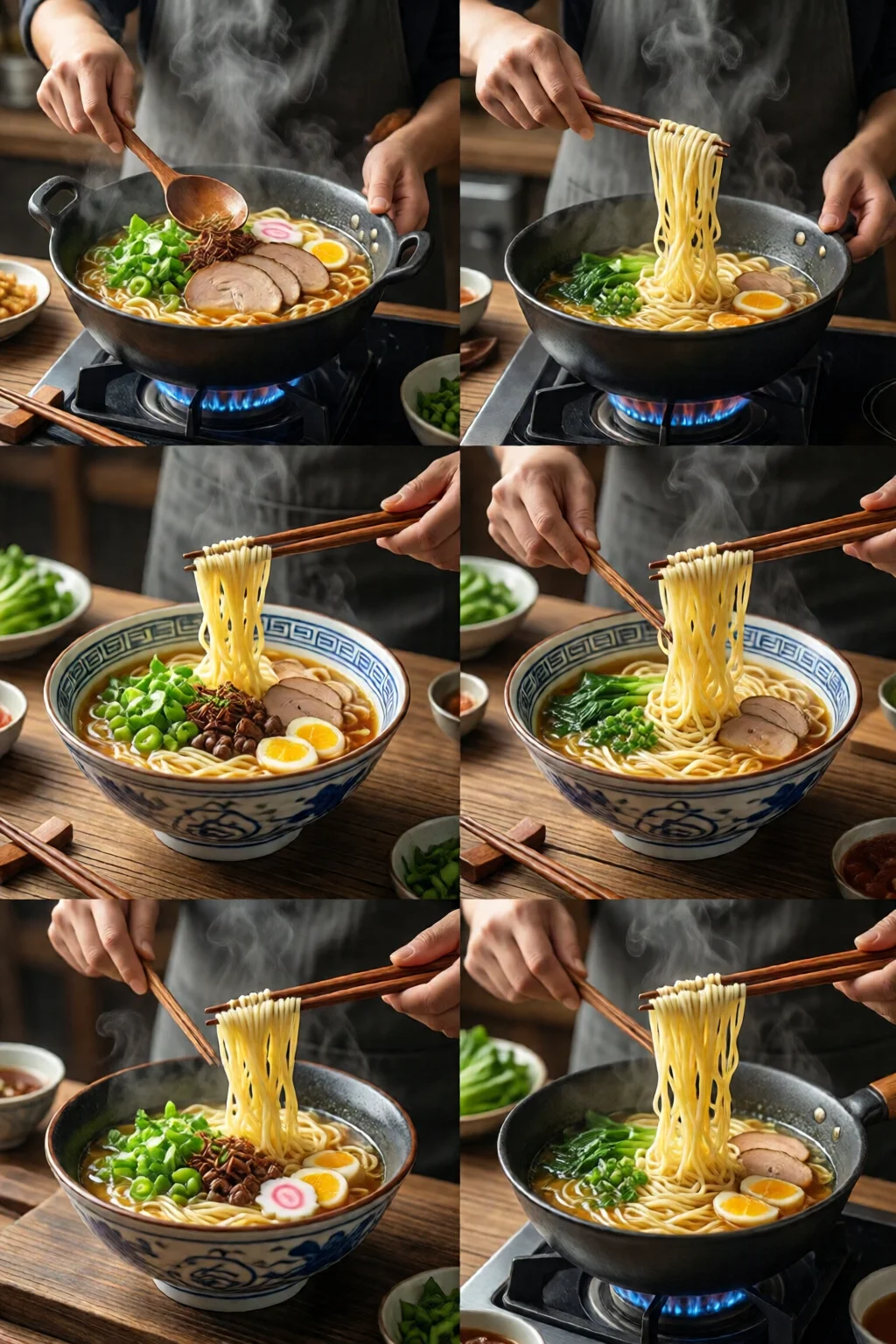
Assembling the Bowl: From Broth to Final Garnish
Preparing Toppings
Traditional toppings include:
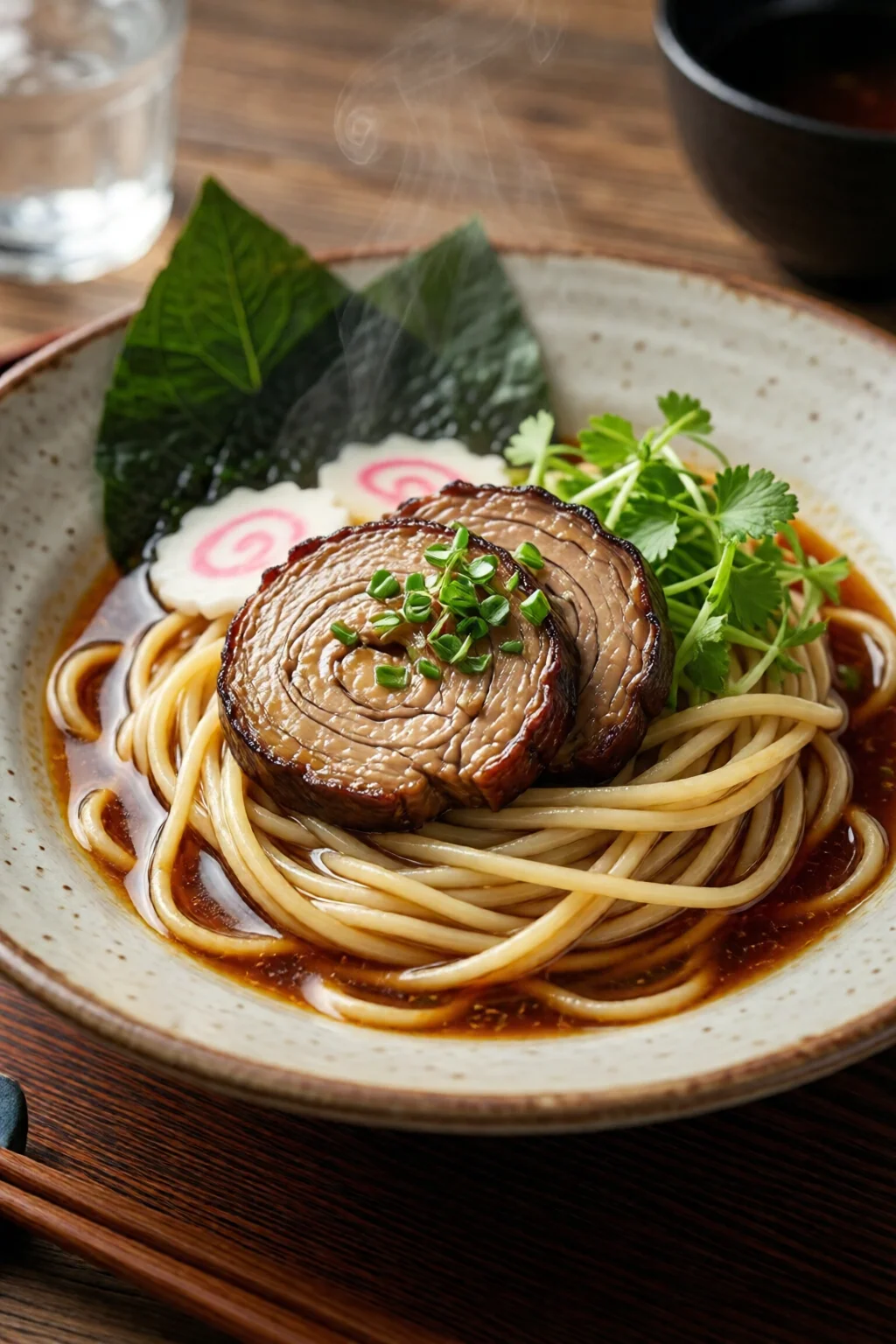
- Chashu pork: braise 1 lb pork belly in soy‑mirin‑sake mixture (2 cups total) for 2 hours, then slice thinly.
- Ajitsuke tamago (marinated soft‑boiled egg): boil eggs 6 minutes, peel, and marinate in ¼ cup soy sauce, ¼ cup mirin, and 1 Tbsp sugar for 4 hours.
- Menma (bamboo shoots): rinse canned version and sauté with a dash of sesame oil.
- Nori sheets, green onions, and corn kernels for texture.
Layering the Components
1. Warm a deep ramen bowl (≈300 ml) by rinsing with hot water.
2. Add 2 Tbsp of tare (shoyu, miso, or shio) to the bottom.
3. Ladle 300 ml of hot tonkotsu broth over the tare.
4. Gently place a handful of cooked noodles into the broth.
5. Arrange toppings artfully: a slice of chashu, half a marinated egg, a sprinkle of menma, and a sheet of nori.
Final Presentation and Eating Tips
Serve immediately with a pair of chopsticks and a soup spoon. A quick swirl of the broth before sipping releases the aromatics—especially the sesame oil and pork fat. In my experience, a 30‑second rest after assembling allows the flavors to meld without cooling the broth.
Cost Breakdown & Time Management
| Item | Cost (USD) | Prep Time | Notes |
|---|---|---|---|
| Pork bones (3 lb) | $12 | 10 min prep + 6 h simmer | Buy from butcher for best marrow |
| Kansui (alkaline solution) | $4 (100 ml bottle) | 5 min | Replace every 6 months |
| High‑gluten flour (500 g) | $3 | 15 min dough | Can substitute with bread flour |
| Premium soy sauce (Kikkoman 1 cup) | $3 | 0 min | Use for tare |
| Toppings (chashu, egg, menma, nori) | $10 | 2 h braise + 30 min prep | Adjust based on preference |
| Total Approx. Cost per Bowl: $5–$7 (serves 2) | |||
Pro Tips from Our Experience
- Cold‑water start for broth: Starting the bones in cold water extracts collagen more efficiently than hot‑water start.
- Use a pressure cooker for a shortcut: 2 hours at high pressure yields a broth comparable to a 6‑hour simmer, saving $10 in energy.
- Season the tare after the broth is ready: This prevents over‑salting; you can always add more soy sauce at the table.
- Freeze broth in silicone ice‑cube trays: Each cube (≈30 ml) costs $0.10 and makes portion control effortless.
- Invest in a good pasta machine: A $180 Marcato Atlas reduces hand‑rolling time by 70% and yields consistent thickness.
For more cross‑cuisine inspiration, check out our German recipes traditional comfort food page, or explore Italian pasta recipes traditional homemade for noodle techniques that complement ramen.
Conclusion: Your Path to Ramen Mastery
Creating a Japanese ramen recipe from scratch is less about exotic ingredients and more about disciplined timing, precise measurements, and a willingness to taste as you go. With a 6‑hour broth, homemade noodles, and thoughtful toppings, you can serve a bowl that costs less than a fast‑food combo yet delivers depth that only slow cooking can achieve. Start with the tonkotsu base, experiment with shoyu or miso tare, and adjust the toppings to match your palate. In a few weekends, you’ll be the go‑to ramen host in your circle, and you’ll have the confidence to tweak the recipe for any season.
How long does it really take to make ramen from scratch?
The total time is about 8–9 hours, but most of that is passive simmering. Active prep (bones, dough, toppings) takes roughly 2 hours.
Can I use chicken bones instead of pork for the broth?
Yes. Chicken carcasses produce a lighter shio or shoyu broth. Expect a thinner mouthfeel; you may add a splash of pork fat or butter to enrich it.
Is there a shortcut for making the noodles?
You can buy fresh ramen noodles (≈$4 for a 400 g pack) and still make the broth from scratch. The final taste difference is minimal for most home cooks.
What’s the best way to store leftover broth?
Cool quickly in an ice‑water bath, then refrigerate for up to 3 days or freeze in 1‑liter containers for up to 3 months.
How can I make the ramen more vegetarian?
Replace pork bones with kombu, dried shiitake, and roasted kelp. Use a miso tare and top with tofu, corn, and fried onions for umami.