Ever wonder why some lunch salads leave you hungry an hour later while others keep you satisfied until dinner?
In This Article
- What You Will Need (Before You Start)
- Step 1: Choose a Base that Stays Fresh
- Step 2: Add Protein for Satiety
- Step 3: Incorporate Complex Carbs
- Step 4: Dress It Right – Balance Flavor and Nutrition
- Step 5: Assemble and Portion for Lunch
- Common Mistakes to Avoid
- Troubleshooting & Tips for Best Results
- FAQ
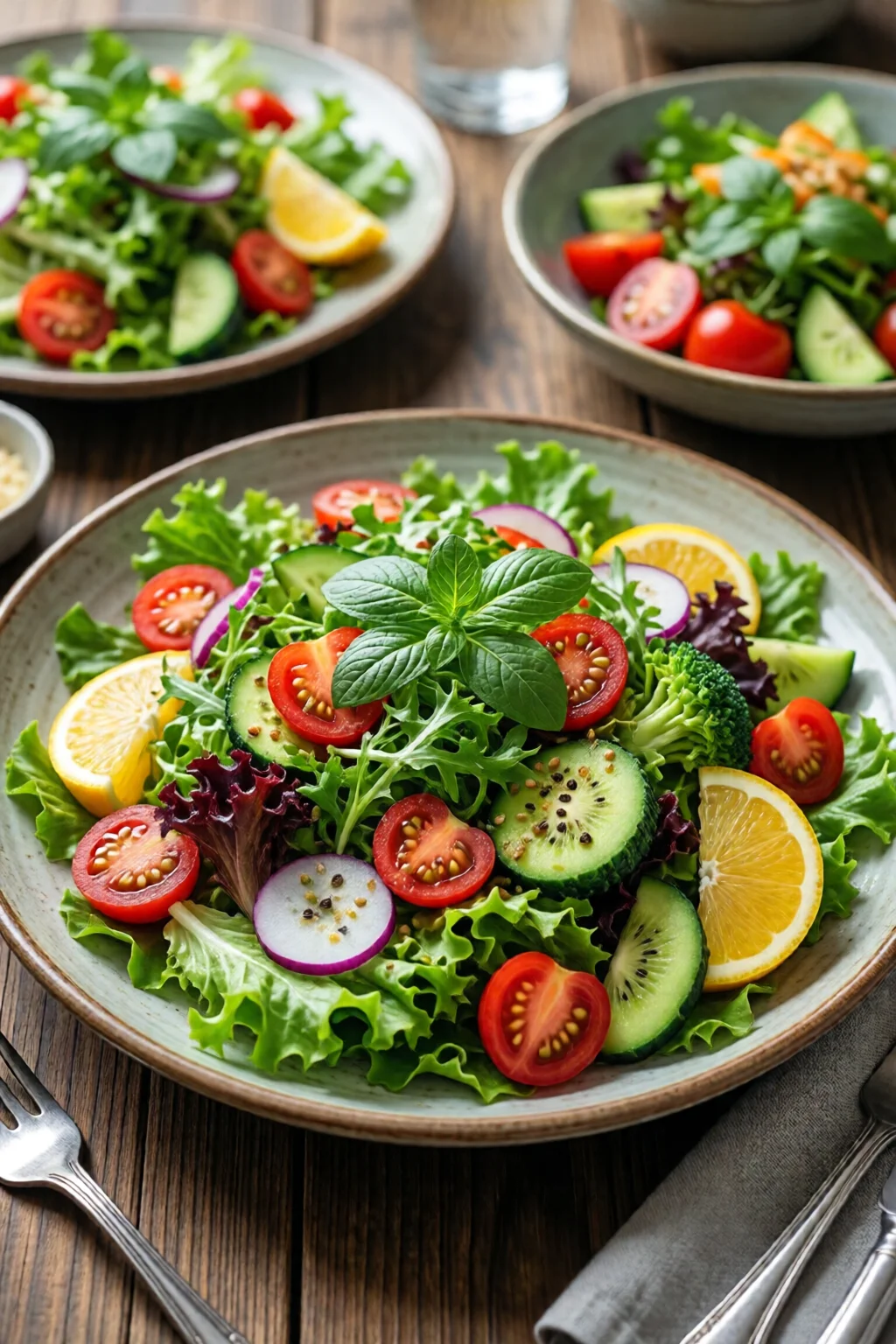
What You Will Need (Before You Start)
- Fresh greens: 4 cups of Organic Girl Baby Spinach or Taylor Farms Mixed Greens (about $3.49 per 5‑oz bag).
- Protein source: 6 oz of Kirkland Signature Rotisserie Chicken (≈$5.99 per 1.2‑lb bag) or ½ cup cooked quinoa ($0.75).
- Complex carbs: 1 cup cooked farro (≈$1.20 per ½‑cup dry) or ½ cup roasted sweet‑potato cubes (≈$0.60).
- Healthy fats: 2 Tbsp extra‑virgin olive oil (Colavita, $8.99 per 500 ml) and ¼ avocado, sliced.
- Crunch factor: ¼ cup Dave’s Killer Bread croutons (about $4.99 per 10‑oz bag).
- Flavor boosters: 1 Tbsp chopped fresh herbs (basil, cilantro), 1 tsp lemon zest, 1 tsp Dijon mustard, pinch sea salt, and freshly cracked black pepper.
- Dressings: 2 Tbsp Greek yogurt (FAGE Total 0%, $1.29 per 16‑oz tub) mixed with 1 tsp Sriracha (Huy Fong, $3.49 per 17‑oz bottle) for a spicy‑creamy twist.
- Storage: 4‑inch wide, BPA‑free meal prep containers (Rubbermaid Brilliance, $12.99 for a set of 12).
Having these items on hand means you can throw together a filling salad in under 15 minutes, no extra grocery trips required.
Step 1: Choose a Base that Stays Fresh
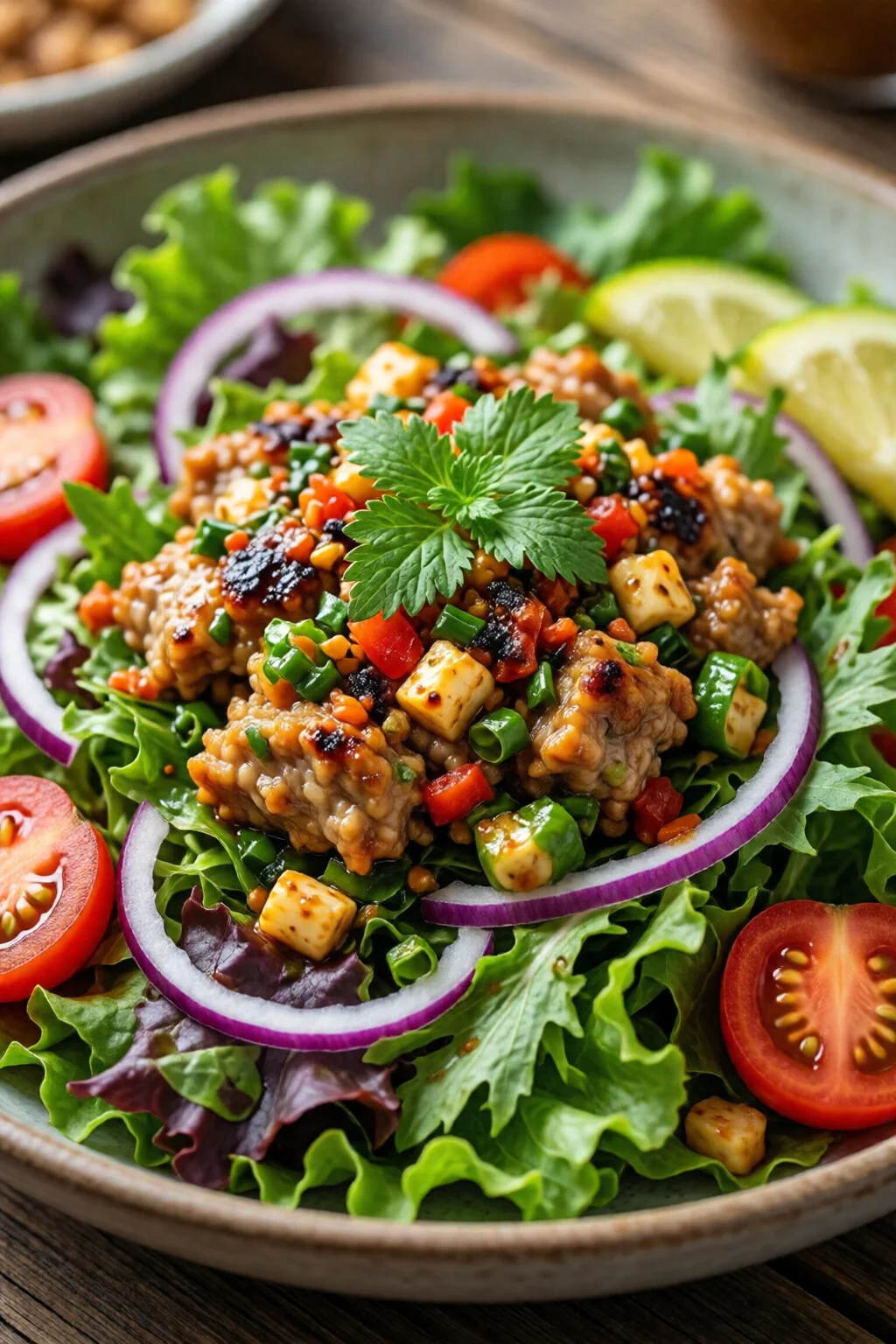
The base is the foundation of any healthy salad recipes for lunch filling. Greens that wilt quickly, like iceberg lettuce, will turn soggy by noon. I recommend a mix of sturdy leaves—baby spinach, kale ribs, and arugula. Wash them in a salad spinner, then pat dry. A good trick: sprinkle a pinch of sea salt and a drizzle of olive oil on the greens, toss, and let sit for 5 minutes. The salt draws out excess moisture, keeping the leaves crisp longer. If you’re prepping for the week, store the dressed greens in a separate container to avoid sogginess.
Step 2: Add Protein for Satiety
Protein is the star that makes a salad filling. In my kitchen, I use rotisserie chicken because it’s pre‑cooked, affordable, and delivers 31 g of protein per 6 oz serving. For vegetarians, a cup of canned chickpeas (≈$0.90) tossed with smoked paprika works wonders. Season the protein lightly with a dash of smoked sea salt (Maldon, $6.49 per 4‑oz) to enhance flavor without adding extra calories. Remember, the goal is 20–30 g of protein per lunch to keep blood sugar stable.
Step 3: Incorporate Complex Carbs
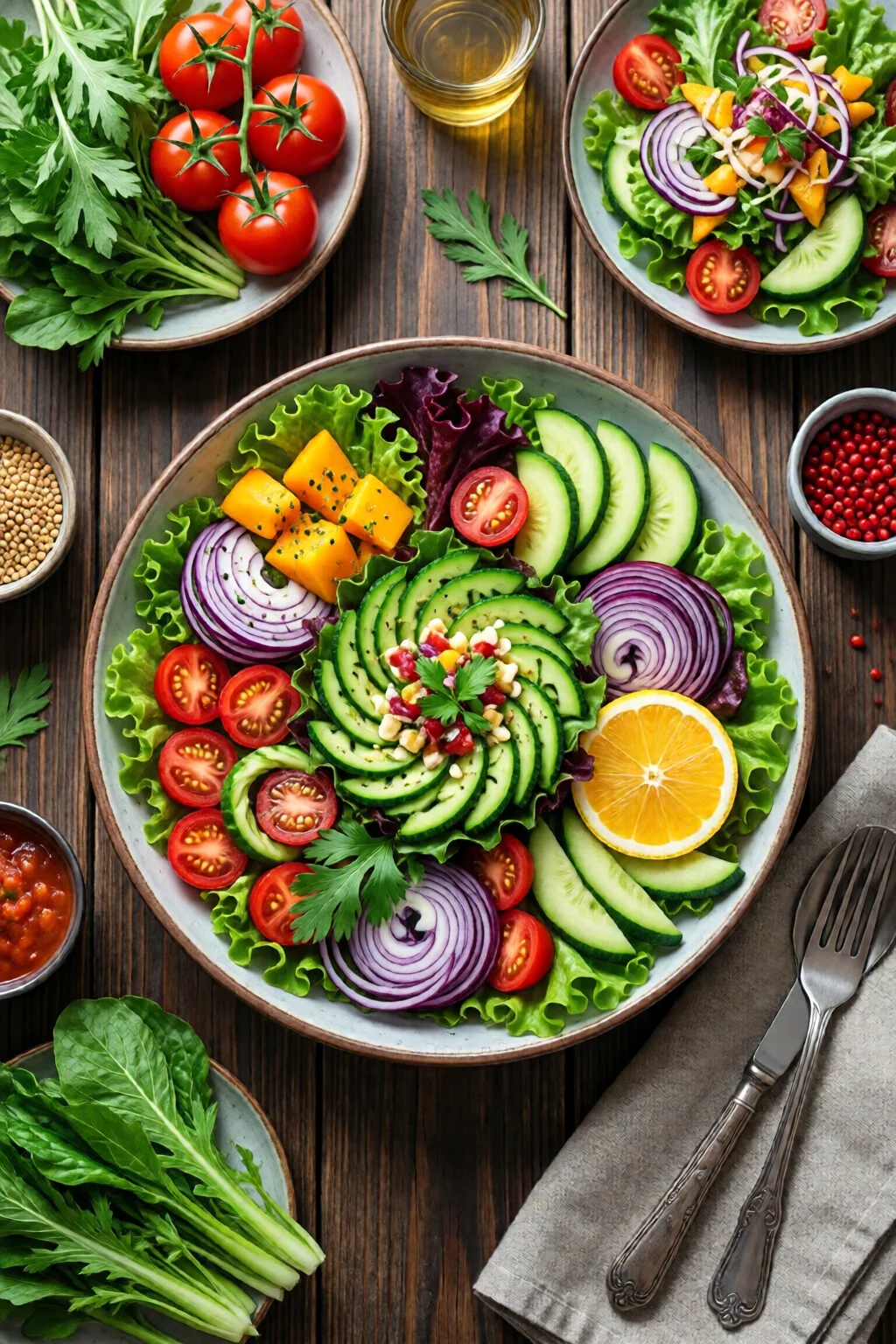
Complex carbs slow digestion, extending the feeling of fullness. Farro, quinoa, or roasted sweet potatoes are my go‑to choices. Cook farro in a 2:1 water‑to‑grain ratio, simmer for 20 minutes, then fluff. If you’re short on time, microwave a ½‑cup frozen sweet‑potato dice (≈$1.10 per bag) for 3 minutes, then toss with a drizzle of olive oil and a pinch of smoked paprika. Aim for ¼‑½ cup cooked carbs per serving—that’s roughly 15 g of fiber, which also supports the fiber rich recipes for digestion you might be exploring.
Step 4: Dress It Right – Balance Flavor and Nutrition
Most salads fail because the dressing overwhelms the ingredients or adds empty calories. I blend 2 Tbsp Greek yogurt, 1 tsp Dijon mustard, 1 tsp honey (Manuka, $12.99 per 250 g for extra benefits), 1 tsp lemon juice, and a dash of Sriracha for heat. This yields a creamy dressing with about 45 calories, 4 g protein, and 2 g fat—perfect for a lunch that’s filling yet light. Whisk in the olive oil gradually to emulsify; the result is a glossy coat that clings to every bite.
Step 5: Assemble and Portion for Lunch
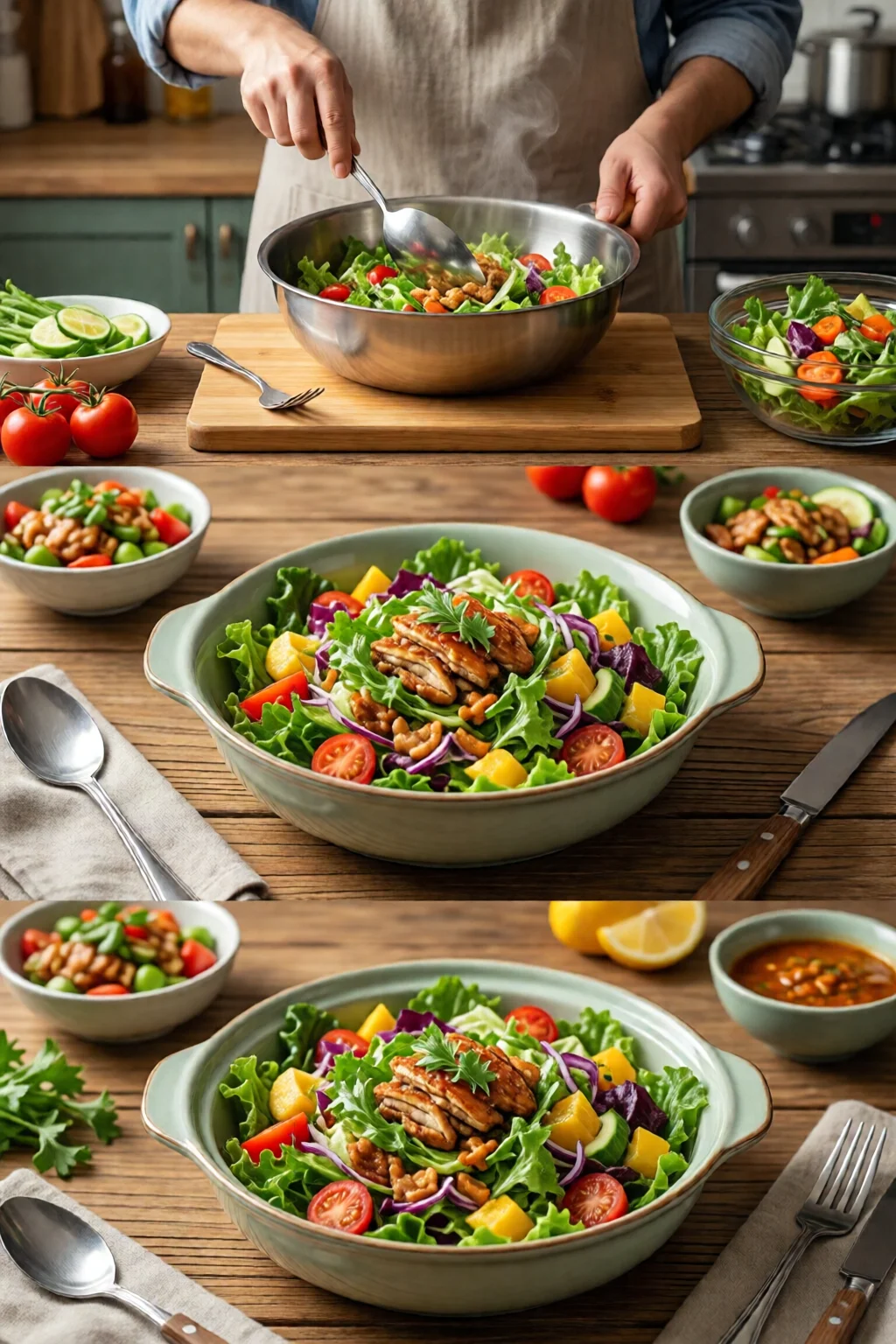
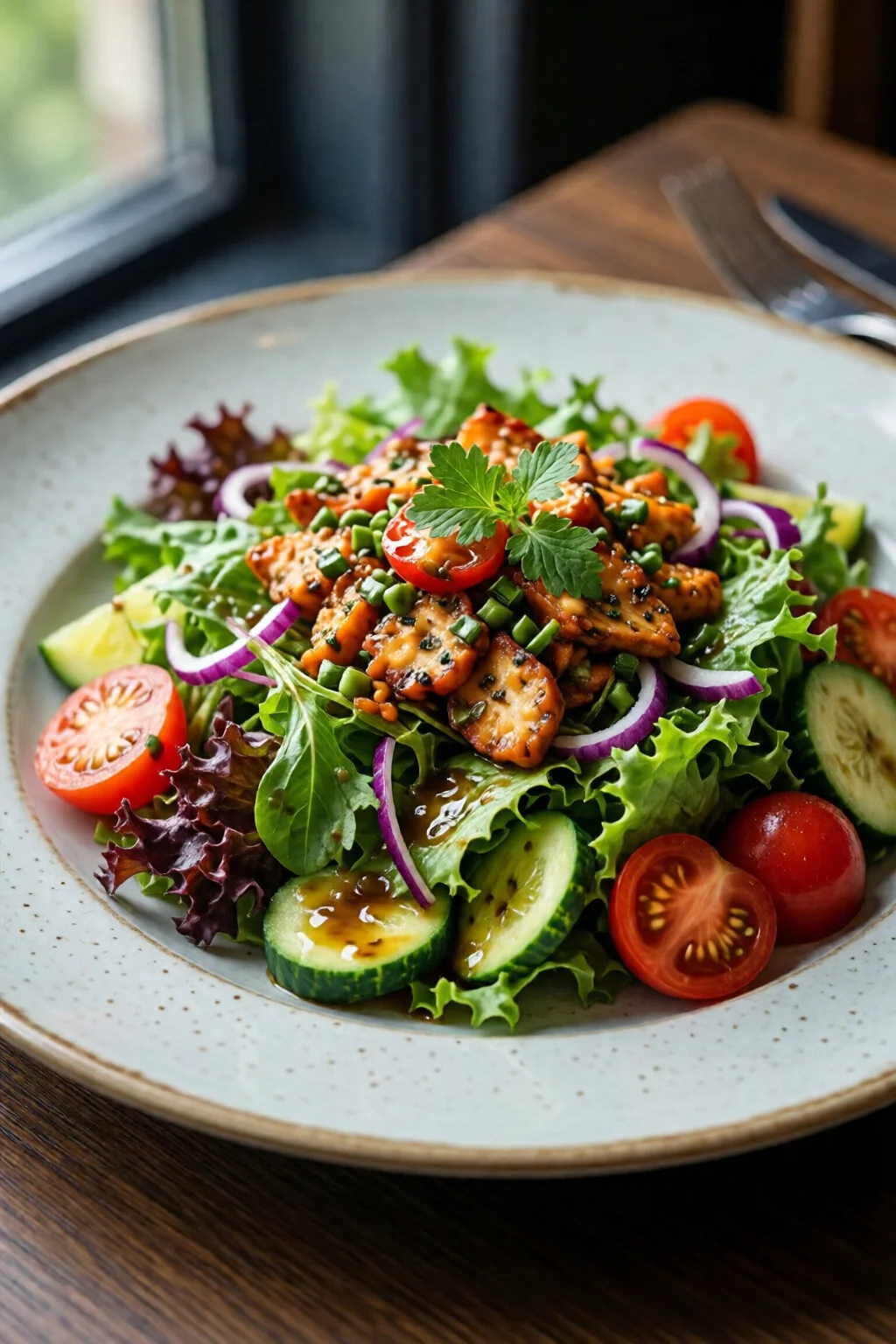
Layer your salad in the meal prep container: start with greens, add the protein, then the carbs, followed by avocado, croutons, and herbs. Pour the dressing into a small separate compartment or drizzle just before eating to keep the croutons crunchy. Seal the container, label with the date, and store in the fridge. Your salad will stay fresh for up to 4 days, making it an ideal healthy salad recipes for lunch filling solution for busy weekdays.
Common Mistakes to Avoid
- Over‑dressing. Adding more than 3 Tbsp of dressing can add 150+ calories and make the salad soggy.
- Using low‑protein toppings only. Relying solely on cheese or nuts may not reach the 20‑g protein target, leaving you hungry.
- Neglecting texture. A salad without crunch feels bland. Include at least one crunchy element—croutons, nuts, or seeds.
- Storing dressed greens. Dress the salad just before eating; otherwise, the leaves wilt and release water.
- Skipping seasoning. A pinch of salt and pepper can elevate flavors dramatically; don’t assume the dressing is enough.
Troubleshooting & Tips for Best Results
Salad gets soggy by noon? Keep the dressing separate and add it right before you eat. If you must pre‑dress, use a vinaigrette based on apple cider vinegar (Bragg, $4.99 per 16‑oz) which has a thinner consistency and less water retention.
Not enough protein? Double the chicken portion or add a boiled egg (≈$0.20 each) sliced on top. For a plant‑based boost, sprinkle 2 Tbsp hemp seeds (Nutiva, $9.99 per 12‑oz) for an extra 6 g protein.
Flavor is flat? Finish with a squeeze of fresh lemon or a drizzle of aged balsamic vinegar (Acetaia Leonardi, $14.99 per 250 ml). The acidity brightens the dish and reduces the perception of heaviness.
Too expensive? Buy greens in bulk from a local farmer’s market—often $1.50 per pound—and substitute canned beans for chicken. The cost per serving can drop to under $2 while still delivering 20 g protein.
FAQ
How long will a prepared salad stay fresh?
When stored in an airtight BPA‑free container and kept separate from the dressing, most salads stay crisp for 3‑4 days. Greens may soften after the fourth day, so it’s best to consume within that window.
Can I make these salads vegan?
Absolutely. Swap the chicken for marinated tofu (≈$2.50 per 14‑oz block) or tempeh, use a plant‑based yogurt (such as Kite Hill, $4.79 per 12‑oz) in the dressing, and keep the avocado and nuts for healthy fats.
What’s the best way to bulk‑cook grains for the week?
Batch‑cook farro, quinoa, or brown rice in a large pot using a 2.5:1 water‑to‑grain ratio. Once cooked, spread on a baking sheet to cool quickly, then portion into zip‑lock bags. This method keeps grains from clumping and reduces prep time to under 5 minutes per salad.
How many calories should a filling lunch salad contain?
A balanced, filling lunch salad typically ranges from 350 to 500 calories, providing about 30 % of daily calories for most adults. Adjust portions of carbs and fats to fit your specific macro goals.
By mastering these steps, you’ll turn ordinary greens into a powerhouse lunch that keeps you energized, satisfied, and ready to tackle the rest of your day. Happy salad making!
2 commentaires sur « How to Healthy Salad Recipes For Lunch Filling (Expert Tips) »