Last month I was stuck on a bland lunch break, feeling sluggish and a little constipated, when a coworker handed me a mason jar of her “gut‑fuel” salad. It was bursting with crunchy carrots, fluffy quinoa, a handful of toasted chia seeds, and a drizzle of lemon‑tahini dressing. Within an hour I felt lighter, more focused, and I could finally finish that presentation without the dreaded mid‑day slump. The secret? A balanced mix of soluble and insoluble fiber that feeds your microbiome and keeps digestion humming. In this guide you’ll learn how to craft fiber rich recipes for digestion that are quick, tasty, and backed by real nutrition data.
In This Article
What You Will Need (or Before You Start)
- High‑fiber grains or legumes: 1 cup dry quinoa ($4.99 for a 1‑lb bag, Bob’s Red Mill), 1 cup canned chickpeas (drained, $0.89 per can, Kroger), or ½ cup rolled oats ($3.49 for a 18‑oz pack, Nature’s Path).
- Fresh vegetables: 2 cups chopped broccoli, 1 cup shredded carrots, 1 cup diced bell pepper – total about 1.5 lb, roughly $3.20 at Whole Foods.
- Fiber‑boosting seeds and nuts: 2 Tbsp chia seeds ($2.99 per 8‑oz bag, Bob’s Red Mill), ¼ cup toasted almonds ($5.49 per 12‑oz bag, Blue Diamond).
- Protein source (optional): 6 oz grilled chicken breast ($2.79 per lb, Tyson), or ½ cup plain Greek yogurt ($1.25 per 5‑oz tub, Chobani).
- Flavor enhancers: 2 Tbsp extra‑virgin olive oil ($7.99 for 16‑oz, Colavita), 1 Tbsp apple cider vinegar, ½ tsp smoked paprika, pinch of sea salt.
- Tools: Large mixing bowl, fine‑mesh sieve, kitchen scale (optional but useful for precise fiber counts), and a sauté pan or steamer.
Step 1: Choose Your Fiber Base
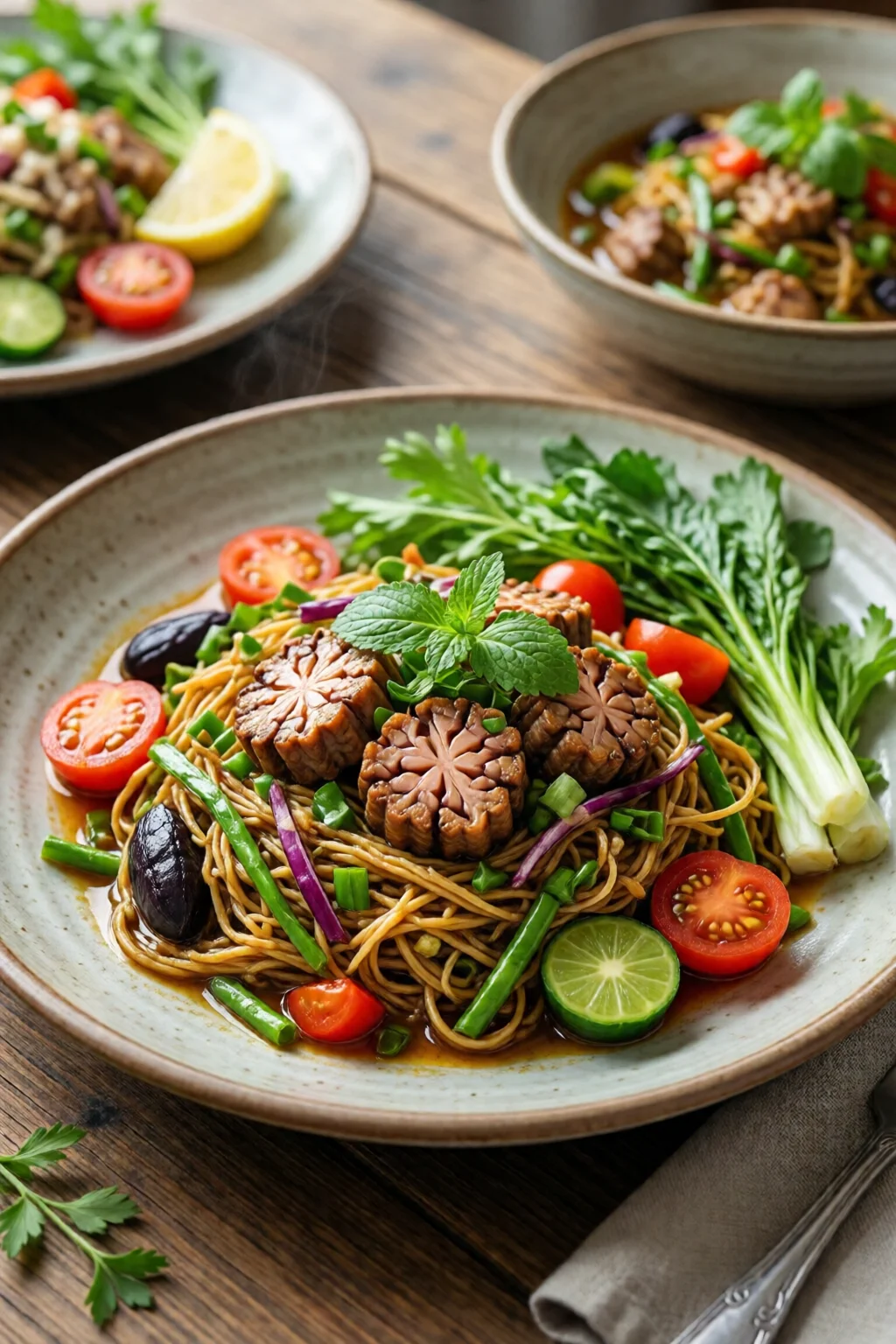
The foundation of any fiber rich recipe for digestion is a carbohydrate that supplies both soluble and insoluble fiber. Quinoa, for example, offers about 5 g of fiber per cooked cup, with a 2:1 ratio of soluble to insoluble. If you prefer a lower‑calorie base, swap quinoa for 1 cup cooked lentils (8 g fiber) or use a blend of ½ cup oats and ½ cup millet (total 6 g fiber). Cook the grain in a 2:1 water‑to‑grain ratio, bring to a boil, simmer 15 minutes, then fluff with a fork. This step locks in moisture and prevents a gummy texture.
Step 2: Add Soluble Fiber Boosters
Soluble fiber forms a gel‑like substance in the gut, slowing glucose absorption and feeding beneficial bacteria. Add 2 Tbsp chia seeds (10 g fiber, 5 g soluble) or ¼ cup cooked barley (3 g soluble fiber). If you enjoy a sweet note, toss in ½ cup diced apple (2 g soluble fiber) or ¼ cup raisins (1 g soluble). Stir these into the warm grain; the residual heat will lightly hydrate the seeds, creating a pleasant mouthfeel.
Step 3: Incorporate Insoluble Crunch
Insoluble fiber adds bulk and speeds transit time, essential for regularity. Roast 1 cup broccoli florets and 1 cup sliced carrots at 425°F for 12 minutes with a drizzle of olive oil and a pinch of sea salt. The roasting process caramelizes the natural sugars while preserving the fibrous cell walls. Once cooled, mix the veggies into the grain‑seed blend. You’ll now have roughly 12 g of insoluble fiber per serving.
Step 4: Flavor and Balance
Balance is key; too much fiber without adequate fluid can cause bloating. Whisk together 2 Tbsp olive oil, 1 Tbsp apple cider vinegar, ½ tsp smoked paprika, and a dash of lemon zest. Pour the dressing over the bowl, tossing gently. If you added protein, slice the grilled chicken thinly and lay it on top, or swirl in the Greek yogurt for a creamy finish. This step adds healthy fats that improve the absorption of fat‑soluble vitamins A, D, E, and K found in the vegetables.
Step 5: Cook or Assemble and Serve
For a warm dish, return the entire mixture to a sauté pan, add a splash of low‑sodium vegetable broth (¼ cup), and heat for 3 minutes until steam rises. For a portable lunch, portion into a 16‑oz mason jar, seal, and refrigerate. The recipe yields 2 generous servings, each delivering approximately 25 g of total fiber – about 90 % of the daily recommended intake for women and 70 % for men.
Common Mistakes to Avoid
- Skipping the soaking step for legumes: Unsoaked beans can be harder to digest and may cause gas. Soak dried chickpeas overnight (8 hours) and discard the soaking water.
- Overloading on fiber in a single meal: Jumping from 5 g to 30 g fiber at once can lead to cramping. Increase fiber intake gradually by 5 g per day.
- Neglecting hydration: Fiber absorbs up to 10 times its weight in water. Aim for at least 8 cups (2 L) of fluid daily; a glass of infused water with cucumber slices works well.
- Using low‑quality processed grains: Some “instant” quinoa mixes contain added sugars and low fiber. Stick to pure, organic brands like Bob’s Red Mill.
- Ignoring personal tolerances: If you’re sensitive to FODMAPs, swap onions for the green parts of scallions and limit high‑fructan foods like garlic.
Troubleshooting or Tips for Best Results
Problem: The salad feels dry after a few hours.
Solution: Add an extra 1 Tbsp olive oil or a splash of lemon juice before serving. The added fat helps retain moisture.
Problem: You experience excessive gas after eating.
Solution: Incorporate a prebiotic like 1 tsp inulin powder (found in chicory root, $6.99 per 8‑oz jar, NOW Foods) to feed specific bacteria that produce less hydrogen.
Tip: For a sweet twist, replace the smoked paprika with 1 tsp cinnamon and add a handful of blueberries (1 g fiber). This variation pairs nicely with avocado recipes healthy and easy for a nutrient‑dense brunch.
Tip: If you’re on a low‑carb plan, swap quinoa for cauliflower rice (2 g fiber per cup) and keep the same seed and veggie mix. This creates a version that also fits into best keto dinner recipes low carb.
Tip: For a kid‑friendly version, blend the mixture in a food processor with a banana (3 g fiber) and a splash of almond milk ($3.49 per half‑gallon, Almond Breeze). The result is a thick, fiber‑packed smoothie bowl that pairs well with easy muffin recipes for breakfast.
Summary Conclusion
Creating fiber rich recipes for digestion doesn’t have to be a chore. By selecting a balanced grain base, layering soluble and insoluble fiber sources, and finishing with a simple vinaigrette, you can craft meals that support gut health, steady energy, and regularity. Remember to increase fiber gradually, stay hydrated, and choose whole‑food ingredients over processed shortcuts. With the steps above you’ll have a versatile, nutrient‑dense dish that can be customized for vegans, low‑carb eaters, or anyone looking to boost their digestive wellness.
How much fiber should I aim for each day?
The Institute of Medicine recommends 25 g per day for adult women and 38 g for adult men, though most people fall short. Aim for at least 30 g if you’re active or looking to improve digestion.
Can I make these recipes vegan?
Absolutely. Replace chicken or yogurt with extra beans, tofu, or a dollop of hummus. The fiber content remains robust.
What’s the fastest way to add more fiber to a meal?
Stir in a tablespoon of chia or ground flax seeds, or sprinkle a handful of roasted chickpeas on top. Both options add 4‑5 g of fiber in under a minute.
Do fiber‑rich meals help with weight loss?
Yes. High‑fiber foods increase satiety, reduce overall calorie intake, and stabilize blood sugar, all of which support healthy weight management.
How can I keep my fiber meals low‑sodium?
Use fresh or low‑sodium canned beans, rinse them thoroughly, and flavor with herbs, citrus, and spices instead of salt.