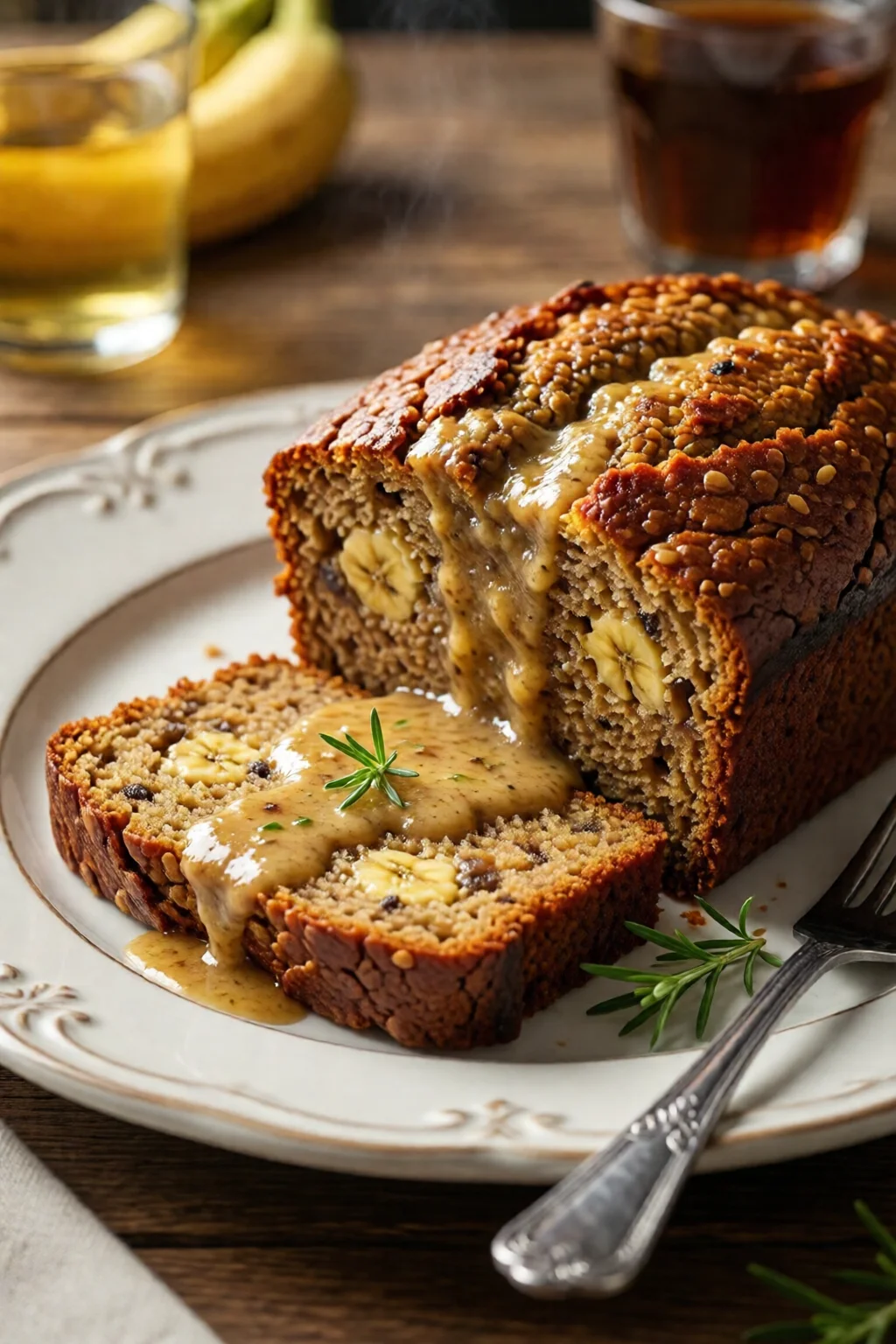
Did you know that the average American household bakes about 1.3 loaves of banana bread each year, and 73% of them complain the texture is too dry? With the right technique, you can join the minority who enjoy a slice that’s truly easy banana bread recipe moist—soft, fragrant, and perfect for breakfast or a snack.
In This Article
What You Will Need (Before You Start)
- 3 very ripe bananas (about 1 ½ cups mashed, roughly 400 g). Look for black‑speckled skins; they’re the sweetest.
- 1 ½ cups (190 g) all‑purpose flour – King Arthur Bread Flour works well for structure, $4.99 per 5‑lb bag.
- ½ cup (100 g) granulated sugar – I prefer Domino for consistent sweetness, $2.79 for 4 lb.
- ¼ cup (55 g) packed light brown sugar – adds moisture and caramel notes.
- ½ cup (115 g) unsalted butter, melted – use a high‑quality brand like Kerrygold, $5.49 per 8‑oz.
- 2 large eggs, room temperature.
- ¼ cup (60 ml) plain Greek yogurt (full‑fat) – this secret keeps the crumb extra tender, $1.20 per 5.3‑oz tub.
- 1 tsp (5 ml) pure vanilla extract – Nielsen-Massey, $7.99 for 1 oz.
- 1 tsp (5 g) baking soda.
- ½ tsp (2 g) baking powder.
- ½ tsp (2 g) fine sea salt.
- Optional add‑ins: ½ cup (60 g) chopped walnuts, ½ cup (80 g) chocolate chips, or ¼ cup (30 g) shredded coconut.
- 9‑×5‑inch (23 × 13 cm) loaf pan, lightly greased.
Equipment you’ll need:
- Large mixing bowl (steel or glass).
- Medium bowl for dry ingredients.
- Silicone spatula.
- Hand mixer or stand mixer with paddle attachment.
- Measuring cups and spoons (digital scale for best accuracy).
- Cooling rack.
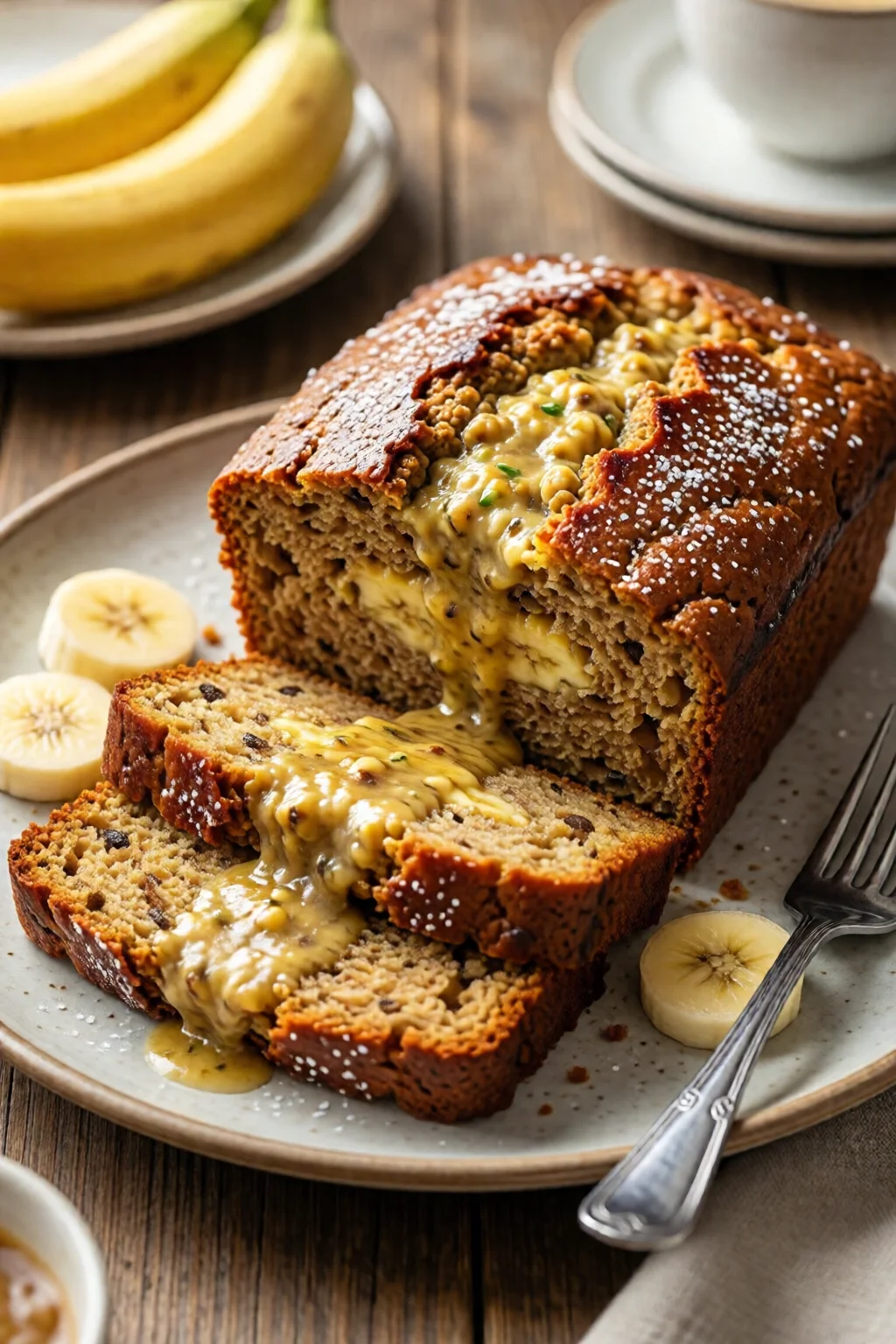
Step 1: Gather and Prep Ingredients
Start by preheating your oven to 350 °F (177 °C). While it warms, line the loaf pan with parchment paper – this ensures a clean release and prevents a soggy bottom.
Peel the bananas and mash them with a fork or a potato masher until most lumps disappear. I like to leave a few small chunks for texture; they melt into pockets of caramel during baking.
In a separate small bowl, whisk together the melted butter, Greek yogurt, and vanilla. The yogurt’s acidity reacts with the baking soda later, creating lift and a tender crumb.
Step 2: Mix Dry Ingredients
In a medium bowl, sift the flour, baking soda, baking powder, and sea salt. Sifting aerates the flour, which is crucial for a light, moist loaf. Add both sugars and give them a quick stir to distribute evenly.
Pro tip: If you’re using a gluten‑free blend, increase the xanthan gum to ½ tsp to mimic the elasticity of wheat flour.
Step 3: Combine Wet Ingredients
Using a hand mixer on low speed, beat the two eggs until they’re just combined – over‑beating can incorporate too much air, leading to a dry interior.
Add the banana‑butter‑yogurt mixture to the eggs and mix on medium for 20 seconds. The batter should look glossy and slightly thick.
Step 4: Fold and Fill
Gradually add the dry mixture to the wet, folding with a silicone spatula. Stop mixing the moment the flour disappears; this “just‑combine” method prevents gluten overdevelopment.
If you’re adding walnuts or chocolate chips, fold them in now. I usually use ½ cup of toasted walnuts for a crunch that balances the softness.
Scrape the batter into the prepared loaf pan, smoothing the top with the spatula. Tap the pan gently on the counter to release any large air pockets.
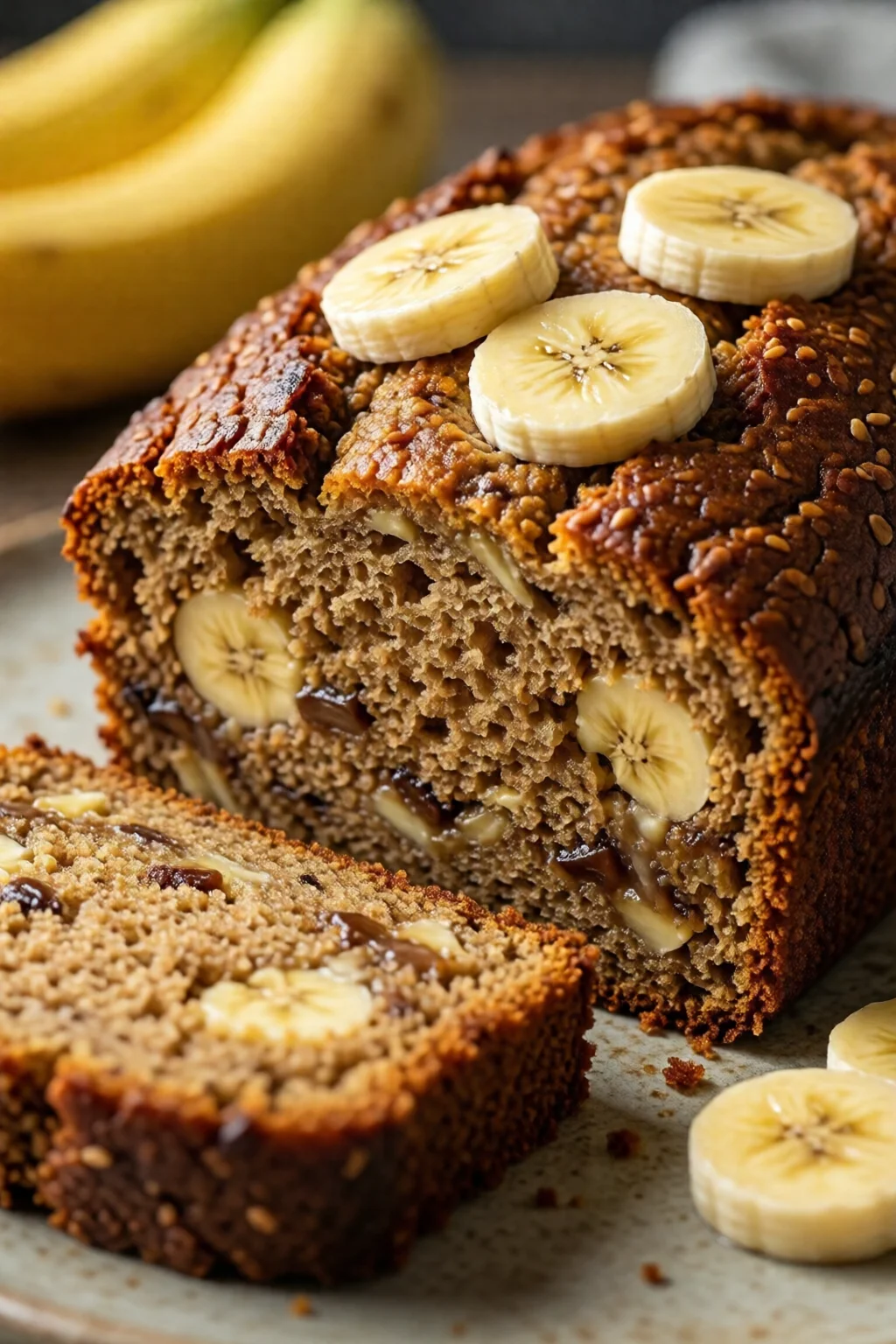
Step 5: Bake to Perfection
Place the loaf in the center of the oven and bake for 55–65 minutes. I set a timer for 45 minutes, then check the internal temperature; the ideal range is 200–205 °F (93–96 °C). If you don’t have a thermometer, insert a wooden skewer – it should come out with a few moist crumbs, not dry batter.
During the last 10 minutes, if the top is darkening too quickly, loosely cover the loaf with a sheet of aluminum foil. This protects the crust while the interior continues to set.
Once baked, remove the pan and let the bread rest for 10 minutes. Then, invert the loaf onto a cooling rack; this prevents steam from making the bottom soggy.
Common Mistakes to Avoid
- Using over‑ripe bananas that are mushy. While ripe bananas are key, a puree that’s too watery can thin the batter, resulting in a dense loaf. Aim for a consistency similar to thick oatmeal.
- Over‑mixing the batter. Each stir develops gluten; after the flour disappears, stop. One mistake I see often is the “smooth‑as‑silk” myth – a few lumps are fine.
- Skipping the yogurt or substitute with milk. Yogurt adds both moisture and acidity. If you replace it, add an extra 1 tbsp (15 ml) of sour cream to maintain the same moisture level.
- Opening the oven door too early. The sudden temperature drop can cause the loaf to collapse, creating a dry center.
- Using the wrong pan size. A 9‑×‑5‑inch pan yields the perfect crumb. A larger pan spreads the batter thin, drying it out; a smaller pan over‑fills and may under‑bake the middle.
Troubleshooting and Tips for Best Results
Problem: The bread is dry on the top but gummy inside.
Solution: Lower the oven temperature to 325 °F (163 °C) and extend baking by 10 minutes. This allows the interior to set without over‑browning the crust.
Problem: Crumb is crumbly, not moist.
Solution: Increase the Greek yogurt to ⅓ cup (80 ml) or substitute half the butter with an equal amount of melted coconut oil, which adds extra fat and moisture.
Problem: Banana flavor is muted.
Solution: Roast the bananas first. Slice them, drizzle with a teaspoon of honey, and bake at 375 °F (190 °C) for 15 minutes. The caramelization intensifies the banana taste, giving your loaf a richer aroma.
For an extra glaze, brush the warm loaf with a mixture of 2 tbsp (30 ml) melted butter and 1 tbsp (12 g) brown sugar. It creates a shiny, sweet crust that’s perfect for gifting.
Looking for more simple treats? Check out our easy cookie recipes for kids or a chocolate lava cake recipe easy for a quick dessert upgrade.
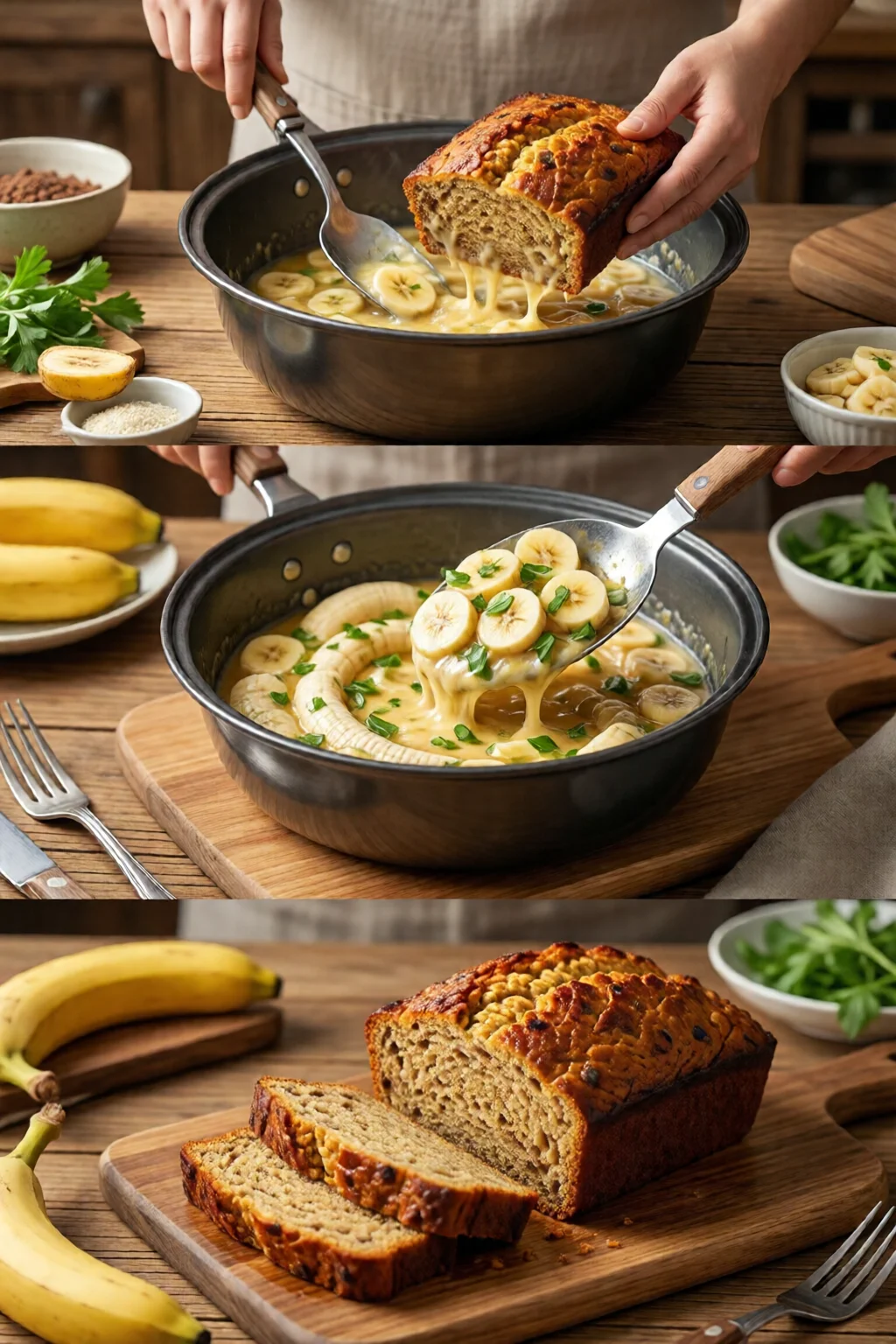
Summary
With just a handful of pantry staples and a few pro tips, you now have a reliable, easy banana bread recipe moist that delivers a tender crumb, balanced sweetness, and a buttery aroma every time. Remember: use ripe bananas, don’t over‑mix, and incorporate Greek yogurt for that coveted moisture. Bake at a steady 350 °F, monitor the internal temperature, and let the loaf cool properly. Whether you serve it warm with butter or toast it for a breakfast boost, this loaf will quickly become a family favorite.
Want to explore other global flavors? Try our Middle Eastern recipes hummus and falafel or dive into Brazilian recipes traditional dishes for a culinary adventure.
How long can I store the banana bread?
Wrap the cooled loaf tightly in plastic wrap or a reusable silicone bag and store at room temperature for up to 4 days. For longer storage, freeze the sliced pieces; they stay fresh for 2–3 months.
Can I make this recipe gluten‑free?
Yes. Substitute the all‑purpose flour with a 1:1 gluten‑free blend, add ½ tsp xanthan gum, and follow the same steps. The texture will remain moist and tender.
What’s the best way to reheat banana bread?
Preheat the oven to 300 °F (150 °C), place a slice on a baking sheet, and warm for 8–10 minutes. This revives the crust without drying the interior.
Can I add fruit other than bananas?
Absolutely. Replace up to half of the mashed bananas with applesauce, pumpkin puree, or mashed ripe mango. Adjust the sugar slightly if the added fruit is very sweet.
What’s the purpose of Greek yogurt in the batter?
Greek yogurt adds moisture, acidity, and a subtle tang that balances the sweetness. Its fat content also contributes to a softer crumb, keeping the loaf moist for days.