Picture this: a Sunday afternoon, the scent of garlic and fresh tomatoes drifting from the kitchen, a pot of water bubbling on the stove, and a plate of al dente ribbons glistening with a glossy, herb‑infused sauce. With a few simple tools and the right technique, you can recreate that scene at home using classic Italian pasta recipes traditional homemade. By the end of this guide you’ll have the confidence to roll your own tagliatelle, master a ragù that could rival a nonna’s, and serve a meal that feels like a trip to a trattoria without leaving your dining room.
In This Article
What You Will Need (Before You Start)
- Flour: 00 flour is ideal for silky pasta; a 1‑kg bag of Caputo 00 flour costs about $12.99 on Amazon. If you’re on a budget, a 2‑kg sack of King Arthur “Unbleached All‑Purpose” ($5.49) works fine.
- Eggs: Fresh, large eggs – about 3 – 4 per 100 g of flour. I use Vital Farms pasture‑raised eggs at $4.99 per dozen.
- Olive oil: Extra‑virgin, cold‑pressed; a 500 ml bottle of Colavita is $9.95.
- Salt: Sea salt, preferably Maldon fine flakes.
- Mixing bowl: Stainless steel or ceramic, 2‑liter capacity.
- KitchenAid stand mixer with a pasta attachment (optional but saves time) – $399 on the official website.
- Rolling pin or pasta machine: The Marcato Atlas 5‑speed pasta roller is $179.
- Sharp knife or pizza cutter for cutting ribbons.
- Large pot (6‑quart) for boiling water.
- Colander and tongs for draining.
- Sauce ingredients: San Marzano tomatoes (28‑oz can, $2.79), fresh basil, garlic, onion, carrot, celery, red wine (optional, 375 ml bottle, $7.99), ground beef (or pork) 500 g, Parmigiano‑Reggiano (100 g, $6.49), and a pinch of nutmeg.
Having these items on hand ensures you won’t need to pause mid‑process to run to the store, which can kill momentum and affect the final texture of the pasta.
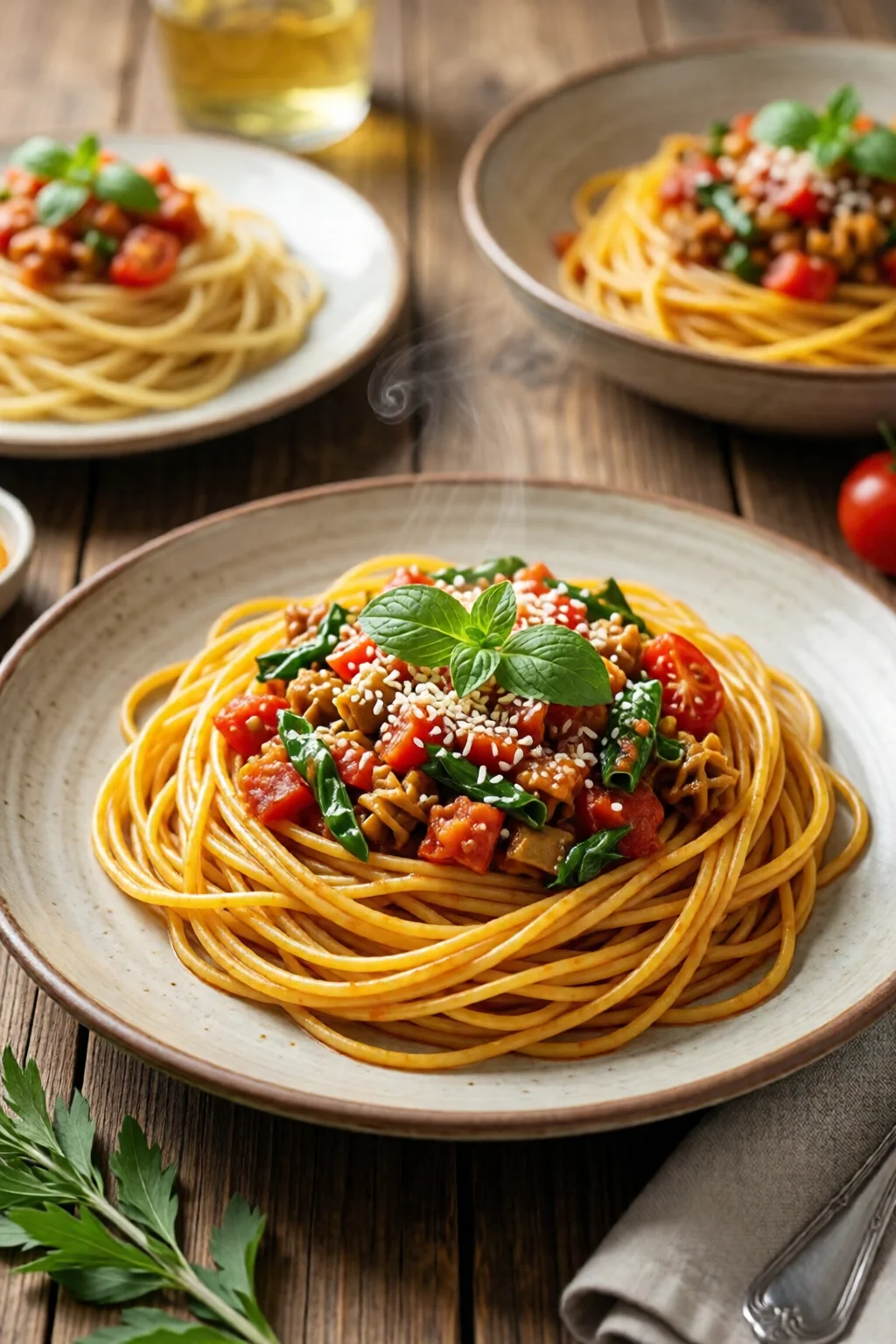
Step 1 – Preparing the Dough
- Measure and mound the flour. Scoop 400 g of 00 flour onto a clean work surface and create a well about 8 cm deep. Sprinkle a pinch of sea salt around the edge.
- Add the eggs. Crack 4 large eggs into the centre of the well, add 1 Tbsp olive oil, and whisk lightly with a fork, gradually incorporating flour from the sides.
- Knead by hand. When the mixture becomes shaggy, use your hands to bring it together. Knead for 10–12 minutes until the dough is smooth, elastic, and no longer sticks to your fingers. It should pass the “windowpane test”: stretch a thin piece; it should become translucent without tearing.
- Rest the dough. Wrap tightly in plastic wrap and let it rest at room temperature for 30 minutes. This relaxes the gluten and makes rolling easier.
One mistake I see often is over‑working the dough, which can make the pasta tough. If the dough feels dry, dampen your fingertips with a few drops of water; if it’s sticky, dust lightly with flour.
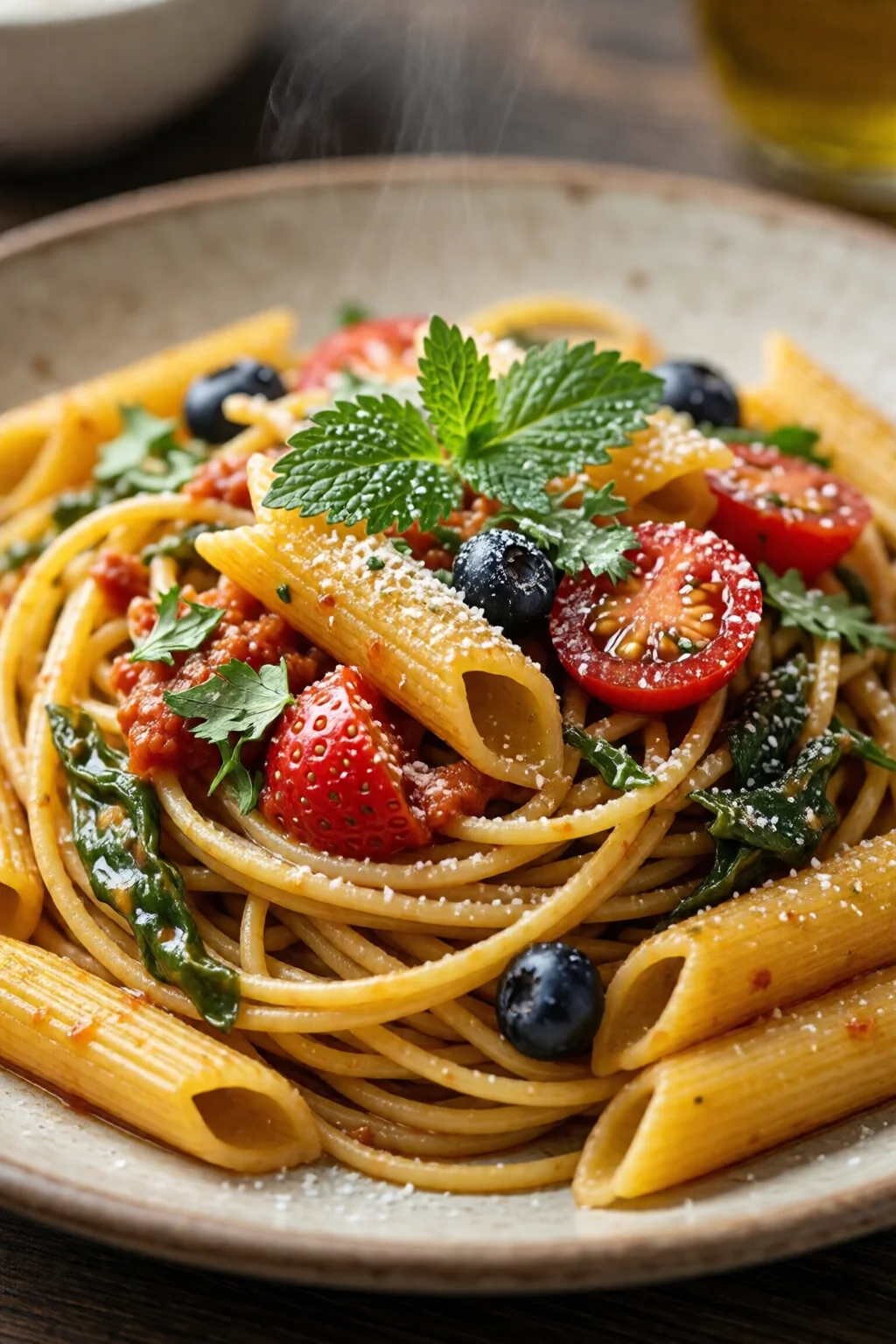
Step 2 – Rolling and Cutting the Pasta
- Divide the dough. Cut the rested block into 4 equal pieces. Keep three pieces covered; work with one at a time.
- Flatten the piece. Using a rolling pin or the first setting on your Marcato Atlas, roll the dough into a thin sheet about 1 mm thick. If using a stand mixer, attach the pasta roller and run the dough through the widest setting twice, folding it each time.
- Thin it further. Gradually decrease the roller width (from 6 mm to 2 mm) until the sheet is almost translucent. Hold the sheet up to the light; you should see the faint outline of your hand.
- Cut the ribbons. Lay the sheet on a lightly floured surface. Using a sharp knife, slice into 0.5‑cm wide strips for tagliatelle, or feed the sheet through the “fettuccine” cutter attachment.
- Dry briefly. Toss the ribbons with a little flour to prevent sticking and let them rest on a clean kitchen towel for 15 minutes before cooking.
Fresh pasta cooks dramatically faster than dried. Expect 2–3 minutes in boiling water for perfect al dente texture.
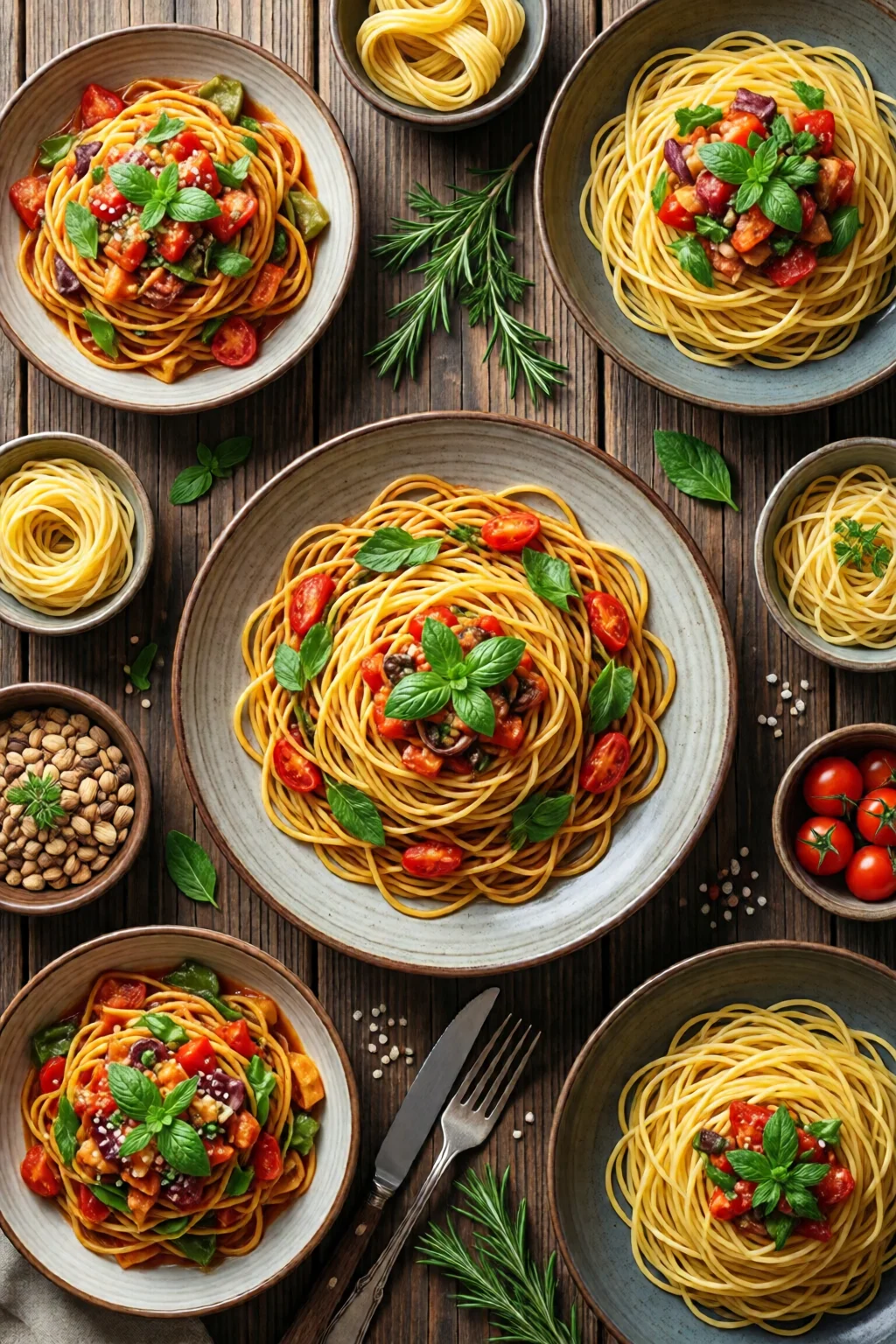
Step 3 – Crafting a Classic Ragù (Meat Sauce)
- Sauté the soffritto. Heat 2 Tbsp olive oil in a 4‑quart Dutch oven over medium heat. Add 1 finely diced onion, 1 grated carrot, and 1 diced celery stalk. Cook, stirring, for 5 minutes until softened.
- Add garlic and meat. Stir in 2 cloves minced garlic, then add 500 g ground beef (or a mix of beef and pork). Brown the meat, breaking it up with a wooden spoon, for 7–8 minutes.
- Deglaze with wine. Pour in 125 ml dry red wine (e.g., Chianti Classico, $8.99 per bottle) and let it reduce by half, about 3 minutes.
- Incorporate tomatoes. Add the 28‑oz can of San Marzano tomatoes, crush them with the spoon, and stir in a pinch of sugar to balance acidity.
- Simmer low and slow. Reduce heat to low, cover partially, and let the sauce simmer for at least 45 minutes, stirring occasionally. For deeper flavor, extend to 2 hours, adding a splash of water if it dries out.
- Finish with cheese and herbs. Stir in 30 g grated Parmigiano‑Reggiano, a handful of torn basil leaves, and a pinch of freshly grated nutmeg. Season with salt and pepper to taste.
Tip: If you prefer a vegetarian version, substitute the meat with 300 g finely chopped mushrooms and add a tablespoon of miso paste for umami.
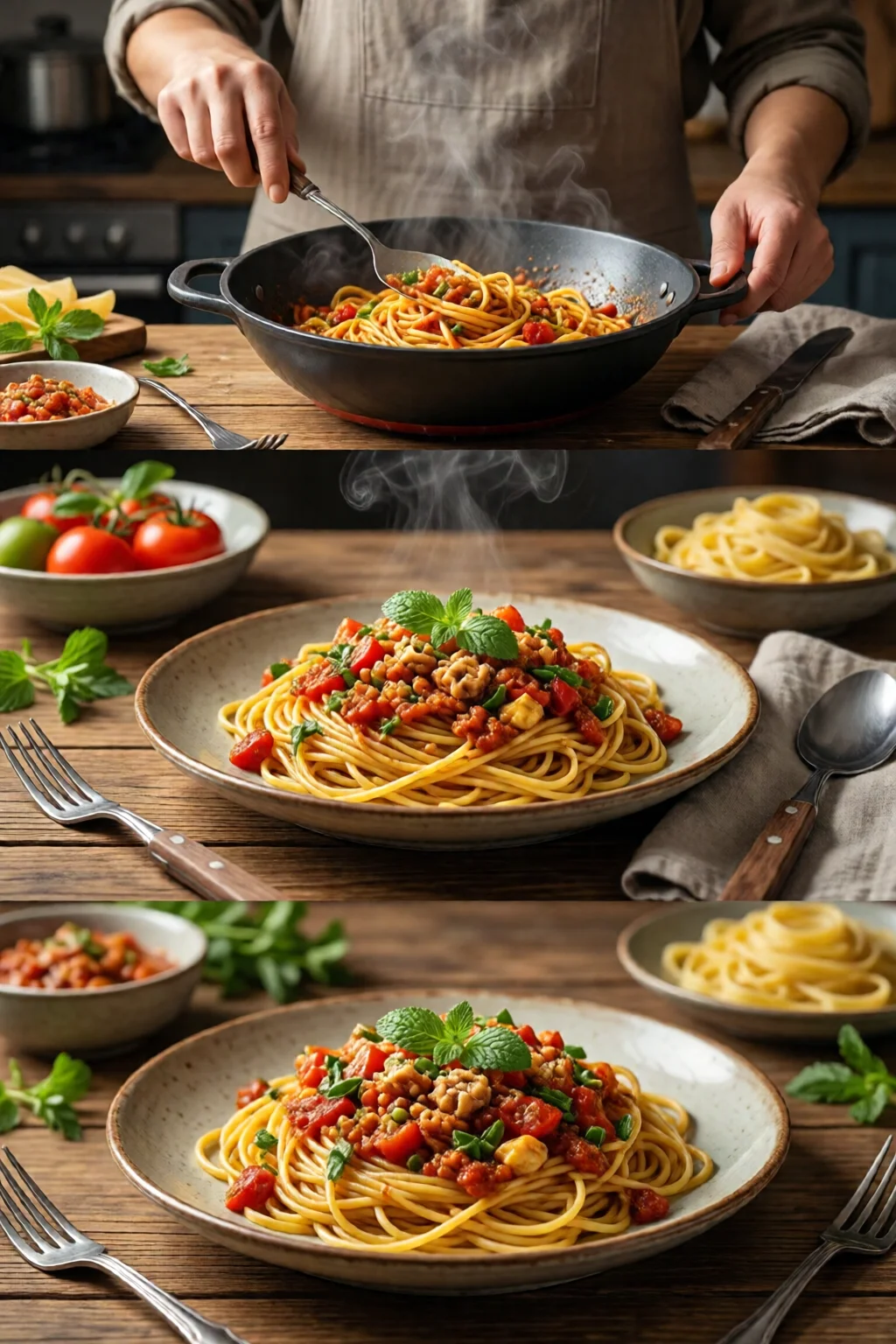
Step 4 – Cooking and Combining
- Boil water. Fill a 6‑quart pot with 5 L of water, add 2 Tbsp sea salt, and bring to a rolling boil.
- Cook the pasta. Drop the fresh tagliatelle into the water. Stir gently to prevent clumping. Cook for 2 minutes, then taste; it should be tender yet firm in the center (al dente).
- Reserve pasta water. Scoop out ½ cup of the starchy water before draining.
- Combine with sauce. Return the drained pasta to the pot, add 1 cup of ragù, and toss over low heat. If the sauce seems thick, drizzle in reserved pasta water a tablespoon at a time until it coats the ribbons evenly.
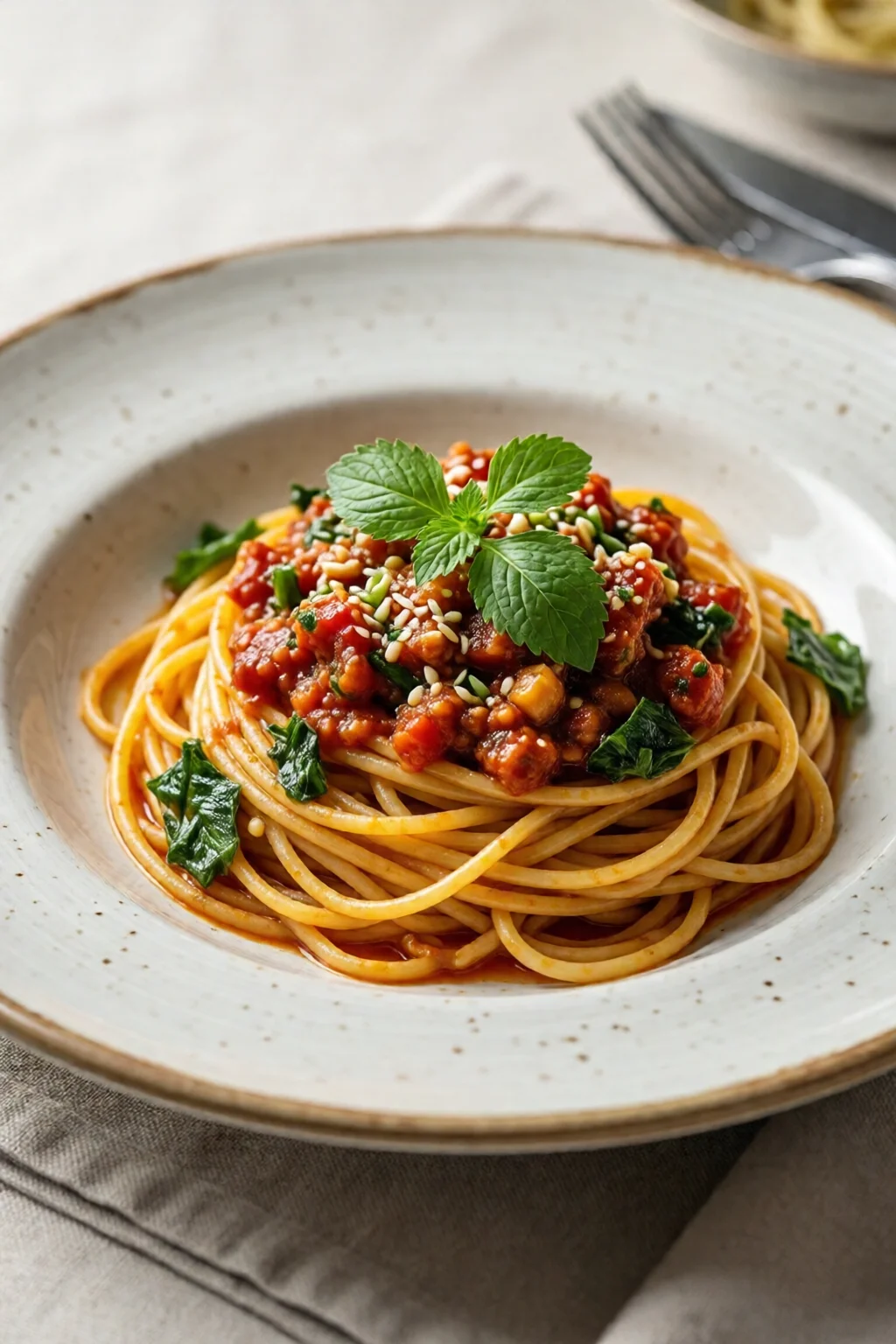
- Serve immediately. Plate the pasta, finish with an extra sprinkle of Parmigiano‑Reggiano, a drizzle of high‑quality extra‑virgin olive oil, and a few fresh basil leaves.
In my experience, the key to a glossy finish is that splash of pasta water; the starches act as a natural emulsifier.
Common Mistakes to Avoid
- Using the wrong flour. All‑purpose flour yields a grainier texture; stick to 00 or “tipo 00” for authentic silkiness.
- Skipping the dough rest. Without the 30‑minute rest, the gluten remains tight, making rolling a battle.
- Over‑cooking the pasta. Fresh ribbons turn mushy after 4 minutes. Set a timer and test early.
- Neglecting seasoning the water. Salted water is the only chance to season the pasta itself; under‑salting results in bland noodles.
- Adding sauce too early. Tossing pasta with cold sauce causes clumping; always warm the sauce first.
Troubleshooting & Tips for Best Results
My dough feels too dry. Lightly wet your fingertips with water and knead a few more minutes; the dough should feel supple, not crumbly.
Pasta sticks together after cooking. Toss the drained noodles with a teaspoon of olive oil before adding sauce, or keep them in the pot with a splash of pasta water.
Sauce is too acidic. Add a pinch of baking soda (¼ tsp) – it will fizz and neutralize excess acidity without altering flavor.
Need a quicker version? Use high‑quality dried pasta like Barilla No. 5 (spaghetti) – cook for 9 minutes, then follow steps 3‑4 for sauce.
For a gluten‑free twist, substitute the 00 flour with a blend of rice flour and tapioca starch (1:1 ratio). The dough will be stickier, so a silicone mat helps during rolling.
Frequently Asked Questions
Can I freeze homemade pasta?
Yes. Lay the fresh ribbons on a parchment‑lined tray, freeze for 2 hours, then transfer to a zip‑top bag. Cook from frozen – add an extra minute to the boiling time.
What’s the difference between ragù and Bolognese?
Ragù is a broad term for meat‑based sauces across Italy. Bolognese is the specific ragù from Bologna, traditionally using minced pork, pancetta, a modest amount of tomato, and a long simmer. Our recipe leans toward a classic ragù, but you can follow a Bolognese formula by reducing tomato and adding milk.
Do I need a pasta machine?
Not mandatory, but a machine like the Marcato Atlas speeds up rolling and ensures uniform thickness. If you only have a rolling pin, roll patiently and dust with flour to avoid tearing.
How can I make the sauce richer without meat?
Replace the meat with a mixture of finely diced mushrooms, lentils, and a splash of soy sauce. Finish with a tablespoon of miso paste and a drizzle of truffle oil for depth.
What side dishes pair well with this meal?
A simple arugula salad dressed with lemon juice and shaved Parmigiano, crusty Italian bread (like a Ciabatta from Boudin for $3.49), and a glass of Chianti Classico complete the experience.
Summary
Mastering Italian pasta recipes traditional homemade is less about fancy equipment and more about respecting technique: proper flour, a rested dough, a gentle roll, and a sauce simmered with patience. With the tools, ingredients, and step‑by‑step instructions above, you can create fresh tagliatelle and a hearty ragù that will impress family and friends alike. Feel free to experiment—swap herbs, adjust meat ratios, or try a gluten‑free flour blend. The foundations you’ve learned today will serve as a solid base for every pasta adventure to come.
Looking for more culinary inspiration? Check out our Chinese fried rice recipe restaurant style, explore Cuban recipes traditional and flavorful, or dive into authentic Mexican recipes at home. For a sweet finish, try the carrot cake recipe with cream cheese, and if mornings are hectic, our quick breakfast recipes for busy mornings will keep you fueled.