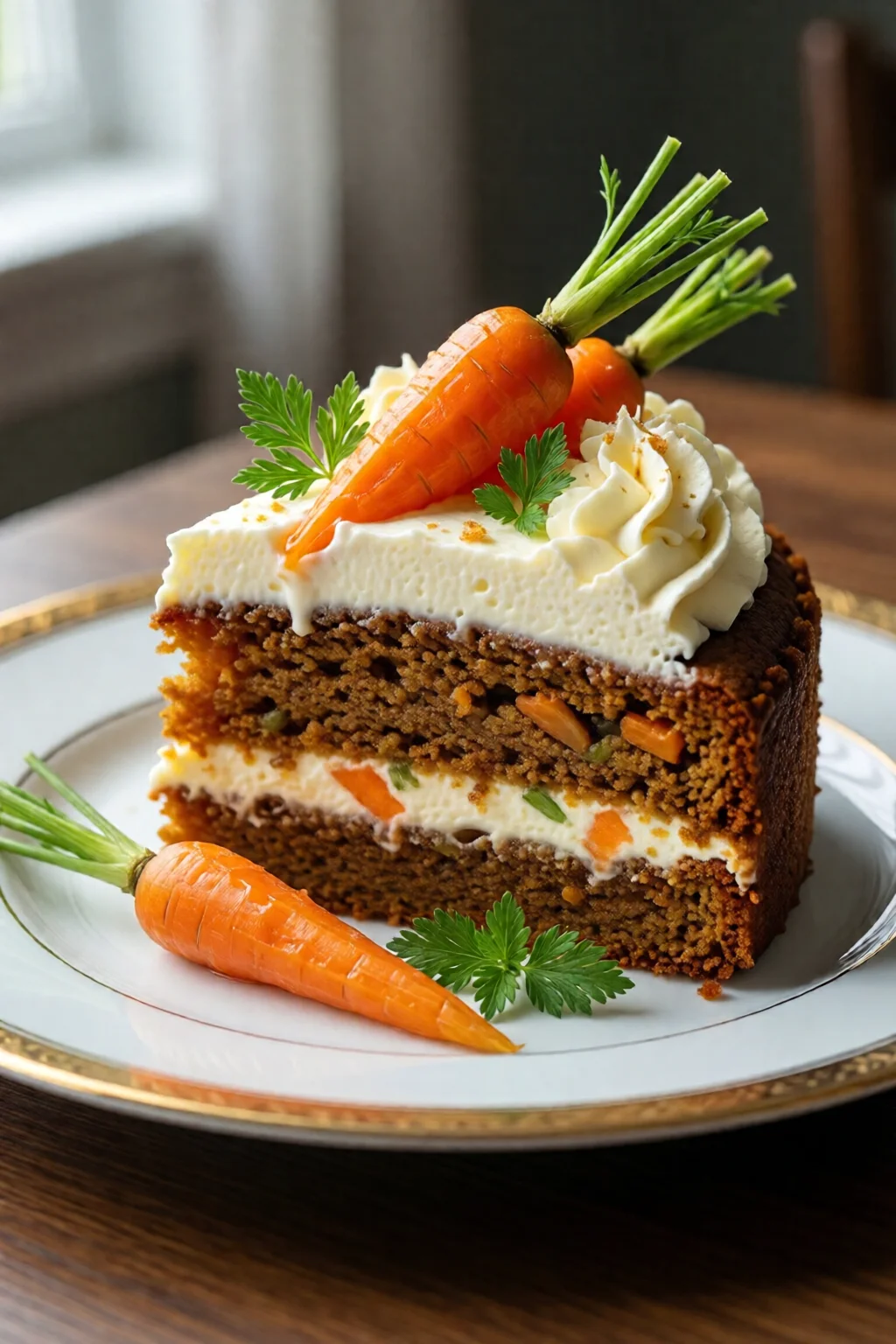
Imagine pulling a perfectly moist carrot cake from the oven, its layers smothered in a silky cream cheese frosting that never gets too sweet or too tangy—this carrot cake recipe with cream cheese will give you exactly that, plus a few pro tips that turn a good dessert into a show‑stopper.
In This Article
- What You Will Need (or Before You Start)
- Step 1: Prepare the Vegetables and Dry Mix
- Step 2: Cream Butter and Sugars, Then Add Eggs
- Step 3: Combine Wet and Dry, Then Fold in Carrots and Add‑Ins
- Step 4: Bake the Cake
- Step 5: Make the Cream Cheese Frosting
- Step 6: Assemble and Chill
- Common Mistakes to Avoid
- Troubleshooting or Tips for Best Results
- Summary
What You Will Need (or Before You Start)
Gathering the right ingredients and tools saves you from last‑minute grocery runs and ensures consistent results. Below is a detailed checklist, complete with brand suggestions and price ranges you’ll actually find in a typical U.S. grocery store.
- Dry Ingredients
- 2 cups (240 g) King Arthur Unbleached All‑Purpose Flour – about $4.99 for a 5‑lb bag.
- 1 ½ tsp (6 g) McCormick Ground Cinnamon – $3.49 for a 2‑oz jar.
- 1 tsp (2 g) ground ginger, same brand – $3.49.
- ½ tsp (2 g) ground nutmeg – $3.49.
- 1 tsp (5 g) baking soda.
- ½ tsp (2 g) baking powder.
- ¼ tsp (1 g) fine sea salt – Morton Kosher Salt, $1.99 for 16 oz.
- Wet Ingredients
- ½ cup (115 g) unsalted butter, melted – use Kerrygold Pure Irish Butter, $5.49 for a 1‑lb block.
- 1 cup (200 g) granulated sugar – Domino Sugar, $2.79 for 4 lb.
- ½ cup (110 g) packed light brown sugar – $3.29 for 2 lb.
- 3 large eggs, room temperature – roughly $0.60 each.
- 1 tsp (5 ml) pure vanilla extract – Nielsen-Massey Madagascar Vanilla, $12.99 for 2 oz.
- ¾ cup (180 ml) vegetable oil (canola or sunflower) – $2.49 for 1 qt.
- ¼ cup (60 ml) orange juice (freshly squeezed if possible) – $0.80 per orange.
- Carrots and Add‑Ins
- 3 cups (≈300 g) finely grated carrots – about 4 medium carrots, $0.70 each.
- ½ cup (50 g) chopped walnuts, toasted – Blue Diamond Whole Natural Walnuts, $7.99 for 12 oz.
- ½ cup (75 g) raisins or dried cranberries – $4.49 for 12 oz.
- Optional: ½ cup (60 g) shredded unsweetened coconut – $3.99 for 8 oz.
- Cream Cheese Frosting
- 8 oz (225 g) full‑fat cream cheese, softened – Philadelphia Cream Cheese, $2.79 per 8‑oz block.
- ¼ cup (57 g) unsalted butter, softened – same Kerrygold brand.
- 2 cups (250 g) powdered confectioners’ sugar, sifted – C&H Powdered Sugar, $2.49 for 2 lb.
- 1 tsp (5 ml) vanilla extract – same Nielsen‑Massey.
- Pinch of salt.
- Equipment
- Two 9‑inch (23 cm) round cake pans – Cuisinart Non‑Stick Aluminum, $9.99 each.
- Stand mixer (e.g., KitchenAid 5‑Qt. Tilt‑Head) or hand mixer – $399 for the base model.
- Rubber spatula, whisk, fine mesh sieve.
- Microplane grater for carrots and orange zest.
- Cooling rack, parchment paper, silicone baking mat.
Step 1: Prepare the Vegetables and Dry Mix
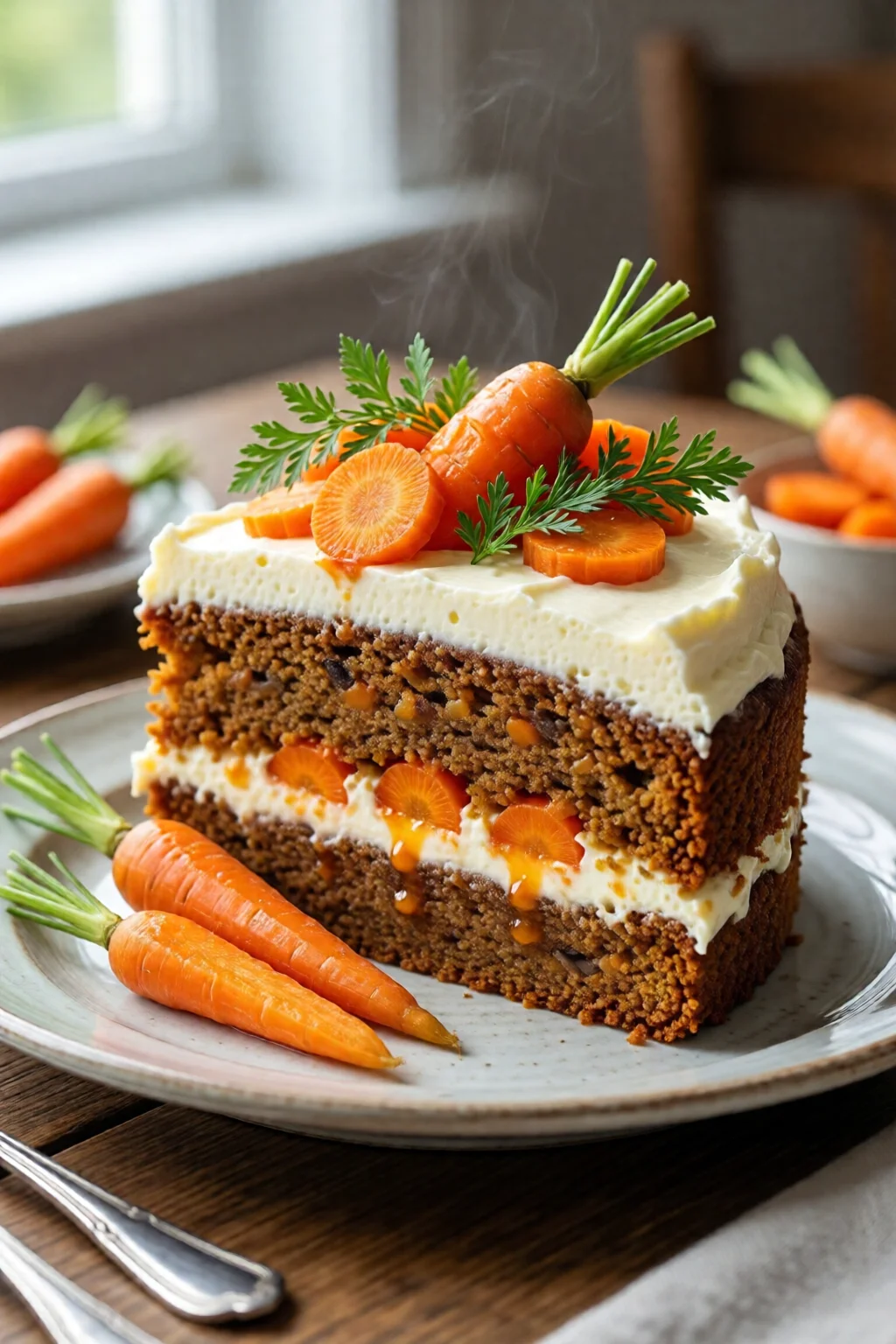
Preheat the oven to 350 °F (175 °C). Place a parchment circle in each 9‑inch pan; this eliminates the need for greasing and gives a clean edge. While the oven heats, grate the carrots on the fine side of a microplane – you want a texture that’s almost like a loose puree. Toss the grated carrots with 1 tsp of the flour to prevent them from sinking.
In a separate bowl, whisk together the remaining flour, cinnamon, ginger, nutmeg, baking soda, baking powder, and salt. Sifting the dry mix through a fine mesh sieve removes any clumps and aerates the flour, which contributes to a lighter crumb.
Step 2: Cream Butter and Sugars, Then Add Eggs
Using the stand mixer on medium speed, combine the melted butter, granulated sugar, and brown sugar. Beat for 2‑3 minutes until the mixture is glossy and slightly pale—this is where the sugar starts to dissolve, creating a tender crumb.
Increase to high speed and add the eggs one at a time, allowing each egg to incorporate fully before adding the next. Finish by mixing in the vanilla extract and orange juice. The citrus adds a subtle brightness that balances the sweet cream cheese frosting later on.
Step 3: Combine Wet and Dry, Then Fold in Carrots and Add‑Ins
Gradually add the sifted dry ingredients to the butter‑sugar‑egg mixture, mixing on low speed just until the flour disappears. Over‑mixing at this stage can develop gluten, making the cake dense.
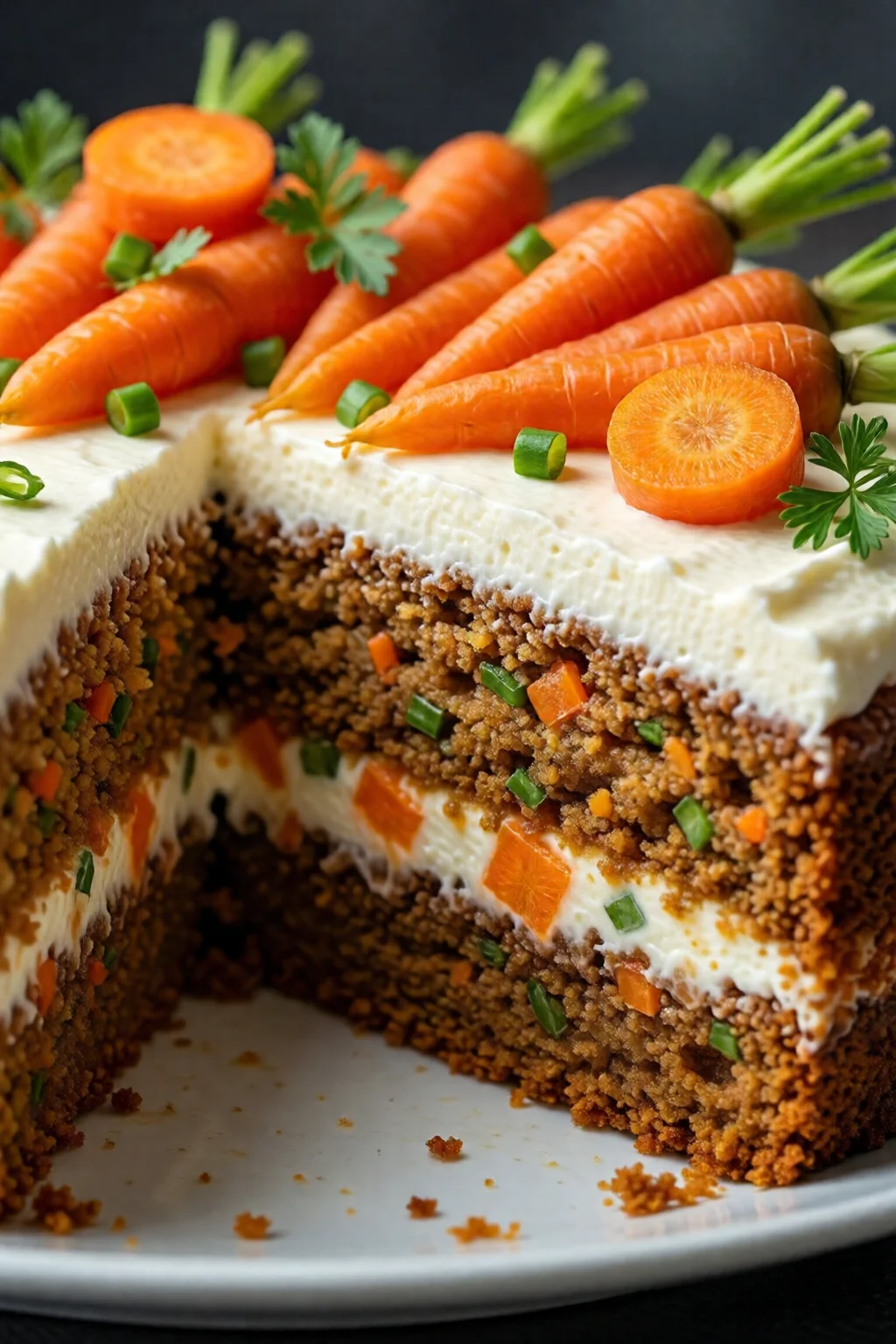
Switch to the spatula and gently fold in the flour‑coated carrots, toasted walnuts, raisins, and optional coconut. The goal is a uniform distribution without crushing the berries or breaking up the nuts.
Step 4: Bake the Cake
Divide the batter evenly between the two prepared pans (you can use a kitchen scale for precision; each pan should hold about 3 ½ cups, roughly 800 g). Smooth the tops with a spatula and give each pan a quick tap on the counter to release any large air bubbles.
Place the pans on the middle rack and bake for 30‑35 minutes, or until a toothpick inserted 1 inch from the center comes out clean. Rotate the pans halfway through baking for even heat distribution. If the tops are browning too quickly, loosely tent with aluminum foil.
After removing from the oven, let the cakes cool in the pans for 10 minutes, then run a thin knife around the edges and invert onto a cooling rack. Cool completely (about 1‑1.5 hours) before frosting; a warm cake will melt the frosting.
Step 5: Make the Cream Cheese Frosting
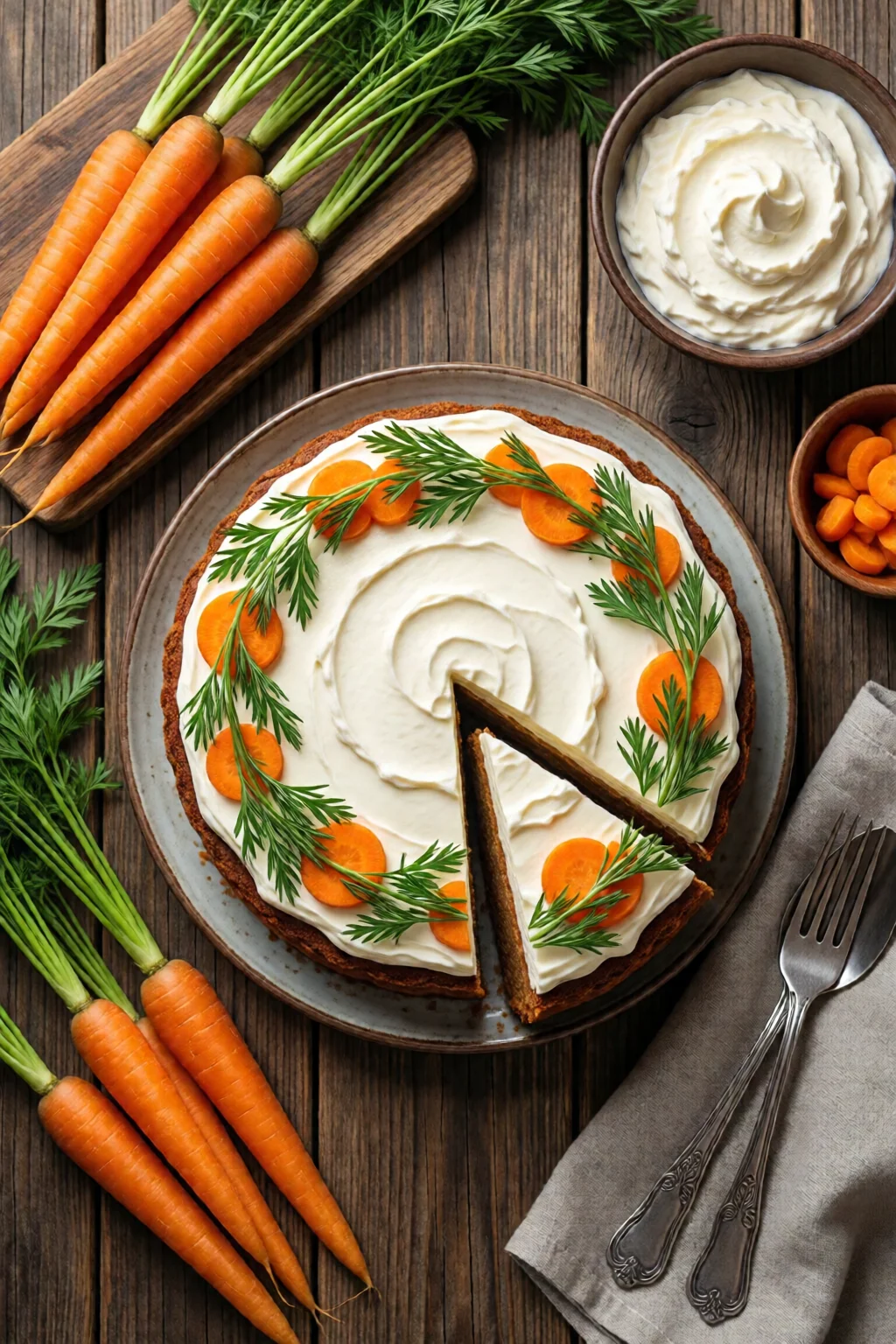
While the cakes are cooling, beat the softened cream cheese and butter together on medium speed until the mixture is smooth and pale, about 2 minutes. Scrape down the sides of the bowl frequently to avoid streaks.
Gradually add the sifted powdered sugar, one cup at a time, beating on low to prevent a sugar cloud. Once incorporated, switch to high speed and beat for another minute, then add the vanilla extract and a pinch of salt. The final frosting should be spreadable but hold its shape—if it’s too soft, refrigerate for 10 minutes; if too stiff, whisk in a teaspoon of milk.
For an extra flavor twist, swirl in 1 tbsp of orange zest or a splash of bourbon (optional, $8‑bottle). This ties the citrus note in the batter to the frosting, creating a cohesive taste profile.
Step 6: Assemble and Chill
Place one cake layer on a serving plate. Spread a generous dollop of frosting over the surface, smoothing with an offset spatula. Position the second layer on top and apply a thin “crumb coat” around the entire cake. Chill for 15‑20 minutes; this stabilizes the crumb coat and prevents cracks when you add the final layer of frosting.
After chilling, apply the final thick layer of cream cheese frosting, creating swirls or a smooth finish as you prefer. Garnish with extra toasted walnuts, a drizzle of caramel, or a dusting of cinnamon. Refrigerate the assembled cake for at least 30 minutes before slicing; this ensures clean cuts and firm texture.
Common Mistakes to Avoid
- Over‑mixing the batter. This develops gluten, turning a fluffy cake into a rubbery loaf. Mix just until ingredients are combined.
- Using cold butter or cream cheese. Softened fats incorporate air and blend evenly, yielding a smoother crumb and frosting.
- Skipping the orange juice. The acidity brightens the flavor and helps break down carrot fibers for a tender crumb.
- Not cooling the cake fully. Warm cake melts the frosting, leading to a runny surface and uneven slices.
- Measuring flour by scooping. This packs the flour, resulting in a dry cake. Use a weight scale (1 cup ≈ 120 g) for accuracy.
Troubleshooting or Tips for Best Results
Dry cake? It usually means either over‑mixing or too much flour. Next time, spoon flour into the measuring cup and level it off, or reduce flour by 2‑3 Tbsp.
Crumbly frosting? The butter may be too cold or the powdered sugar not fully integrated. Warm the frosting gently (10 seconds in the microwave) and beat again.
Uneven layers? Use a kitchen scale to weigh each batter portion; aim for ±5 g between pans.
Flavor boost? Replace half the vegetable oil with melted coconut oil for a subtle tropical note, or add ½ tsp of espresso powder to the dry mix—coffee deepens the chocolate‑like spices.
For a dairy‑free version, swap the butter with equal‑weight margarine and use a vegan cream cheese such as Tofutti, $5.99 for an 8‑oz tub. The texture changes slightly but remains delicious.
Summary
This carrot cake recipe with cream cheese combines precise measurements, proven techniques, and a few chef‑level shortcuts to deliver a cake that’s moist, spiced, and perfectly balanced by a tangy frosting. By following the steps, avoiding common pitfalls, and applying the troubleshooting tips, you’ll consistently produce a dessert worthy of birthdays, potlucks, or a simple end‑of‑week treat.
Can I make this carrot cake ahead of time?
Yes. Bake the layers up to 2 days in advance, store them wrapped in plastic wrap, and keep the frosting refrigerated. Assemble just before serving and let the cake sit at room temperature for 30 minutes.
What’s the best way to grate carrots without a microplane?
A box grater on the fine side works well. If you have a food processor, use the shredding disc for a quick, uniform grate.
Can I substitute the walnuts with another nut?
Absolutely. Pecans, almonds, or hazelnuts each add a unique flavor. Keep the quantity at ½ cup and toast them lightly for extra crunch.
How does this carrot cake compare to a classic best cheesecake recipe creamy and smooth in terms of richness?
While cheesecake is denser and richer due to a higher cream cheese proportion, this carrot cake balances richness with moisture from carrots and oil, making it lighter yet still indulgent.
Is this recipe suitable for gluten‑free diets?
Yes—swap the all‑purpose flour for a 1:1 gluten‑free blend such as Bob’s Red Mill Gluten‑Free 1‑to‑1 Baking Flour. The texture remains comparable.