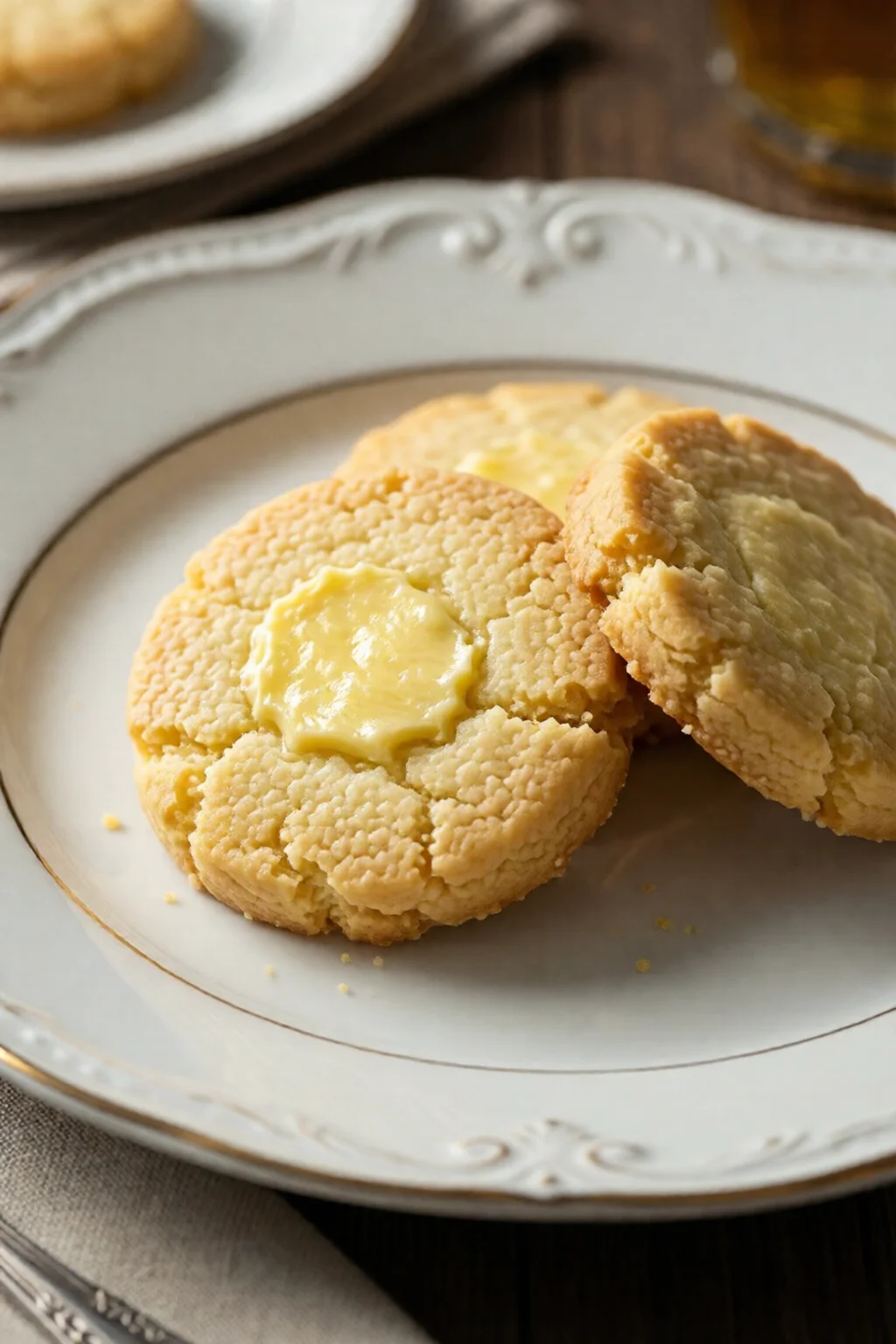
It was a rainy Saturday in my tiny Manhattan kitchen when I first realized that the simplest cookie could also be the most unforgettable. I had a stick of European‑style cultured butter, a bag of unbleached all‑purpose flour, and a craving for something that melted on the tongue while still holding its shape. After a quick 12‑minute mix, the oven door opened to reveal a batch of buttery, crumbly discs that smelled like a grandmother’s tea‑time treat. That moment sparked the shortbread cookie recipe buttery classic I still use today, and it’s the same one I’m sharing with you now.
In This Article
Shortbread isn’t just a cookie; it’s a canvas for texture, flavor, and nostalgia. Whether you’re preparing a tea‑time platter, a gift box for the holidays, or a base for a lemon‑cream tart, mastering this buttery classic will give you a reliable, crowd‑pleasing staple. Below you’ll find everything you need—from ingredient sourcing to budgeting, from troubleshooting to creative twists—so you can bake shortbread that tastes like it’s been perfected over generations.
Ingredients You’ll Need
Butter – the Star
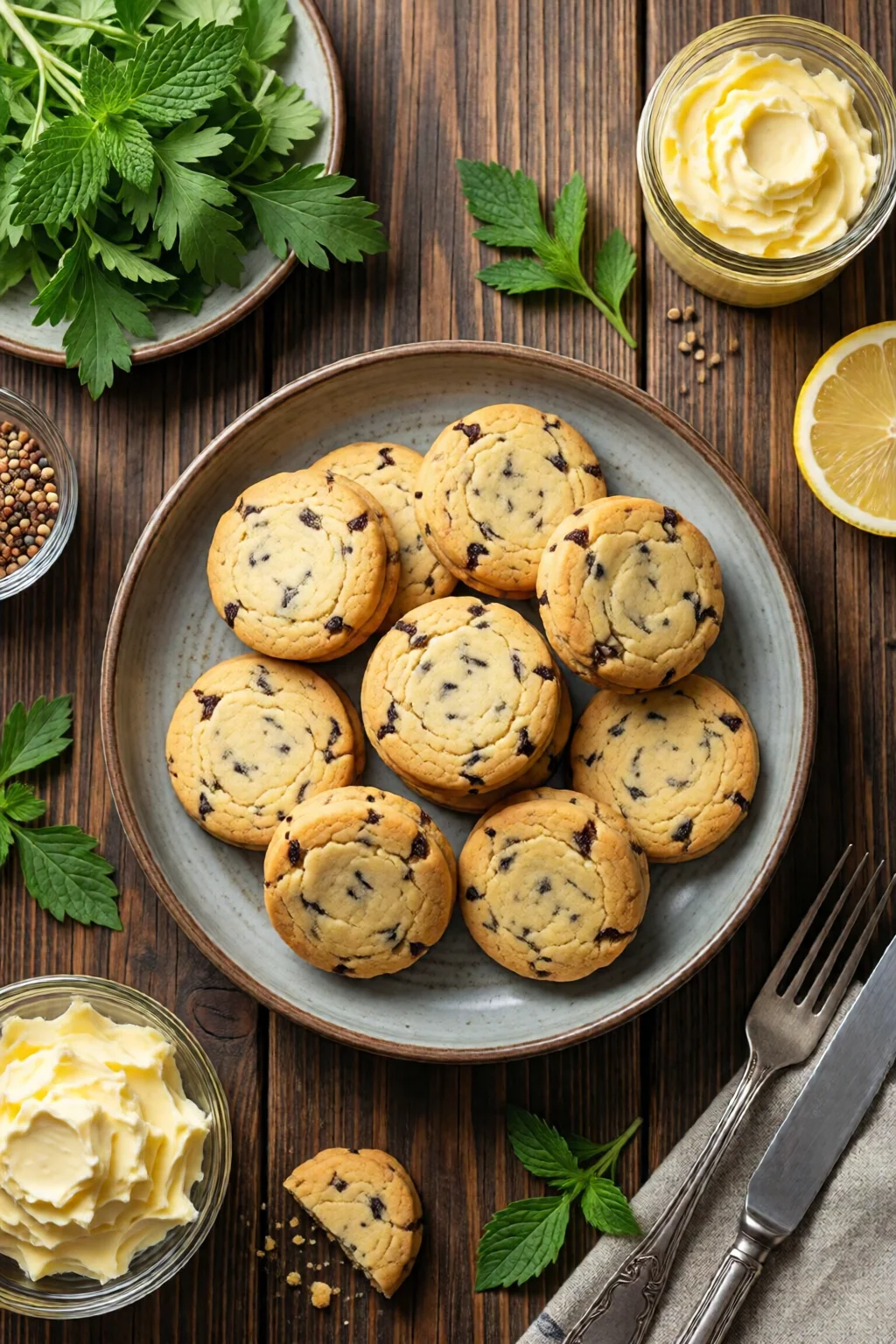
The word “buttery” in shortbread isn’t a marketing fluff; it’s the result of using the right fat. I recommend Plugra European‑style cultured butter (80 % butterfat) priced at about $4.99 per 8‑oz stick. Its higher butterfat content yields a richer mouthfeel and a more tender crumb compared to standard 72 % butter. If you’re on a tighter budget, Kerrygold Pure Irish Butter at $3.79 per 8‑oz stick works well, though you’ll notice a slightly sweeter note.
Measure the butter precisely—225 g (1 cup) for a standard 12‑cookie batch. Too much will cause spreading; too little makes the dough dry and crumbly.
Flour Choices
For a classic texture, use King Arthur Unbleached All‑Purpose Flour. One cup (120 g) costs roughly $0.45 and provides consistent protein level (10.5 %). If you prefer a softer bite, swap ¼ cup of the AP flour for soft cake flour (e.g., Swans Down), which reduces gluten formation and yields a melt‑in‑your‑mouth result.
Sweeteners & Add‑ins
Granulated white sugar is traditional; ½ cup (100 g) adds a subtle sweetness without altering texture. For a deeper caramel flavor, substitute half the sugar with light brown sugar (≈$0.60 per ½ cup). A pinch of fine sea salt (≈¼ tsp) balances the sweetness, and a splash of vanilla extract (½ tsp, about $0.10) adds aromatic depth.
Step‑by‑Step Method
Preparing the Dough
1. Soften the butter at room temperature for 15–20 minutes. It should be pliable but not melted. 2. In a stand mixer fitted with the paddle attachment, beat the butter on medium speed for 2 minutes until creamy. 3. Add the sugar and continue beating for another 2 minutes until the mixture lightens in color.
4. Sift the flour and salt together to avoid lumps, then gradually add to the butter‑sugar mixture. Mix on low for 30 seconds—just until the flour is incorporated. Over‑mixing develops gluten, which makes shortbread tough.
5. Turn the dough onto a lightly floured surface, gently knead 5–6 times to form a smooth ball. Wrap in plastic wrap and refrigerate for at least 30 minutes; this firms the butter and prevents excess spreading.
Shaping and Chilling
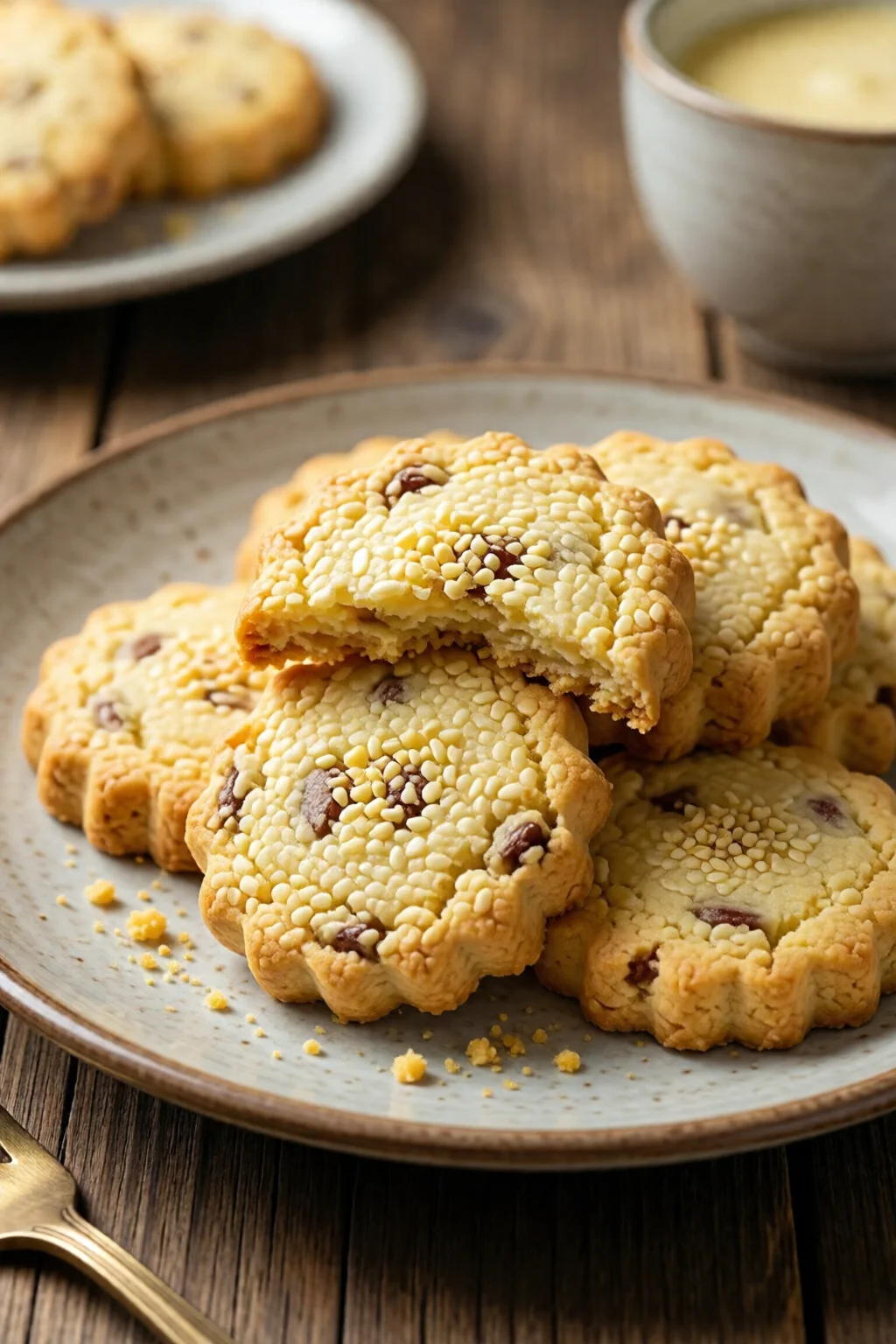
After chilling, roll the dough to a uniform ¼‑inch thickness using a rolling pin dusted with flour. Cut shapes with a 2‑inch round cutter or a classic shortbread press. For a rustic look, use a fork to prick each cookie—this also helps steam escape, preserving a flat top.
Place the cutouts on a parchment‑lined baking sheet, leaving a ½‑inch gap. Chill the shaped dough again for 10 minutes; this second chill creates a more defined edge.
Baking to Perfection
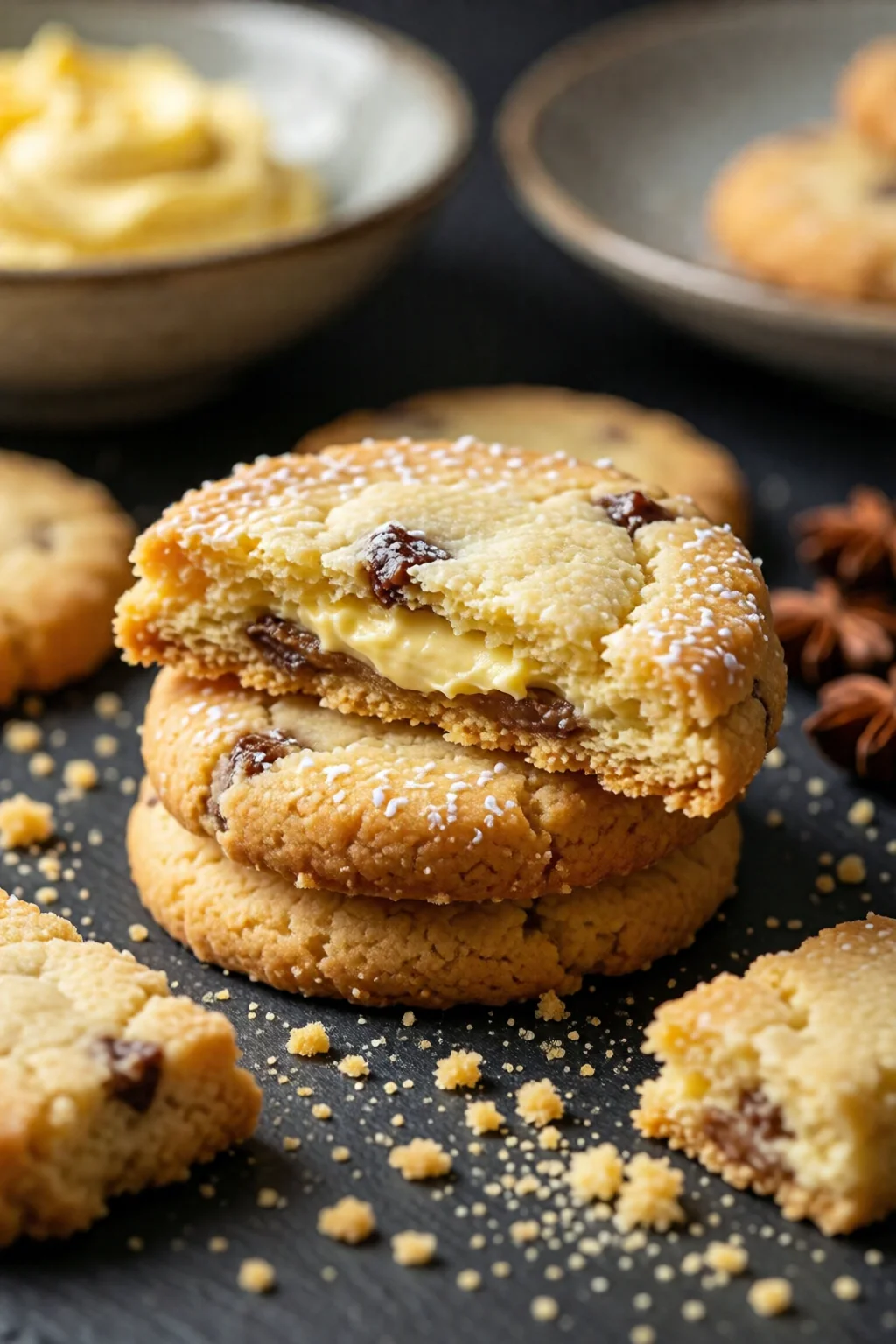
Preheat the oven to 325 °F (163 °C). Bake for 12–15 minutes, rotating the sheet halfway through. The cookies should be barely golden at the edges, with a pale center. Remove and let cool on the sheet for 5 minutes before transferring to a wire rack.
Timing is crucial: an extra minute can turn a buttery classic into a dry, crumbly snack. Use an infrared thermometer to verify oven temperature; many home ovens run 10–15 °F hotter than the dial.
Variations on the Classic
Salted Butter & Flaky Sea Salt
Replace half the unsalted butter with salted butter (e.g., Land O’Lakes) and sprinkle a pinch of flaky sea salt (Maldon, $2.99 per 2‑oz tin) on top before baking. The contrast heightens the buttery flavor and adds a satisfying crunch.
Adding Citrus Zest
For a bright twist, fold in 1 tsp of finely grated lemon or orange zest with the flour. The zest adds aromatic oils that complement the butter without overwhelming it. Pair with a drizzle of citrus glaze (powdered sugar + lemon juice) for a festive finish.
Gluten‑Free Adaptation
Swap the all‑purpose flour for a 1:1 gluten‑free blend such as Bob’s Red Mill Gluten‑Free 1‑to‑1 Baking Flour ($4.49 per 2‑lb bag). Add 1 tsp xanthan gum if the blend lacks it. The texture will be slightly more crumbly, so handle the dough gently and chill longer (45 minutes) to improve cohesion.
Cost Breakdown & Budget Tips
Ingredient Pricing (Example US Prices)
| Ingredient | Quantity per Batch | Cost (USD) |
|---|---|---|
| Plugra Cultured Butter | 225 g (1 cup) | $1.56 |
| King Arthur AP Flour | 120 g (1 cup) | $0.45 |
| Granulated Sugar | 100 g (½ cup) | $0.20 |
| Vanilla Extract | ½ tsp | $0.10 |
| Sea Salt (Maldon) | ¼ tsp | $0.15 |
| Total | $2.46 |
That’s roughly $0.21 per cookie for a dozen, not counting energy costs.
Energy Usage (Oven Costs)
Running a 325 °F oven for 15 minutes uses about 0.5 kWh. At the national average electricity rate of $0.13/kWh, each batch costs ≈$0.07 in energy. Combine ingredient and energy costs, and you’re looking at under $0.30 per cookie.
Bulk Buying vs. Specialty
If you bake weekly, buying butter in a 2‑lb block (≈$8.99) reduces the per‑stick cost to $2.25, saving $0.75 per batch. For flour, a 25‑lb sack of King Arthur (≈$12) brings the per‑cup cost to $0.04, a 10 % saving over retail bags.
Pro Tips from Our Experience
Temperature Control
Butter should never be melted; a temperature of 68‑70 °F yields the best spread control. If your kitchen is warm, chill the butter on a metal tray for 10 minutes before creaming.
Storage & Shelf Life
Store baked shortbread in an airtight tin with a parchment sheet between layers. At room temperature (65‑70 °F) they stay fresh for 2 weeks. For longer storage, freeze in a zip‑top bag; they thaw quickly and retain texture.
Pairings & Serving Ideas
Shortbread pairs beautifully with a cup of Earl Grey tea or a glass of chilled dessert wine such as Muscat. Use it as a base for a pavlova recipe with fresh berries or crumble it over vanilla ice cream for a quick sundae.
If you’re looking for a savory contrast, serve alongside a slice of Indian butter chicken recipe authentic for a sweet‑and‑spicy snack plate.
Comparison Table – Butter Brands for Shortbread
| Brand | Butterfat % | Price per 8‑oz (USD) | Flavor Notes | Best Use |
|---|---|---|---|---|
| Plugra European‑style | 80 % | 4.99 | Rich, slightly tangy | Classic shortbread |
| Kerrygold Irish | 82 % | 3.79 | Creamy, buttery | Shortbread & pastries |
| Land O’Lakes Salted | 80 % | 3.49 | Subtle saltiness | Salted variations |
| Organic Valley (Grass‑fed) | 82 % | 5.29 | Earthy, deep | Premium desserts |
| President (French) | 78 % | 4.59 | Delicate, buttery | Elegant cookies |
Frequently Asked Questions
Can I use melted butter instead of softened butter?
Melted butter creates a denser, less flaky shortbread because the fat coats the flour too early. For a true buttery classic, keep the butter soft but solid.
Why does my shortbread spread too much?
Excess spread is usually caused by over‑softened butter or dough that’s not chilled long enough. Chill the dough at least 30 minutes and keep butter at 68‑70 °F.
Can I freeze the dough before baking?
Yes. Shape the dough, wrap tightly in plastic, and freeze for up to 2 weeks. Bake from frozen, adding 2‑3 minutes to the baking time.
What’s the difference between using confectioners’ sugar and granulated sugar?
Confectioners’ sugar yields a finer, more melt‑in‑mouth texture but can make the dough too soft. Granulated sugar provides structure and a slight crunch, which is traditional for shortbread.
How long can I keep baked shortbread?
Stored in an airtight container at room temperature, shortbread stays fresh for 14 days. For longer storage, freeze for up to 3 months.
Conclusion – Your Next Butter‑Laden Success
Armed with the right butter, precise measurements, and a few pro tricks, you can turn a simple shortbread cookie recipe buttery classic into a reliable staple for any occasion. Remember to chill the dough, watch the oven temperature, and experiment with a pinch of sea salt or citrus zest to make it your own. The next time you crave that melt‑in‑your‑mouth crumb, you’ll know exactly which brand of butter to reach for, how much each batch costs, and how to keep the cookies fresh for weeks. Happy baking, and may every bite remind you of that rainy Saturday when buttery perfection first arrived at your doorstep.