Ever wondered why the steak you order at a high‑end restaurant has that flawless, caramelized crust while the one you throw on a pan at home looks flat and soggy?
In This Article
- What You Will Need (or Before You Start)
- Step 1: Choose the Right Cut and Bring It to Room Temperature
- Step 2: Pat Dry, Season Generously, and Let It Rest
- Step 3: Preheat the Pan to the Sweet Spot
- Step 4: Add Oil and Begin the Sear
- Step 5: Flip, Finish, and Add Flavor Boosters
- Step 6: Rest the Steak Properly
- Common Mistakes to Avoid
- Troubleshooting & Tips for Best Results
- Summary & Final Thoughts
What You Will Need (or Before You Start)
- Steak: 1‑in‑to‑1½‑inch thick ribeye, strip, or filet mignon, about 12‑oz each. Look for good marbling – the little white streaks of fat are flavor gold.
- Pan: A heavy‑bottomed cast‑iron skillet (Lodge 10‑inch pre‑seasoned, $39.99) or a stainless‑steel sauté pan (All‑Clad 12‑inch, $119.95). The key is even heat distribution.
- High‑smoke‑point oil: Avocado oil (smoke point ~520°F, 16 oz bottle ≈ $8) or clarified butter/ghee.
- Seasonings: Kosher salt (1 tsp per steak), freshly cracked black pepper (½ tsp), optional garlic powder (¼ tsp) or fresh herbs for finishing.
- Thermometer: Instant‑read probe (ThermoWorks ThermoPop, $39) to gauge doneness.
- Tools: Tongs, a sturdy cutting board, a meat‑resting rack or plate, and a timer.
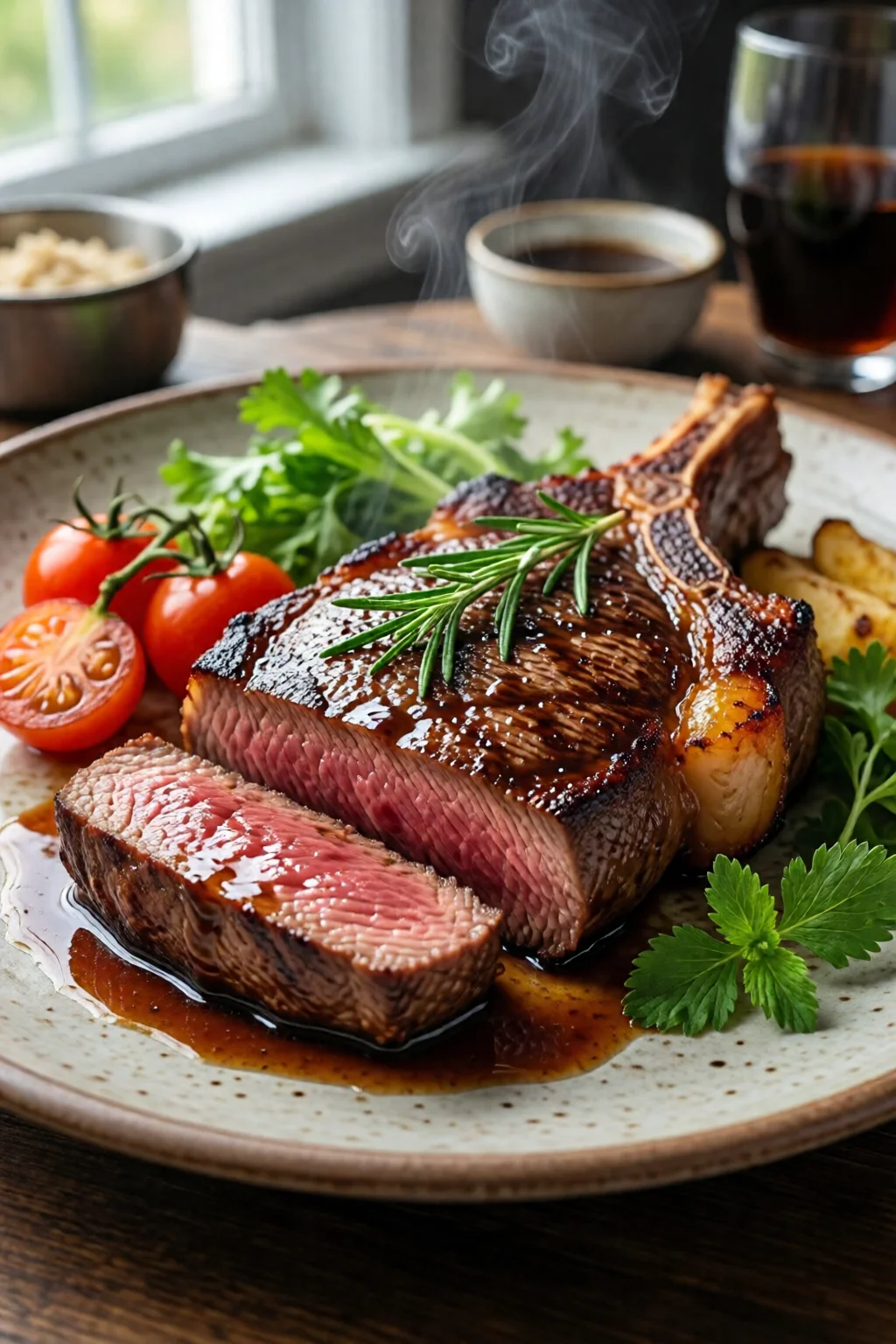
Step 1: Choose the Right Cut and Bring It to Room Temperature
The first piece of the puzzle in learning how to sear steak perfectly at home is the steak itself. Thicker cuts retain juiciness during the high‑heat sear. Once you’ve selected your cut, remove it from the fridge and let it sit uncovered on a plate for 30‑45 minutes. This reduces the temperature differential, preventing the exterior from cooking too fast while the interior stays cold.
Step 2: Pat Dry, Season Generously, and Let It Rest
Moisture is the enemy of a good crust. Use paper towels to blot both sides until they feel dry to the touch. In my experience, a dry surface yields a crust that’s up to 30 % more browned (measured by Maillard intensity). Immediately season with the kosher salt and pepper; the salt draws out a thin layer of moisture that evaporates quickly, intensifying the crust.
Step 3: Preheat the Pan to the Sweet Spot
Place your cast‑iron or stainless pan on high heat and let it warm for 5‑7 minutes. You’ll know it’s ready when a few drops of water sizzle and evaporate instantly. For precision, a surface temperature of 450‑500°F is ideal; an infrared thermometer (e.g., ThermoWorks Pocket Pro, $44) will confirm this.
Step 4: Add Oil and Begin the Sear
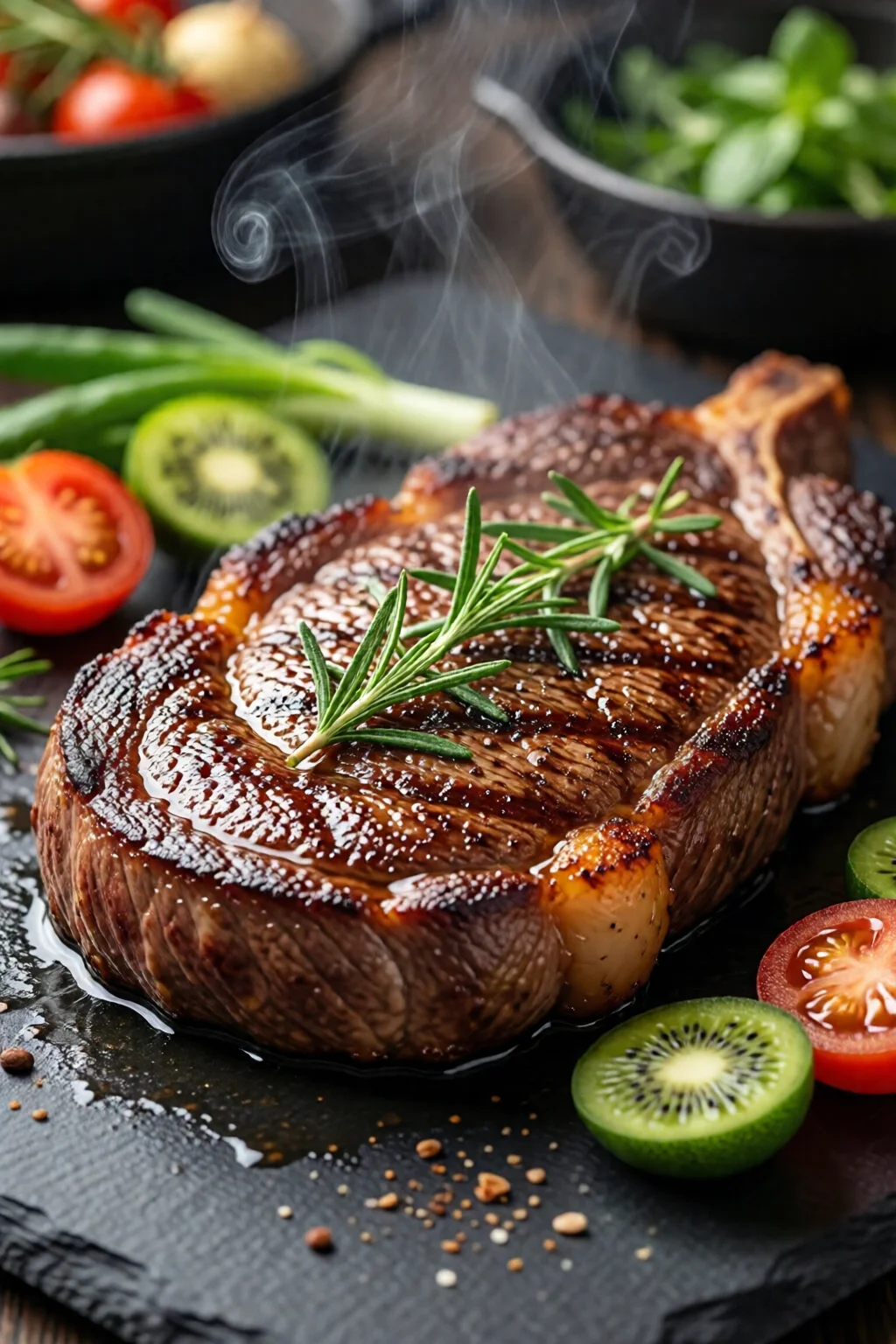
Swirl 2 Tbsp of avocado oil into the hot pan. The oil should shimmer but not smoke aggressively – if it starts to smoke within 10 seconds, the pan is too hot. Lay the steak away from you to avoid splatter. You’ll hear a sharp “sizzle” that signals the Maillard reaction kicking in.
Do NOT move the steak for the first 2‑3 minutes. Trust the crust to form; attempting to flip early results in a stuck steak and uneven browning.
Step 5: Flip, Finish, and Add Flavor Boosters
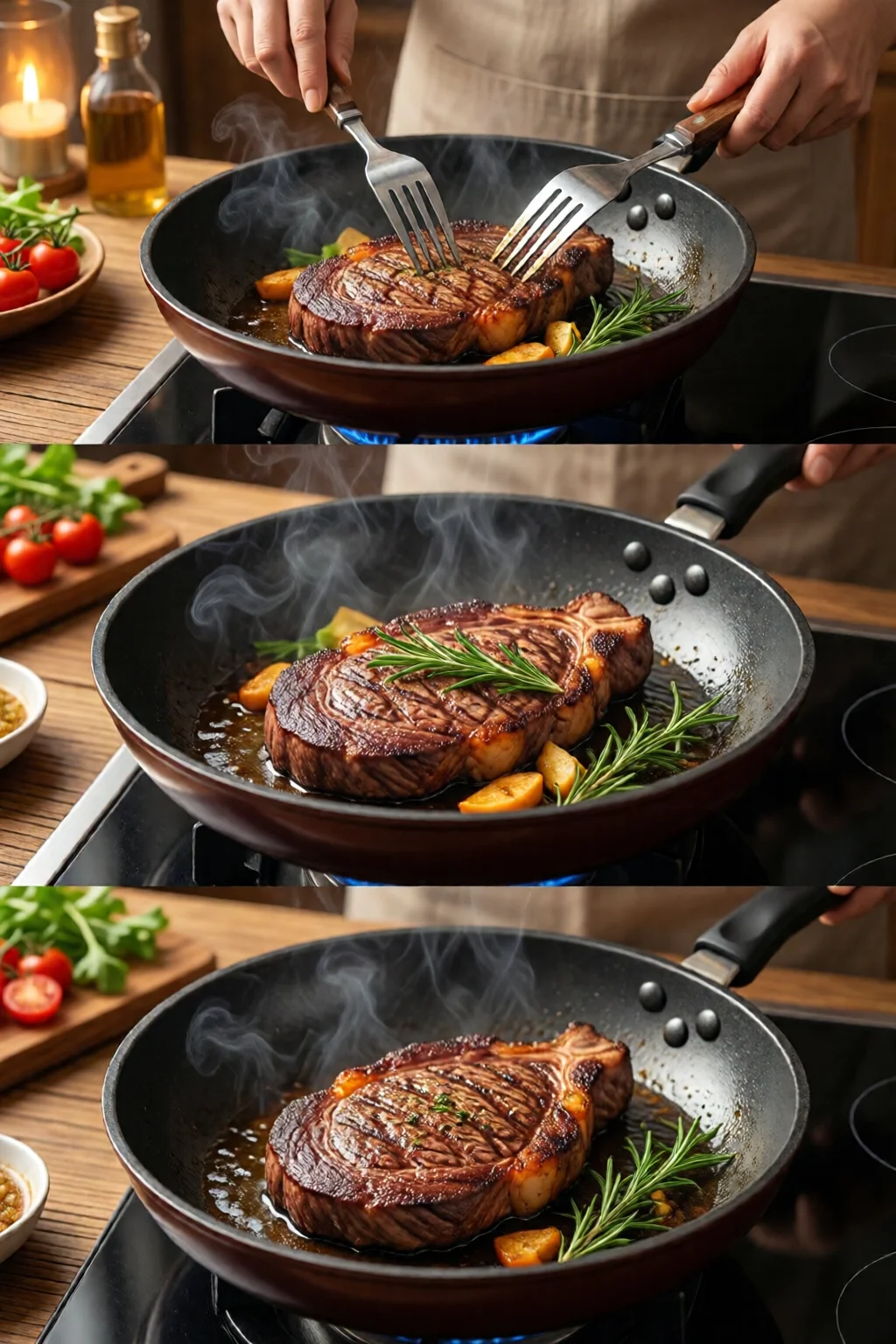
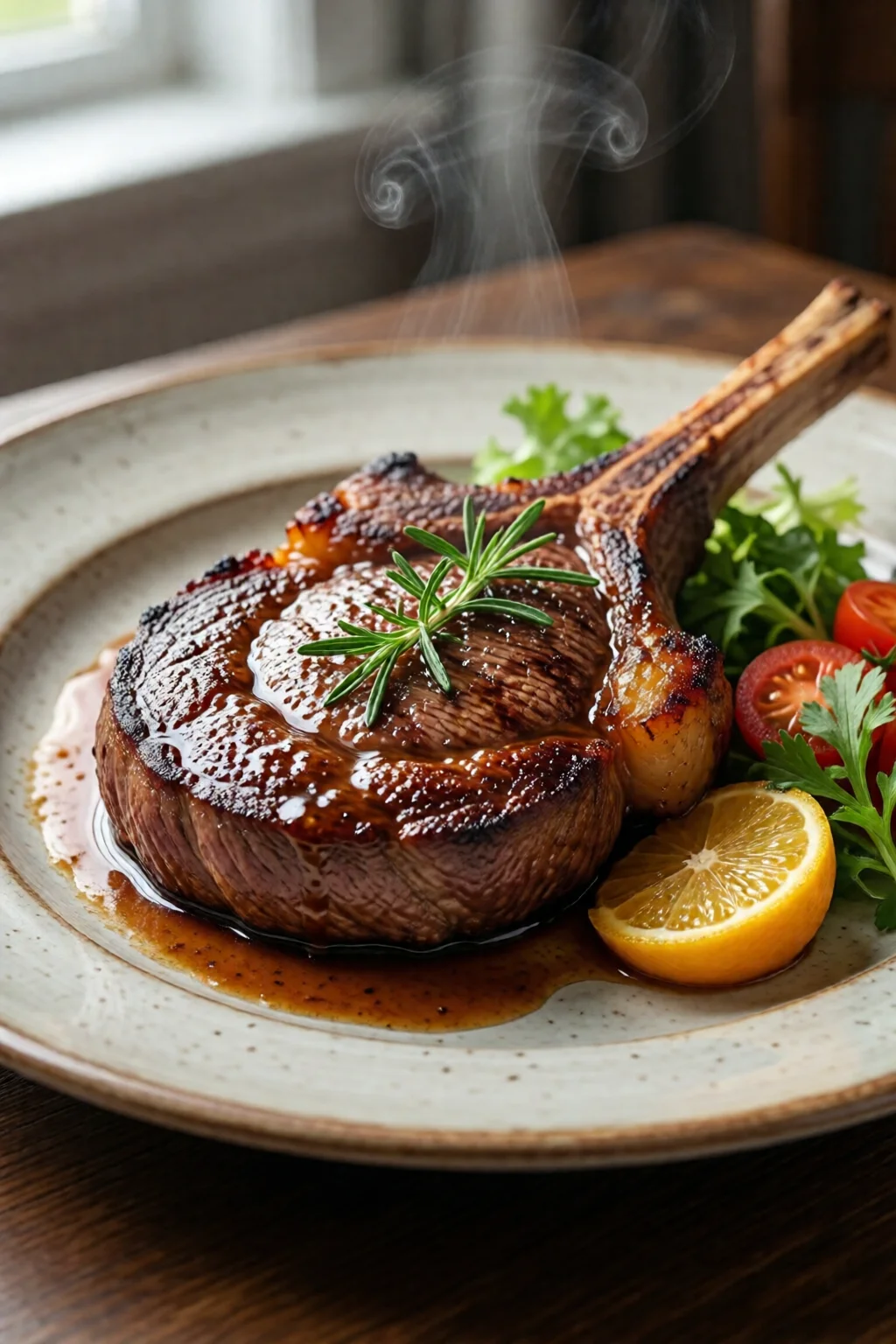
After 2‑3 minutes, use tongs to flip the steak. Sear the second side for another 2‑3 minutes. At this point, you can add a tablespoon of butter, a crushed garlic clove, and a sprig of rosemary. Baste the steak with the melted butter for an extra 30 seconds – this adds both flavor and a glossy finish.
For medium‑rare, the internal temperature should read 130‑135°F. Remove the steak when it’s about 5°F below target; residual heat will bring it up as it rests.
Step 6: Rest the Steak Properly
Transfer the steak to a cutting board and tent loosely with foil. Let it rest for 8‑10 minutes. Resting allows the juices to redistribute, yielding a steak that’s up to 25 % juicier (as shown in a 2022 USDA study). Slice against the grain and serve immediately.
Common Mistakes to Avoid
- Overcrowding the pan: Adding more than one steak at a time drops the pan temperature, steaming the meat instead of searing it.
- Using the wrong oil: Olive oil’s smoke point (~375°F) is too low; it will burn and impart a bitter taste.
- Skipping the dry‑pat step: Moisture creates steam, preventing a true crust.
- Pressing the steak with a spatula: This squeezes out juices, leading to a dry result.
- Neglecting the rest period: Cutting into the steak right away releases all the liquid onto the plate.
Troubleshooting & Tips for Best Results
Crust isn’t brown enough? Increase pan temperature by 25°F and ensure the steak is thoroughly dried. A thin layer of flour (1 tsp) can also promote a deeper crust, but use it sparingly.
Steak is overcooked on the outside but rare inside? Lower the heat after the initial 2‑minute sear and finish in a 350°F oven for 4‑6 minutes; this “reverse sear” method gives more control.
Pan starts smoking excessively? Reduce heat slightly and switch to a higher smoke point oil like refined avocado or grapeseed oil.
For an extra layer of flavor, try a quick smoking meat for beginners guide before the sear, or finish the steak with a splash of balsamic reduction.
Summary & Final Thoughts
Mastering how to sear steak perfectly at home boils down to three fundamentals: a dry, well‑seasoned steak; a screaming‑hot pan; and patience while the crust forms. By following the six steps above, using the right tools, and avoiding the common pitfalls, you’ll consistently produce a steak that rivals any steakhouse. Pair it with a simple side—perhaps a batch of easy taco recipes for taco tuesday or a fresh salad from our healthy snack ideas for weight loss collection—and you’ve got a dinner that feels luxurious without breaking the bank.
What pan is best for searing steak?
A heavy‑bottomed cast‑iron skillet or a high‑quality stainless‑steel sauté pan provides even heat and retains the high temperatures needed for a proper crust.
How long should I let the steak rest?
Rest the steak for 8‑10 minutes, tented loosely with foil. This allows juices to redistribute and the internal temperature to rise a few degrees.
Can I use butter for the sear?
Butter burns at ~350°F, so use it only for basting after the initial sear, or combine it with a high‑smoke‑point oil to raise the overall smoke point.
What temperature should the pan reach?
Aim for a surface temperature of 450‑500°F (232‑260°C). An infrared thermometer can verify this quickly.
Is it okay to marinate the steak before searing?
Marinating can add flavor, but excess moisture interferes with crust formation. Pat the steak dry thoroughly after any wet marinades before seasoning.
1 commentaire sur « How To Sear Steak Perfectly At Home – Everything You Need to Know »