Ever wondered why a steaming bowl of German recipes traditional comfort food can turn a rainy afternoon into pure bliss?
In This Article
- What You Will Need (Before You Start)
- Step 1 – Choose Your Core Comfort Dishes
- Step 2 – Prepare the Marinade for Sauerbraten
- Step 3 – Roast and Braise the Sauerbraten
- Step 4 – Make the Red Cabbage Side
- Step 5 – Prepare German Potato Dumplings (Kartoffelklöße)
- Step 6 – Finish the Sauerbraten Gravy
- Step 7 – Warm German Potato Salad (Kartoffelsalat)
- Step 8 – Bake the Apfelstrudel
- Common Mistakes to Avoid
- Tips for Best Results (Troubleshooting)
- Putting It All Together – A Classic German Comfort Meal
- Related Recipes You Might Enjoy
- Summary
What You Will Need (Before You Start)
- Basic pantry staples: all‑purpose flour, butter, vegetable oil, salt, pepper, sugar, and a good quality beef broth (e.g., Knorr German Beef Stock, approx. $3.49 per 32 oz).
- Key German ingredients: German mustard (e.g., Dijon‑German $2.99/8 oz), sauerkraut, rye flour, sweet apples (Braeburn or Gala), and fresh herbs like parsley, chives, and dill.
- Essential kitchen tools: a heavy Dutch oven (minimum 5 qt, such as Le Creuset Signature €199), a mandoline slicer, a sturdy wooden spoon, and a shallow baking sheet.
- Time commitment: 2 hours total (30 min prep, 1 h 30 min cooking, 10 min plating).
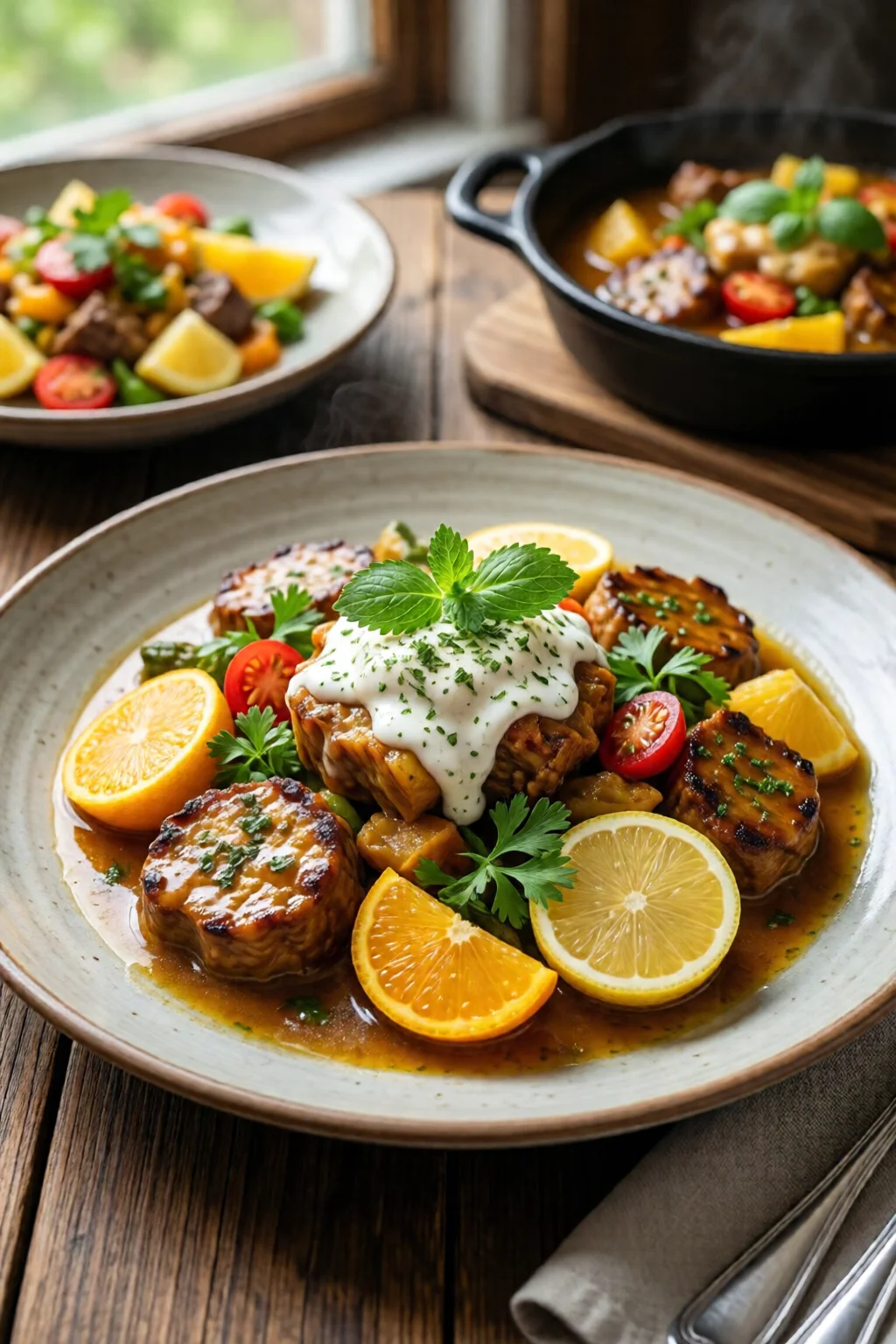
Step 1 – Choose Your Core Comfort Dishes
German comfort food isn’t a single dish; it’s a family of hearty plates that share a few common traits: robust flavors, simple techniques, and a focus on filling the soul. I recommend starting with three classics that together showcase the range of German comfort cuisine:
- Sauerbraten with Red Cabbage & Potato Dumplings – a slow‑braised roast that tastes better the next day.
- Kartoffelsalat (German Potato Salad) – warm, tangy, and perfect as a side or a light main.
- Apfelstrudel – the ultimate sweet finish, flaky pastry wrapped around spiced apples.
These three recipes will give you a complete meal: savory, starchy, and sweet, all anchored in tradition.
Step 2 – Prepare the Marinade for Sauerbraten
In my experience, the secret to a melt‑in‑your‑mouth Sauerbraten lies in a balanced, aromatic marinade. Combine the following in a large, non‑reactive bowl:
- 2 cups red wine (preferably a German Spätburgunder, $12 per bottle)
- 1 cup beef broth
- ¼ cup red wine vinegar
- 2 tbsp German mustard
- 1 sliced onion
- 2 sliced carrots
- 2 sliced celery stalks
- 4 whole cloves, 2 bay leaves, 1 tsp black peppercorns
Place a 2‑kg (4.4‑lb) beef chuck roast into the liquid, cover, and refrigerate for 24 hours. One mistake I see often is skimping on the marinating time; the meat needs at least 12 hours to absorb the sweet‑sour notes.
Step 3 – Roast and Braise the Sauerbraten
After marinating, remove the roast, pat it dry, and season with 1 tbsp salt and ½ tbsp pepper. Heat 2 tbsp vegetable oil in your Dutch oven over medium‑high heat and sear the roast on all sides (about 3 minutes per side). Then, add the entire marinade, plus an extra ½ cup of beef broth, and bring to a gentle simmer.
Cover and transfer to a preheated oven at 150 °C (300 °F) for 2 hours, or until the meat is fork‑tender. While it cooks, stir occasionally and skim any fat that rises to the surface.
Step 4 – Make the Red Cabbage Side
While the roast braises, slice 800 g (1.75 lb) red cabbage thinly. In a saucepan, melt 2 tbsp butter, add the cabbage, ½ cup apple cider vinegar, ¼ cup brown sugar, 1 sliced apple, a pinch of cloves, and ¼ tsp salt. Simmer on low for 45 minutes, stirring occasionally. The result is a sweet‑tart accompaniment that cuts through the richness of the meat.
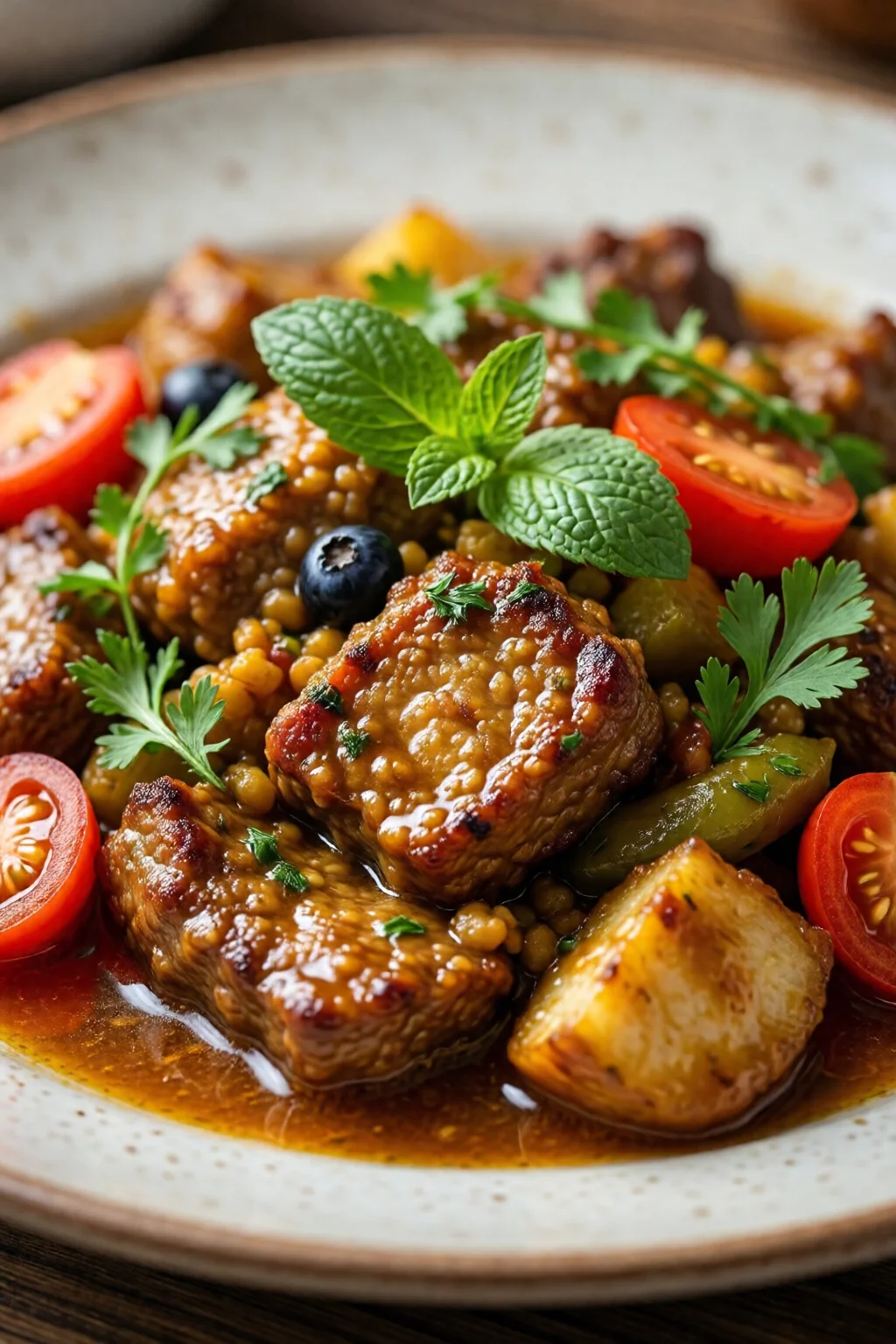
Step 5 – Prepare German Potato Dumplings (Kartoffelklöße)
Boil 1 kg (2.2 lb) starchy potatoes (Yukon Gold works well) with skins on for 20 minutes. Drain, peel while still warm, and mash through a potato ricer. Mix in 200 g (7 oz) rye flour, 2 eggs, ½ tsp nutmeg, and a pinch of salt. Form 6 – 8 cm (2‑inch) balls and simmer in salted water for 15 minutes. They’ll puff up and become fluffy, perfect for soaking up the Sauerbraten gravy.
Step 6 – Finish the Sauerbraten Gravy
Remove the roast and set aside, covered with foil. Strain the cooking liquid, discarding solids, and return to the Dutch oven. Reduce over medium heat until thickened (about 10 minutes). Whisk in 2 tbsp cold butter for a glossy finish, then slice the meat against the grain and serve with dumplings, red cabbage, and a generous ladle of gravy.
Step 7 – Warm German Potato Salad (Kartoffelsalat)
This version is served warm, a true comfort staple. Boil 800 g (1.75 lb) waxy potatoes (e.g., German “Annabelle”) until just tender. While still warm, slice into ½‑inch rounds. In a skillet, heat 3 tbsp bacon fat (or olive oil) and sauté 150 g (5 oz) diced bacon until crisp. Add 1 finely chopped shallot, 2 tbsp white wine vinegar, 1 tbsp mustard, 1 tsp sugar, and 200 ml (¾ cup) beef broth. Simmer 2 minutes, then pour over the potatoes. Toss gently, garnish with chopped chives, and serve immediately.
Step 8 – Bake the Apfelstrudel
For the pastry, I trust Ruf’s German Puff Pastry (frozen sheets, $4.99 per pack). Thaw according to package, then lay a sheet on a lightly floured surface. Brush with melted butter, sprinkle with a mixture of 200 g (7 oz) sliced apples, 2 tbsp raisins, 1 tbsp lemon zest, 1 tsp cinnamon, and 2 tbsp brown sugar. Fold the edges, roll tightly, and place seam‑side down on a baking tray.
Bake at 190 °C (375 °F) for 25‑30 minutes, until golden. Dust with powdered sugar before serving. Pair with a scoop of vanilla ice cream for the ultimate comfort finish.
Common Mistakes to Avoid
- Skipping the marination. The flavor depth of Sauerbraten collapses without the 24‑hour soak.
- Over‑cooking the potato dumplings. They should float and stay firm; 20 minutes in boiling water is enough.
- Using too much flour in the dumpling mix. Excess flour creates dense, gummy dumplings. Stick to the 200 g rye flour guideline.
- Serving the potato salad cold. Warm potato salad absorbs the dressing better, delivering that comforting mouthfeel.
- Neglecting to rest the strudel. Let it sit 10 minutes after baking; this prevents the filling from leaking.
Tips for Best Results (Troubleshooting)
Gravy too thin? Reduce the strained liquid further or whisk in a slurry of 1 tbsp cornstarch + 2 tbsp cold water.
Red cabbage too sour? Add a splash of honey (½ tbsp) and let it simmer an extra 10 minutes.
Apples turning mushy? Use a firm variety like Braeburn and slice them ¼‑inch thick; this keeps the strudel texture intact.
Need a quicker version? Substitute the 24‑hour marinated Sauerbraten with a pressure‑cooker method: 30 minutes at high pressure, then finish in the oven for a crust.
Putting It All Together – A Classic German Comfort Meal
Start with the warm Kartoffelsalat on the table while the Sauerbraten finishes its braise. Plate the sliced roast beside the fluffy dumplings and vibrant red cabbage. Finish the evening with a slice of Apfelstrudel, perhaps accompanied by a cup of robust German coffee (e.g., Dallmayr Prodomo $9.99 for a 250 g bag).
Feeling adventurous? Pair this spread with a crisp Riesling (Dr. Loosen “Blue Slate”, $13 per 750 ml) or a hearty Kölsch for authenticity.
Related Recipes You Might Enjoy
If you love comfort food from other cultures, check out our Middle Eastern recipes hummus and falafel, or explore the hearty Polish recipes pierogi and comfort food. For a sweet side, our easy banana bread recipe moist is a perfect companion to the Apfelstrudel.
Summary
Mastering German recipes traditional comfort food isn’t about fancy techniques; it’s about respecting time‑tested flavors, using quality ingredients, and giving each component the attention it deserves. Follow the steps above, avoid the common pitfalls, and you’ll have a menu that feels like a warm hug on a cold day.
Can I make Sauerbraten without red wine?
Yes. Substitute the red wine with an equal amount of beef broth plus ¼ cup of pomegranate juice for acidity and depth.
What’s the difference between German and American potato salad?
German potato salad is typically warm, vinegar‑based, and includes bacon, while American versions are cold, mayo‑based, and often feature celery and pickles.
Can I freeze the Apfelstrudel?
Absolutely. Wrap individual slices tightly in plastic wrap, place in a freezer bag, and freeze for up to three months. Reheat at 175 °C (350 °F) for 10 minutes before serving.