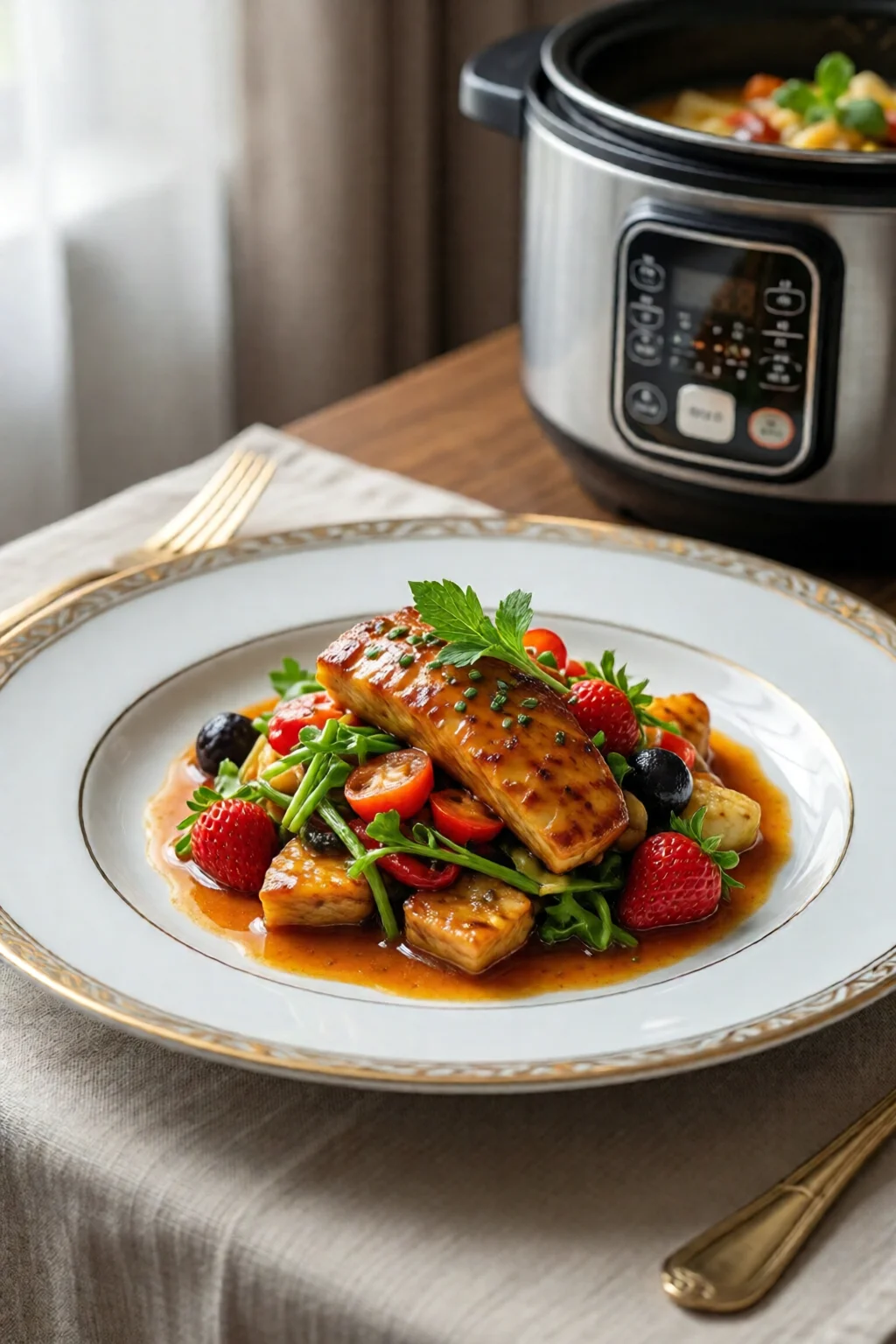
Ever wondered why a 30‑minute stew can taste like it’s been simmering for hours?
In This Article
What You Will Need (Before You Start)
Gathering the right tools and ingredients is half the battle. Here’s my go‑to list for mastering pressure cooker recipes and tips:
- Pressure cooker: I swear by the Instant Pot Duo 6‑quart (≈ $99). Its 14‑program menu eliminates guesswork.
- Sturdy silicone sealing ring (replace every 12‑18 months – about $8).
- Heat‑resistant gloves – I use OXO Good Grips mitts ($12).
- Measuring cups and spoons – stainless steel, 1 L capacity for broth.
- Fresh produce, proteins, and pantry staples (e.g., low‑sodium chicken broth, canned tomatoes).
- Optional: metal trivet (fits most 6‑qt models, $5) for steaming.
Make sure the cooker’s safety valve, pressure release knob, and lid gasket are clean. A quick wipe with a damp cloth prevents steam blockage.
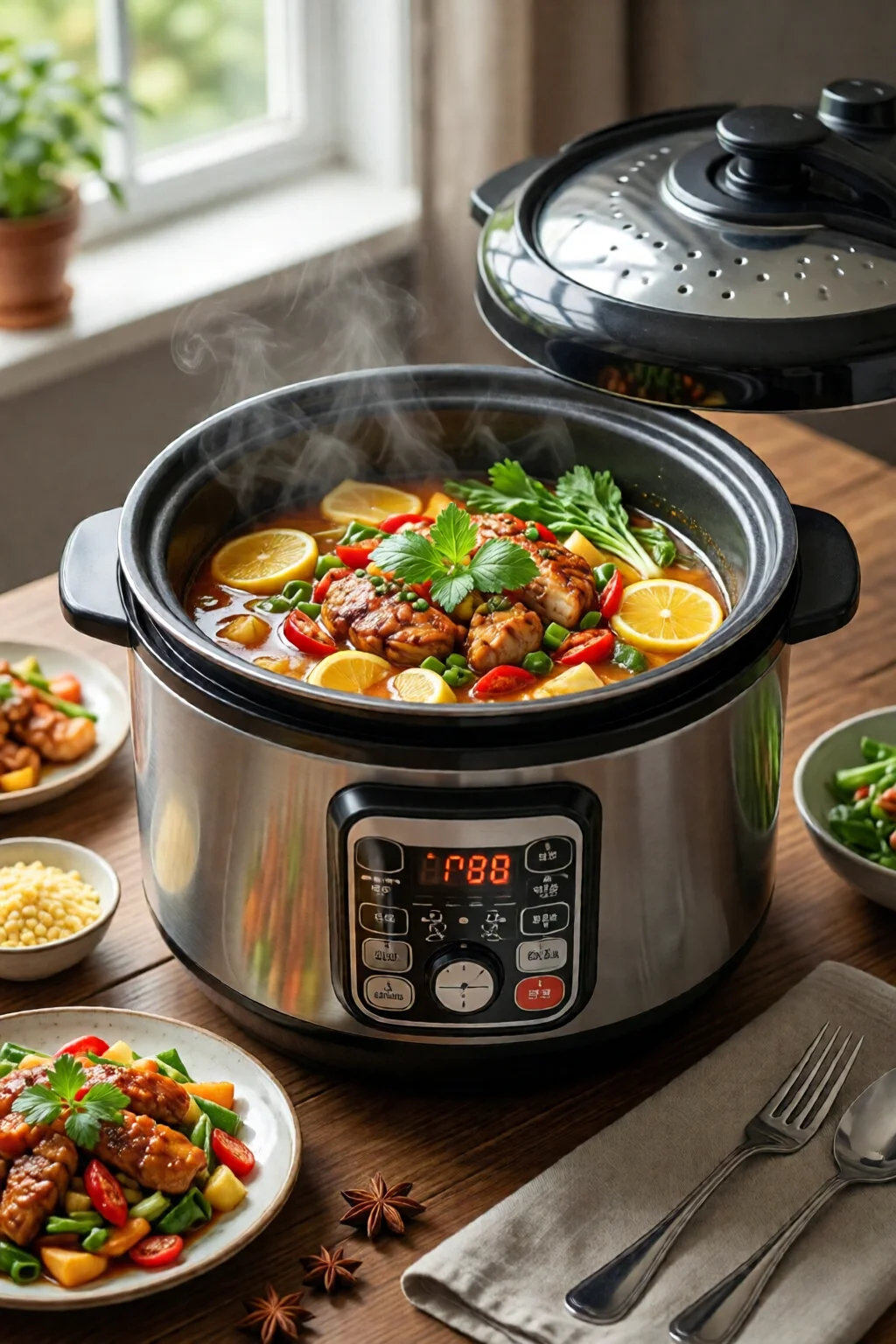
Step 1 – Choose the Right Recipe Base
Every successful pressure cooker recipe starts with a flavor foundation. I like to sauté aromatics (onion, garlic, ginger) in the “Sauté” mode for 2‑3 minutes. This caramelization adds depth that a simple “add‑everything‑and‑cook” method can’t match.
Example: For a classic chicken tikka masala, use 1 tbsp vegetable oil, 1 large diced onion, 3 cloves minced garlic, and 1 tbsp grated ginger. Sauté until the onion is translucent, then stir in 2 tbsp tikka masala paste.
Step 2 – Layer Ingredients for Even Cooking
Heavier items (root veggies, tough cuts of meat) belong at the bottom where the heat is most intense. Lighter ingredients (leafy greens, quick‑cook beans) go on top.
Tip: If you’re making a bean stew, add ½ cup dried beans, 1 cup water, and 1 tsp salt first. Then place the trivet and set the seasoned meat or vegetables above. This prevents the beans from scorching while still achieving a tender texture.
Step 3 – Set Precise Pressure & Time
Most modern electric pressure cookers default to “high pressure” (≈ 15 psi). For delicate foods like fish, drop to “low pressure” (≈ 8 psi) and cut the cooking time in half.
Here’s a quick reference I keep on my fridge:
| Food | Pressure | Time |
|---|---|---|
| Boneless chicken breast | High | 8 min |
| Beef chuck roast (2 lb) | High | 45 min |
| Quinoa | High | 1 min |
| Broccoli florets | Low | 0 min (quick release) |
Remember to add 1 cup of liquid for every 1 qt of cooker capacity – a rule that prevents “burn” warnings.
Step 4 – Natural vs. Quick Release
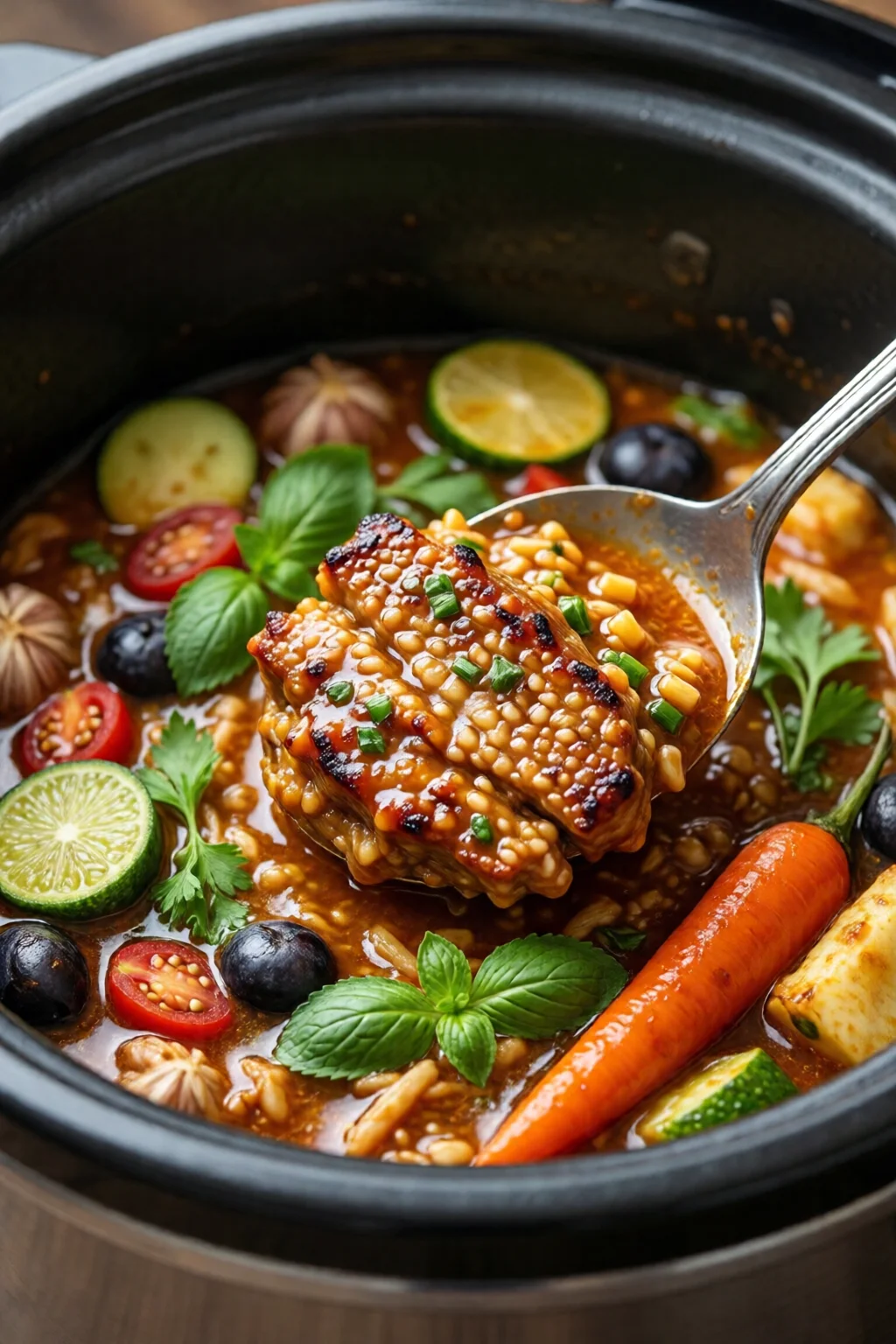
Releasing pressure too fast can cause splattering, while a slow natural release preserves moisture. I use the “Natural Release” (NR) for soups, stews, and braises (usually 10‑15 minutes). For vegetables, I flip the valve for a “Quick Release” (QR) to stop cooking instantly.
Step 5 – Finish and Adjust
After opening, taste and adjust seasoning. If the sauce is thin, hit “Sauté” again and simmer for 3‑5 minutes to reduce. For a richer mouthfeel, stir in 1‑2 tbsp cold butter or a splash of coconut milk.
Common Mistakes to Avoid
One mistake I see often is overfilling the pot. The manual usually caps at 2/3 full for liquids; exceeding this can block the vent and trigger a safety lock.
Another frequent error: forgetting to seal the lid properly. A misaligned gasket will cause steam to escape, resulting in undercooked food and a “pressure not reached” error.
Finally, don’t use the same recipe quantities from a stovetop pot without adjusting. Pressure cooking intensifies flavors; start with ½ to ¾ of the salt or spice amount, then tweak after release.
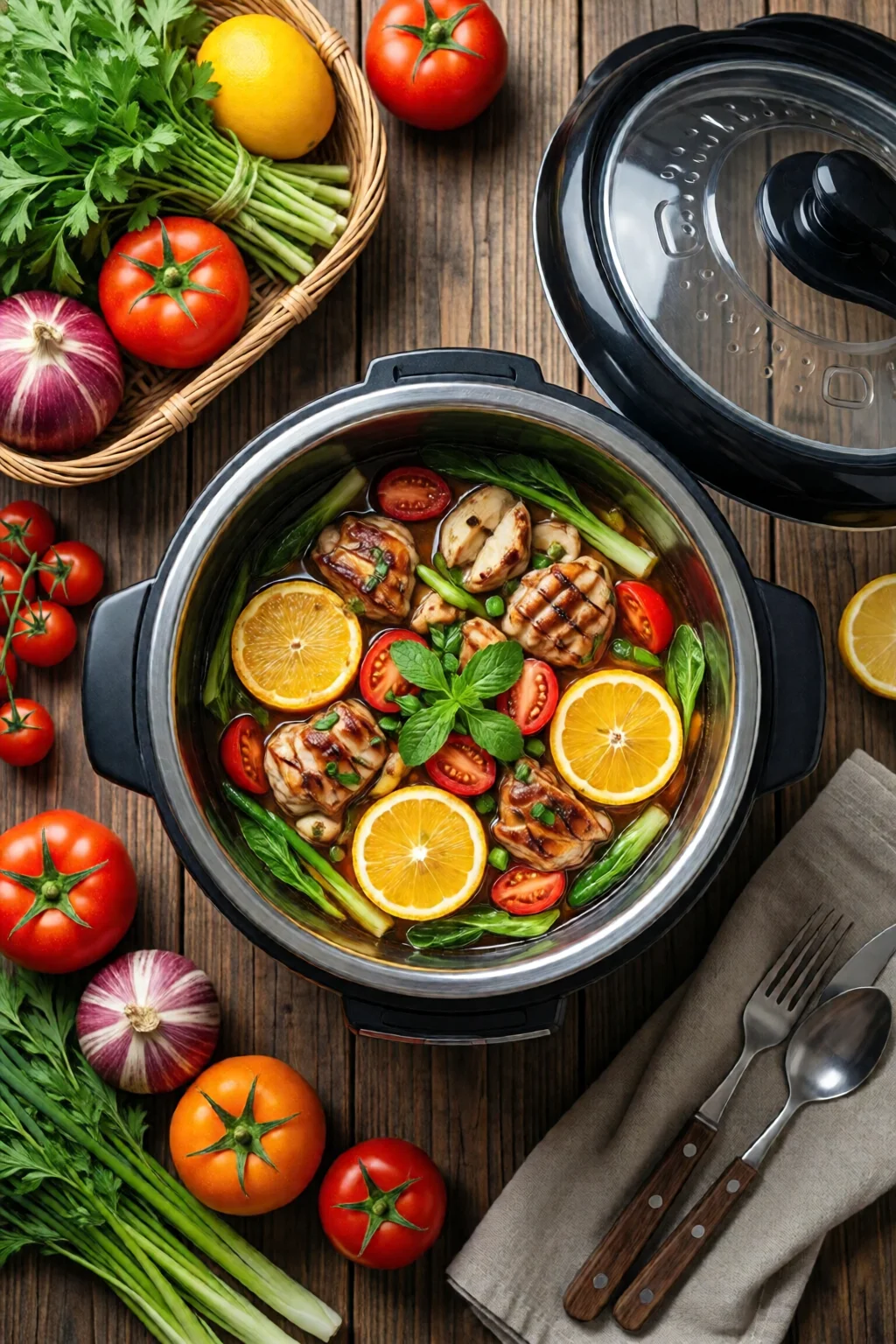
Troubleshooting & Tips for Best Results
Tip 1 – Use homemade stock. A good how to make homemade stock and broth adds depth without extra sodium. I keep a batch of chicken stock in the freezer; a 2‑cup scoop costs me less than $0.30.
Tip 2 – Pre‑soak beans. Even though pressure cooking reduces soaking time, a 4‑hour soak cuts cooking time by about 30 % and improves digestibility.
Tip 3 – Layer flavors. Add a splash of soy sauce or Worcestershire at the end of cooking for a umami boost.
Tip 4 – Use the right pot size. A 6‑qt cooker is perfect for 4‑6 servings. For larger families, a 8‑qt model (≈ $130) saves you from batch‑cooking.
Tip 5 – Keep the vent clean. A cotton swab dipped in warm soapy water clears food debris. I do this after every use; it’s a habit that prevents the dreaded “burn” alert.
FAQ
Can I use a pressure cooker for rice?
Yes. Use a 1:1 water‑to‑rice ratio, set to high pressure for 3 minutes, then allow a natural release for 10 minutes. The result is fluffy, perfectly cooked rice.
How do I convert a stovetop recipe to a pressure cooker?
Reduce the liquid by about ¼, cut cooking time by ⅔, and add 1 cup of liquid for every 1 qt of cooker capacity. Test with a small batch first.
Is it safe to cook dairy in a pressure cooker?
Dairy can curdle under high pressure. Add it after the pressure cycle, using the “Sauté” mode to gently incorporate cream or cheese.
What’s the difference between high and low pressure?
High pressure (≈ 15 psi) cooks food faster and is ideal for meats and beans. Low pressure (≈ 8 psi) is gentler, perfect for fish, delicate vegetables, and desserts.
Can I make desserts in a pressure cooker?
Absolutely. Cheesecakes, puddings, and even bread can be steamed in the cooker using a springform pan and a trivet. Follow the “low pressure” setting and a natural release for best texture.
Summary
Mastering pressure cooker recipes and tips boils down to three pillars: proper prep, precise timing, and smart release. With the right equipment, a solid flavor base, and a few seasoned habits—like cleaning the vent and using homemade stock—you’ll cut cooking times by up to 70 % while delivering restaurant‑quality results. Whether you’re whipping up a quick quinoa pilaf or a weekend braised short rib, the pressure cooker is your shortcut to flavor without the wait.
Ready to experiment? Pair these techniques with a quick stir fry recipes for weeknights or explore the best air fryer recipes crispy and easy for a full‑spectrum meal plan.