Imagine pulling silky ribbons of fresh pasta from your own kitchen—no egg‑y mess, no store‑bought plastic, just pure, buttery dough that cooks in minutes. In this guide you’ll learn exactly how to make homemade pasta from scratch, step by step, with the tools, tips, and troubleshooting tricks a professional chef uses daily.
In This Article
What You Will Need (Before You Start)
- Flour: 2 cups (250 g) King Arthur “All‑Purpose Flour” ($4.99 per 5‑lb bag) or, for a more authentic texture, 1 cup (125 g) Barilla Semolina Flour mixed with 1 cup (125 g) all‑purpose.
- Eggs: 2 large farm‑fresh eggs (≈ 50 g each). In my experience, free‑range eggs give a richer color and a silkier crumb.
- Olive Oil: 1 tbsp extra‑virgin (optional, adds elasticity). I use a 500 ml bottle of Colavita ($9.99).
- Salt: ½ tsp fine sea salt.
- Equipment:
- Scale (digital, accurate to 1 g). I recommend the Ozeri Pronto Digital Scale ($14.95).
- Bench scraper or dough cutter.
- Rolling pin or, better yet, a Marcato Atlas Pasta Machine ($119.95).
- Large mixing bowl, clean kitchen towel, and a plastic wrap.
All together, the upfront cost is roughly $150 if you buy a quality pasta machine, but the per‑batch cost of ingredients is under $1.50.
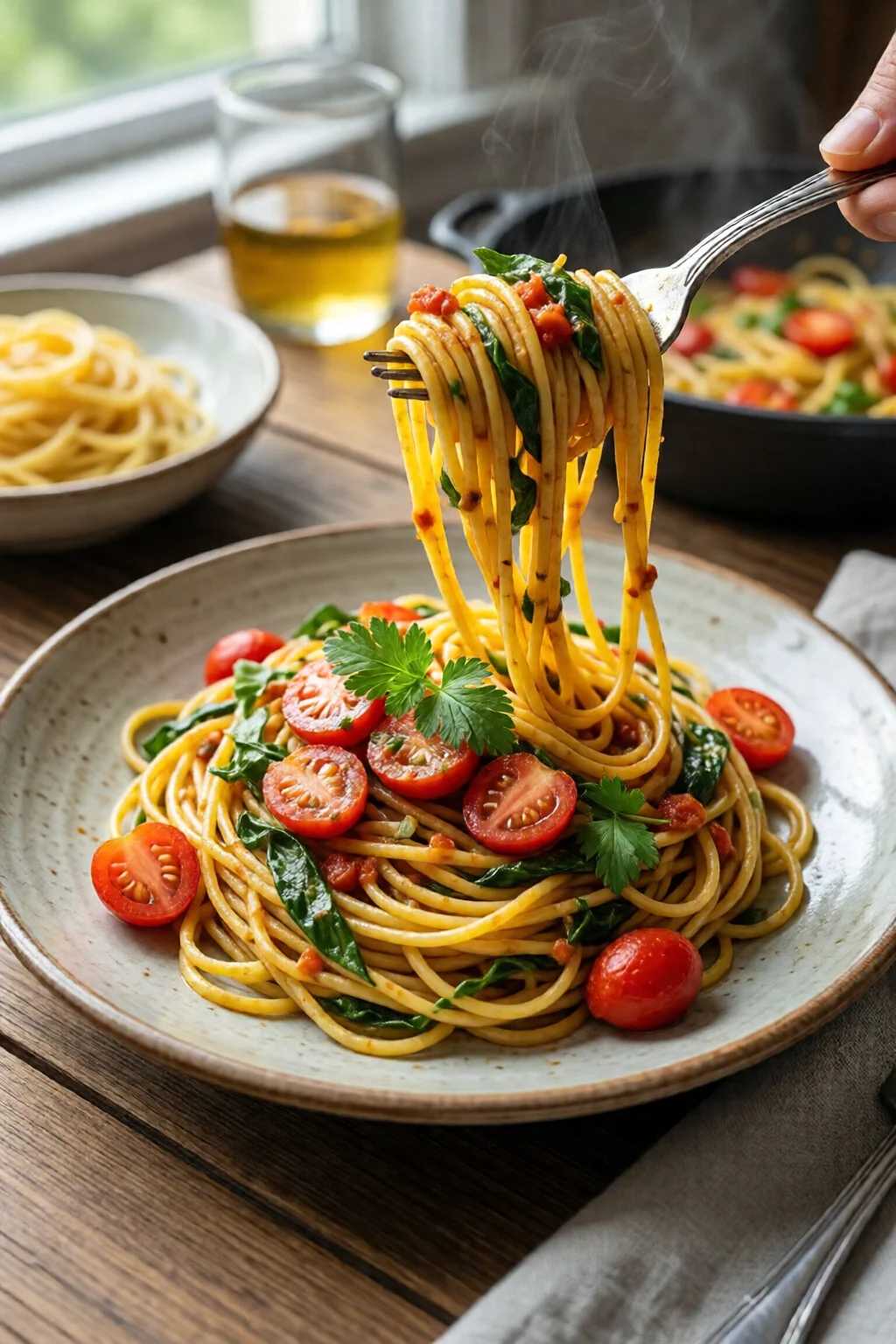
Step 1: Measure and Mix the Dough
Precision matters. Weigh the flour first—250 g is about 2 cups, but volume can vary. Make a mound on a clean work surface, then create a well in the center about 3 inches wide.
Crack the two eggs into the well, add the olive oil and salt. Using a fork, gently whisk the eggs, gradually pulling in flour from the edges. The mixture will look shaggy after 30 seconds.
When about 80 % of the flour is incorporated, switch to your hands. The dough should feel slightly tacky but not sticky. If it sticks to your fingers, sprinkle a few grams of flour; if it feels dry, drizzle in a teaspoon of water.
Step 2: Knead Until Smooth
Turn the dough onto the countertop and knead for 8‑10 minutes. Press with the heel of your hand, fold, rotate 90°, and repeat. You’re looking for a smooth, elastic ball that passes the “windowpane test”: stretch a thin piece; if it becomes translucent without tearing, you’re done.
One mistake I see often is under‑kneading, which leaves a crumbly pasta that falls apart in boiling water.
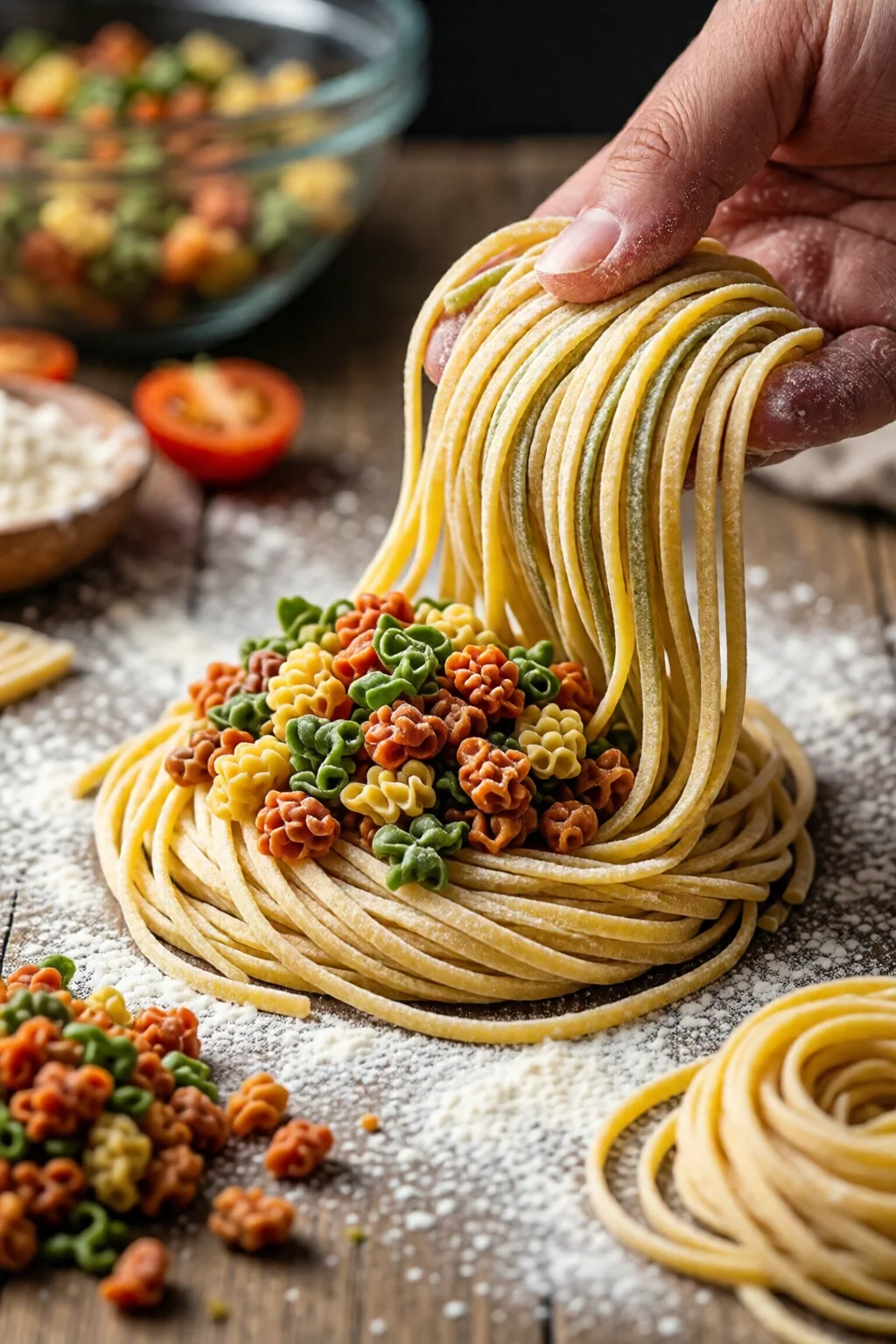
Step 3: Rest the Dough
Wrap the dough tightly in plastic wrap and let it rest at room temperature for 30 minutes. Resting relaxes the gluten, making the dough easier to roll thin. If you’re in a rush, a 15‑minute rest still works, but the final texture will be a touch chewier.
Tip: If you plan to make a large batch, you can refrigerate the wrapped dough for up to 24 hours. Bring it back to room temperature for 20 minutes before rolling.
Step 4: Roll and Cut the Pasta
Divide the rested dough into four equal pieces. Keep the pieces you’re not working with wrapped.
If using a Marcato Atlas, set the rollers to the widest setting (1). Lightly flour the dough, feed it through, then fold it in thirds and pass it again. Repeat, narrowing the setting by one notch each pass until you reach setting 5 (≈ 1 mm thickness). For ultra‑thin sheets (e.g., for tagliatelle), go to setting 7 (≈ 0.3 mm).
Without a machine, a sturdy wooden rolling pin works. Roll the dough from the center outward, rotating the sheet every 30 seconds to keep the thickness even. Aim for a translucent sheet—if you can see the light through it, you’re ready.
Now cut the sheet. For fettuccine, fold the sheet loosely into a 4‑inch roll and slice with a sharp knife at ¼ inch intervals. For pappardelle, cut at ½ inch. For ravioli, use a ravioli cutter or a pizza cutter to make 2‑inch squares.
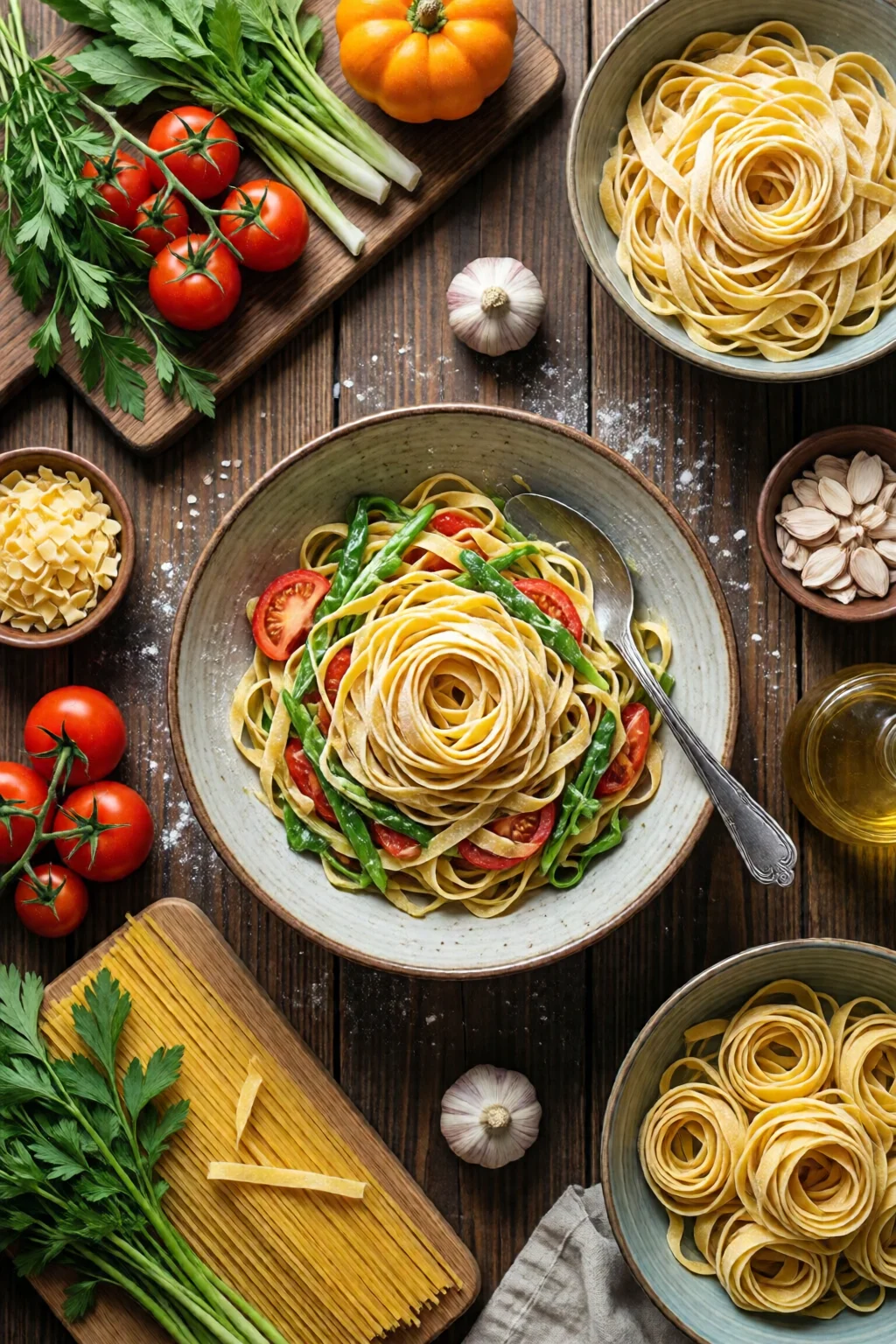
Step 5: Cook or Store the Fresh Pasta
Bring a large pot of salted water (1 Tbsp salt per 4 L) to a rolling boil. Fresh pasta cooks fast—2‑3 minutes for thin ribbons, 4‑5 minutes for thicker sheets. Test a strand; it should be al dente, with a slight bite in the center.
If you’re not cooking immediately, dust the cut pasta with a thin layer of flour, toss gently, and lay it in a single layer on a baking sheet. Freeze on the sheet for 30 minutes, then transfer to a zip‑top freezer bag. Frozen fresh pasta keeps for up to 2 months; just add an extra minute to the cooking time.
To finish a dish, toss the hot pasta with a splash of how to make homemade stock and broth, a knob of butter, and freshly grated Pecorino Romano.
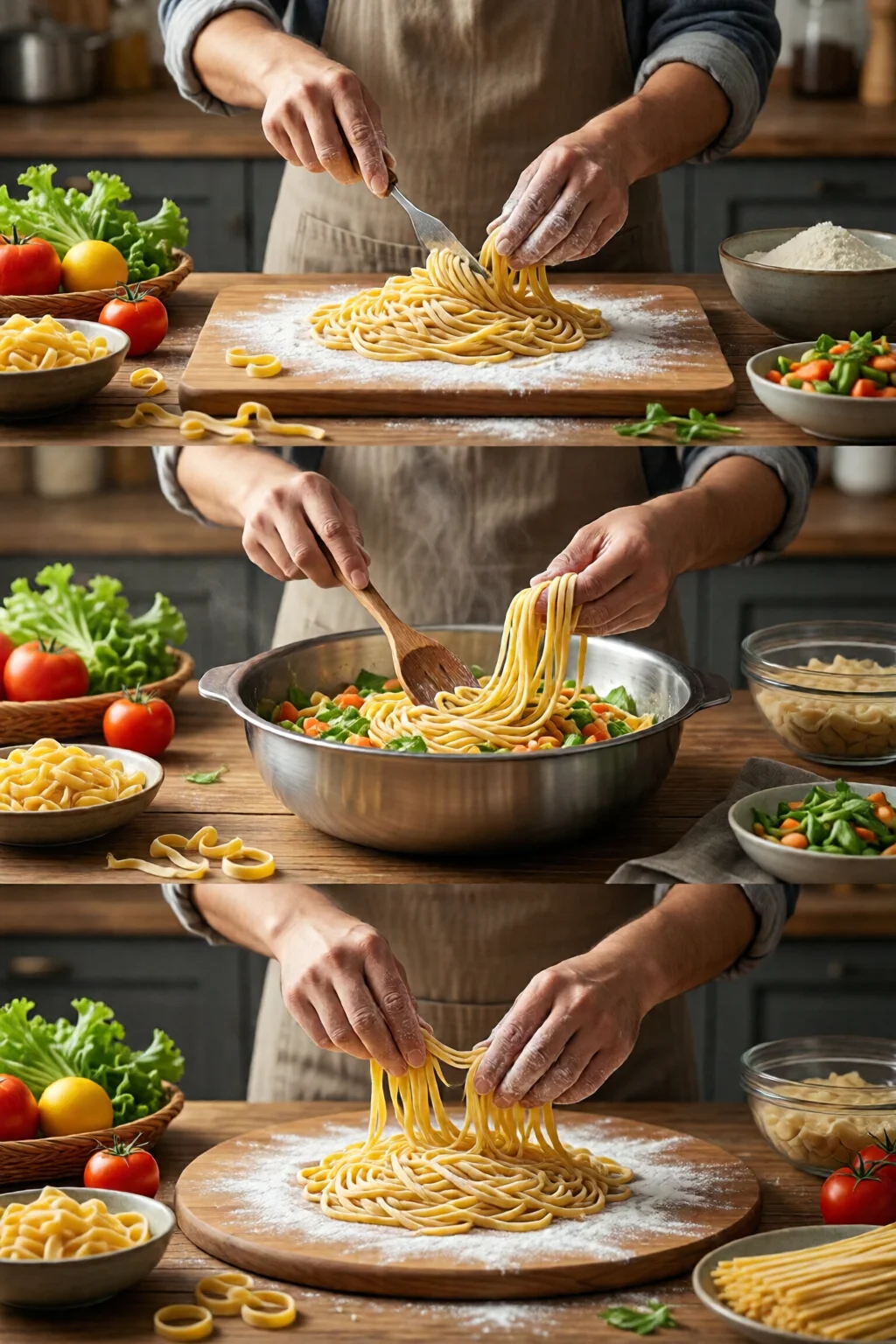
Common Mistakes to Avoid
- Too Much Flour: Adding extra flour to “fix” stickiness makes the pasta dense. Keep the dough slightly tacky.
- Insufficient Kneading: Leads to crumbly strands that break during cooking.
- Skipping the Rest: Results in uneven thickness and tearing.
- Over‑Cooking: Fresh pasta can become mushy in 6 minutes; always taste.
- Storing Wet: If you refrigerate fresh pasta without a light flour coating, it will stick together and become gummy.
One mistake I see often is using all‑purpose flour alone for egg pasta. Mixing 50 % semolina adds bite and improves the “bite” when eating.
Troubleshooting & Tips for Best Results
Problem: Dough tears when rolling.
Solution: Let it rest an extra 10 minutes, or roll at a slightly higher setting before the final thin pass.
Problem: Pasta sticks together after cooking.
Solution: Toss immediately with a tablespoon of olive oil or a splash of the cooking water and sauce.
Tip: For colored pasta, add pureed beetroot, spinach, or squid ink to the dough. Use ¼ cup of puree for each batch; the moisture replaces a small amount of flour, so add 10 g extra flour to keep the consistency.
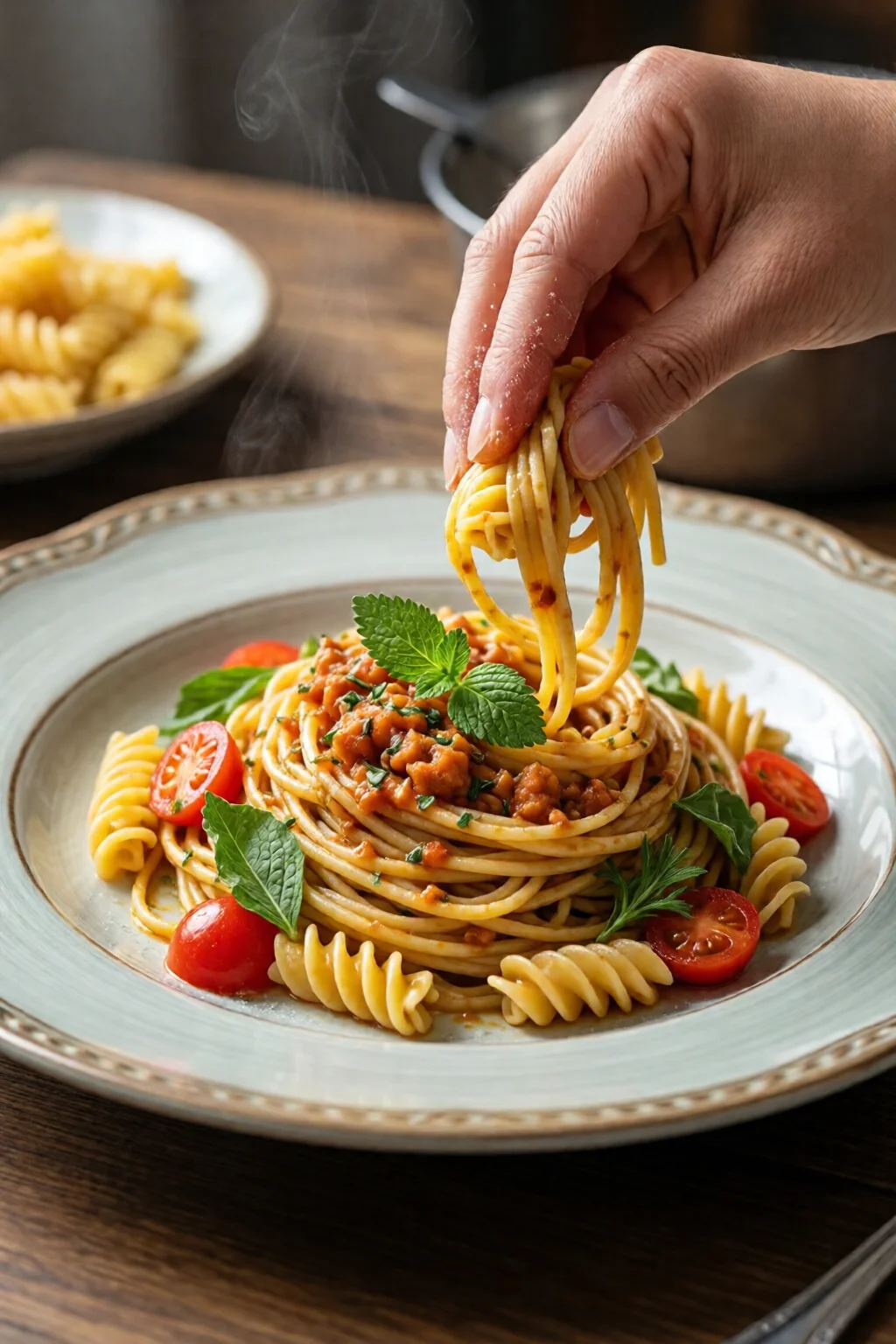
Tip: Pair your fresh pasta with a sauce that matches its thickness. Thin ribbons love a light butter‑sage sauce; broader noodles shine with a hearty ragù, such as a one pot pasta recipes simple and fast tomato‑meat sauce.
Tip: If you love sweet pasta, try a dessert version: roll the dough thin, cut into strips, and poach in sweetened milk. Finish with a drizzle of honey and a sprinkle of toasted almond slivers—perfect alongside a homemade cinnamon rolls recipe soft brunch.
Summary Conclusion
Mastering how to make homemade pasta from scratch is less about fancy equipment and more about technique, patience, and a few quality ingredients. By weighing your flour, kneading thoroughly, respecting the rest period, and rolling to the right thickness, you’ll produce pasta that rivals any Italian trattoria. Use the troubleshooting tips to refine each batch, and soon the process will feel as natural as boiling water.
Now that you have the fundamentals, experiment with shapes, flavors, and pairings. The kitchen is your pasta studio—go create.
How long can I store fresh pasta in the fridge?
Fresh pasta can be refrigerated for up to 2 days if it’s lightly floured and stored in an airtight container. For longer storage, freeze it as described in the article.
Can I use whole‑wheat flour instead of all‑purpose?
Yes, substitute up to 50 % of the all‑purpose flour with whole‑wheat. You may need to add an extra 10‑15 g of water because whole‑wheat absorbs more moisture.
Do I need a pasta machine for good results?
A machine makes achieving uniform thinness easier, but a sturdy rolling pin and a bit of patience can produce comparable results for most home cooks.