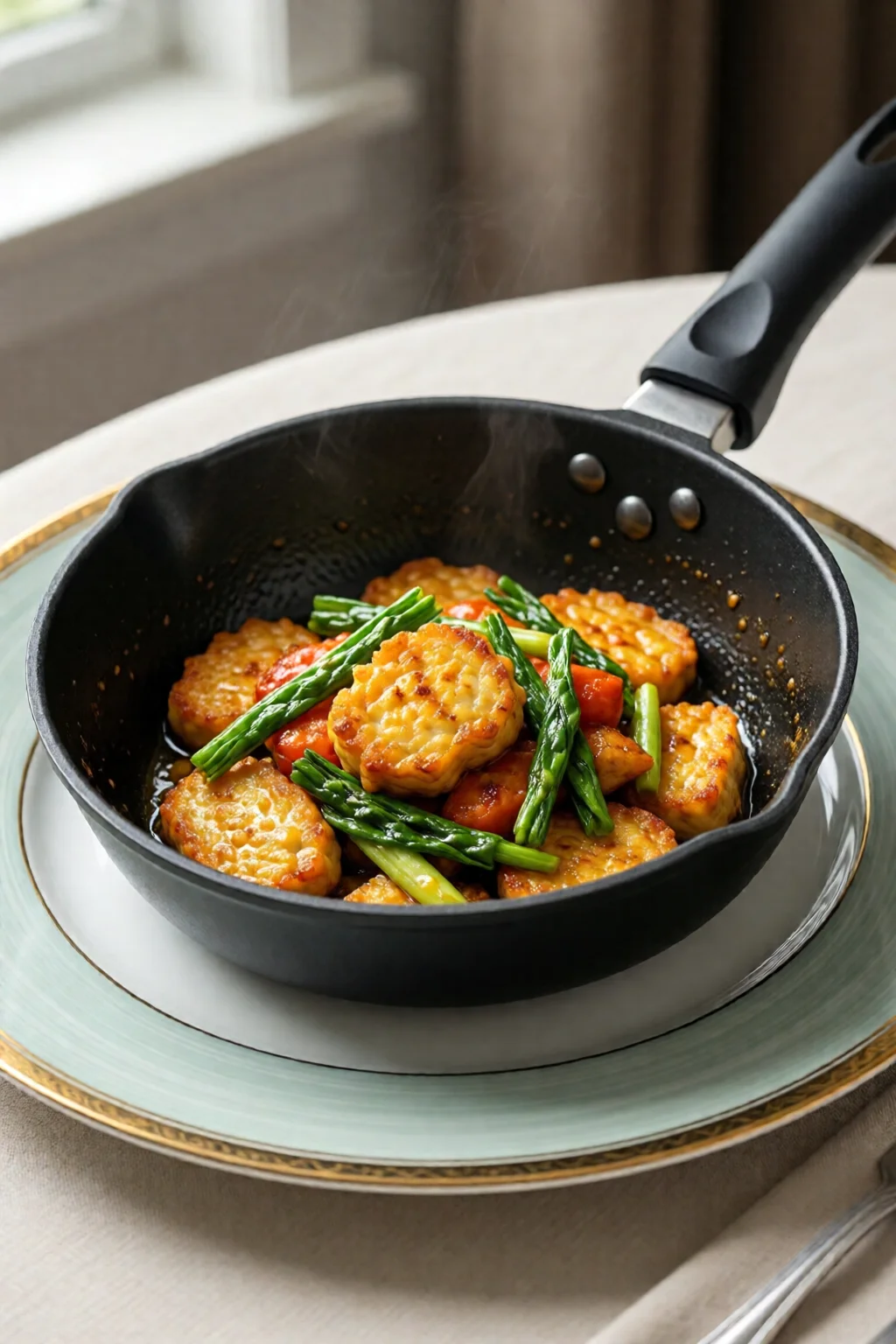
Picture this: you’re halfway through a weekend movie marathon, the popcorn is gone, and suddenly the craving for crispy, golden onion rings hits. You stare at your countertop, realize the deep fryer you once owned is gathering dust in the garage, and wonder if it’s even possible to get that restaurant‑level crunch without one. Good news—how to fry food without a deep fryer is simpler than you think, and you probably already have everything you need right in your kitchen.
In This Article
What You Will Need (Before You Start)
- Heavy‑bottomed pan or skillet – a 12‑inch cast‑iron skillet from Lodge ($45) or a Cuisinart 2‑quart stainless steel sauté pan ($79.99) works best.
- Oil with a high smoke point – canola, grapeseed, or Avocado oil (Chosen Foods Avocado Oil, 1 L, $12.99) are ideal.
- Thermometer – a digital instant‑read thermometer (ThermoWorks Thermapen Mk4, $99) to keep oil at 350‑375°F (175‑190°C).
- Wire rack or paper towels – for draining excess oil without sogginess.
- Seasonings & batter – flour, cornstarch, panko, spices, or a ready‑made tempura mix.
- Protective gear – long oven mitts and a splatter guard (OXO Good Grips Splatter Guard, $14.95).
Having these tools on hand transforms a stovetop pan into a mini deep fryer, giving you control over temperature, oil usage, and clean‑up.
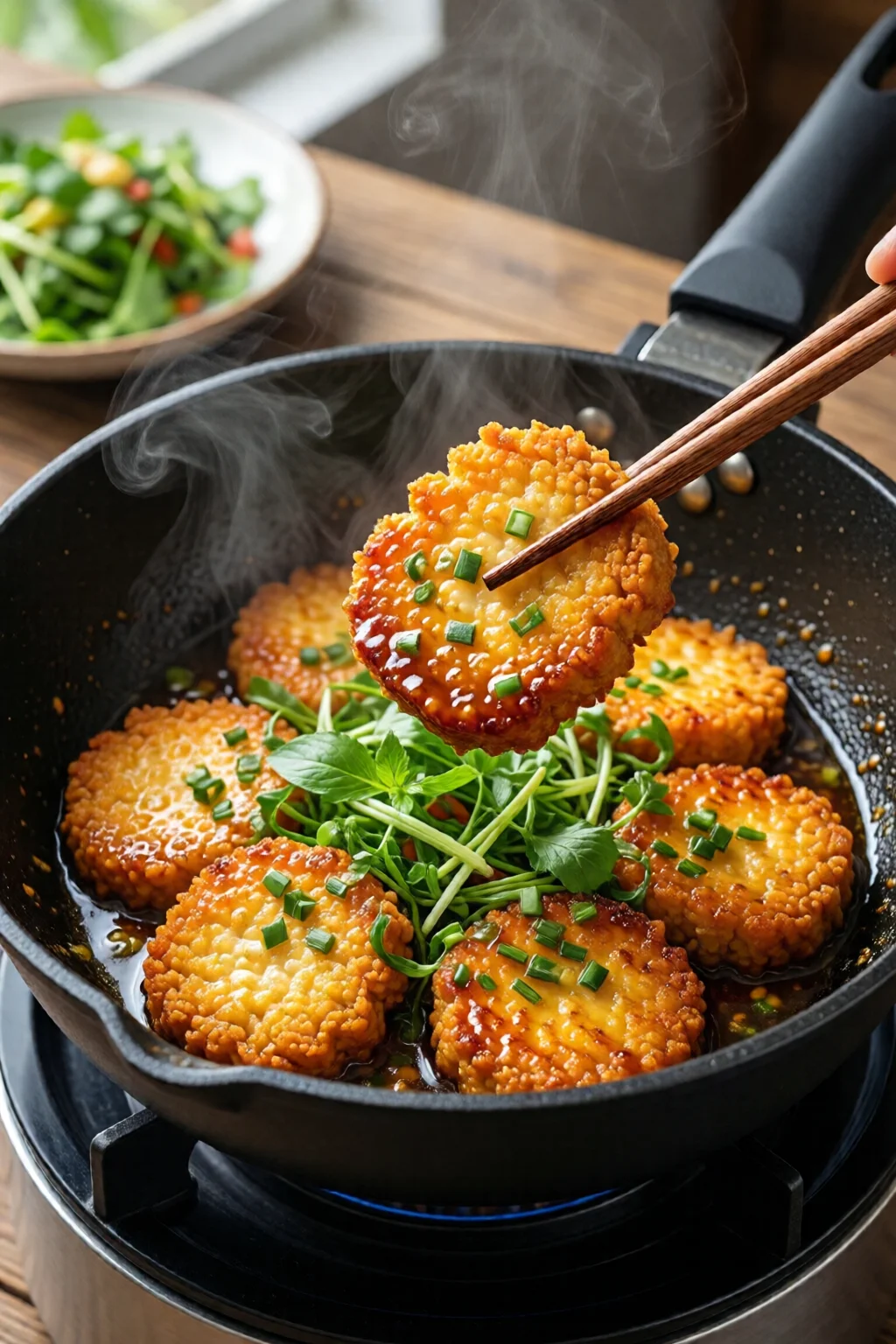
Step‑by‑Step Guide to Frying Without a Deep Fryer
Step 1: Choose the Right Pan and Oil
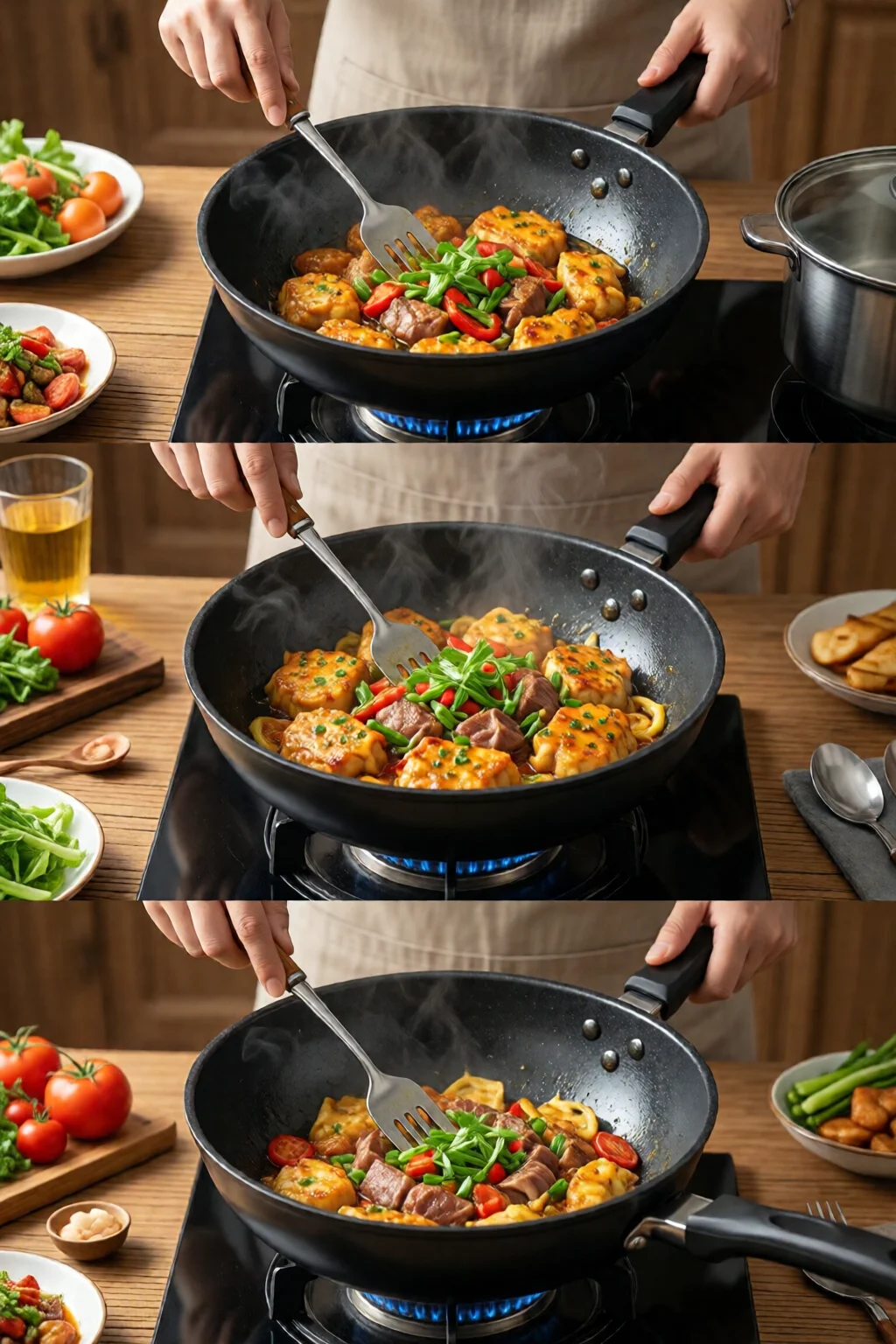
Start with a pan that’s at least 2‑inches deep. The deeper the oil, the less likely food will touch the bottom and burn. Fill the pan with oil just enough to submerge half of the food—about 1.5 inches for most items. Heat the oil over medium‑high heat and use the thermometer to bring it to 350°F (175°C). If you don’t have a thermometer, a wooden spoon dropped in should sizzle vigorously.
Step 2: Prepare Your Food
Pat the items dry with paper towels; moisture is the enemy of crispness. For a classic batter, whisk together 1 cup all‑purpose flour, ½ cup cornstarch, 1 tsp baking powder, a pinch of salt, and enough cold sparkling water to achieve a pancake‑like consistency. If you prefer a lighter coating, dip the food in beaten egg, then roll in seasoned panko (Japanese breadcrumbs) for extra crunch.
Step 3: Test the Oil
Drop a single breadcrumb into the oil. It should rise to the surface and turn golden within 15‑20 seconds. If it darkens too fast, the oil is too hot; lower the heat by 10‑15°F and wait a minute before testing again.
Step 4: Fry in Batches
Don’t overcrowd the pan—overloading drops the oil temperature and yields soggy results. Place a few pieces in the oil, turning them with tongs after 2‑3 minutes. Most foods need 3‑5 minutes total; shrimp turn pink, chicken reaches an internal 165°F (74°C), and fries become a deep golden brown.
Step 5: Drain and Season
Using a slotted spoon, lift the food onto a wire rack set over a baking sheet, or lay them on paper towels. Immediately sprinkle with finishing salt or a blend of smoked paprika, garlic powder, and a pinch of cayenne for a kick.
Step 6: Keep the Oil Hot for the Next Batch
After each batch, skim off any floating crumbs with a metal spoon. This prevents burning and keeps the oil clean longer. If the oil starts to darken (beyond a light amber), it’s time to replace it.
Following these steps, you’ll achieve that golden, crispy exterior without a dedicated deep fryer, and you’ll likely use 1‑2 quarts of oil instead of the 5‑plus gallons a commercial unit consumes.
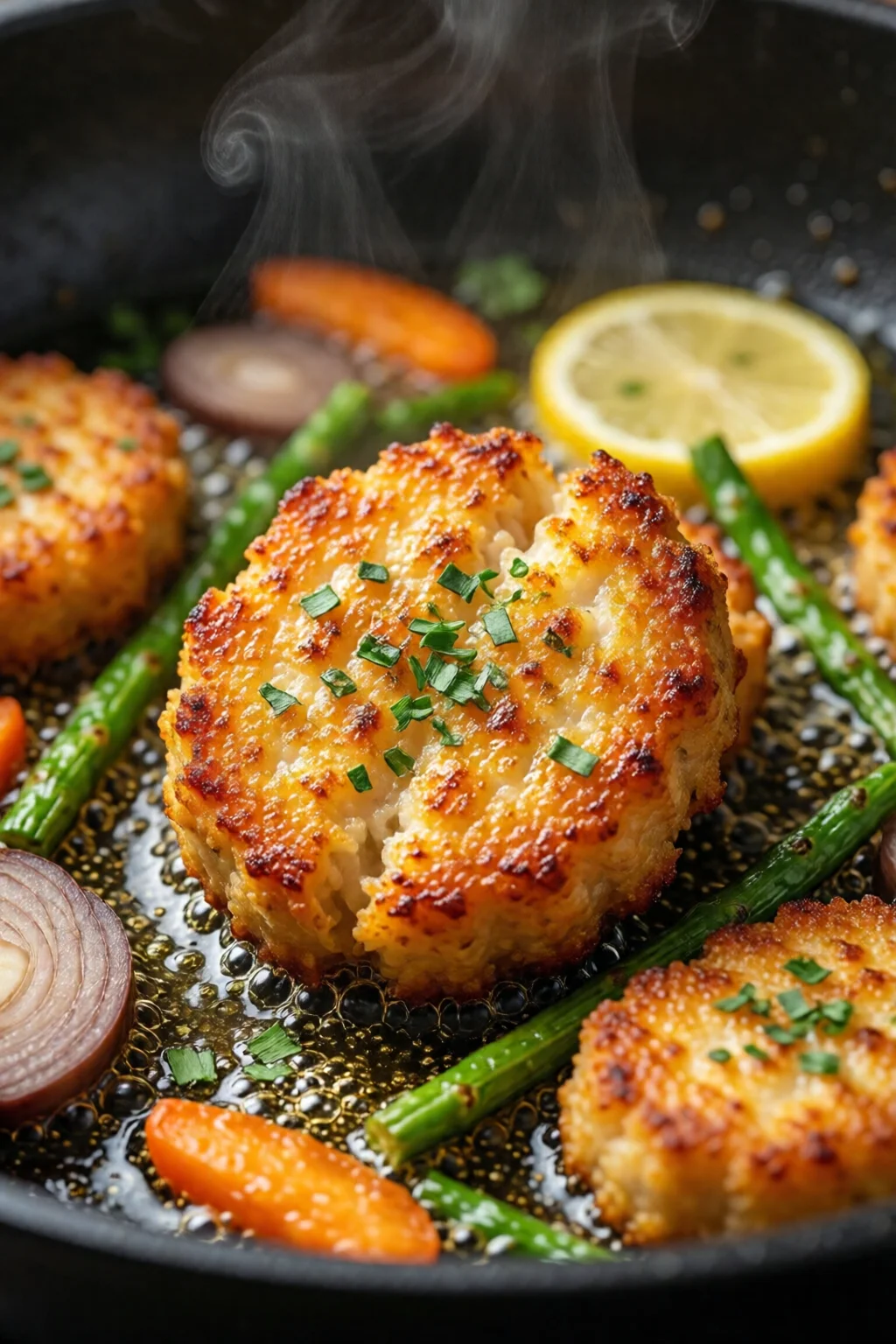
Common Mistakes to Avoid
- Using the wrong oil – low smoke point oils (olive oil, butter) smoke and impart bitter flavors.
- Skipping the temperature check – oil that’s too cool yields greasy, soggy food; too hot burns the coating before the interior cooks.
- Overcrowding the pan – this drops the temperature and creates steam, which prevents crispness.
- Not drying the food – excess moisture causes oil splatter and makes the crust soggy.
- Reusing oil too many times – each fry adds free radicals; after 3‑4 uses, the oil darkens and imparts off‑flavors.
One mistake I see often is pouring oil straight from the bottle without measuring. A good rule of thumb: for a 12‑inch skillet, 2 cups (480 ml) of oil is enough for most shallow‑fry tasks.
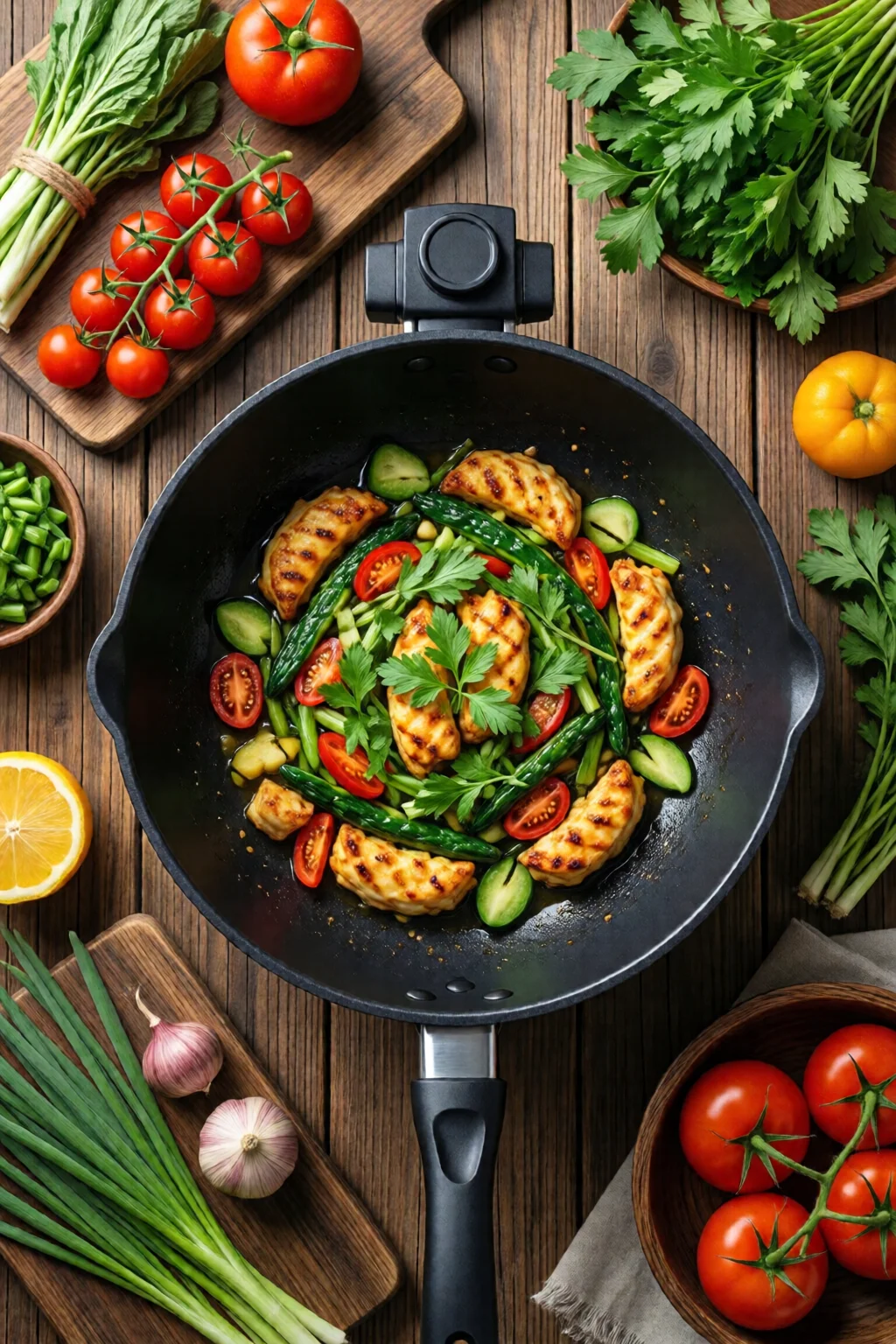
Troubleshooting and Tips for Best Results
- Oil temperature drops too fast – Increase the burner slightly and keep the thermometer handy. A small increase of 5‑10°F can stabilize the heat.
- Food sticks to the pan – Ensure the oil is hot before adding the batter; a well‑heated surface creates an instant seal.
- Uneven browning – Rotate items halfway through the fry time; use tongs rather than a fork to avoid puncturing the coating.
- Excessive splatter – A splatter guard or a lid half‑covered reduces mess without trapping steam.
- Need a healthier alternative? – Preheat your oven to 425°F (220°C) and spread coated items on a wire rack; bake for 12‑15 minutes, flipping once, for a “fryer‑style” crispness with 70% less oil.
For those who enjoy gadgets, an air fryer can serve as a backup. Check out our best air fryer recipes crispy and easy guide for quick conversions.
If you’re planning to pair your fried delights with a dessert, try a chocolate lava cake recipe easy—the contrast of hot, gooey chocolate against a crunchy side makes for an unforgettable finish.
Frequently Asked Questions
Can I use a regular non‑stick skillet?
Yes, but a heavy‑bottomed pan distributes heat more evenly and tolerates higher temperatures without warping. If you use a non‑stick pan, keep the heat at medium and never exceed the manufacturer’s temperature limit.
How much oil should I use for a small batch of fries?
For a 10‑inch skillet, 1.5 cups (360 ml) of oil is enough to submerge the fries about halfway. This amount yields a crisp exterior while using far less oil than a deep fryer.
Is it safe to reuse oil for multiple fry sessions?
You can reuse oil up to three times if you strain out food particles and store it in a sealed container in a cool, dark place. Watch for a dark amber color or a rancid smell—both indicate it’s time to discard.
What’s the best way to season fried food without making it soggy?
Season immediately after draining while the surface is still hot. The residual oil helps the salt and spices adhere without soaking the coating.
Can I fry sweet items like doughnuts or churros this way?
Absolutely. Just follow the same temperature guidelines (350‑375°F). For doughnuts, let the oil recover to temperature between batches to avoid dough sticking.
Summary
Learning how to fry food without a deep fryer boils down to three core principles: the right pan, precise oil temperature, and disciplined batch cooking. With a modest investment—about $50 for a good skillet, $12 for high‑smoke‑point oil, and $15 for a splatter guard—you can replicate that deep‑fried crunch anytime. Remember to dry your food, test the oil, and keep the heat steady. Avoid common pitfalls like overcrowding and reusing overly dark oil, and you’ll enjoy crispy results that rival any restaurant.
Next time the movie night calls for a snack, you’ll have the confidence to pull out the skillet, heat the oil, and serve up perfectly fried treats—no deep fryer required.