Last summer I was invited to a backyard barbecue where the host served a plate of sizzling chicken satay alongside a steaming mound of nasi goreng. The combination was so spot‑on that my friends kept asking for the recipe. By the end of the night I realized many of them were searching for “Indonesian recipes nasi goreng satay” because they wanted to recreate that exact balance of smoky, peanut‑laden skewers and sweet‑savory fried rice at home. In this guide you’ll learn exactly how to pull off that classic pairing, the tools you’ll need, and the little tricks that keep the flavors authentic without a trip to Jakarta.
In This Article
What You Will Need (or Before You Start)
Ingredients for Chicken Satay
- 500 g boneless, skinless chicken thighs (about $5.99 per pound, choose a brand like Perdue or Tyson for consistent quality)
- 2 tbsp sweet soy sauce (Kecap Manis) – a bottle costs roughly $4.50 and lasts a month
- 1 tbsp soy sauce (regular) – 150 ml bottle, $2.20
- 1 tbsp palm sugar, grated (or 1 tbsp brown sugar as a substitute)
- 2 tsp ground coriander
- 1 tsp turmeric powder
- 1 tsp freshly grated ginger
- 2 cloves garlic, minced
- 1 tbsp vegetable oil (I use 100 % pure canola from Crisco, $3.00 per 1‑liter bottle)
- Skewers: 12 bamboo sticks, soaked in water for 30 minutes (about $1.20 for a pack of 100)
Ingredients for Nasi Goreng
- 3 cups (540 g) day‑old jasmine rice (cooked and cooled, $0.90 per bag)
- 2 tbsp peanut oil (or any high‑smoke‑point oil; 500 ml costs $3.50)
- 1 medium onion, finely diced
- 2 cloves garlic, crushed
- 1 tbsp shrimp paste (Terasi) – a small tube is $2.00
- 2 tbsp kecap manis (same bottle as above)
- 1 tbsp soy sauce
- 1 tsp sambal oelek (Indonesian chili paste) – $3.00 for a 200 g jar
- 1 cup mixed vegetables (carrot, peas, corn) – frozen, $1.80 per 500 g bag
- 2 eggs, lightly beaten
- Optional garnish: sliced cucumber, tomato wedges, fried shallots (about $0.50 total)
Equipment
- Heavy‑bottom wok or large skillet (I swear by the 12‑inch Lodge cast‑iron wok, $55)
- Grill pan or outdoor grill (a Weber Spirit II costs $300 but a simple stovetop grill pan is $25)
- Meat thermometer (ThermoWorks Thermapen ONE, $69 – ensures chicken reaches 75 °C)
- Spatula, tongs, mixing bowls
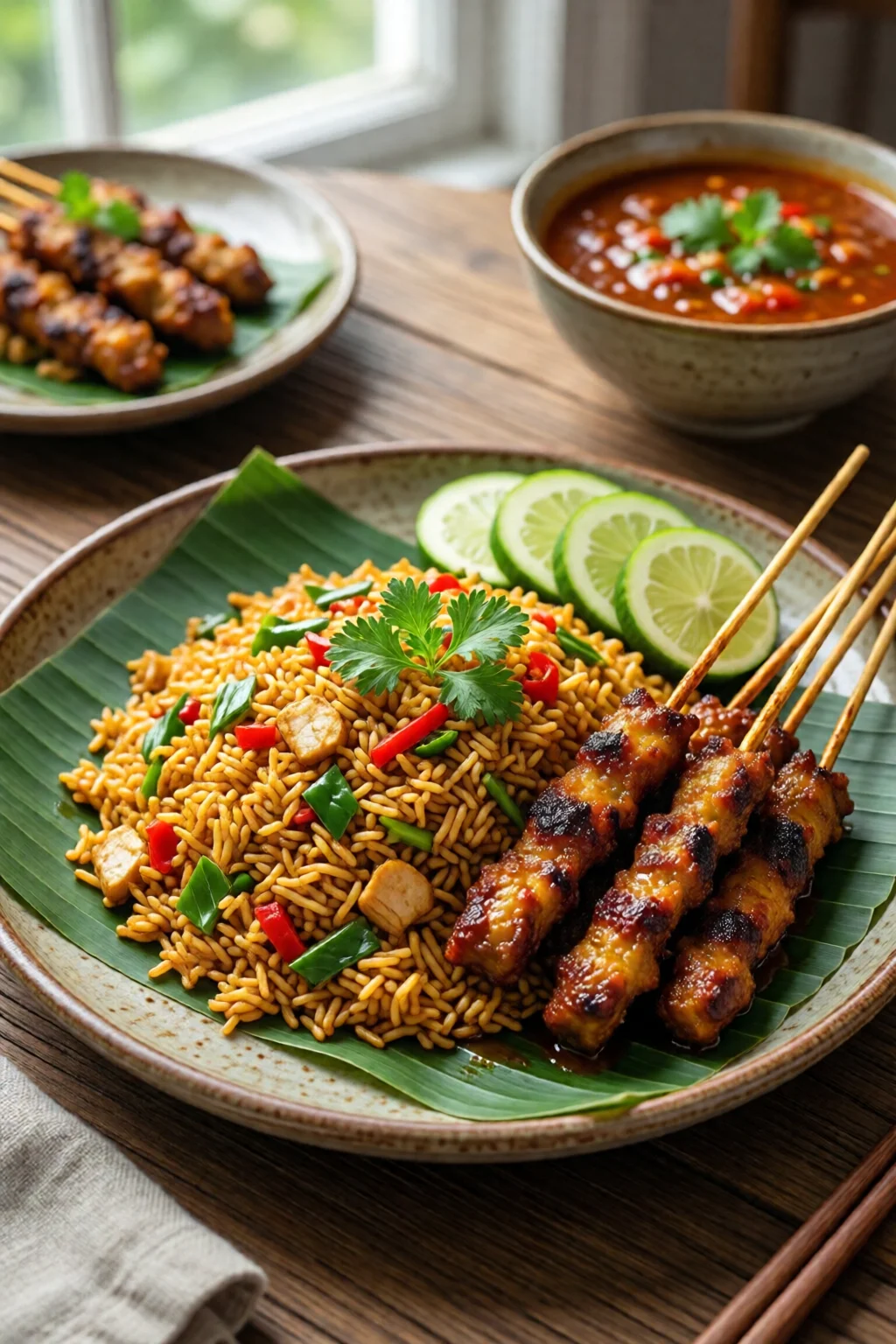
Step 1: Prepare the Satay Marinade and Grill the Skewers
1.1 Mix the Marinade
In a medium bowl combine the sweet soy sauce, regular soy sauce, grated palm sugar, ground coriander, turmeric, ginger, garlic, and vegetable oil. Stir until the sugar dissolves – this should take about 30 seconds. The mixture should have a glossy, amber hue.
1.2 Marinate the Chicken
Cut the chicken thighs into 1‑inch cubes. Toss them in the bowl, ensuring each piece is fully coated. Cover with plastic wrap and refrigerate for at least 45 minutes; I recommend 2 hours for deeper flavor. One mistake I see often is marinating for less than 20 minutes – the chicken ends up bland.
1.3 Skewer and Grill
Thread three to four chicken cubes onto each bamboo skewer, leaving a tiny gap between pieces for even heat. Pre‑heat your grill pan over medium‑high heat (≈200 °C). Lightly oil the grill surface with a paper towel dipped in peanut oil.
Place the skewers on the grill, turning every 2 minutes. Cook for 8–10 minutes total, or until a thermometer reads 75 °C at the thickest part. The exterior should be caramelized with a faint char – that smoky edge is what makes satay iconic.
Step 2: Cook the Nasi Gorung (Indonesian Fried Rice)
2.1 Prep the Rice
Day‑old rice is key; fresh rice releases moisture and becomes mushy. If you only have fresh rice, spread it out on a tray and refrigerate for 30 minutes to dry it out.
2.2 Sauté the Aromatics
Heat 2 tbsp peanut oil in a wok over medium heat. Add the diced onion and sauté until translucent, about 2 minutes. Add the garlic and shrimp paste; stir‑fry for another minute – the shrimp paste will melt into a fragrant paste.
2.3 Add the Rice and Seasonings
Increase the heat to high. Toss the cooled rice into the wok, breaking up any clumps with the spatula. Stir‑fry for 3 minutes, letting each grain coat in oil.
Drizzle the kecap manis, soy sauce, and sambal oelek over the rice. Continue to stir‑fry for another 2 minutes. The rice should turn a deep caramel color with a subtle heat from the sambal.
2.4 Incorporate Veggies and Egg
Push the rice to one side of the wok, pour the beaten eggs into the empty space, and scramble until just set. Fold the eggs into the rice, then add the mixed vegetables. Cook for an additional 2 minutes, until the veggies are heated through but still crisp.
2.5 Finish and Rest
Taste and adjust: a pinch of salt or an extra splash of kecap manis if you prefer sweeter notes. Transfer the nasi goreng to a serving bowl and let it sit for 2 minutes – this allows the flavors to meld.
Step 3: Assemble and Serve
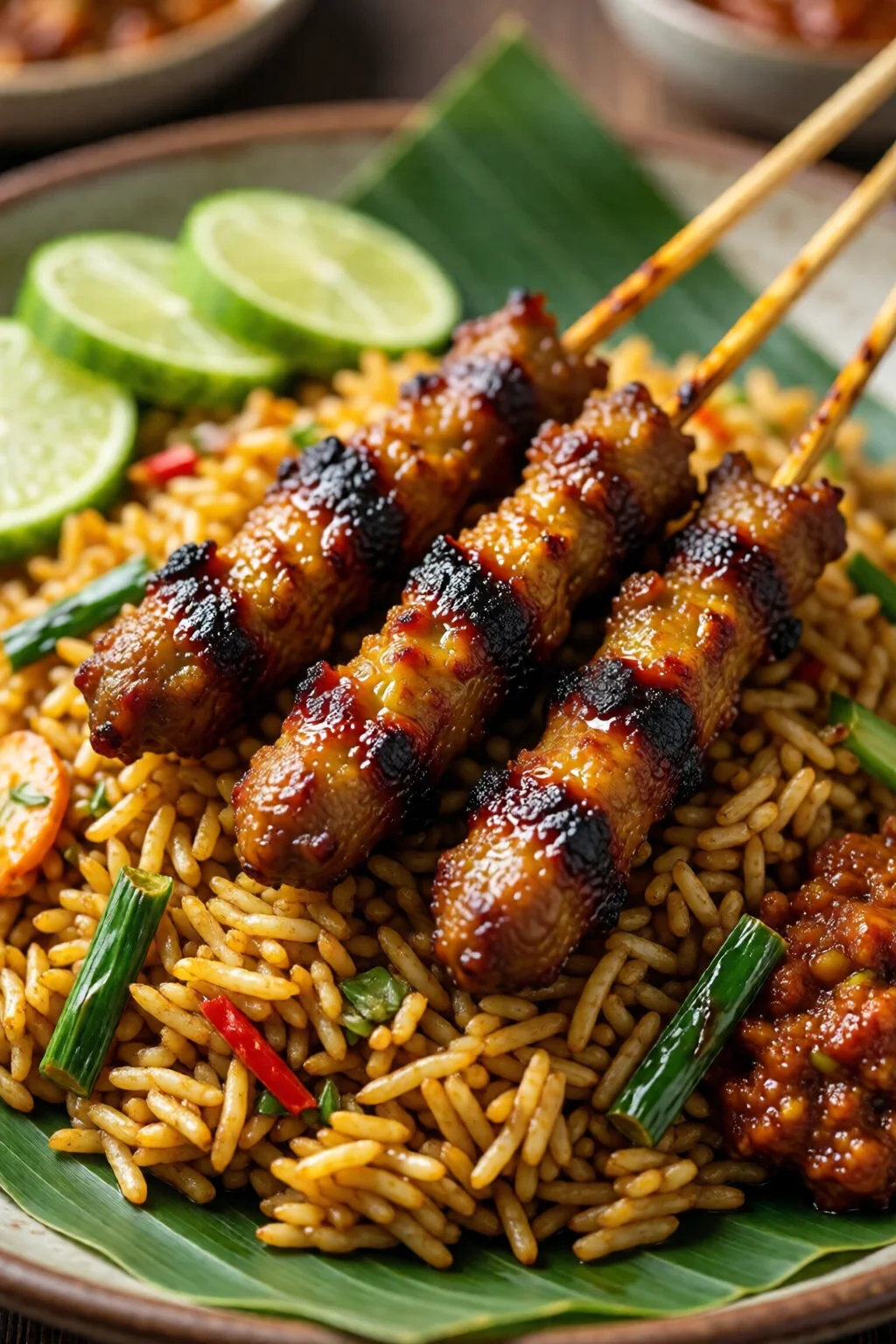
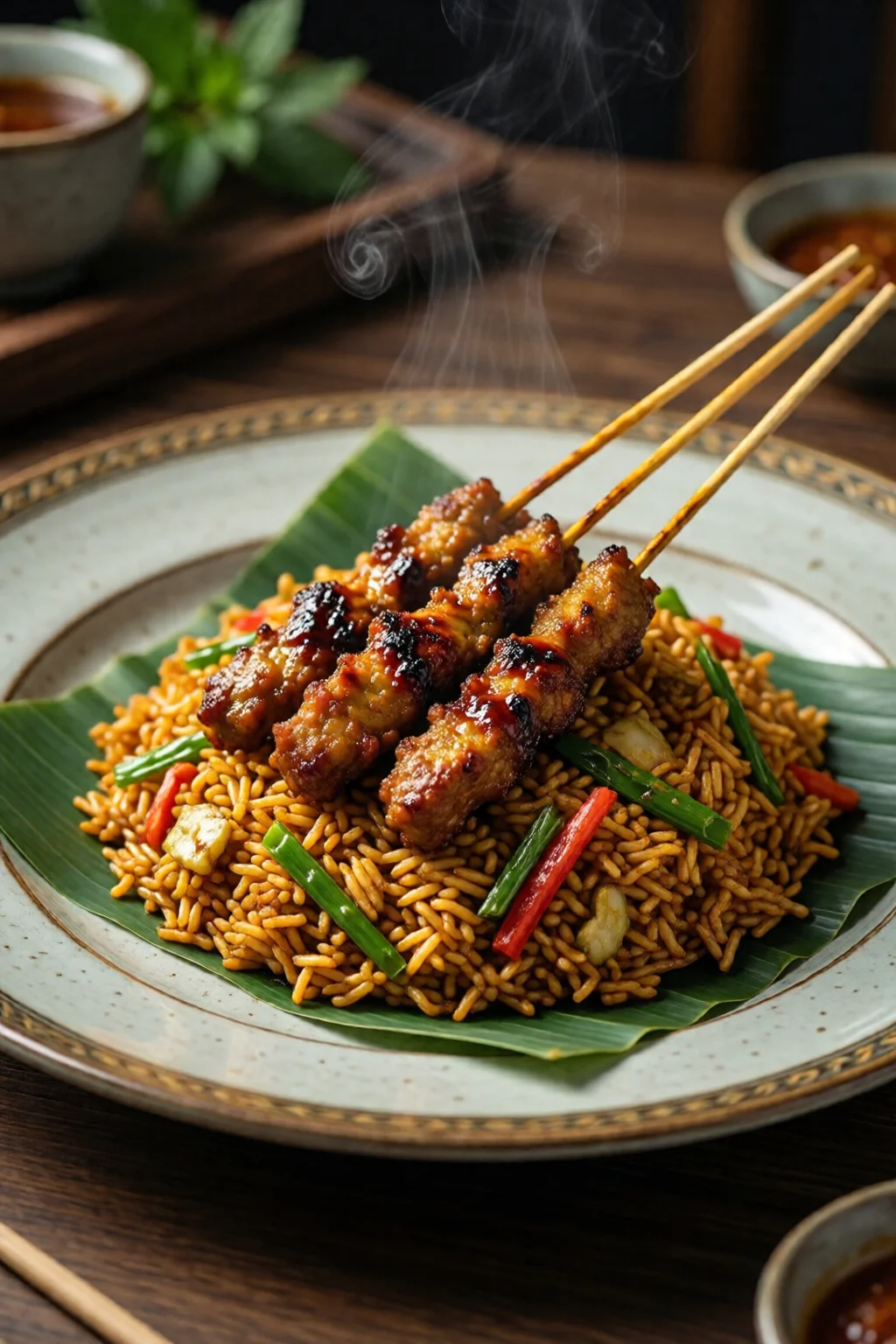
Arrange a generous scoop of nasi goreng on each plate. Lay three to four satay skewers beside the rice. Drizzle the remaining satay sauce (a quick reduction of the leftover marinade, simmered 5 minutes until thick) over the rice for an extra glaze.
Garnish with cucumber ribbons, tomato wedges, and a sprinkle of fried shallots. Serve with a wedge of lime – a squeeze adds bright acidity that cuts through the richness.
For a complete Indonesian experience, pair with a glass of cold Bintang beer or a sweet iced tea.
Common Mistakes to Avoid
- Using fresh rice for the fried rice. Fresh rice holds too much moisture; the dish turns soggy. Day‑old rice is non‑negotiable.
- Skipping the shrimp paste. It’s the umami backbone of authentic nasi goreng. If you’re allergic, substitute with a teaspoon of fish sauce, but the flavor profile will shift.
- Over‑marinating the chicken. More than 6 hours can make the meat mushy because the acidity in the soy sauce breaks down proteins.
- Cooking the satay at too low a temperature. Low heat prevents caramelization, resulting in bland, rubbery skewers. Aim for a surface temperature of at least 200 °C.
- Neglecting to soak bamboo skewers. Dry skewers can scorch and char, imparting a burnt taste.
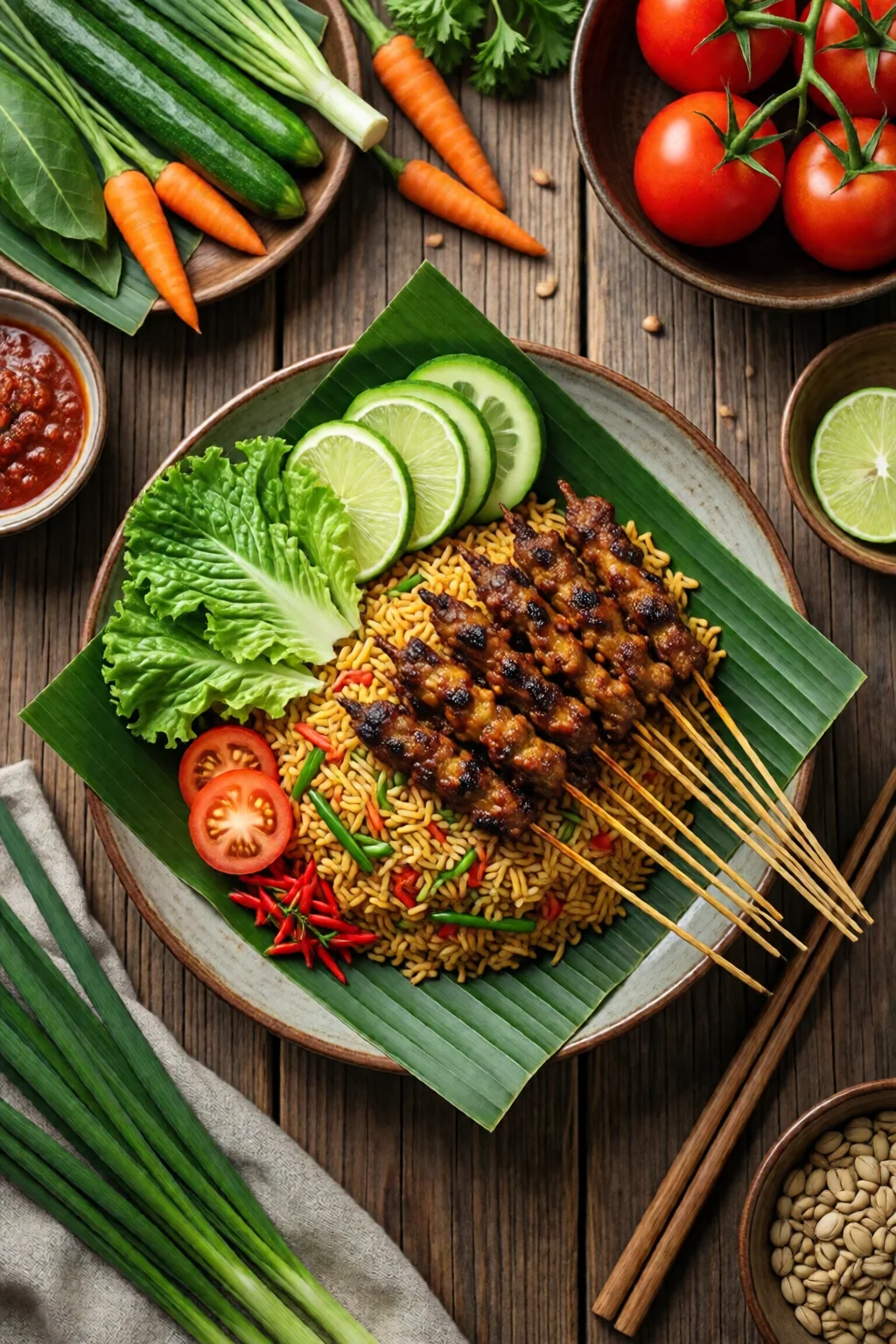
Troubleshooting & Tips for Best Results
- Rice clumping? Break the rice apart with your hands before adding to the wok. A quick flash‑freeze in the freezer for 10 minutes also helps.
- Satay sauce too thin? Simmer the leftover marinade with 1 tbsp cornstarch dissolved in water. Stir constantly; it will thicken in under a minute.
- Insufficient heat on a stovetop? Use a wok ring to concentrate flame or switch to a gas burner if possible. Cast‑iron retains heat longer, allowing you to finish the dish without burning.
- Spice level not hot enough? Add a sliced bird’s eye chili during step 2.3 or increase sambal oelek by half a tablespoon.
- Want a vegetarian version? Substitute chicken with tempeh cubes marinated in the same sauce, and replace shrimp paste with a teaspoon of miso paste.
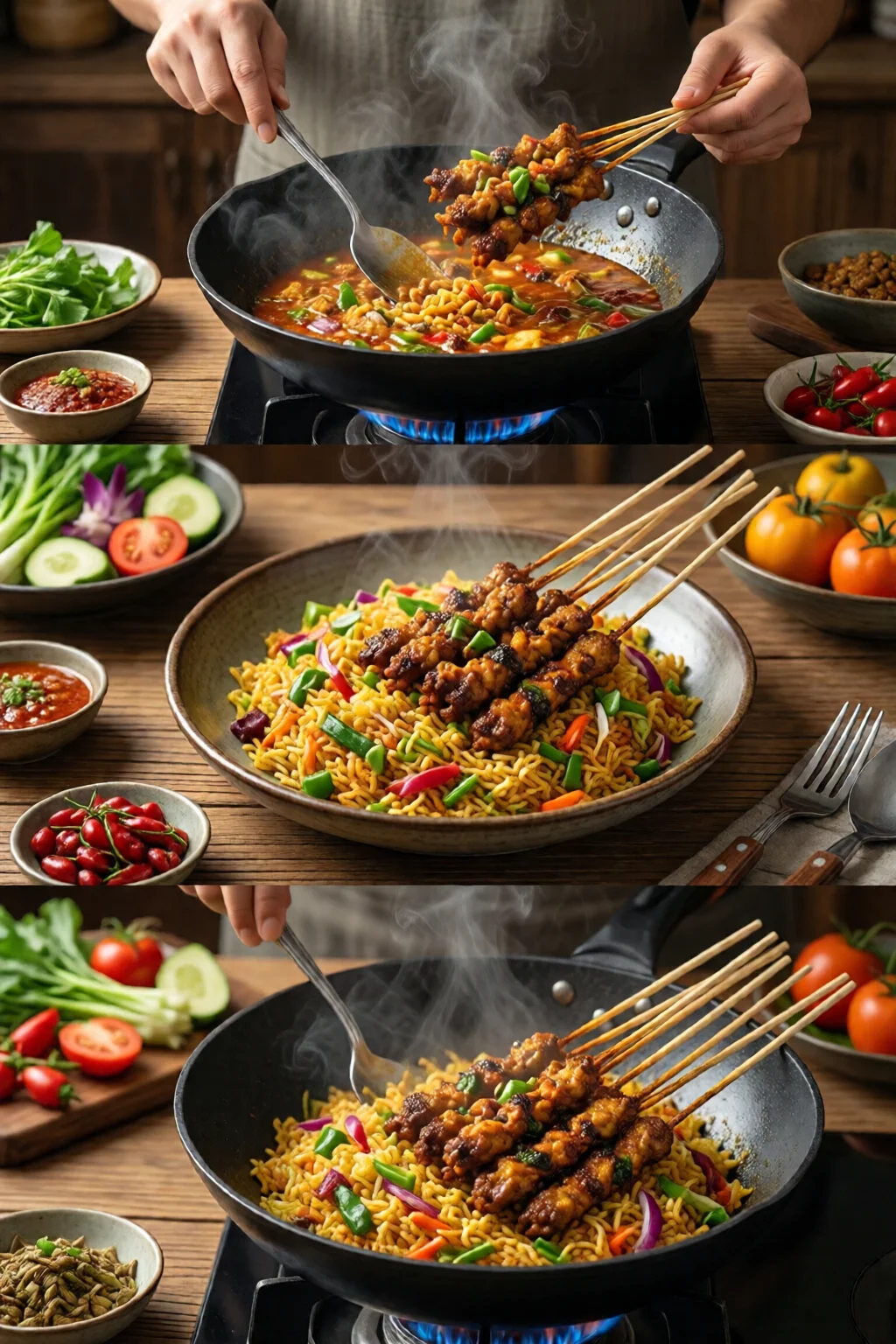
Summary Conclusion
Mastering Indonesian recipes nasi goreng satay is less about exotic ingredients and more about technique: day‑old rice, a balanced satay marinade, and high heat for that signature char. With the ingredients, equipment, and step‑by‑step guidance above, you can serve a restaurant‑quality plate in under an hour. The next time you host a gathering, skip the take‑out and impress your guests with this vibrant, aromatic duo.
Frequently Asked Questions
Can I use beef or pork for the satay instead of chicken?
Yes – thinly sliced beef sirloin or pork tenderloin work well. Adjust marinating time to 30 minutes for beef (to avoid toughness) and 45 minutes for pork. Keep the same spice ratios for authentic flavor.
What’s the difference between kecap manis and regular soy sauce?
Kecap manis is a thick, sweetened soy sauce that adds caramel notes and body to dishes. Regular soy sauce is thinner and salty. Both are essential in Indonesian cooking; you can’t substitute one for the other without altering the flavor profile.
How do I store leftovers?
Place satay and sauce in an airtight container and refrigerate for up to 3 days. Reheat satay on a hot grill or skillet to regain crispness. Nasi goreng can be reheated in a microwave (add a splash of water) or quickly stir‑fried again with a bit more oil.
Can I make the satay sauce ahead of time?
Absolutely. Prepare the sauce, cool it, and store it in the fridge for up to a week. Warm gently before serving; avoid boiling, which can cause the sauce to separate.