Did you know that Spain consumes roughly 4.5 kg of rice per capita each year, and over 70 % of that ends up in paella pans across the country? That’s why mastering an authentic Spanish paella recipe authentic saffron is more than a culinary adventure—it’s a slice of Spanish culture on your plate.
In This Article
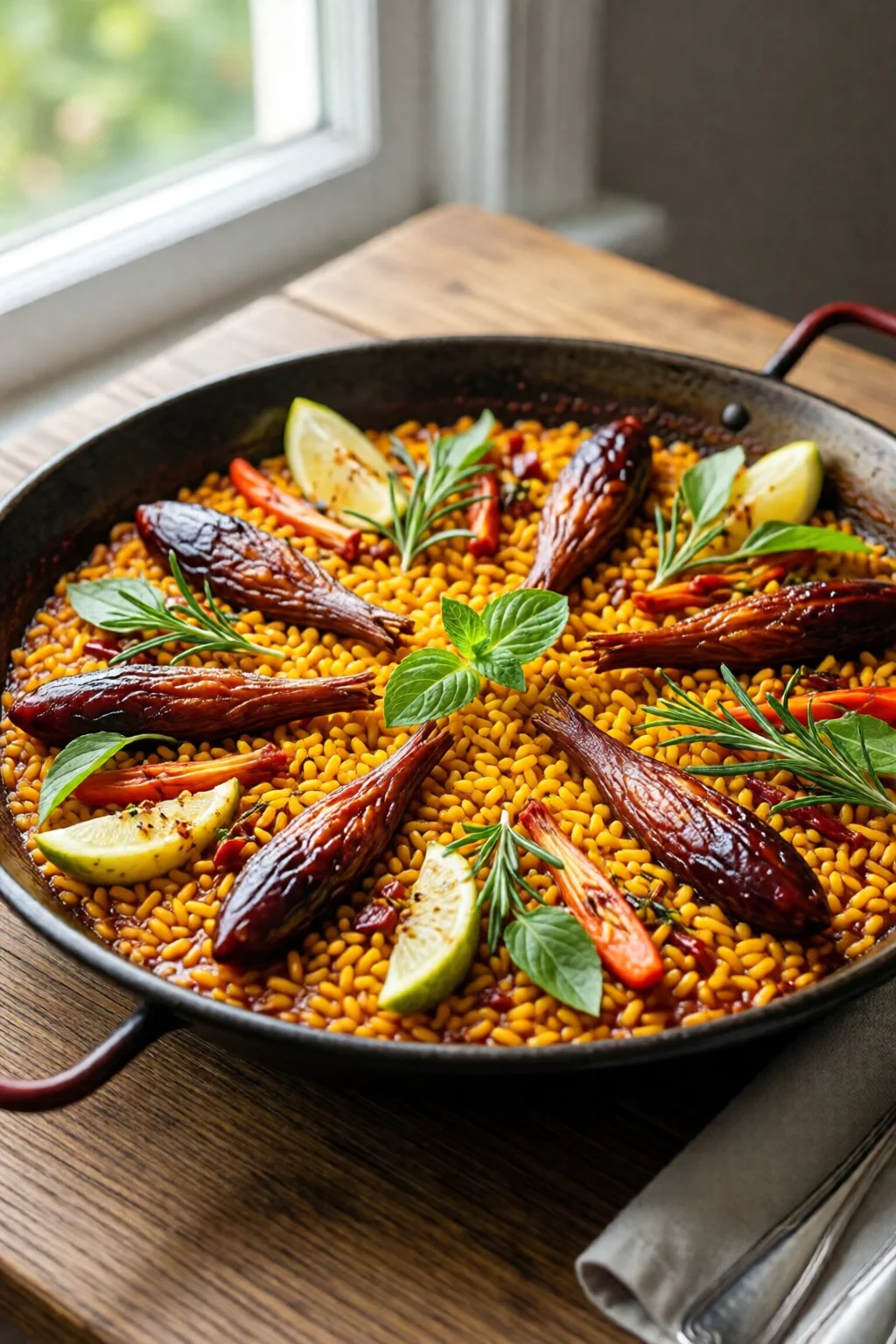
What You Will Need (Before You Start)
Gather these ingredients and tools before you ignite the burner. Using the right components eliminates improvisation and guarantees the deep golden hue and layered flavor that define a true Valencian paella.
- Rice: 2 cups (400 g) of Bomba rice – the gold standard for paella because it absorbs liquid without turning mushy. A 1‑kg bag from Lundberg Family Farms costs about $12.
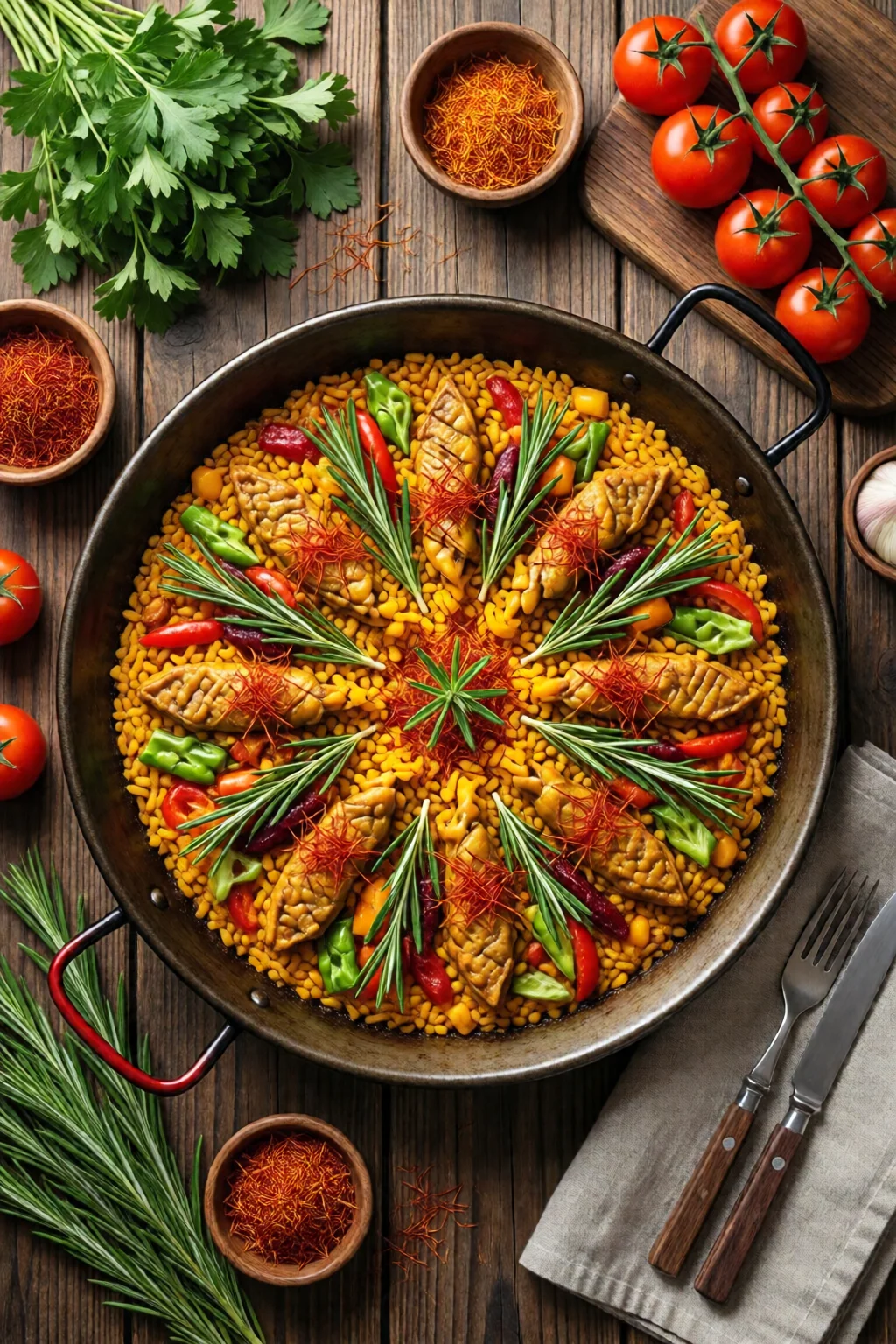
- Saffron threads: 0.12 g (a pinch). I swear by L’Ermitage saffron – $18 for a 0.5‑g vial, enough for 4–5 pans.
- Olive oil: 3 Tbsp (45 ml) extra‑virgin, preferably from Castillo de Canena – $10 for a 500‑ml bottle.
- Proteins: 200 g chicken thighs, 200 g rabbit (optional), 250 g fresh mussels, 200 g peeled shrimp, and 100 g chorizo, sliced.
- Vegetables: 1 large onion, 1 red bell pepper, 1 green bell pepper, 150 g green beans, 2 medium tomatoes (blended), 4 g peas.
- Aromatics: 4 garlic cloves, 1 Tbsp smoked paprika (pimentón), 1 tsp dried rosemary, 1 tsp freshly ground black pepper.
- Broth: 5 cups (1.2 L) low‑sodium chicken stock, heated.
- Equipment: 12‑inch (30 cm) Le Creuset enameled paella pan ($199) or a carbon steel paella pan ($45 from Lidl); wooden spoon; fine mesh strainer; kitchen timer.
Having everything measured and prepped (mise en place) saves you from scrambling once the rice hits the pan. In my experience, a well‑organized station cuts cooking time by 15 % and prevents the dreaded burnt‑bottom disaster.
Step 1: Prepare the Saffron Infusion
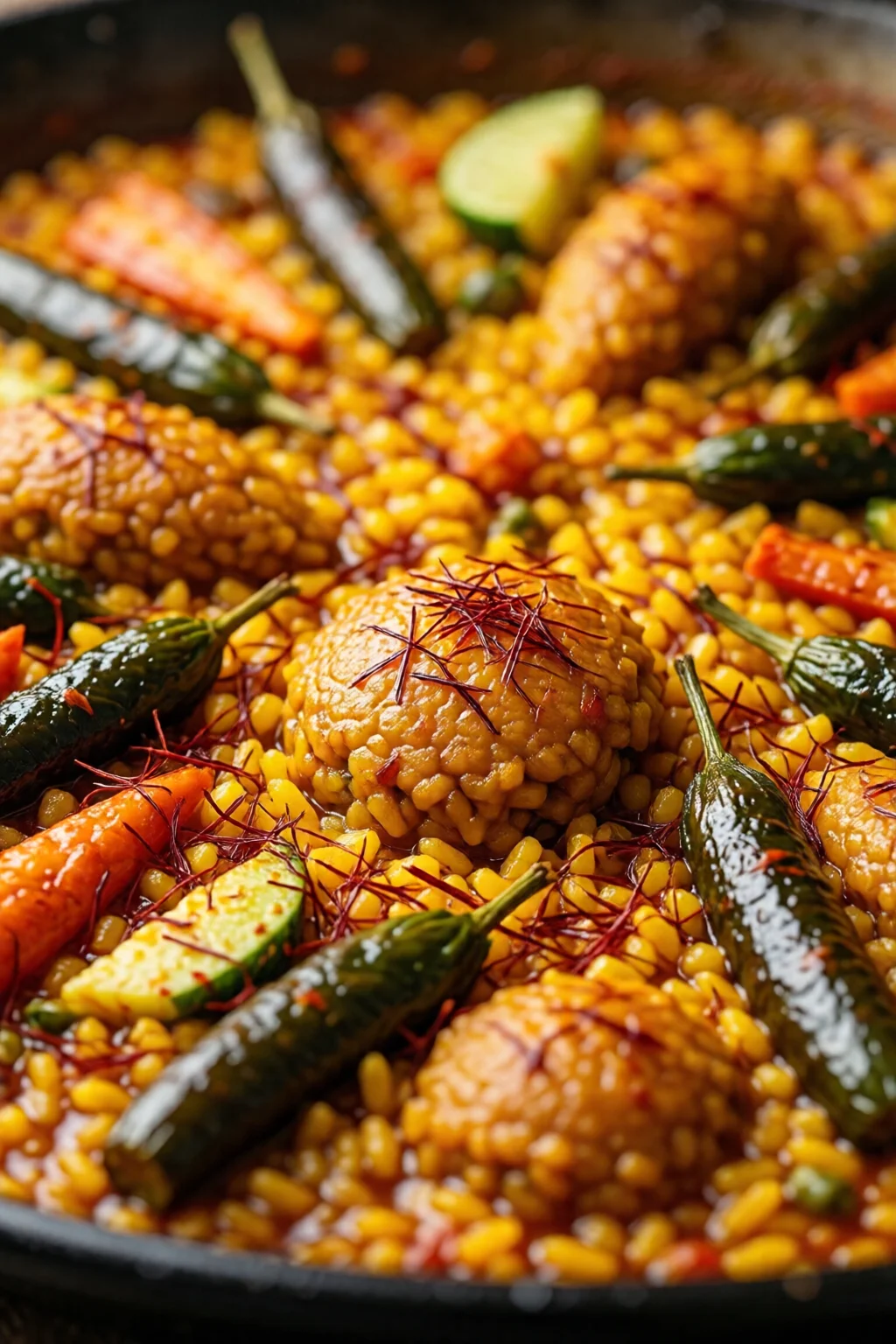
Crush the saffron threads gently between your fingertips, then dissolve them in 2 Tbsp (30 ml) warm stock. Let the mixture steep for 10 minutes; the liquid will turn a vivid crimson, signaling that the flavor compounds are fully released. One mistake I see often is adding saffron directly to the pan – the heat destroys the delicate aroma.
Step 2: Toast the Rice
Heat the paella pan over medium‑high heat, drizzle in the olive oil, and swirl to coat the bottom. Add the chicken, rabbit, and chorizo, browning each side for about 3 minutes. Remove and set aside. Then, toss in the onions, garlic, and bell peppers, sautéing until translucent (≈4 minutes). Sprinkle the smoked paprika and rosemary, stirring quickly to avoid bitterness.
Next, add the rice, stirring continuously for 2‑3 minutes until each grain is lightly toasted and coated with oil. This step, called “soffritto,” creates a protective layer that keeps the rice from over‑absorbing liquid later.
Step 3: Build the Broth
Stir in the blended tomatoes, then pour the saffron‑infused stock followed by the remaining hot chicken stock. The total liquid should be about 1.5 times the volume of rice (≈6 cups). Bring the mixture to a gentle boil, then reduce to a steady simmer. Season with salt (≈1 tsp) and black pepper.
At this point, the pan should be level – an uneven surface leads to uneven cooking and the dreaded “bunyol” (over‑cooked rice clumps). If you’re using a stovetop, adjust the flame so the broth simmers at about 85 °C (185 °F).
Step 4: Cook the Proteins
Arrange the browned chicken, rabbit, and chorizo pieces evenly across the pan. Tuck the mussels and shrimp along the outer rim, ensuring the shells face up for a decorative finish. Sprinkle the peas and green beans over the top. Do not stir after this point; paella’s signature socarrat (crispy bottom) forms only when the rice is left undisturbed.
Step 5: Simmer and Finish
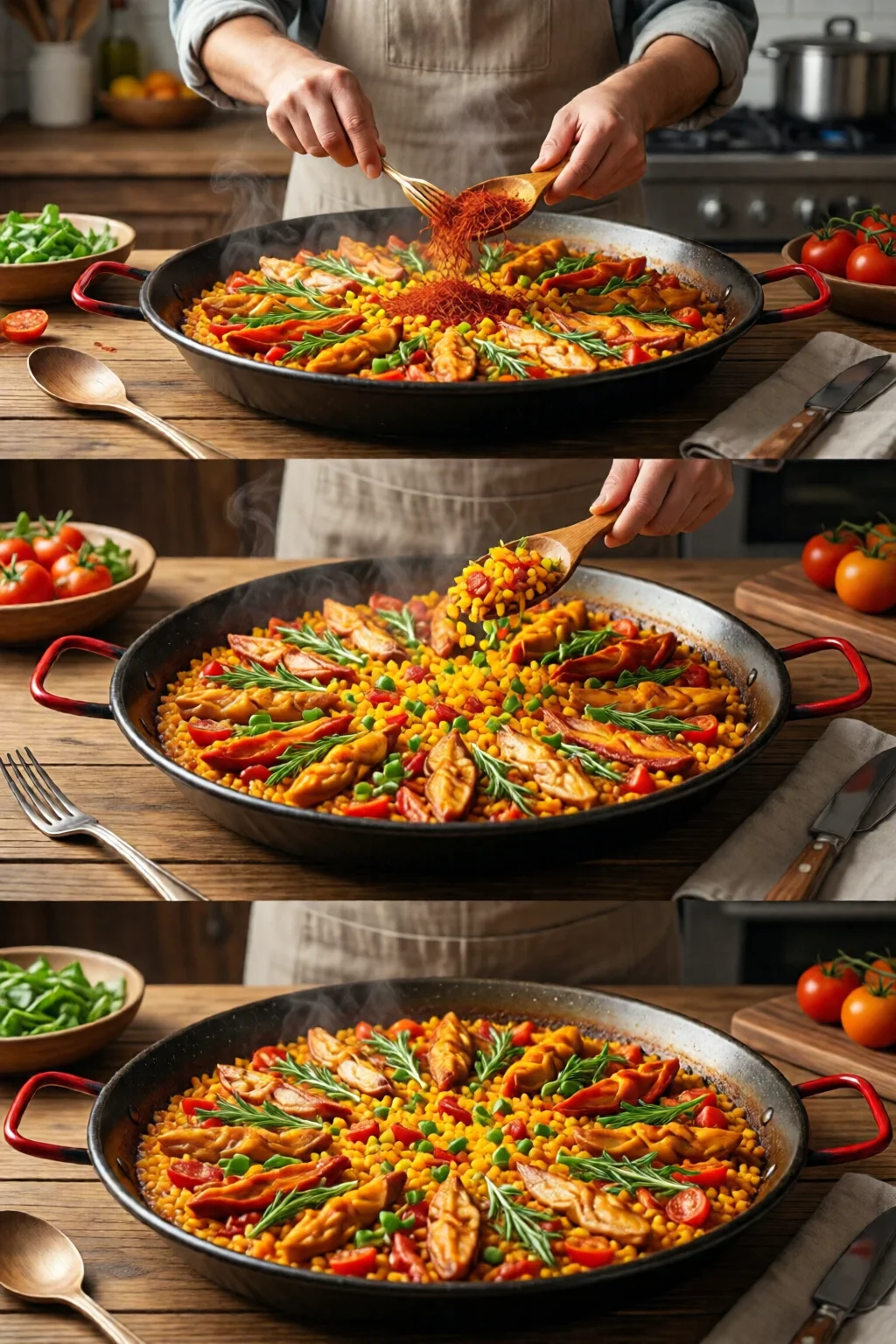
Allow the paella to simmer uncovered for 15‑18 minutes. Check the liquid level – if it’s evaporating too quickly, add a splash of warm stock (no more than ½ cup). When the rice is al dente and the liquid is mostly absorbed, increase the heat for the final 2 minutes to develop the socarrat. You’ll hear a faint crackling sound; that’s the cue to remove the pan from the heat.
Cover the pan with a clean kitchen towel and let it rest for 5 minutes. This resting period lets the steam finish cooking the rice and meld the flavors.
Common Mistakes to Avoid
- Using the wrong rice: Short‑grain Arborio or jasmine won’t absorb broth correctly, resulting in mushy paella.
- Stirring after adding the rice: It breaks the formation of socarrat and makes the dish gummy.
- Cooking on high heat: The bottom burns before the rice cooks through. Keep the flame moderate – a medium‑low setting on electric ranges works best.
- Skipping the saffron soak: Direct heat destroys crocin, the compound that gives paella its golden color and unique aroma.
Over‑seasoning the broth: The saffron’s subtle bitterness can be masked by too much salt. I recommend tasting the stock before adding it.
Troubleshooting and Tips for Best Results
Problem: The rice is still hard after the liquid is gone.
Solution: Add ¼ cup of hot stock, reduce the heat to low, and cover with foil for an extra 5 minutes.
Problem: No socarrat forms; the bottom is soggy.
Solution: Increase the heat for the last 30 seconds, listening for a gentle crackle. If you’re using a gas stove, move the pan slightly closer to the flame.
Problem: The saffron flavor is weak.
Solution: Use fresh, high‑quality saffron and ensure the infusion time is at least 10 minutes. Adding a pinch of turmeric can boost color but not flavor; avoid it if you want pure saffron taste.
Pro tip: For a richer broth, simmer the chicken bones with a carrot, celery, and onion for 45 minutes before starting the recipe. The resulting stock adds depth and reduces the need for extra seasoning.
If you love variety, swap the rabbit for duck confit or add a handful of diced artichoke hearts for a Mediterranean twist. The base technique remains identical, proving the versatility of an authentic Spanish paella recipe authentic saffron.
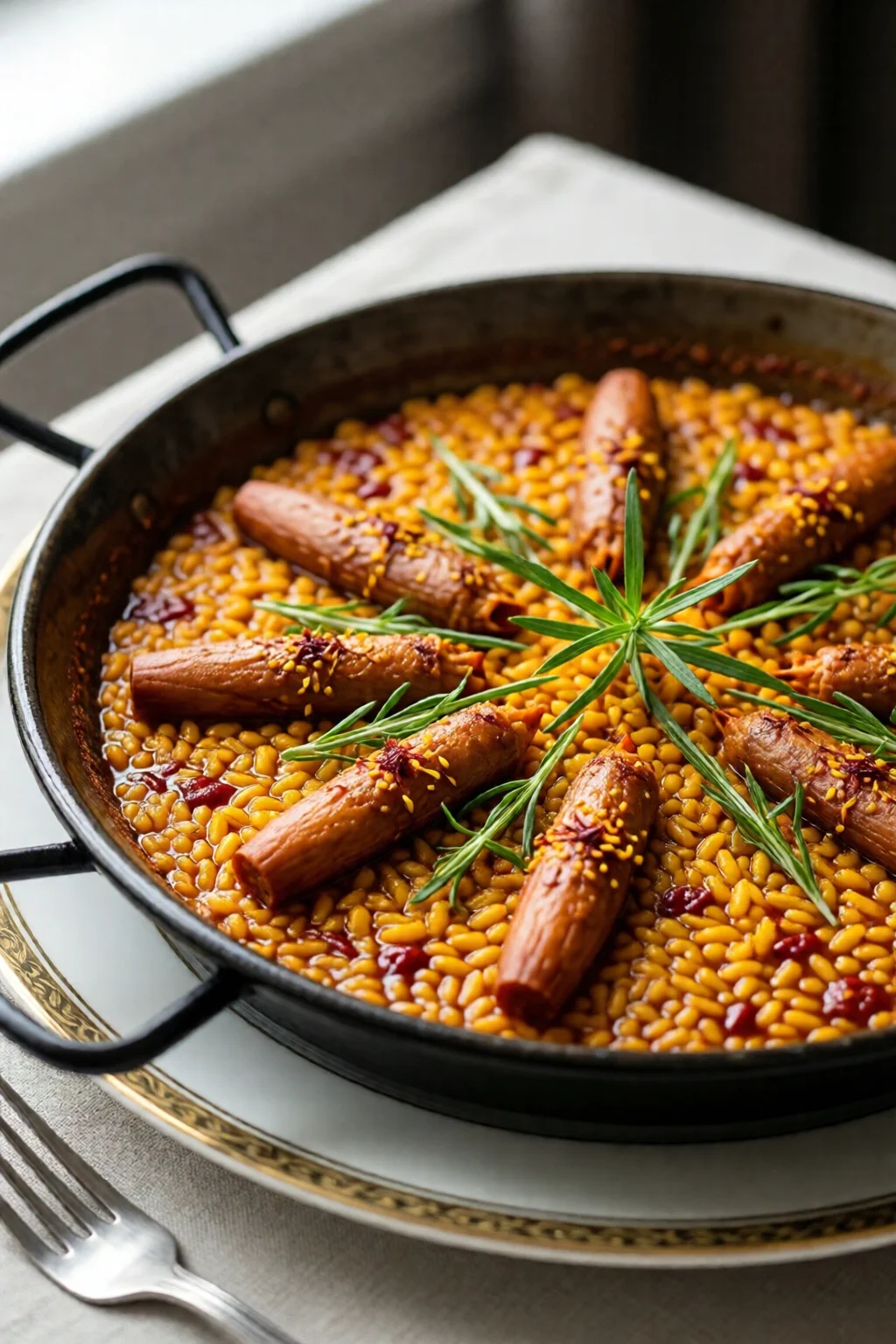
Summary
By following this step‑by‑step guide, you’ll create a paella that boasts the hallmark golden hue from premium saffron, a perfectly al dente Bomba rice, and a satisfying socarrat that brings diners back for seconds. The key lies in quality ingredients, precise measurements, and respecting the traditional cooking process. Pair your paella with a chilled Albariño or a glass of Rioja, and you’ve got an authentic Spanish feast right at home.
FAQ
Can I use frozen seafood for paella?
Yes, but thaw and pat dry the seafood first. Frozen mussels tend to release excess water, which can prevent the socarrat from forming.
What’s the difference between Bomba and Calasparra rice?
Both are short‑grain Spanish varieties, but Bomba absorbs up to three times its volume in liquid, making it more forgiving for home cooks.
Do I need a paella pan?
A wide, shallow pan is essential for even heat distribution. A 12‑inch carbon steel pan works well and costs about $45; a high‑end enamel pan like Le Creuset adds durability but isn’t required.
How long can leftovers be stored?
Refrigerate in an airtight container for up to 3 days. Reheat gently on the stovetop with a splash of stock to restore moisture.
Where can I find authentic Spanish ingredients?
Specialty markets like World Market, online retailers such as Amazon, or local Hispanic grocery stores usually carry Bomba rice, pimentón, and high‑quality saffron.
1 commentaire sur « Spanish Paella Recipe Authentic Saffron – Tips, Ideas and Inspiration »