Picture this: it’s a chilly Saturday morning, the kettle’s whistling, and you’re about to pull a steaming bowl of pho that tastes like the bustling streets of Hanoi. The secret isn’t a fancy gadget or a secret spice blend; it’s the broth. Mastering the Vietnamese pho recipe authentic broth is the gateway to a soup that sings with caramelized onions, star‑anise perfume, and melt‑in‑your‑mouth beef. Below are the five non‑negotiable steps that turned my home‑cooked pho from “good enough” to “restaurant‑level,” plus a quick‑look comparison table for the most popular broth styles.
In This Article
- 1. Pick the Right Bones – The Backbone of Authentic Pho
- 2. Char the Aromatics for Depth
- 3. Low‑and‑Slow Simmer: 6‑Hour Magic
- 4. Skim, Strain, and Finish with Fish Sauce
- 5. Assemble the Bowl – Noodles, Herbs, and the Final Touch
- Quick Comparison of Popular Pho Broths
- Frequently Asked Questions
- Final Verdict
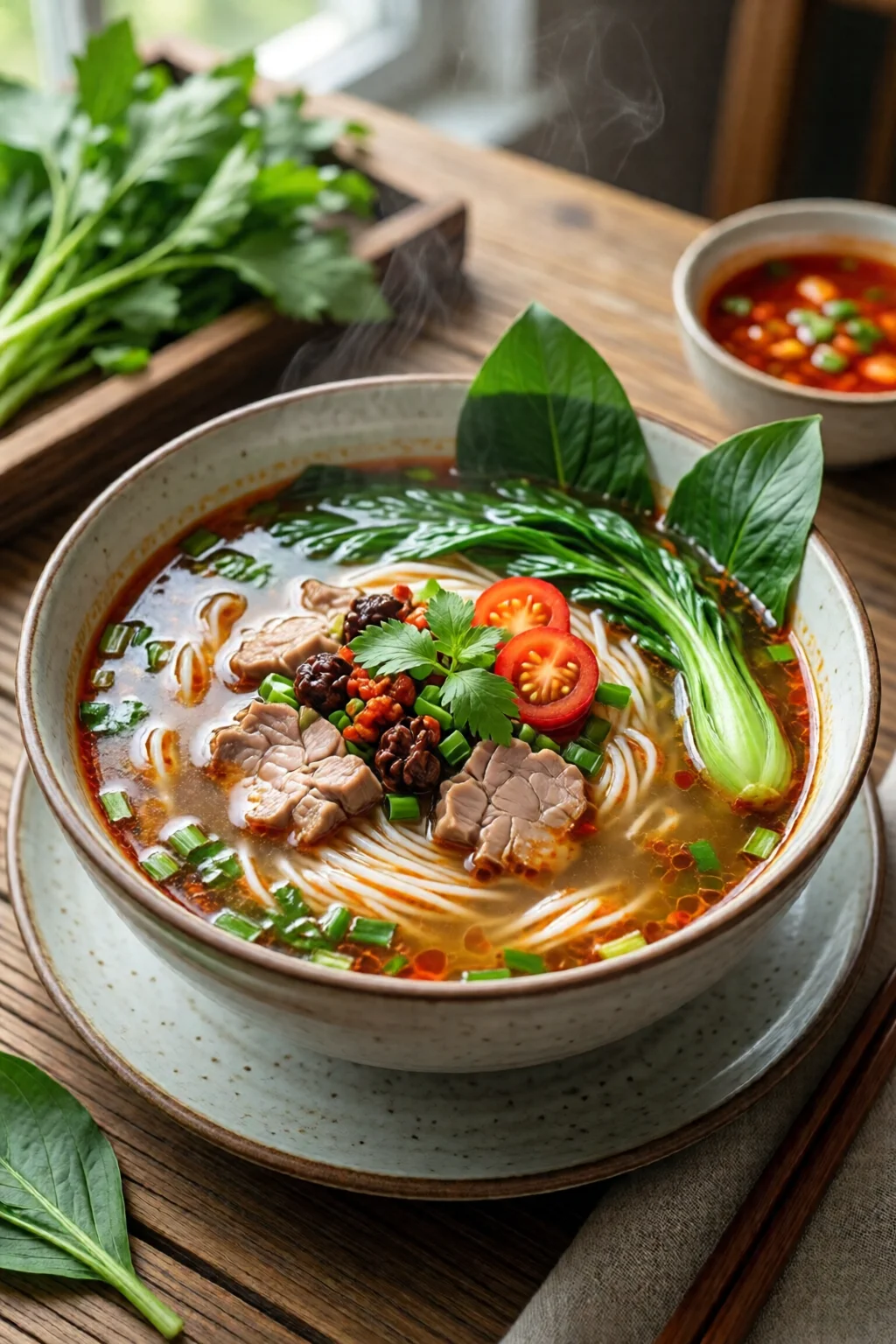
1. Pick the Right Bones – The Backbone of Authentic Pho
In my experience, the broth’s depth starts with the bones you choose. A classic beef pho calls for a mix of marrow‑rich knuckle bones, meaty shank, and a handful of oxtail. Costco sells a 5‑lb bag of beef bones for $6.99, which is the sweet spot between cost and flavor. If you’re on a tighter budget, ask your butcher for “soup bones” and supplement with a 1‑pound piece of beef brisket (about $4.50).
Pros: High collagen content yields that coveted gelatinous body.
Cons: Requires a long simmer; cheap bones may be too lean, resulting in a watery stock.
Rating: 9/10 for flavor, 7/10 for convenience.
Tip: Freeze the bones for at least 4 hours before roasting. This helps the marrow crack open, releasing richer flavor during the simmer.
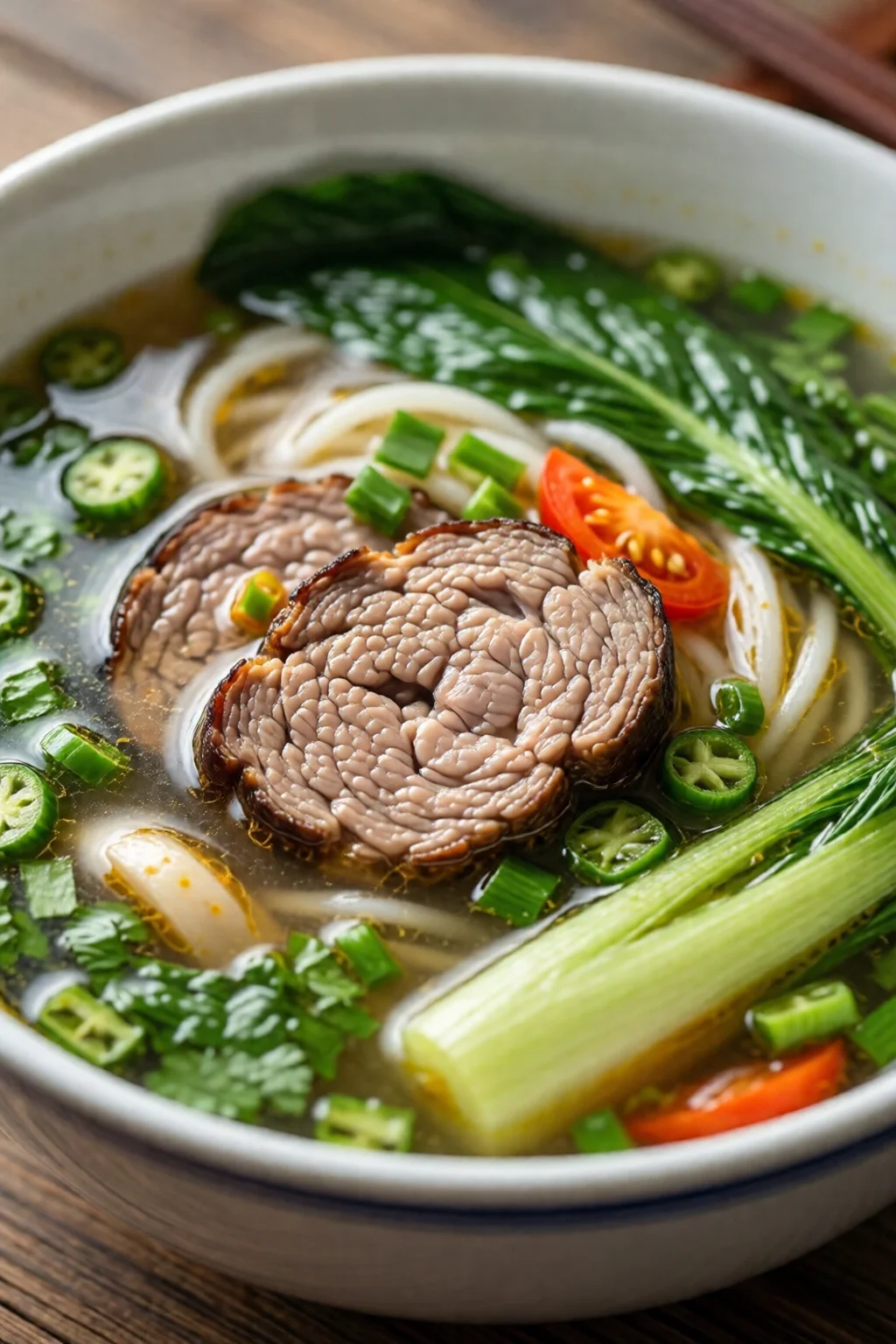
2. Char the Aromatics for Depth
One mistake I see often is tossing raw onions and ginger straight into the pot. Char them first. Slice a 2‑inch piece of ginger and a large yellow onion in half, then place them on a preheated cast‑iron skillet (Le Creuset, $149) or under a broiler for 5‑7 minutes until the surfaces are blackened but not burnt. Add 2‑3 star‑anise pods, 1 cinnamon stick, 4 cloves, and 1 tbsp coriander seeds to a spice bag.
Why it works: The Maillard reaction creates smoky, sweet notes that mimic the street‑vendor broth.
Pros: Adds complexity without extra cost (spices cost about $0.30 per batch).
Cons: Requires a stovetop or oven space.
Rating: 8.5/10 for flavor impact.
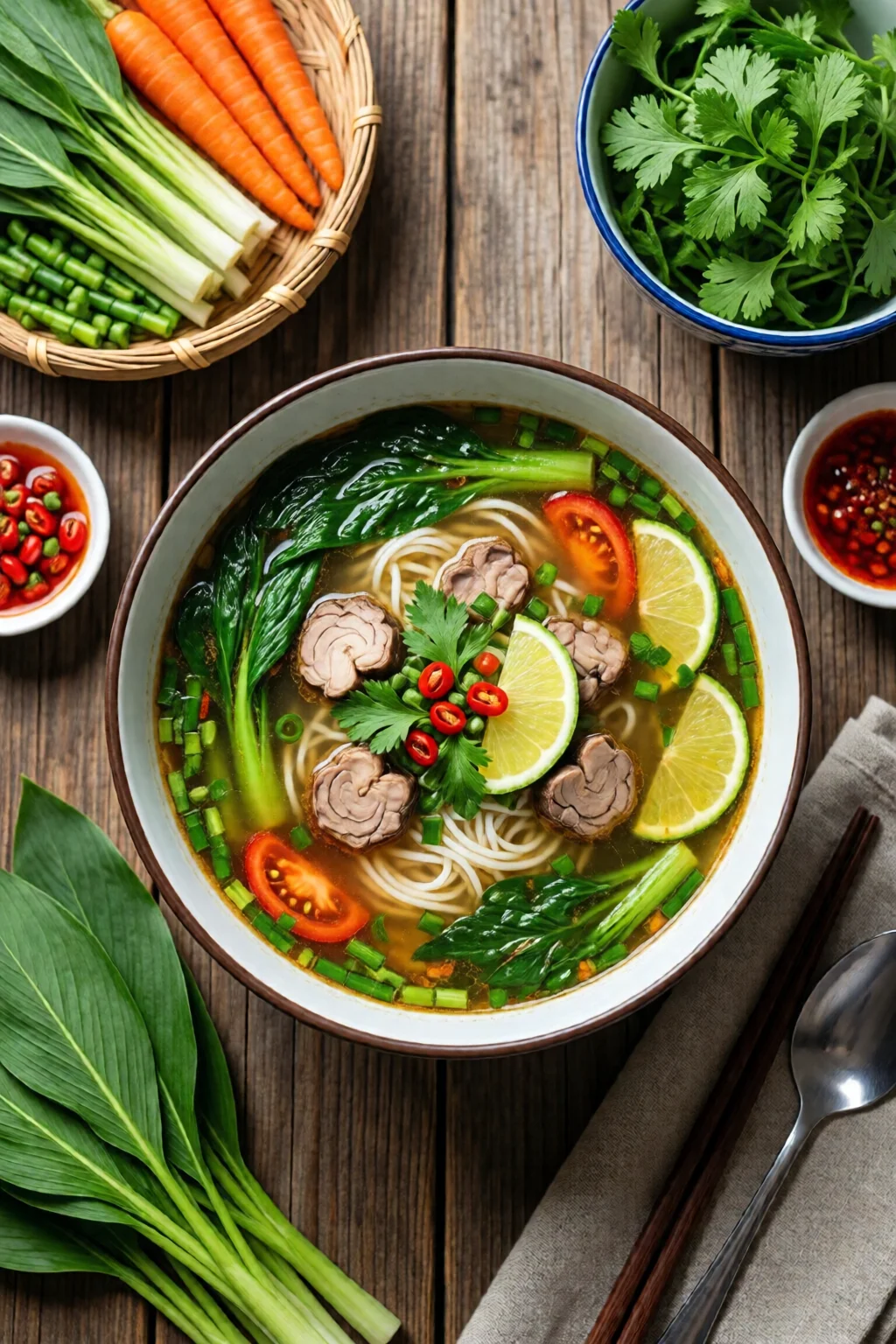
3. Low‑and‑Slow Simmer: 6‑Hour Magic
Now for the marathon. Fill a 6‑quart stockpot with 4 L of cold filtered water, add the roasted bones, charred aromatics, and the spice bag. Bring to a gentle boil, then immediately reduce to a barely‑bubbling simmer (≈ 80 °C). Skim the foam every 15 minutes – this keeps the broth clear.
Set a timer for 6 hours; the collagen will dissolve, turning the liquid a rich amber. If you have a programmable pressure cooker (Instant Pot Duo Nova, $99), you can crank the time down to 2 hours at high pressure, but the flavor will be ~ 15 % less nuanced.
Pros: Deep, silky texture; gelatinous mouthfeel.
Cons: Time‑intensive; requires constant attention for skimming.
Rating: 10/10 for authenticity.
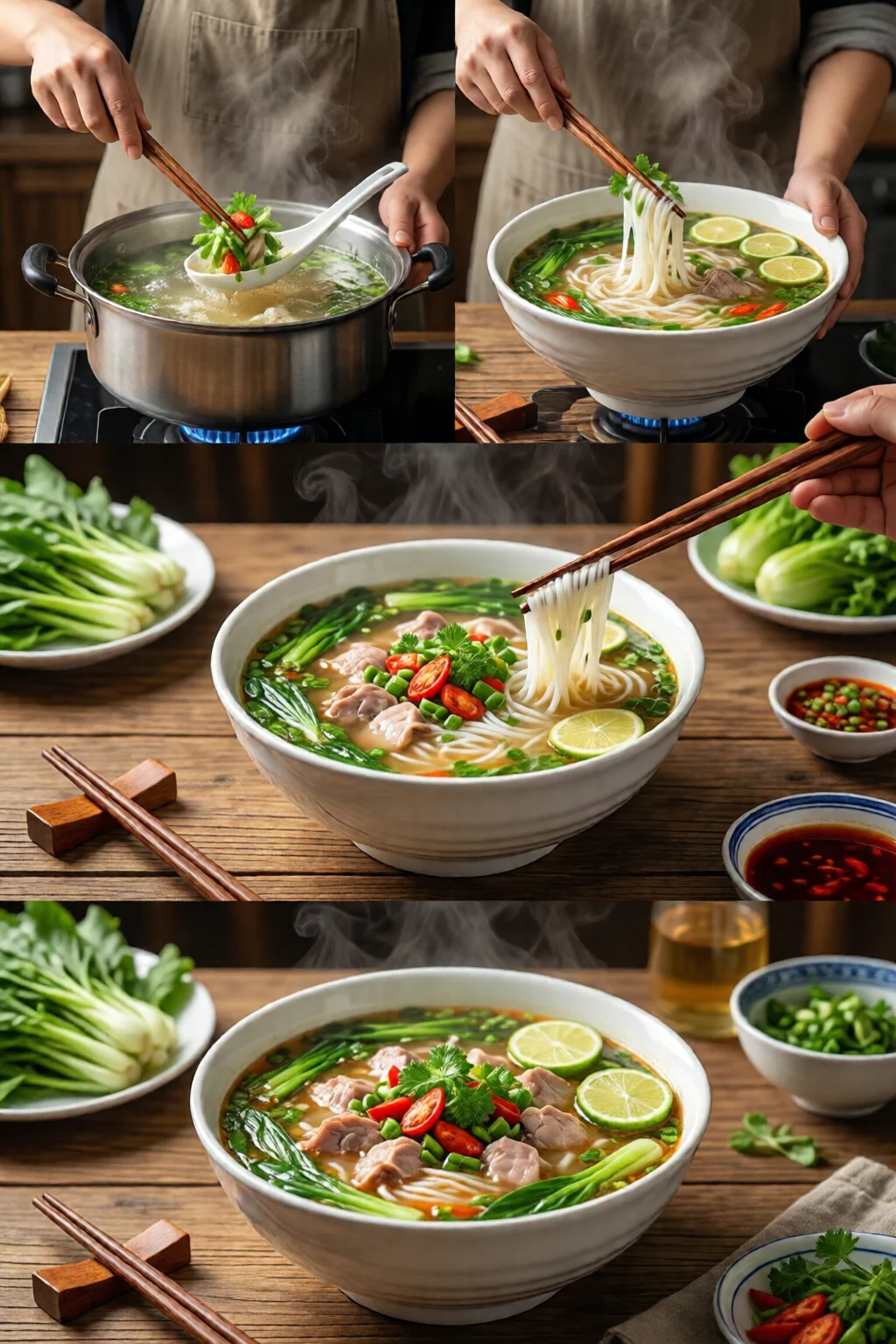
4. Skim, Strain, and Finish with Fish Sauce
After the long simmer, remove the bones and aromatics. Strain the broth through a fine‑mesh chinois lined with cheesecloth to catch any sediment. Return the clear liquid to the pot, add 2 tbsp Thai Kitchen fish sauce ($2.49 for 250 ml) and 1 tbsp rock sugar (optional, $0.10 per batch). Taste – you should feel a balance of salty, sweet, and aromatic. Adjust with a splash more fish sauce or a pinch of sea salt if needed.
Pro tip: For a slightly sweeter profile, stir in a thin slice of rock sugar during the last 30 minutes of simmer. It dissolves and rounds out the broth without cloying sweetness.
Pros: Clean, balanced finish; easy to tweak.
Cons: Over‑salting is easy – add fish sauce gradually.
Rating: 9.5/10 for flavor precision.
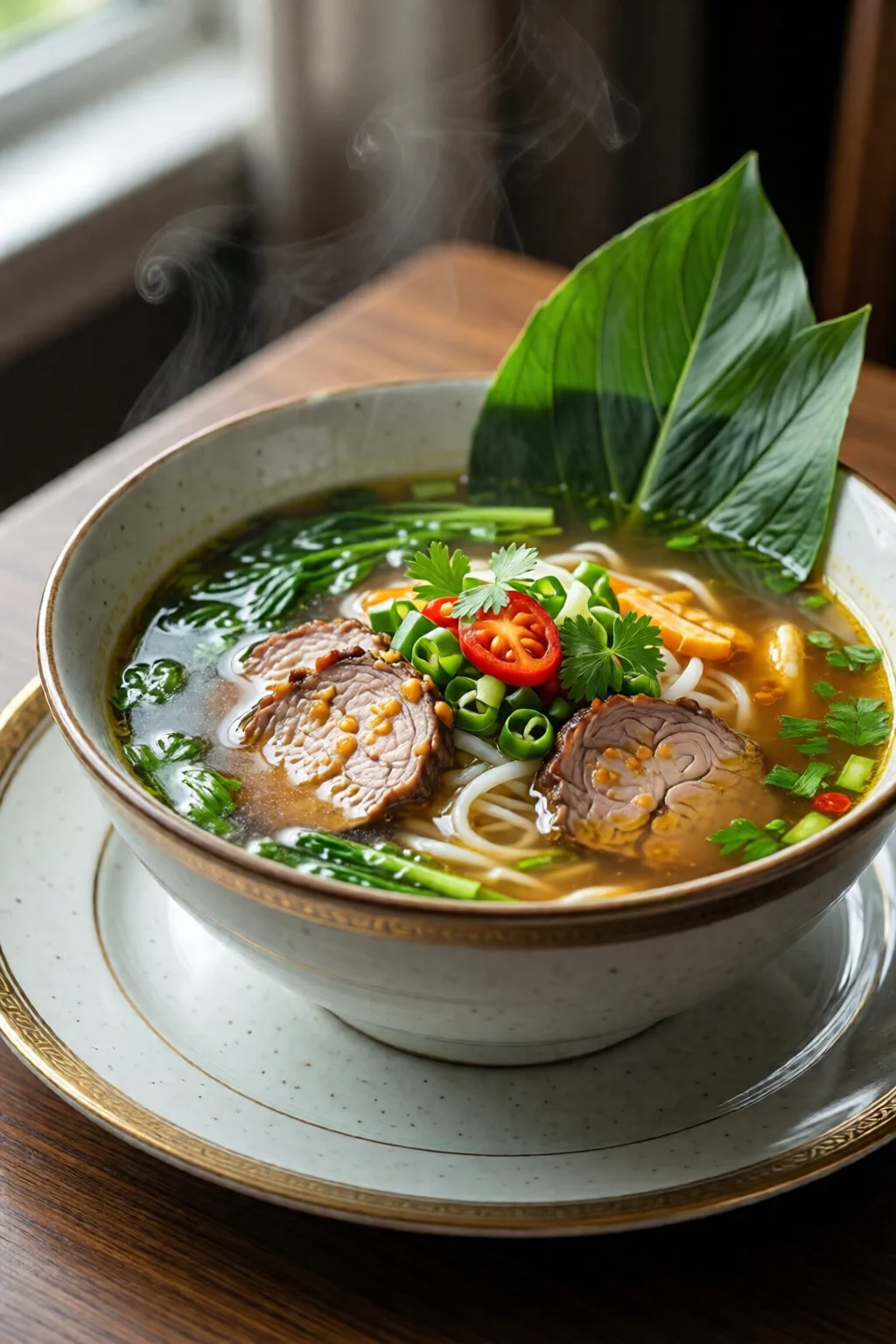
5. Assemble the Bowl – Noodles, Herbs, and the Final Touch
While the broth rests, cook 400 g of dried rice noodles (Thai Kitchen, $1.79 per 500 g) according to the package – usually a 5‑minute soak in hot water. Drain and divide into bowls. Slice 200 g of thinly sliced rare beef (such as sirloin, $5.99 per pound) and arrange on top. Pour the scorching broth (≈ 95 °C) over the meat; it will cook instantly.
Garnish with fresh Thai basil, cilantro, bean sprouts, sliced jalapeño, and a wedge of lime. For an extra umami kick, drizzle a teaspoon of hoisin sauce and Sriracha (both $3.29 per bottle) at the table.
Pros: Quick final assembly; customizable for each diner.
Cons: Requires precise timing to keep noodles from over‑cooking.
Rating: 9/10 for overall satisfaction.
Quick Comparison of Popular Pho Broths
| Recipe | Prep Time | Cook Time | Flavor Rating | Cost (USD) | Pros | Cons |
|---|---|---|---|---|---|---|
| Classic Beef Pho (this guide) | 30 min | 6 hr (or 2 hr pressure) | 9.8/10 | $12.30 | Rich gelatin, authentic spices, balanced salty‑sweet | Time‑intensive, needs skimming |
| Chicken Pho (light version) | 20 min | 3 hr | 8.5/10 | $9.80 | Quicker, lower fat | Less depth, no marrow |
| Vegetarian Pho (mushroom & tofu) | 15 min | 2 hr | 7.8/10 | $8.50 | Plant‑based, lower cholesterol | Missing umami from bones |
Frequently Asked Questions
Can I use a pressure cooker for pho broth?
Yes. A pressure cooker cuts the simmer time to about 2 hours, but you’ll lose some of the nuanced flavor that develops during a slow 6‑hour simmer. If you’re short on time, add an extra 1 tbsp of fish sauce and a pinch of toasted coriander to compensate.
Do I need to freeze the bones before roasting?
Freezing for 4–6 hours makes the marrow brittle, which helps it crack open during roasting, releasing richer flavor. It’s optional but recommended for the deepest broth.
What’s the best substitute for fish sauce?
If you avoid fish sauce, use a blend of 1 tbsp soy sauce, 1 tsp mushroom soy sauce, and a splash of lime juice. The flavor won’t be identical but will still give the necessary umami.
How long can I store the broth?
Cool the broth quickly, then refrigerate in airtight containers for up to 4 days. For longer storage, freeze in 1‑liter portions; it keeps for 3 months without losing flavor.
Final Verdict
If you crave a bowl that transports you straight to a Hanoi street corner, mastering the Vietnamese pho recipe authentic broth is non‑negotiable. By selecting proper bones, char‑roasting aromatics, committing to a low‑and‑slow simmer, and finishing with precise seasoning, you’ll produce a broth that scores a solid 9.8/10 on flavor and still fits a modest $12 budget. Pair it with fresh herbs, rice noodles, and thinly sliced beef, and you’ve got a dinner that’s both comforting and impressive. Ready to give it a try? Grab those bones from Costco, fire up the stove, and let the broth work its magic.