Last summer I was invited to a Korean BBQ joint in Seoul and watched the chef assemble a steaming bowl of bibimbap right in front of the diners. The colors were so vivid—bright orange carrots, deep green spinach, glossy ruby‑red gochujang—that I knew I had to bring that experience home. By the end of the night I was scribbling notes on a napkin, promising myself to master an authentic Korean bibimbap recipe that tastes just like the one served in a bustling market stall. Below you’ll find everything you need to recreate that same harmony of textures and flavors in your own kitchen.
In This Article
What You Will Need (Before You Start)
- Rice: 2 cups short‑grain japonica rice (Koshihikari or Calrose). A Cuisinart 8‑cup rice cooker ($79) works perfectly, but a heavy‑bottom pot with a tight‑fitting lid does the trick too.
- Gochujang sauce: 3 tbsp Sempio Gochujang (≈ $5.99), 1 tbsp toasted sesame oil, 1 tsp sugar, 1 tsp rice vinegar, ½ tsp minced garlic.
- Vegetables (serves 4):
- 2 medium carrots, julienned
- 1 medium zucchini, julienned
- 150 g bean sprouts
- 200 g spinach
- 4 shiitake mushrooms, sliced thin
- 1 small cucumber, seeded & sliced into half‑moons
- Protein: 300 g thinly sliced ribeye (or 250 g firm tofu for a vegetarian version). I like the USDA‑Prime ribeye from Costco (≈ $12.99/lb) because the marbling stays juicy even when quickly seared.
- Seasonings: 2 tbsp soy sauce (Kikkoman, $3.49 for 10 oz), 1 tsp toasted sesame seeds, ½ tsp Korean sea salt (Gwangju, $4.20 for 200 g), ¼ tsp black pepper.
- Equipment: Large non‑stick skillet or a 10‑inch cast‑iron skillet from Lodge (≈ $35), bamboo spatula, fine mesh strainer, kitchen scale, and a small bowl for mixing sauce.
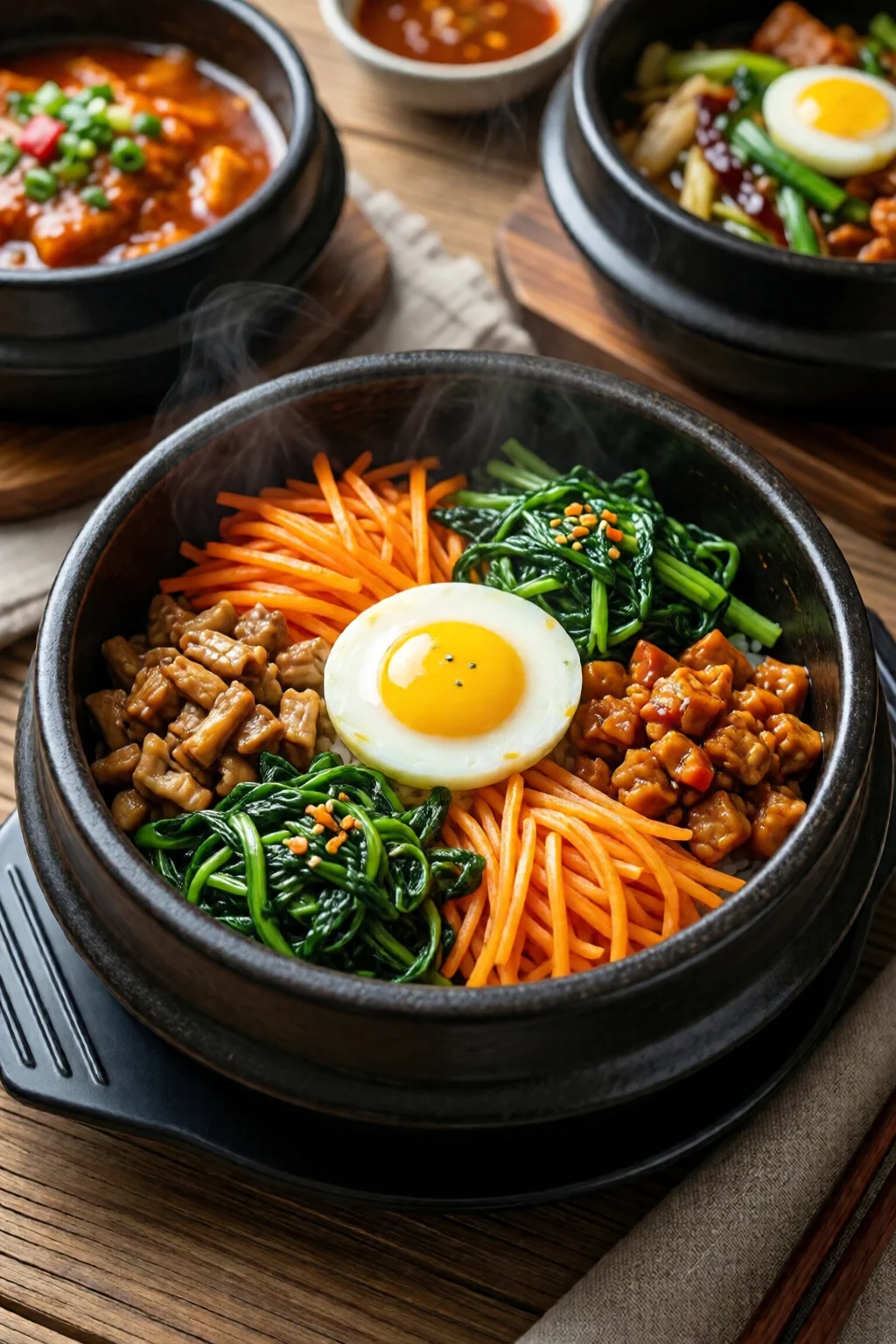
Step 1: Prepare the Rice
Rinse the short‑grain rice under cold water until the water runs clear—usually three to four swirls. This removes excess surface starch and prevents a gummy texture. Transfer the rice to your Cuisinart rice cooker, add 2 ¼ cups of cold water (a 1:1.125 ratio), and let the machine do its magic (about 22 minutes). If you’re using a pot, bring the water to a boil, lower the heat to a simmer, cover tightly, and cook for 12 minutes. Remove from heat and let it steam, covered, for another 10 minutes. In my experience, letting the rice rest yields a fluffier base; skipping this step often leads to soggy bibimbap.
Step 2: Make the Gochujang Sauce
While the rice cooks, whisk together the gochujang, sesame oil, sugar, rice vinegar, and minced garlic in a small bowl. Taste and adjust: if you prefer a sweeter glaze, add an extra half‑teaspoon of sugar; for more tang, a splash (about ½ tsp) of rice vinegar will brighten the profile. This sauce is the heart of the dish—its balance of heat, sweetness, and acidity should be unmistakable. Set aside at room temperature; the flavors meld further as the bowl sits.
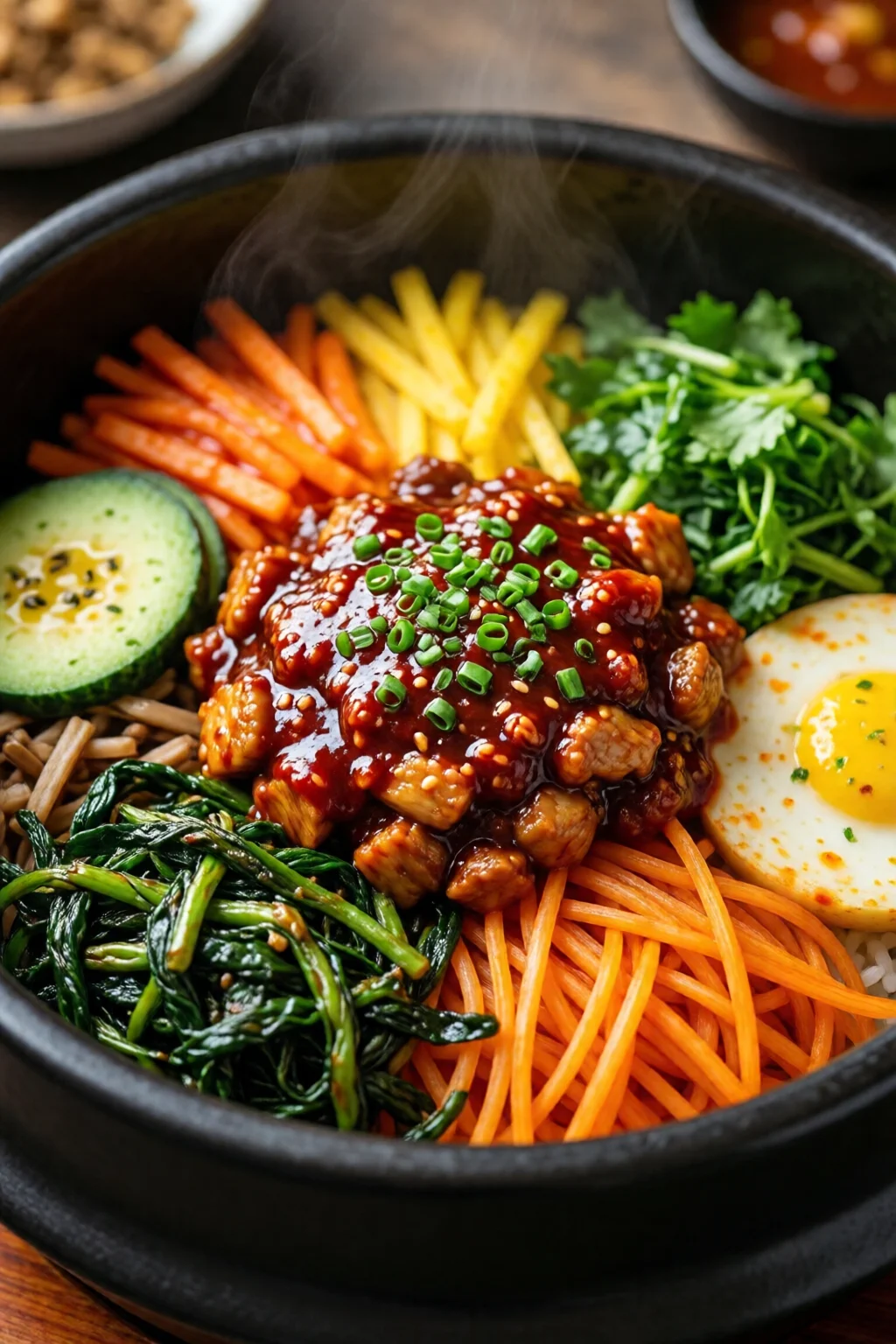
Step 3: Cook the Vegetables
Each vegetable should be sautéed separately to preserve its individual flavor and color. Heat the skillet over medium‑high heat, add ½ tsp sesame oil, and toss in the carrots first. Stir‑fry for 2 minutes, then sprinkle a pinch of sea salt; they should stay crisp‑tender. Remove and repeat with zucchini, mushrooms, bean sprouts, and finally spinach (which wilts in about 30 seconds). For the spinach, after draining excess water with a fine mesh strainer, season with a dash of soy sauce and sesame seeds. One mistake I see often is crowding the pan, which steams the veggies instead of giving them that coveted sear.
Step 4: Prepare the Protein
If using ribeye, pat the slices dry with paper towels (moisture = no sear). Season both sides with sea salt and black pepper. Heat the same skillet, add 1 tsp sesame oil, and lay the meat down in a single layer. Sear for 45 seconds per side for rare, or up to 1 minute for medium‑rare. Slice thinly against the grain; the texture should be melt‑in‑your‑mouth. For tofu, press it for 15 minutes to remove excess water, cut into ½‑inch cubes, toss with a little soy sauce and cornstarch, then fry until golden on all sides. The result is a crisp exterior that holds up under the sauce.
Step 5: Assemble the Bibimbap
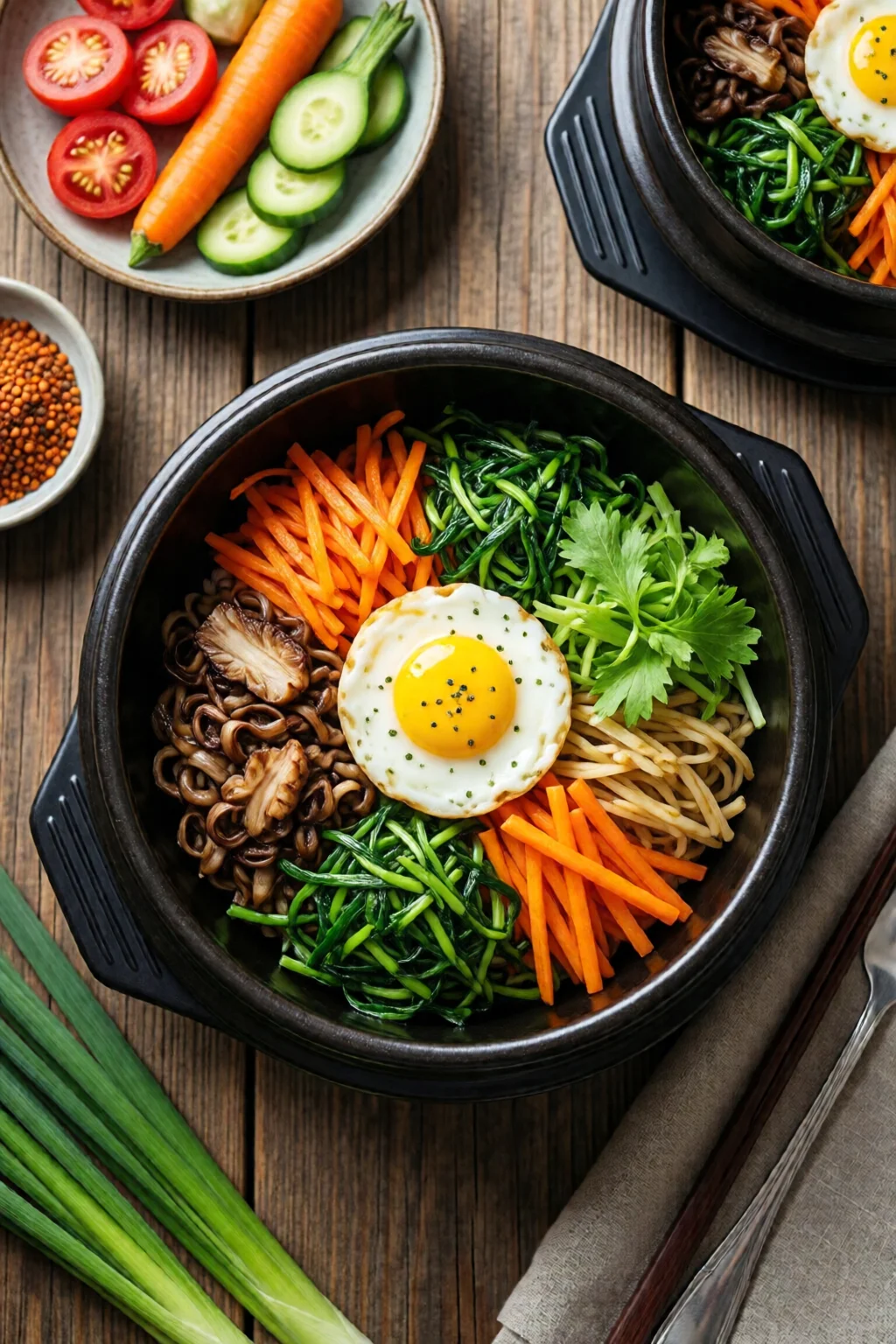
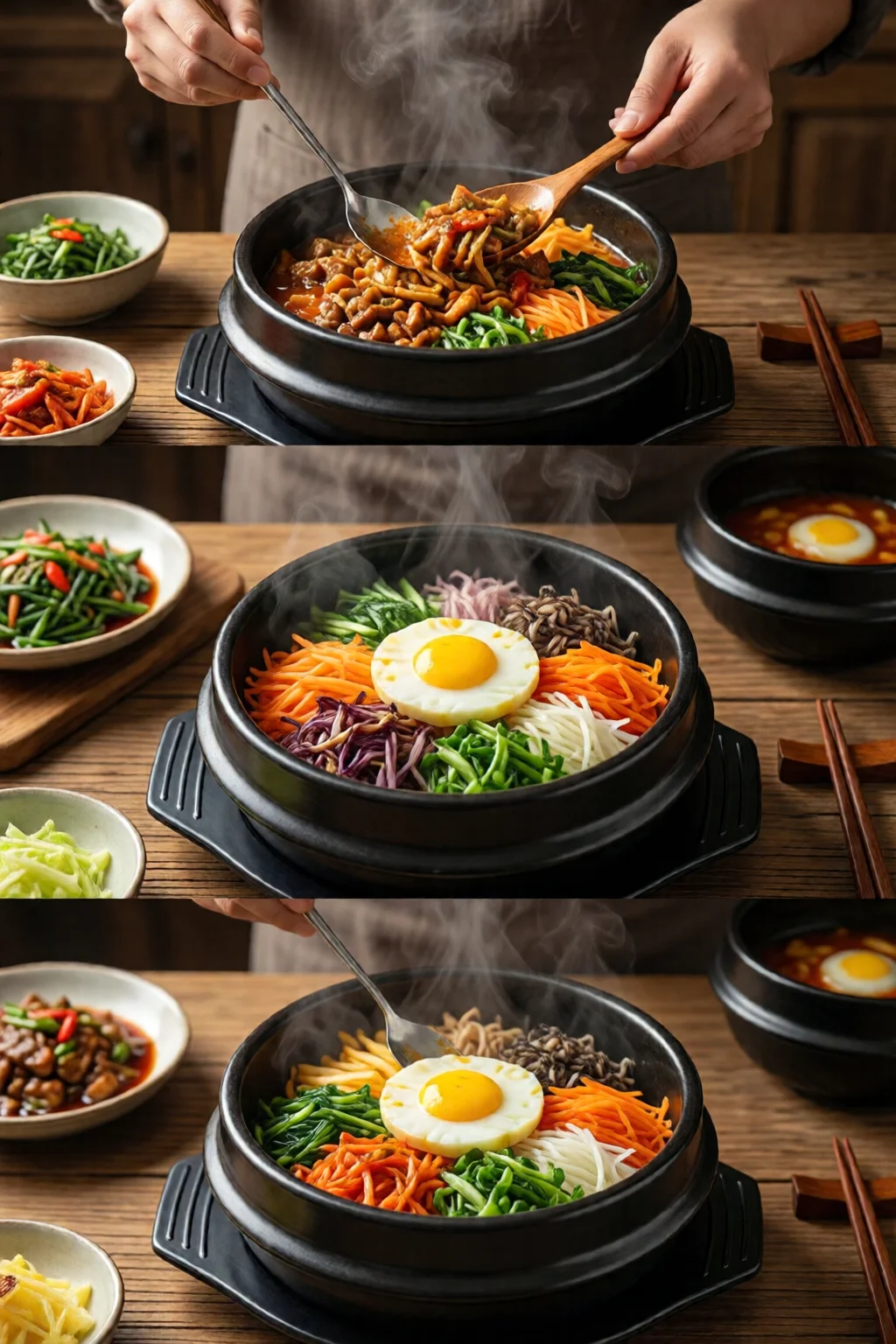
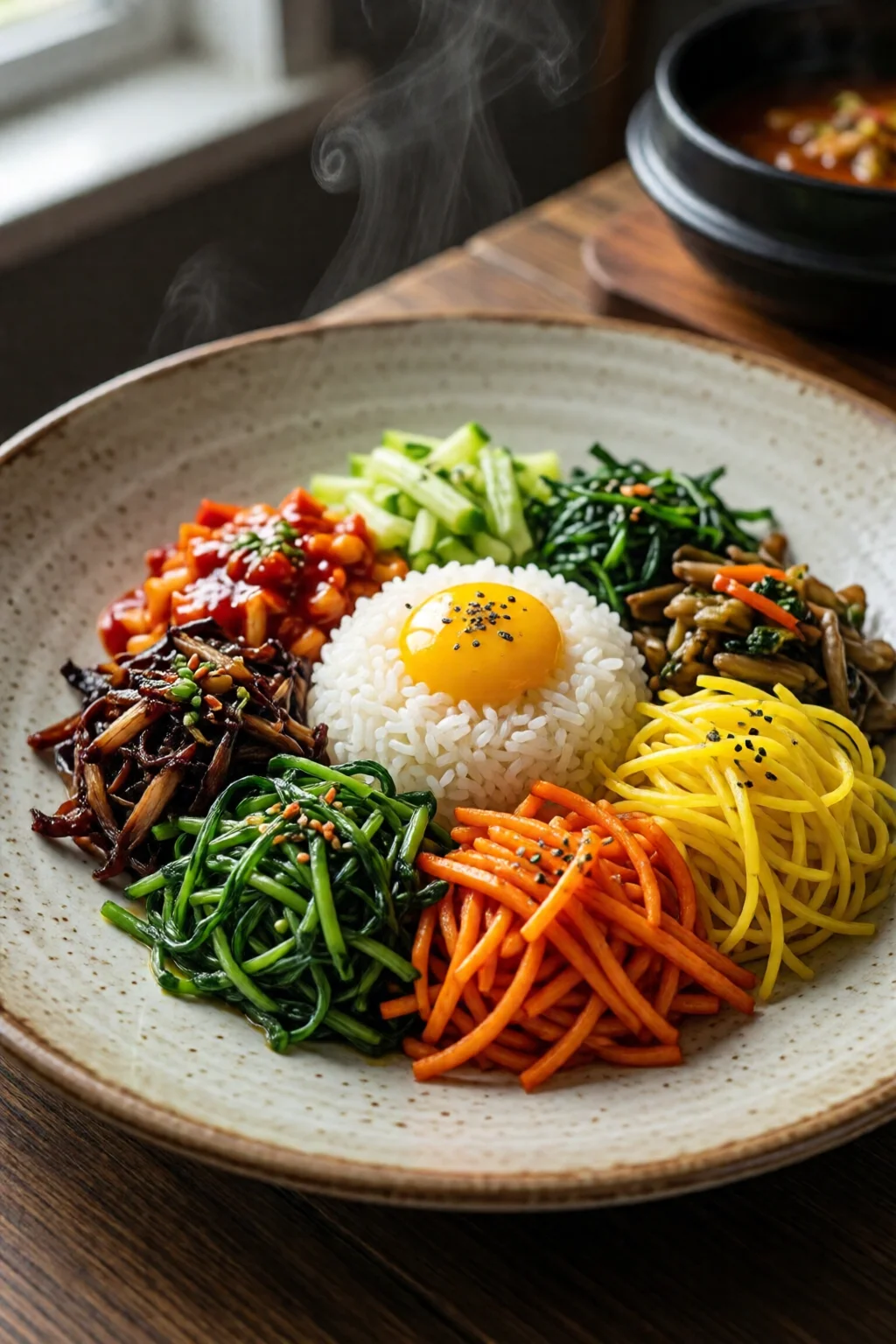
Divide the hot rice among four wide‑rimmed bowls (about 1 ½ cups each). Arrange the sautéed vegetables in separate sections around the bowl, creating a color wheel that looks as good as it tastes. Place the sliced beef or tofu in the center, then drizzle 1–2 tbsp of the gochujang sauce over the top. Finish with a generous sprinkle of toasted sesame seeds and a drizzle of extra sesame oil if you love that nutty aroma. Traditionally, the diner mixes everything together with a sturdy spoon before eating—this distributes the sauce evenly and marries the flavors.
Common Mistakes to Avoid
- Using the wrong rice: Long‑grain basmati or jasmine will give you a fluffy, separate grain that lacks the sticky cohesion essential for bibimbap. Stick to short‑grain japonica.
- Over‑cooking the vegetables: If you leave carrots or zucchini on the heat for more than 3 minutes, they lose their crunch and turn mushy, diluting the texture contrast.
- Skipping the sauce rest: The gochujang mixture needs at least 5 minutes for the sugar to dissolve fully; otherwise you’ll taste grainy sweetness.
- Undercooking the protein: Beef that’s still pink in the middle (beyond rare) can become tough after mixing. Aim for an internal temperature of 130–135 °F (54–57 °C) for optimal tenderness.
- Using too much oil: A drizzle (≈ ½ tsp per vegetable batch) is enough. Excess oil makes the bowl greasy and masks the subtle umami of the soy and sea salt.
Tips for Best Results (Troubleshooting)
Rice texture: If your rice feels dry after resting, lightly mist it with a tablespoon of warm water and cover again for 2 minutes. Conversely, if it’s overly sticky, spread it on a large plate to cool for a few minutes before assembling.
Balancing the gochujang: For a milder heat, blend the gochujang with a tablespoon of plain Greek yogurt; the creaminess tones down the spice without sacrificing depth. For extra heat, stir in ½ tsp of Korean red pepper flakes (gochu‑garu).
Vegetable prep shortcuts: Use a mandoline slicer for uniform carrot and zucchini strips (costs about $25). Uniform thickness ensures even cooking and a more professional look.
Make‑ahead components: You can sauté the vegetables up to 24 hours ahead and store them in airtight containers in the fridge. Reheat briefly in a hot skillet (30 seconds) before assembly to restore their sheen.
Serving ideas: Top your bibimbap with a fried egg (sunny‑side up) for added richness—a classic variation I love on weekend brunches. Pair with a glass of chilled makgeolli (Korean rice wine) or a light lager for a complete Korean dining experience.
For more inspiration on pairing dishes, check out our Indian butter chicken recipe authentic or the Filipino adobo recipe authentic classic. If you’re interested in a completely different culinary journey, our Turkish recipes kebab and meze page offers a delightful contrast.
Summary Conclusion
Mastering an authentic Korean bibimbap recipe is less about exotic ingredients and more about respecting technique: proper rice, distinct vegetable preparations, a balanced gochujang sauce, and a quick sear on the protein. With the ingredients and steps outlined above, you’ll be able to serve a bowl that looks as vibrant as the one you enjoyed in Seoul, and tastes just as harmonious. Remember, the magic happens when each component retains its own character before you mix them together—so take the time to sauté each veggie separately and let the rice rest. Happy cooking, and enjoy every bite of that perfect Korean comfort food!
Can I use brown rice instead of short‑grain rice?
You can, but the texture will change. Brown rice is firmer and less sticky, which means the bowl won’t hold together as well. If you prefer the health benefits, cook the brown rice with a 1:1.5 rice‑to‑water ratio and let it steam longer (about 45 minutes). The flavor remains authentic, though the mouthfeel will be different.
How long can I store the pre‑cooked vegetables?
Stored in airtight containers in the refrigerator, the sautéed vegetables stay fresh for up to 24 hours. Reheat quickly in a hot skillet for 30 seconds to revive their shine before assembling the bibimbap.
What’s a good vegetarian alternative to beef?
Firm tofu works beautifully. Press, cube, coat lightly with soy sauce and cornstarch, then fry until golden. For a mushroom‑based option, use marinated shiitake or king oyster mushrooms sliced thin and quickly seared.
Can I make the gochujang sauce ahead of time?
Yes. The sauce actually improves after a few hours in the fridge as the flavors meld. Keep it in a sealed jar; bring it to room temperature before drizzling over the bowl.
What side dishes pair well with bibimbap?
Traditional sides include kimchi, a small bowl of doenjang jjigae (soybean paste stew), or a simple cucumber‑salt salad. For a sweet contrast, try a slice of easy crepe recipe sweet and savory served with honey.