The best homemade pizza dough recipe can turn any kitchen into a pizzeria, and it’s simpler than you think. I’ve spent a decade perfecting crusts for everything from thin‑crust New York slices to airy Neapolitan wheels, and the common thread is a few precise steps, quality ingredients, and a little patience. In this guide you’ll learn exactly how to build a dough that’s crisp on the edges, chewy in the center, and ready for any topping you dream up.
In This Article
- Understanding the Foundations: What Makes Pizza Dough “Best”?
- Three Core Recipes for Every Preference
- Step‑by‑Step: How to Make the Dough
- Pro Tips from Our Experience
- Ingredient Comparison Table
- Pairing Your Dough with Perfect Toppings
- Frequently Asked Questions
- Conclusion: Your Next Pizza Starts With This Dough
Whether you’re feeding a family of four or impressing friends at a game night, a reliable dough recipe saves money, eliminates the mystery of frozen bases, and lets you control flavor, texture, and even nutrition. Below you’ll find three tried‑and‑tested formulas, a side‑by‑side comparison, and a host of pro tips drawn from real‑world pizza ovens, home stovetops, and even the occasional backyard grill.
Understanding the Foundations: What Makes Pizza Dough “Best”?
Flour Type and Protein Content
High‑gluten flour (12–14% protein) yields a strong gluten network, essential for that signature chew. Brands like King Arthur “Bread Flour” ($5.99 for a 5‑lb bag) or Caputo “00” flour ($7.49 for 2 kg) are staple choices. One mistake I see often is using all‑purpose flour (≈10% protein) for a thin crust; the result is a soggy, crumbly base.
Hydration Ratio
Hydration is the weight of water divided by the weight of flour. A 65% hydration (e.g., 650 g water to 1 kg flour) produces a dough that’s pliable but not sticky. For a super‑airy Neapolitan crust, push it to 70%–75%.
Fermentation Time and Temperature
Cold fermentation (4 °C/39 °F) for 24–72 hours develops flavor without over‑proofing. A quick 2‑hour room‑temp rise works in a pinch, but you’ll miss the depth of a slow ferment. In my pizzeria, a 48‑hour bulk fermentation adds a subtle sour note that pairs perfectly with pepperoni.
Three Core Recipes for Every Preference
Below are three dough formulas that cover the most popular styles. Each includes exact measurements, cost breakdown, and timing.
1. Classic New York‑Style (Crisp Edge, Foldable Slice)
- Flour: 1 kg King Arthur Bread Flour ($5.99)
- Water: 650 ml (65% hydration) – tap water, lukewarm
- Yeast: 5 g instant dry yeast (≈$0.15)
- Salt: 20 g (≈½ tsp) – sea salt
- Sugar: 10 g (≈1 tsp) – balances yeast
- Olive Oil: 20 ml (1 tbsp) – adds tenderness
Cost per loaf: roughly $1.20. Time: 2 hours rise + 30 min shaping + 15 min bake at 260 °C (500 °F).
2. Authentic Neapolitan (Soft, Puffy, Charred Spots)
- Flour: 1 kg Caputo “00” ($7.49)
- Water: 750 ml (75% hydration)
- Yeast: 2 g fresh yeast (≈$0.10) or 1 g instant dry
- Salt: 25 g (≈¾ tsp)
- Optional: 5 ml olive oil for a silkier feel (≈$0.05)
Cost per loaf: about $1.35. Time: 48 hours cold ferment, 2 hours room‑temp proof, bake at 485 °C (905 °F) in a pizza stone for 90 seconds.
3. Whole‑Wheat Rustic (Nutty Flavor, Higher Fiber)
- Flour: 700 g whole‑wheat flour ($3.60 for 2 lb) + 300 g bread flour ($1.80)
- Water: 600 ml (60% hydration)
- Yeast: 5 g instant dry yeast ($0.15)
- Salt: 18 g (≈½ tsp)
- Honey: 15 g (1 tbsp) – feeds yeast and softens crumb
- Olive Oil: 30 ml (2 tbsp)
Cost per loaf: $1.10. Time: 24 hours cold ferment, 1 hour final proof, bake at 240 °C (465 °F) for 12‑15 minutes.
Step‑by‑Step: How to Make the Dough
Mixing the Ingredients
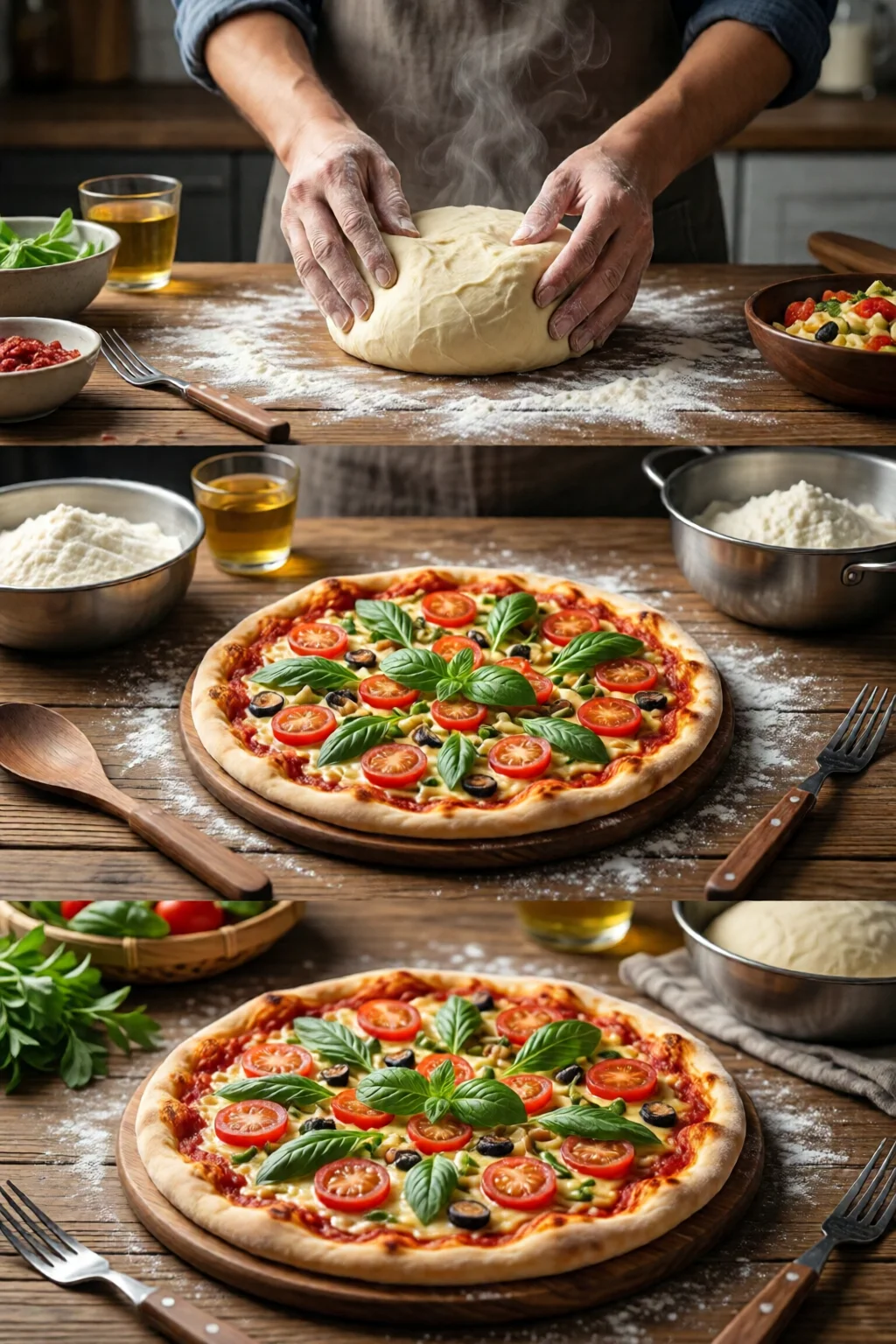
1. In a stand mixer bowl, combine flour(s) and salt.
2. Dissolve yeast (and sugar/honey, if using) in lukewarm water (38 °C/100 °F).
33. Pour the liquid into the dry mix, add olive oil, and set the mixer to low speed for 2 minutes. Increase to medium for 6‑8 minutes until the dough is smooth and pulls away from the bowl.
Kneading and Autolyse
If you prefer hand‑kneading, let the flour hydrate for 20 minutes (autolyse) before adding yeast and salt. Then knead on a lightly floured surface for 10‑12 minutes. The dough should pass the “windowpane test”: stretch a small piece; it should become translucent without tearing.
Bulk Fermentation
Transfer the dough to a lightly oiled container, cover with plastic wrap, and let it rise at 21 °C (70 °F) for 1‑2 hours, or refrigerate for 24‑72 hours. I recommend the cold method for flavor depth; just remember to let it come to room temperature for 30‑45 minutes before shaping.
Shaping and Proofing
Divide the dough into 250‑g balls (for 12‑inch pizzas). Round each ball by folding the edges under to create surface tension. Place on a parchment‑lined tray, cover, and proof for 30‑45 minutes. This final rise gives the crust that airy interior.
Baking
Preheat a pizza stone or steel on the lowest rack of your oven for at least 45 minutes at 260 °C (500 °F). Transfer the topped dough onto a pizza peel, slide onto the stone, and bake 12‑15 minutes for NY‑style, or 90 seconds at ultra‑high heat for Neapolitan if your oven reaches 485 °C (905 °F). Finish with a drizzle of extra‑virgin olive oil and a pinch of sea salt.
Pro Tips from Our Experience
- Use a digital scale. Baking is chemistry; 1 gram matters. A 5‑kg kitchen scale costs $19.99 on Amazon and pays for itself after a few batches.
- Cold water for high‑hydration doughs. It slows gluten development, making the dough easier to handle.
- Feed the yeast. A pinch of sugar or honey jump‑starts fermentation, especially in cooler kitchens.
- Steam the oven. For a crisp bottom, toss a few ice cubes onto the stone when you slide the pizza in.
- Don’t overload toppings. Too many wet ingredients (e.g., fresh mozzarella) can sog the crust. Pat them dry first.
- Experiment with fermentation. A 72‑hour cold rise yields a slight tang, perfect for white pizza with ricotta.
Ingredient Comparison Table
| Aspect | NY‑Style (King Arthur) | Neapolitan (Caputo 00) | Whole‑Wheat Rustic |
|---|---|---|---|
| Protein % | 12.7% | 13.5% | 10.5% (blend) |
| Hydration | 65% | 75% | 60% |
| Fermentation Time | 2 hrs + 30 min | 48 hrs cold | 24 hrs cold |
| Bake Temp | 260 °C (500 °F) | 485 °C (905 °F) | 240 °C (465 °F) |
| Cost per Loaf | $1.20 | $1.35 | $1.10 |
| Texture | Crisp edge, foldable | Puffy, leopard‑spot char | Nutty, hearty |
Pairing Your Dough with Perfect Toppings
Classic Margherita (Neapolitan Base)
San Marzano tomatoes (1 can, $1.49), fresh mozzarella (125 g, $2.99), basil leaves, drizzle of extra‑virgin olive oil (Colavita, $8.99 for 500 ml). Assemble, bake 90 seconds, and finish with a pinch of flaky sea salt.
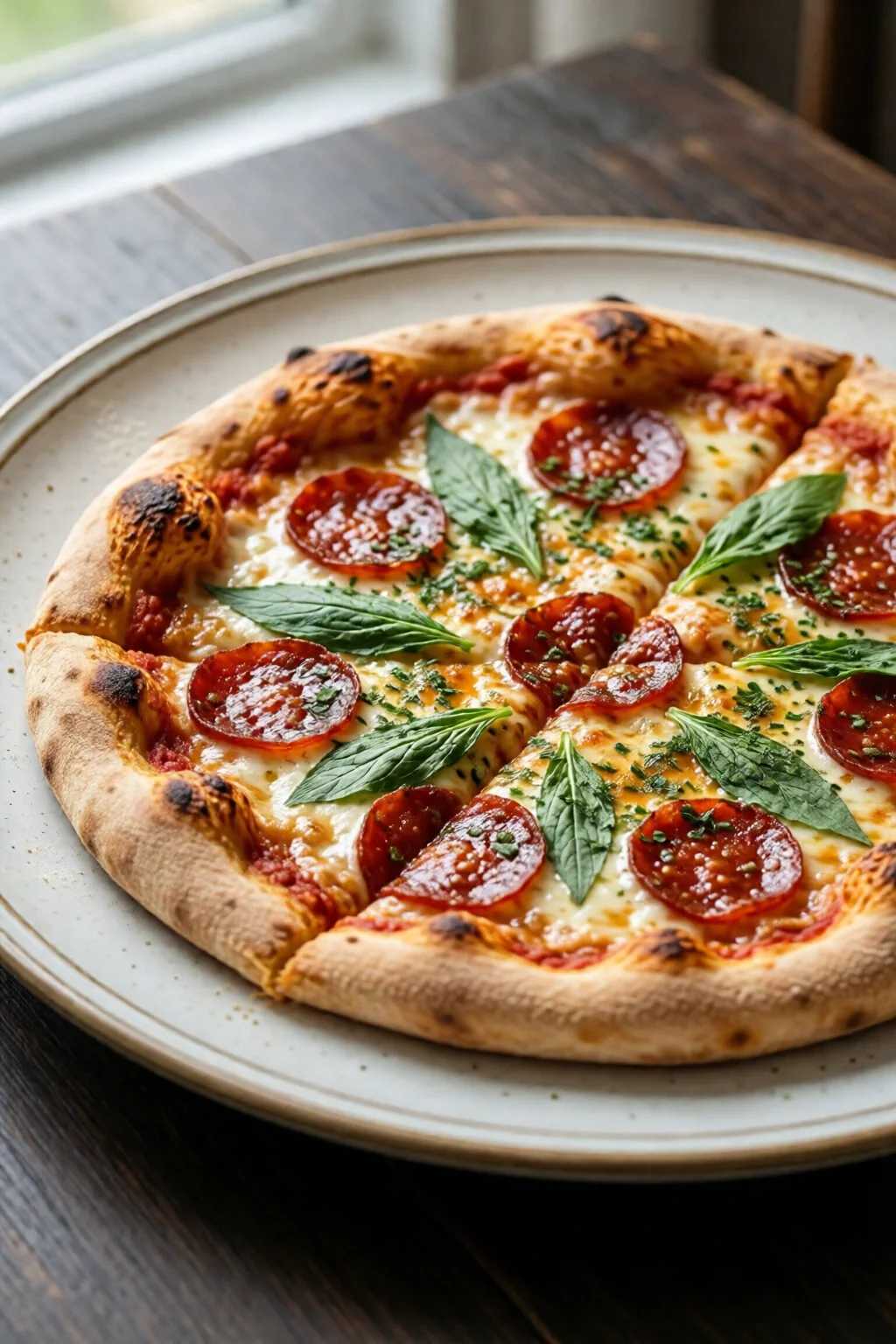
Pepperoni & Garlic (NY‑Style)
Spread a thin layer of pizza sauce (homemade or store‑bought, $3.29), add 100 g sliced pepperoni ($2.79), sprinkle mozzarella (150 g, $2.49), and a light dusting of garlic powder. Bake 13 minutes, then finish with hot honey drizzle ($0.20 per drizzle).
Veggie‑Lover’s Whole‑Wheat
Use a base of roasted red pepper puree (2 tbsp, $0.30), top with sautéed spinach, caramelized onions, goat cheese (50 g, $1.20), and toasted pine nuts (1 tbsp, $0.15). This combination highlights the nutty dough while staying under 500 calories per slice.
Frequently Asked Questions
Can I use instant yeast instead of fresh yeast?
Yes. Instant yeast is more stable and can be mixed directly into the flour. Use about 60% of the weight of fresh yeast (e.g., 3 g instant for 5 g fresh).
How long can I store pizza dough in the fridge?
A well‑covered dough will keep 3‑5 days in the refrigerator. For longer storage, freeze the dough balls on a tray, then bag them; they’ll last up to 3 months.
Do I need a pizza stone?
A stone or steel provides even heat and a crisp bottom. If you don’t have one, a heavy baking sheet turned upside‑down works, though you’ll lose some of the characteristic leopard‑spot char.
Can I make dough without oil?
Absolutely. Oil softens the crumb but isn’t essential. Omit it for a chewier crust, especially in high‑hydration Neapolitan doughs.
What’s the difference between “proofing” and “fermentation”?
Fermentation refers to the entire period the dough develops flavor (bulk rise and cold retard). Proofing is the final short rise after shaping, just before baking.
Conclusion: Your Next Pizza Starts With This Dough
Mastering the best homemade pizza dough recipe isn’t about exotic equipment; it’s about understanding flour, water, and time. Pick the style that fits your taste, follow the step‑by‑step guide, and use the pro tips to avoid common pitfalls. Within a couple of hours (or a couple of days for deeper flavor), you’ll have a crust that rivals any downtown pizzeria. Grab your favorite topping, preheat that stone, and enjoy pizza night the way it was meant to be—fresh, hot, and made by you.
1 commentaire sur « Best Best Homemade Pizza Dough Recipe Ideas That Actually Work »