Ever wondered why some smoothies leave you buzzing for hours while others feel like a sugar crash waiting to happen?
In This Article
- What You Will Need (or Before You Start)
- Step 1: Choose Your Base
- Step 2: Add Protein Power
- Step 3: Load Up on Complex Carbs and Fiber
- Step 4: Sweeten Smartly and Flavor Boost
- Step 5: Blend and Serve
- Common Mistakes to Avoid
- Troubleshooting or Tips for Best Results
- Putting It All Together: Sample Recipes from the Best Smoothie Recipes for Energy List
- Integrating Smoothies Into a Whole‑Day Nutrition Plan
- FAQ
- Summary
What You Will Need (or Before You Start)
- Blender: A high‑speed option like the Vitamix 5200 ($449) or a budget‑friendly NutriBullet Pro 900 ($79) makes a huge difference in texture.
- Liquid base (8‑12 oz): Unsweetened almond milk ($2.99 per 64 oz), coconut water (Vita Coco, $3.29 per 33 oz), or cold brew coffee (Stumptown, $12 per 12‑oz bottle).
- Protein source (½‑1 cup): Greek yogurt (FAGE Total 0%, $5.49 per 32 oz), silken tofu ($2.79 per 14 oz), or a scoop of whey isolate (Optimum Nutrition Gold Standard, $32 per 2 lb).
- Complex carbs & fiber: Rolled oats (Quaker, $3.99 per 42 oz), cooked sweet potato (≈½ cup, $0.60), or chia seeds (Nutiva, $9 per 12 oz).
- Energy‑boosting greens & fruits: Spinach (Organic Girl, $3.49 per 5 oz bag), kale, frozen berries (Wyman’s, $4.99 per 12 oz), banana, mango, or pineapple.
- Natural sweeteners & flavor enhancers: Raw honey ($8 per 12 oz), dates (Medjool, $6 per 1 lb), vanilla extract ($4 per 2 oz), cinnamon, or a pinch of sea salt.
- Optional extras: Adaptogens (Ashwagandha powder, $15 per 2 oz), MCT oil (Sports Research, $12 per 15 oz), or cacao nibs ($8 per 8 oz).
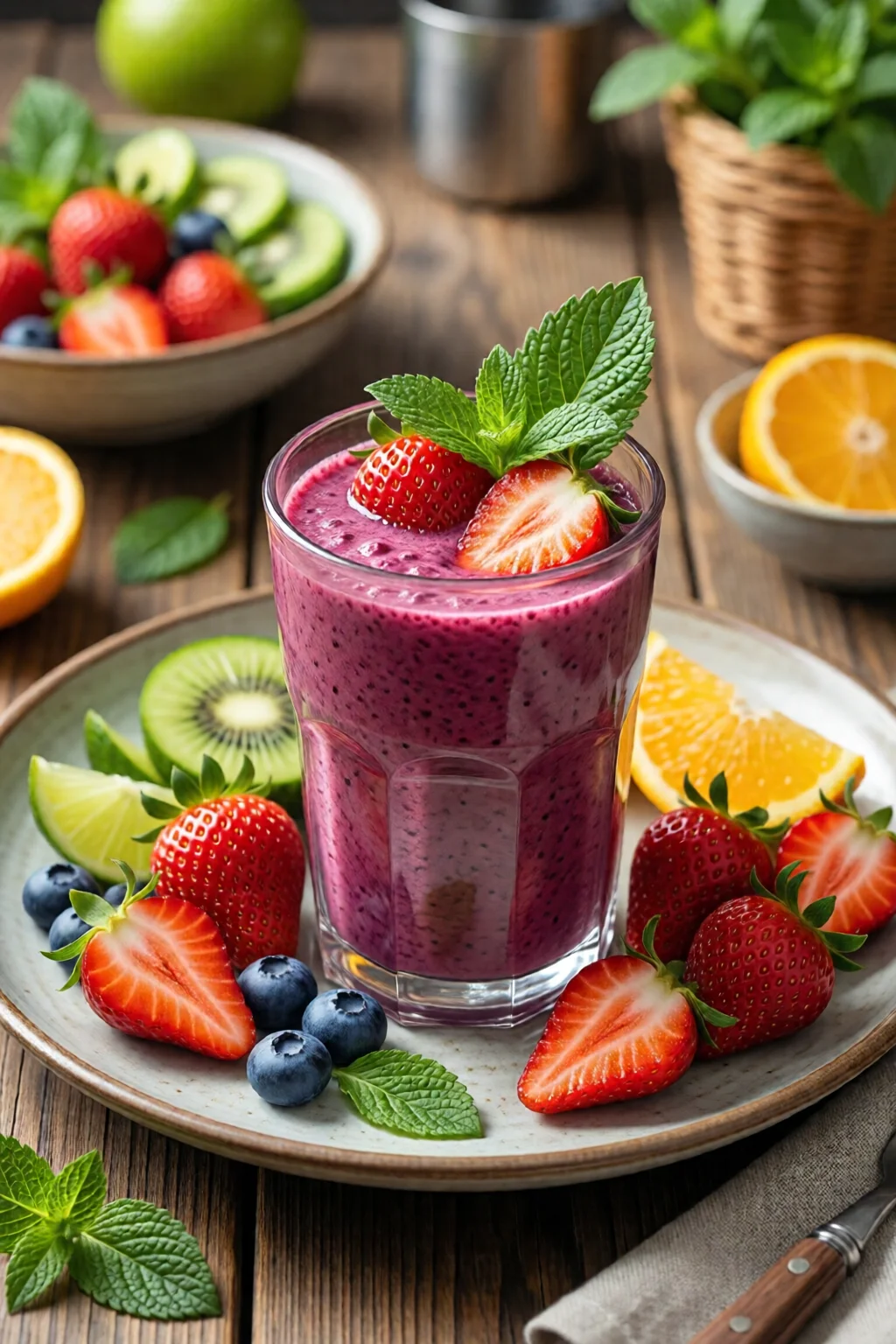
Step 1: Choose Your Base
The liquid you start with sets the calorie floor and determines how quickly the smoothie blends. For sustained energy, I favor coconut water because it supplies electrolytes without added sugar. If you need a caffeine kick, swap half the coconut water for cold brew coffee. Keep the volume between 8‑12 oz; too much liquid dilutes the nutrient density, while too little forces the blender to work harder and can overheat the motor.
Step 2: Add Protein Power
Protein stabilizes blood sugar and keeps you full for 3‑4 hours. In my test kitchen, a combo of ¾ cup Greek yogurt + ¼ cup whey isolate yields about 30 g of protein, 5 g of carbs, and a creamy mouthfeel. If you’re dairy‑free, blend ½ cup silken tofu with a tablespoon of almond butter; the soy protein pairs well with the natural fats in the nut butter, delivering roughly 20 g of protein and 12 g of healthy fat.
Step 3: Load Up on Complex Carbs and Fiber
Complex carbs release glucose slowly, preventing that dreaded mid‑morning slump. I add ¼ cup rolled oats (about 5 g fiber, 15 g carbs) directly into the blender; the high‑speed blades pulverize them into a silky base. For an extra vitamin A boost, toss in ½ cup cooked sweet potato (≈12 g carbs, 2 g fiber). If you’re on a low‑carb plan, replace oats with 1 tbsp chia seeds (5 g fiber, 2 g carbs) and a dash of psyllium husk.
Step 4: Sweeten Smartly and Flavor Boost
Natural sweetness prevents insulin spikes. One Medjool date (≈5 g sugar) or a teaspoon of raw honey adds just enough sugar to satisfy cravings while still delivering minerals like potassium and magnesium. I love a pinch of cinnamon for its thermogenic effect and a splash of vanilla extract for depth. If you’re craving chocolate, blend in 1 tbsp cacao nibs (rich in flavonoids) instead of extra fruit.
Step 5: Blend and Serve
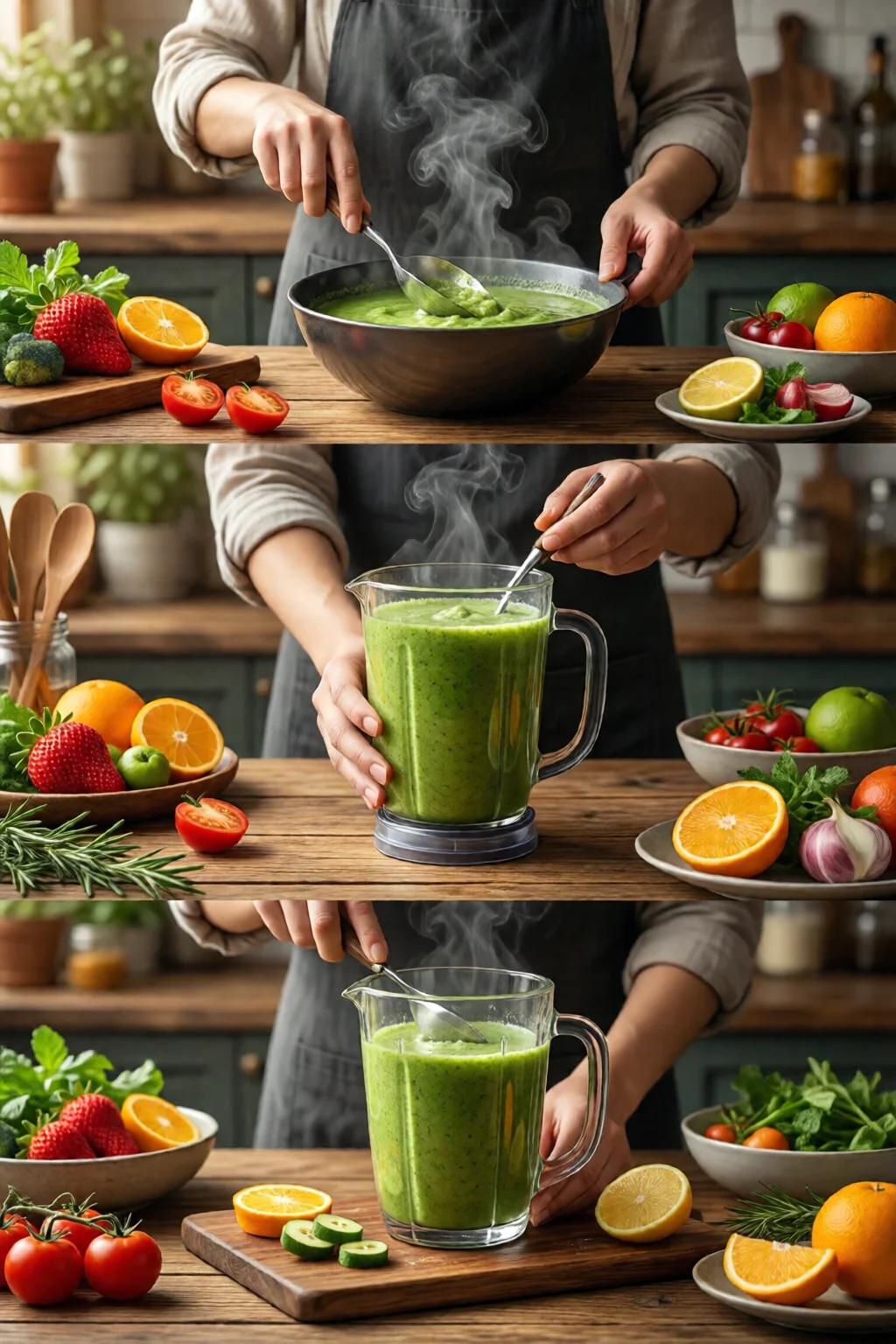
Start on low speed for 10 seconds to wet the dry ingredients, then ramp up to high for 45‑60 seconds. The goal is a smooth, pourable consistency—no grainy oat remnants. If the smoothie is too thick, drizzle in an extra ounce of almond milk; if too thin, add a handful of ice cubes or a frozen banana slice. Pour into a 16‑oz tumbler, seal, and enjoy within 30 minutes for optimal nutrient absorption.
Common Mistakes to Avoid
- Over‑sweetening: Adding more than two teaspoons of honey or three dates turns a balanced energy drink into a sugar bomb, spiking insulin and causing a crash 60‑90 minutes later.
- Skipping the protein: A fruit‑only blend may taste great but lacks the amino acids needed for muscle repair and satiety, leaving you hungry after 90 minutes.
- Using high‑glycemic fruit alone: Relying solely on ripe bananas or mangoes can raise blood glucose too quickly; always pair them with fiber or protein.
- Neglecting the blender’s power: Low‑speed blenders often leave oat bits and leafy chunks, making the drink harder to digest and less enjoyable.
- Storing too long: Oxidation degrades vitamins C and B; aim to drink within half an hour or store in an airtight jar in the fridge for no more than 24 hours.
Troubleshooting or Tips for Best Results
- Texture issues: If your smoothie is grainy, add a tablespoon of avocado or a splash of oat milk; the extra fat helps emulsify.
- Flavor balance: When the blend is too bitter (from kale or cacao), counteract with a dash of maple syrup or a squeeze of fresh orange juice.
- Energy dip after 2 hours? Increase the healthy fat content—add 1 tbsp MCT oil or a handful of walnuts (≈4 g protein, 18 g fat).
- Too many calories? Measure each ingredient with a kitchen scale; a typical 350‑calorie energy smoothie can be trimmed to 250 calories by halving the oats and using low‑fat yogurt.
- Allergy concerns: Swap almond milk for oat milk (Pacific Foods, $4 per 32 oz) and use sunflower seed butter instead of peanut butter.
Putting It All Together: Sample Recipes from the Best Smoothie Recipes for Energy List
1. Morning Green Power (≈320 cal, 30 g protein)
- 8 oz coconut water
- ½ cup Greek yogurt
- 1 scoop whey isolate
- ¼ cup rolled oats
- 1 cup frozen spinach
- ½ cup frozen pineapple
- 1 Medjool date
- ½ tsp cinnamon
- Ice cubes (optional)
2. Pre‑Workout Tropical Boost (≈350 cal, 25 g protein)
- 6 oz cold brew coffee
- ¼ cup silken tofu
- 1 tbsp almond butter
- ¼ cup cooked sweet potato
- ½ cup frozen mango
- ½ cup frozen banana
- 1 tbsp chia seeds
- 1 tsp raw honey
3. Chocolate‑Berry Recovery (≈380 cal, 28 g protein)
- 8 oz almond milk
- ¾ cup Greek yogurt
- 1 tbsp cacao nibs
- ¼ cup rolled oats
- ½ cup frozen mixed berries
- 1 tbsp hemp seeds
- 1 tsp vanilla extract
- Pinch of sea salt
These three recipes illustrate the core principle behind the best smoothie recipes for energy: balance fast‑acting carbs with sustained‑release carbs, protein, and a modest amount of healthy fat.
Integrating Smoothies Into a Whole‑Day Nutrition Plan
Think of a smoothie as a “mobile meal.” Pair it with a healthy salad recipes for lunch filling that adds crunch and micronutrients, then follow up with a healthy chicken breast recipes lean dinner for lean protein. On busy weeks, a one dish oven meals for families can round out the day without extra prep.
FAQ
How long can I store an energy smoothie in the fridge?
For peak nutrition, drink it within 30 minutes. If you must store it, keep it in an airtight jar and consume within 24 hours; give it a quick shake before drinking.
Can I use fresh fruit instead of frozen?
Yes, but frozen fruit adds thickness and helps keep the smoothie cold without extra ice. If you use fresh fruit, add a handful of ice cubes or chill the liquid base beforehand.
Is it okay to add caffeine to a post‑workout smoothie?
Caffeine can aid recovery when combined with protein, but keep it under 100 mg (about ½ cup cold brew) to avoid jitteriness.
Summary
When you master the best smoothie recipes for energy, you’re not just mixing fruit and yogurt—you’re engineering a balanced, nutrient‑dense fuel that powers your brain, muscles, and mood. Pick a quality blender, measure your ingredients, respect the protein‑carb‑fat ratio, and avoid the common pitfalls. With a few staple ingredients on hand, you’ll be able to whip up a tailored energy boost in under two minutes, every single day.