Did you know that 78% of people who start a keto diet give up within the first month because dinner feels like a chore? Let’s flip that statistic on its head by mastering the best keto dinner recipes low carb, so you can enjoy flavorful, satisfying meals without the mental math.
In This Article
- Before You Start: Essentials for Keto Success
- Step 1 – Pick Your Protein Base
- Step 2 – Build a Low‑Carb Base
- Step 3 – Incorporate Low‑Carb Veggies & Aromatics
- Step 4 – Craft a Keto‑Friendly Sauce
- Step 5 – Plate, Garnish, and Serve
- Common Mistakes to Avoid
- Troubleshooting & Tips for Best Results
- FAQ
- Summary
Before You Start: Essentials for Keto Success
In my experience, a well‑stocked pantry is the single biggest factor that keeps a low‑carb dinner routine sustainable. Here’s my go‑to list, complete with price points you can find at most grocery chains:
- Protein: 1 lb (450 g) of Smithfield bacon – $5.99; 2 lb (900 g) of Kirkland Signature chicken thighs – $12.49.
- Healthy Fats: 16 oz (473 ml) of Organic Valley heavy cream – $4.49; 1 cup (240 ml) of avocado oil – $8.99.
- Low‑Carb Veggies: 1 lb (450 g) of cauliflower rice (Bob’s Red Mill) – $3.79; 2 medium zucchini – $1.20.
- Flavor Boosters: 1 tbsp (15 ml) of Worcestershire sauce (Lea & Perrins) – $2.50; 1 tsp (5 ml) of liquid aminos – $0.75.
- Thickening Agent: 1 oz (28 g) of xanthan gum – $3.30.
Grab a Instant Pot Duo 6‑qt ($99 on sale at Target) or a sturdy 12‑inch cast‑iron skillet (Lodge, $45) – these tools make most keto dinner recipes low carb a breeze.
Step 1 – Pick Your Protein Base
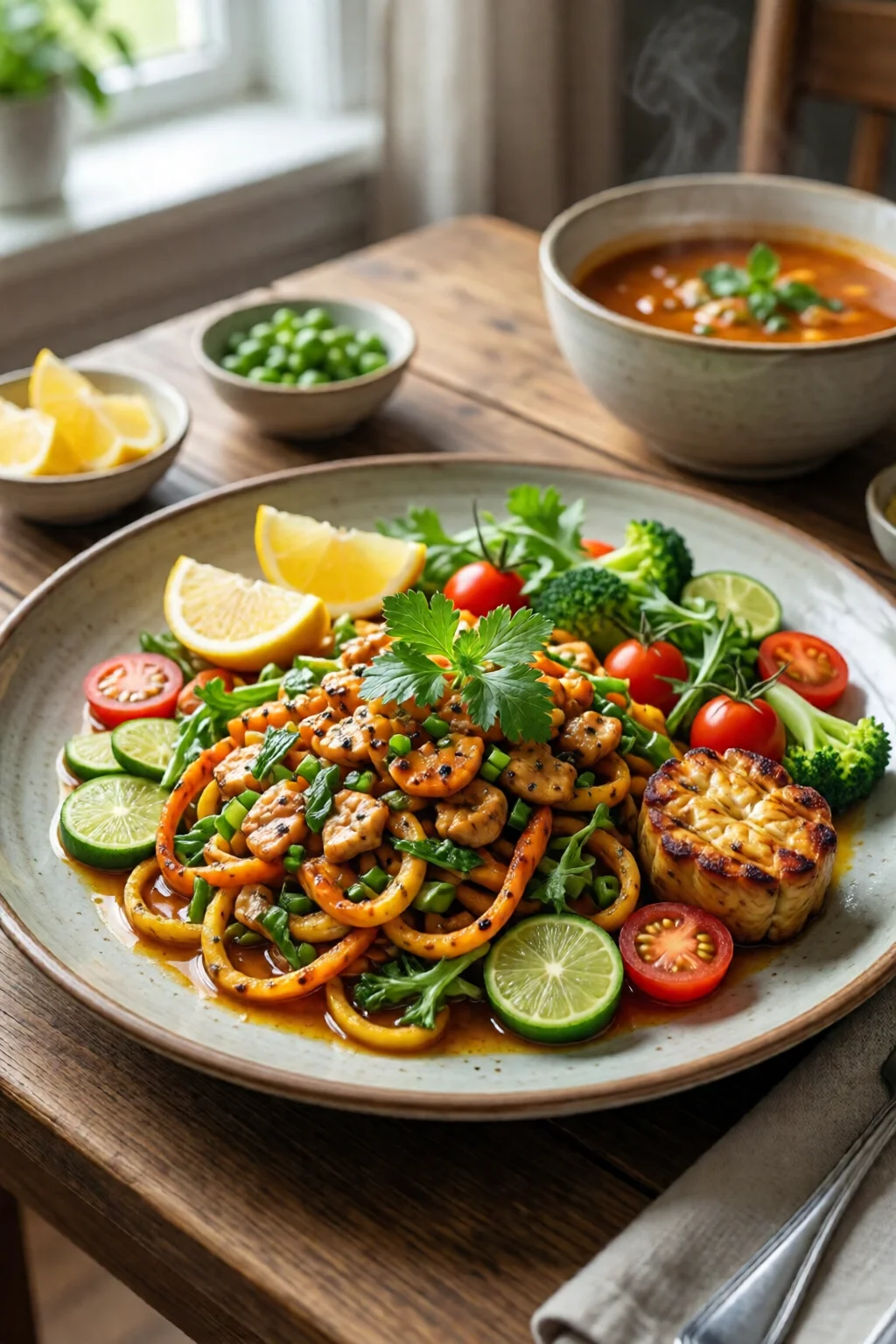
The foundation of any keto dinner is a high‑fat, moderate‑protein source. I recommend rotating between three categories to keep things interesting:
- Fatty cuts of meat: Ribeye steak (12 oz, $9.99) or pork belly (1 lb, $6.50).
- Poultry with skin: Chicken thighs (2 lb, $12.49) – the skin adds the needed fat.
- Seafood: Wild‑caught salmon (6 oz, $7.99) – rich in omega‑3s.
Season liberally with salt, pepper, and a pinch of smoked paprika. If you’re using the Instant Pot, sear on “Sauté” for 2 minutes per side to lock in flavor.
Step 2 – Build a Low‑Carb Base
While the protein rests, create a vegetable “rice” that mimics traditional starches. I love cauliflower rice because it cooks in under 5 minutes and stays under 2 g net carbs per cup.
- Heat 2 tbsp (30 ml) of avocado oil in your skillet over medium‑high heat.
- Add 1 lb (450 g) of cauliflower rice, stirring constantly for 3‑4 minutes.
- Season with ½ tsp (2.5 ml) garlic powder and a pinch of sea salt.
If you prefer a softer texture, cover the pan for the last minute; the steam will do the trick without adding any carbs.
Step 3 – Incorporate Low‑Carb Veggies & Aromatics
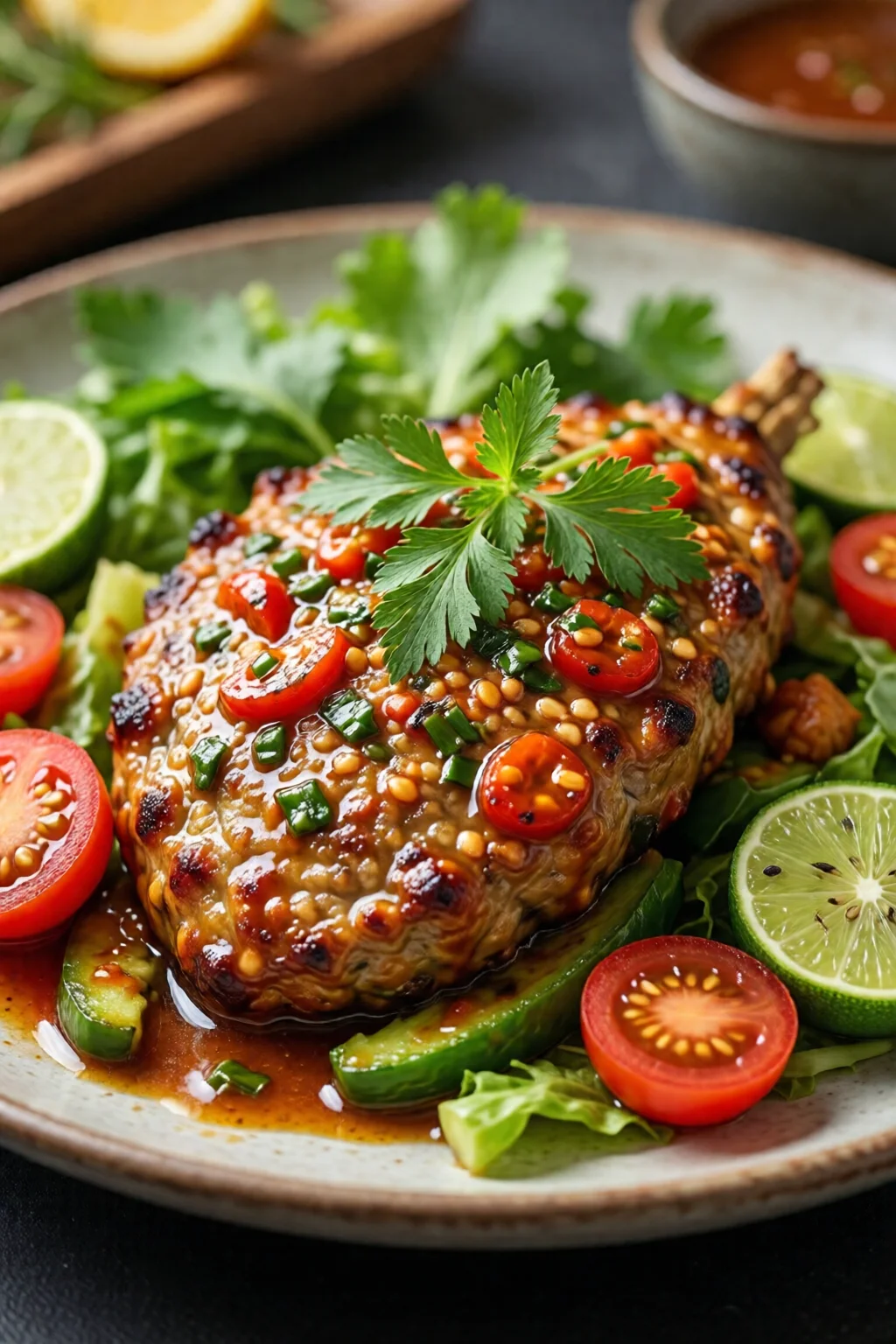
Adding color and fiber is crucial for digestion and satiety. Slice two medium zucchini into half‑moons and toss them in with the cauliflower rice for the final 2 minutes. I always finish with a handful of fresh spinach (≈ 0.5 g net carbs) – it wilts instantly and adds a bright note.
For an extra flavor punch, deglaze the pan with ¼ cup (60 ml) of chicken broth (Swanson, $2.99 per 32‑oz carton) and a splash of liquid aminos.
Step 4 – Craft a Keto‑Friendly Sauce
A creamy sauce can turn a simple stir‑fry into a restaurant‑quality dish. Here’s my go‑to “Garlic‑Butter Cream” that stays under 1 g net carbs per serving:
- Reduce heat to low; add 3 tbsp (45 g) of unsalted butter (Kerrygold, $4.79 per 8‑oz). Melt completely.
- Stir in 2 cloves minced garlic and sauté for 30 seconds.
- Whisk in ½ cup (120 ml) of heavy cream and simmer 2 minutes.
- Season with ¼ tsp (1.25 ml) mustard powder, salt, and pepper.
- If the sauce thickens too quickly, thin with 2 tbsp (30 ml) of water; if too thin, sprinkle a pinch of xanthan gum and whisk vigorously.
Pour the sauce over your protein and veg mixture, letting everything mingle for another minute.
Step 5 – Plate, Garnish, and Serve
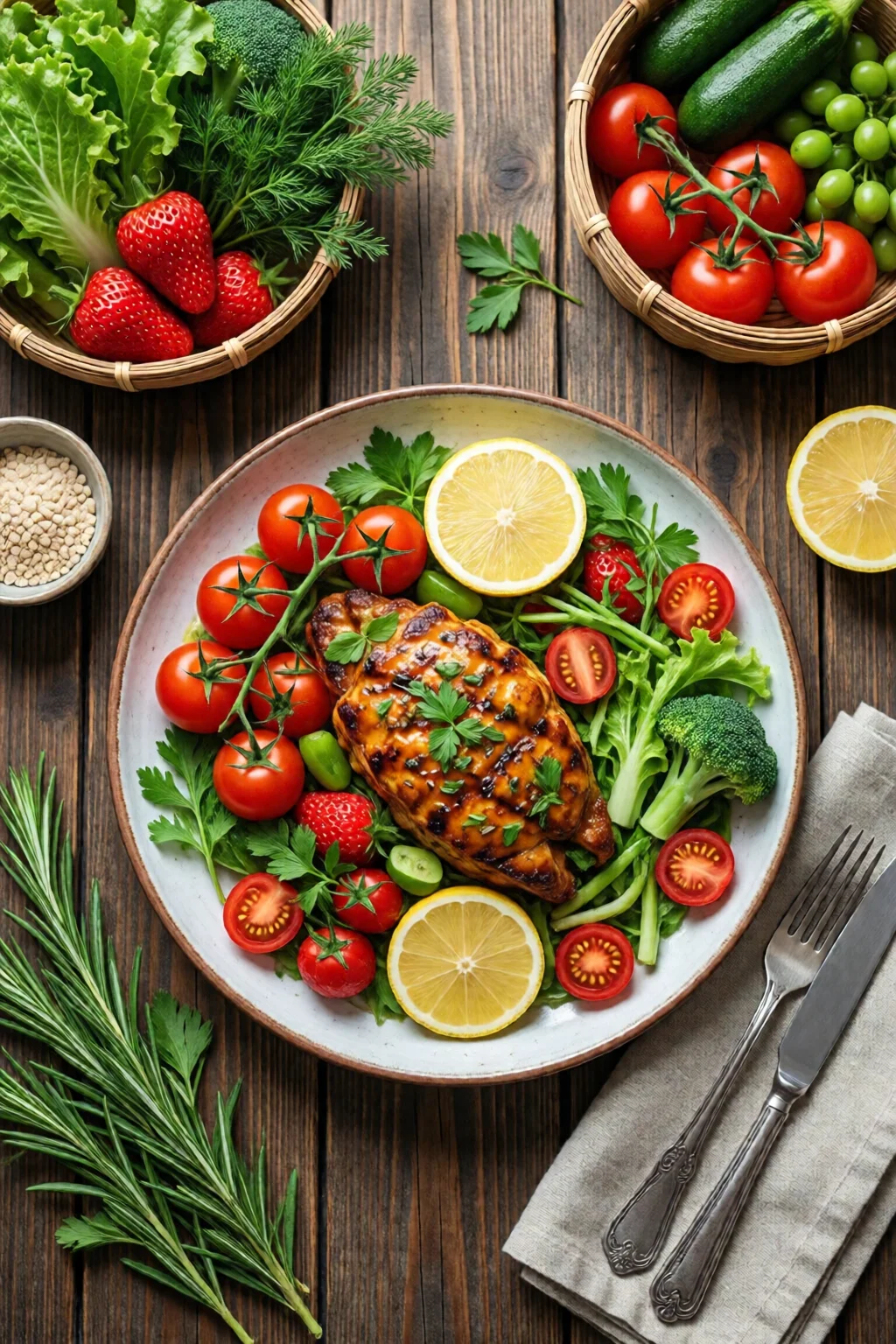
Presentation matters, even on a low‑carb diet. I recommend:
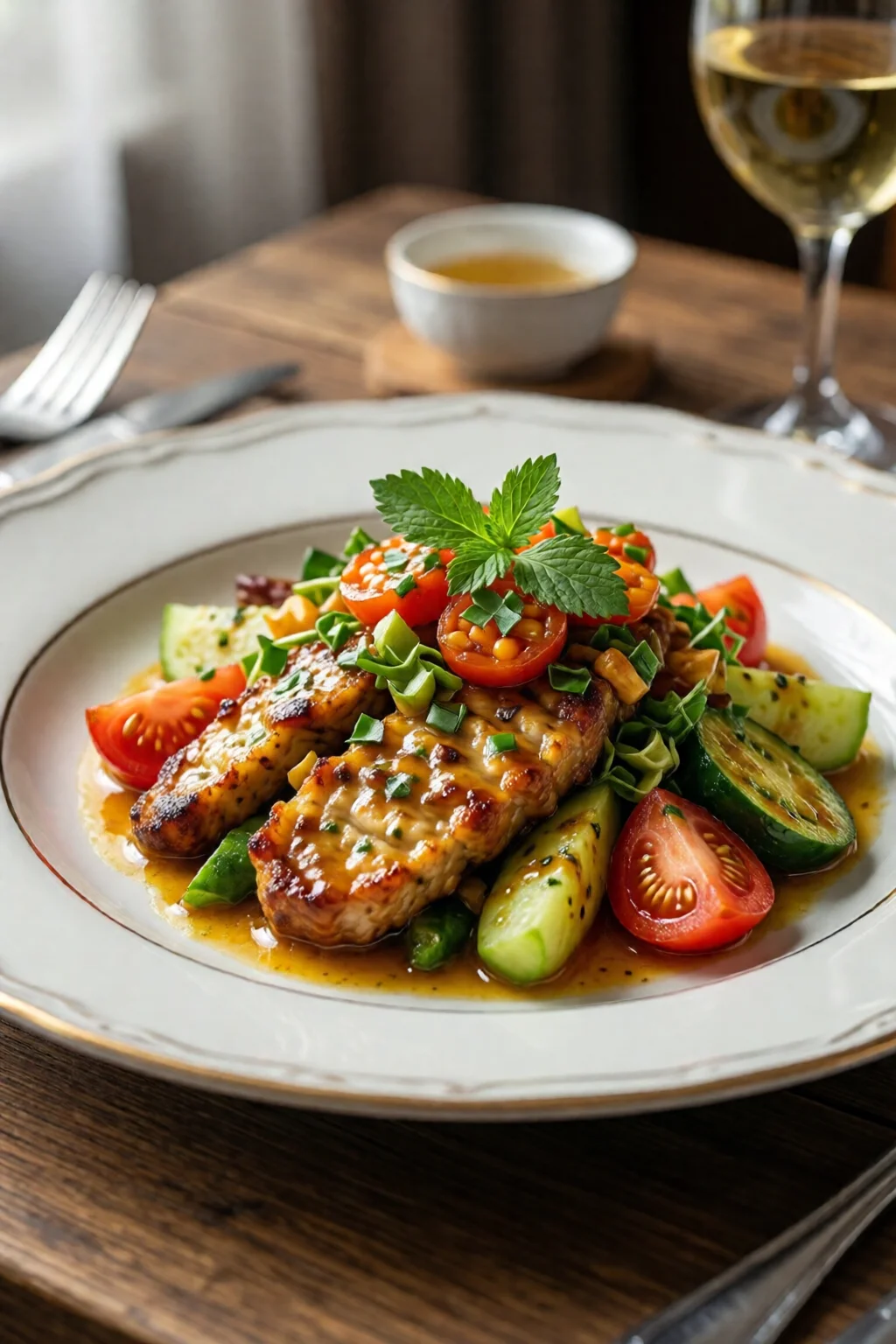
- Placing the cauliflower‑zucchini “rice” as a base.
- Arranging sliced steak or chicken on top.
- Drizzling the garlic‑butter cream sauce around the plate.
- Finishing with freshly chopped parsley (≈ 0.2 g carbs) and a squeeze of lemon juice for acidity.
Serve immediately while the sauce is still glossy. Pair with a side of healthy snack ideas for weight loss if you need extra calories.
Common Mistakes to Avoid
Even seasoned keto cooks slip up. Here are the pitfalls I see most often, plus quick fixes:
- Hidden carbs in sauces: Store‑bought marinara can contain 5‑g net carbs per ¼‑cup. Opt for homemade tomato paste diluted with broth.
- Over‑cooking protein: Dry chicken is a dinner disaster. Use a meat thermometer – 165°F (74°C) is the sweet spot.
- Neglecting electrolytes: Low‑carb diets flush sodium. Sprinkle an extra ¼ tsp (1.25 ml) of sea salt on finished dishes.
- Using too much oil: While fats are keto‑friendly, excess oil adds unwanted calories. Measure with a kitchen scale (1 oz = 28 g).
- Skipping the rest period: Let meat rest 5 minutes after cooking; juices redistribute, keeping it moist.
Troubleshooting & Tips for Best Results
If your sauce separates, whisk in a cold 1 tbsp (15 ml) of heavy cream rapidly – the fat will emulsify. For a thicker texture without carbs, blend 1 tsp (5 ml) of cream cheese into the sauce; it adds richness and a silky mouthfeel.
When cauliflower rice gets soggy, spread it on a parchment sheet and roast at 425°F (220°C) for 8 minutes; the extra crunch mimics a grain base.
To keep meals exciting, rotate herbs: rosemary for lamb, dill for salmon, or cilantro for chicken. Each switch adds a new aroma profile without any carb impact.
FAQ
How many net carbs should a keto dinner contain?
Aim for 5 g or fewer net carbs per plate. This usually means 1‑2 cups of low‑carb veggies, a protein portion (4‑6 oz), and a sauce made with cream or butter rather than sugar‑laden condiments.
Can I meal‑prep the best keto dinner recipes low carb for the week?
Absolutely. Cook the protein in bulk, portion cauliflower rice into freezer‑safe containers, and keep sauces separate. Reheat in the microwave (1‑2 minutes) or a skillet, then combine.
What’s a quick keto dinner when I’m short on time?
Use pre‑riced cauliflower (about $3.79 for a bag) and pre‑cooked rotisserie chicken (≈ $7.99). Toss together with a splash of heavy cream and a handful of shredded cheese; you have a creamy casserole in under 10 minutes.
Do keto dinner recipes need to include dairy?
No. While dairy like heavy cream or cheese adds flavor and fat, you can substitute coconut cream, ghee, or avocado oil for a dairy‑free version without increasing carbs.
Summary
Mastering the best keto dinner recipes low carb is less about strict restrictions and more about strategic ingredient choices, proper tools, and a few proven techniques. Stock the pantry items listed, follow the five‑step method, dodge the common pitfalls, and you’ll have a rotating menu of restaurant‑grade meals that keep you in ketosis, satisfied, and—most importantly—eager to cook again.
2 commentaires sur « How to Best Keto Dinner Recipes Low Carb (Expert Tips) »