Did you know that the average American consumes about 13.5 oatmeal cookies per year, yet less than 2% of home bakers report getting that perfect chewy‑and‑soft texture every time? Let’s change that statistic for you.
In This Article
- What You Will Need (or Before You Start)
- Step 1 – Combine the Dry Ingredients
- Step 2 – Cream the Butter and Sugars
- Step 3 – Incorporate Egg and Vanilla
- Step 4 – Add Oats and Optional Mix‑Ins
- Step 5 – Chill the Dough (The Secret to Chewiness)
- Step 6 – Shape and Bake
- Step 7 – Store for Maximum Softness
- Common Mistakes to Avoid
- Troubleshooting & Tips for Best Results
- Summary
What You Will Need (or Before You Start)
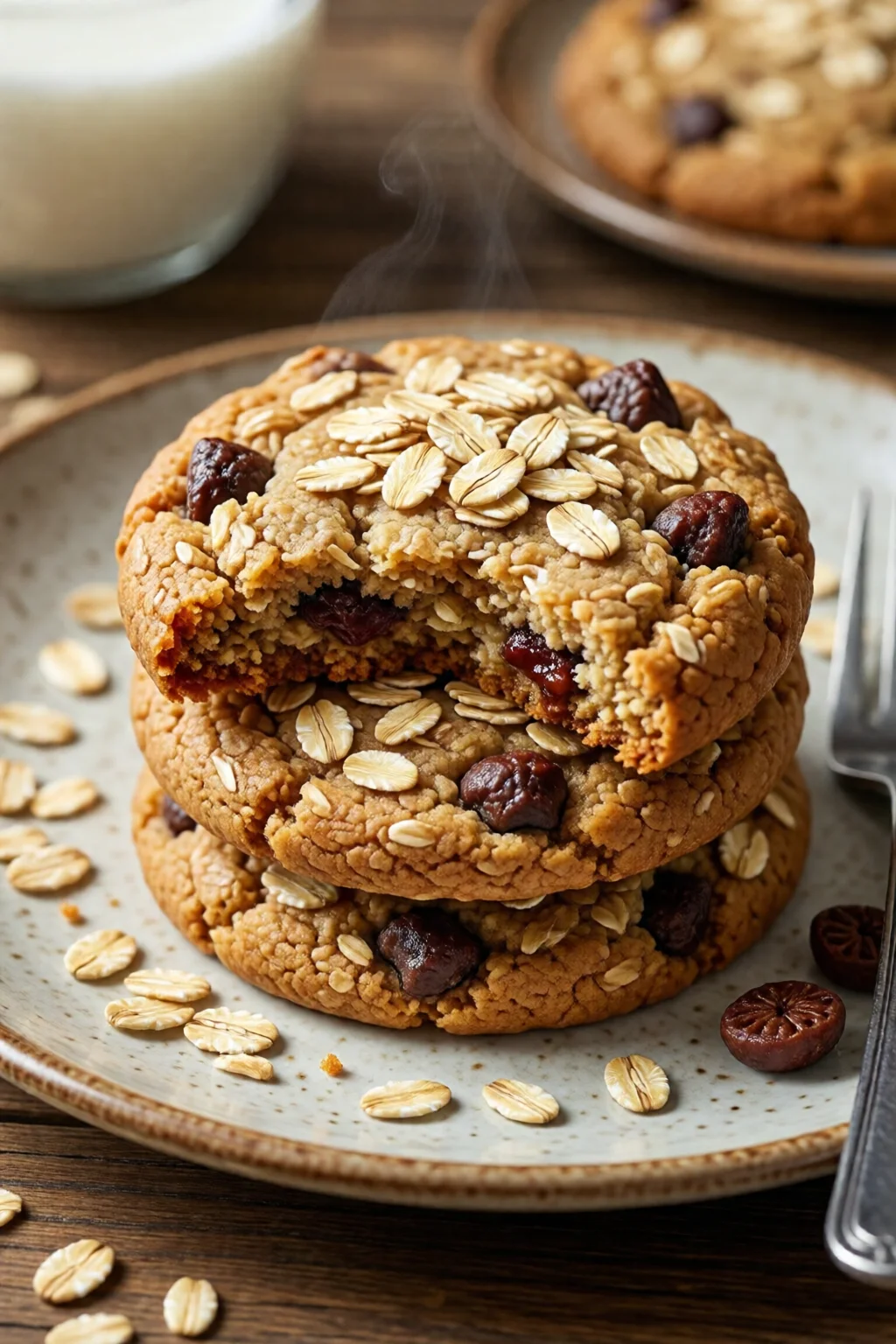
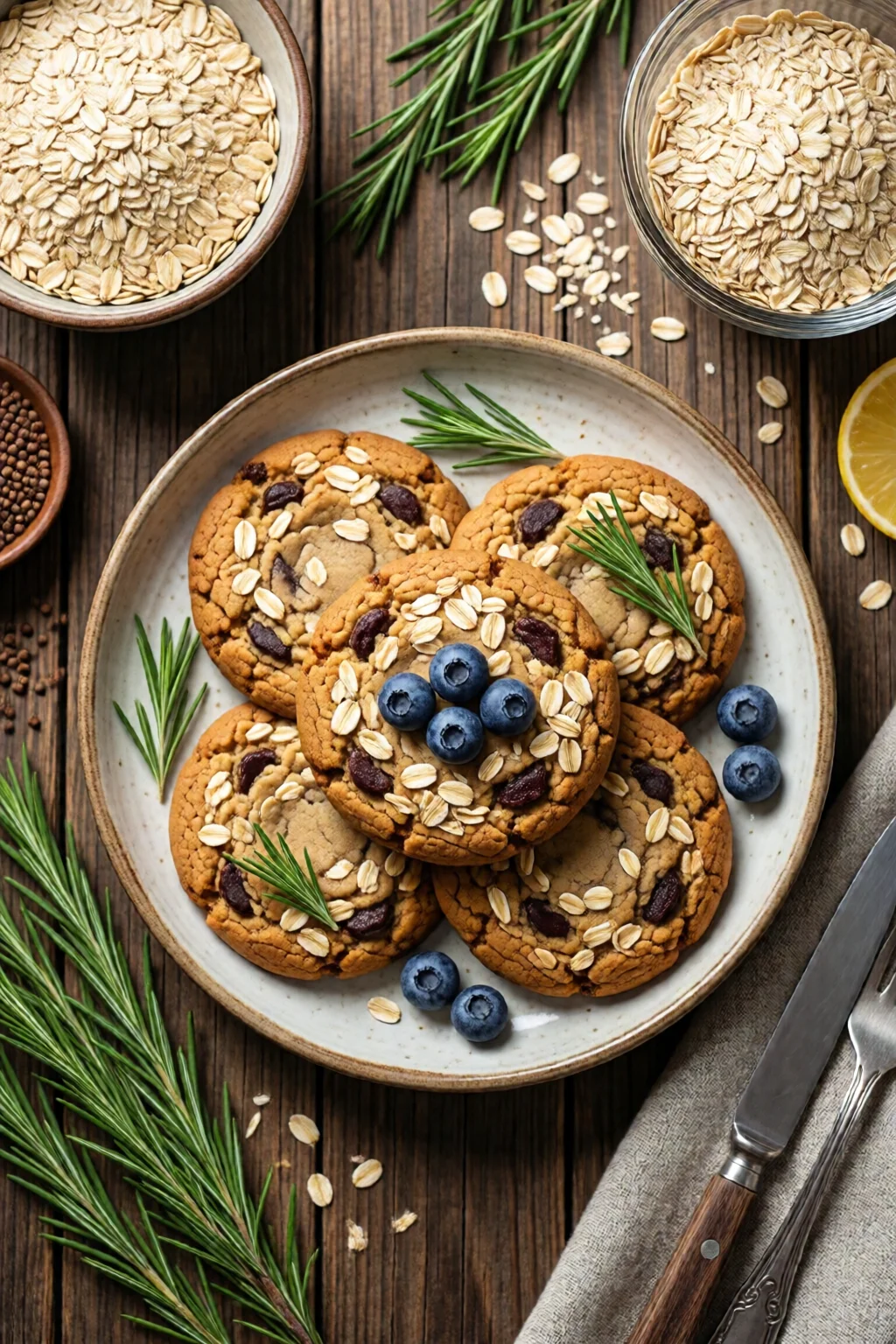
- 1 ½ cups (188 g) rolled oats – I prefer Quaker Old Fashioned Oats ($3.29 per 42‑oz container).
- ¾ cup (95 g) all‑purpose flour – King Arthur Unbleached, about $0.45 per cup.
- ½ cup (115 g) unsalted butter, softened – use a high‑quality European butter like Kerrygold for richer flavor ($4.99 per 8‑oz).
- ¼ cup (55 g) light brown sugar, packed – 1 lb bag is roughly $1.20.
- ¼ cup (50 g) granulated sugar – a standard 4‑lb bag costs $0.80.
- 1 large egg, at room temperature.
- 1 tsp pure vanilla extract – Nielsen’s Pure Vanilla, $6.99 for 2 oz.
- ½ tsp baking soda.
- ¼ tsp baking powder.
- ¼ tsp salt.
- ½ cup (80 g) raisins or chocolate chips – optional but highly recommended. A 12‑oz bag of semi‑sweet chips is $3.50.
- Optional: 1 tbsp melted brown butter for extra chew (adds about $0.30 in butter cost).
Gather these items, preheat your oven to 350°F (175°C), and line two baking sheets with parchment or a silicone mat. The preparation will take roughly 15 minutes, and baking adds another 10‑12 minutes per batch.
Step 1 – Combine the Dry Ingredients
In a medium bowl, whisk together the flour, baking soda, baking powder, and salt. This ensures the leavening agents are evenly distributed, preventing any flat spots in the final cookie. Set the bowl aside; you’ll notice a subtle aroma of the flour as you stir.
Step 2 – Cream the Butter and Sugars
Using a stand mixer fitted with the paddle attachment (or a handheld electric mixer), beat the softened Kerrygold butter on medium speed for about 2 minutes until it’s pale and fluffy. Add the light brown sugar and granulated sugar, then continue beating for another 2‑3 minutes. The mixture should look glossy and have increased in volume. If you’re using the optional brown‑butter shortcut, melt the butter in a small saucepan, let it cool to warm, and incorporate it now for a deeper caramel note.
Step 3 – Incorporate Egg and Vanilla
Crack the room‑temperature egg into the butter‑sugar blend, then pour in the vanilla extract. Beat on low speed just until the egg is fully incorporated; over‑mixing can introduce too much air, which leads to a cakey texture instead of the desired chew.
Step 4 – Add Oats and Optional Mix‑Ins
Turn the mixer to low and gradually add the rolled oats, followed by the flour mixture you set aside. Scrape down the sides of the bowl with a rubber spatula to ensure everything is evenly coated. Finally, fold in the raisins or chocolate chips by hand. The dough should be thick but slightly sticky; if it feels dry, add a teaspoon of milk.
Step 5 – Chill the Dough (The Secret to Chewiness)
Cover the bowl with plastic wrap and refrigerate for at least 30 minutes. Chilling solidifies the fat, which slows spread during baking and yields a thicker, chewier center. In my kitchen, a 45‑minute chill gives the best balance between convenience and texture.
Step 6 – Shape and Bake
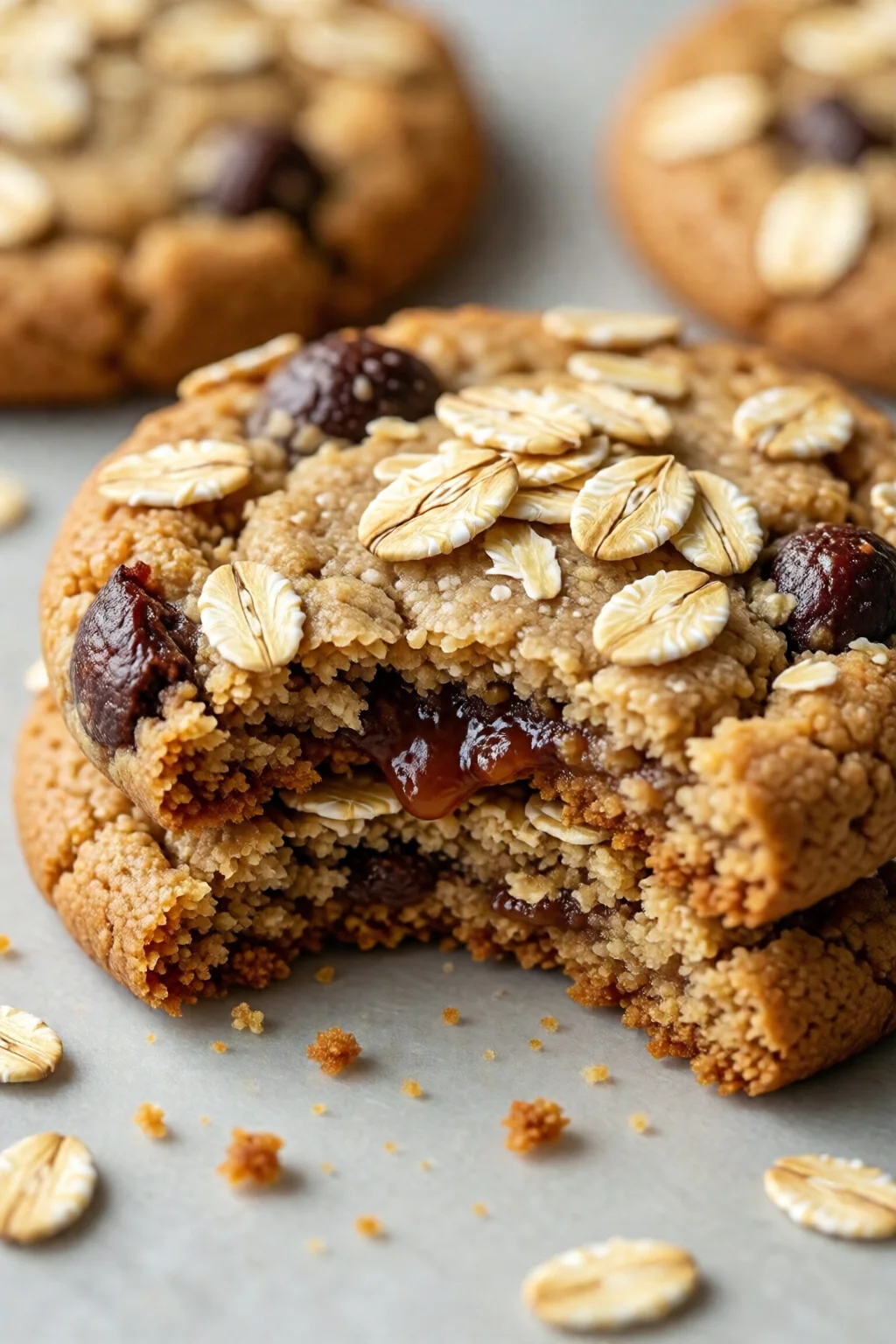
Using a cookie scoop (I use a 1.5‑ounce OXO Good Grips scoop, $8.99), portion out dough onto the prepared sheets, spacing them about 2 inches apart. Gently flatten each mound with the back of a spoon; you want a slight dome rather than a flat disc. Bake for 10‑12 minutes, rotating the sheet halfway through. The edges should be lightly golden while the centers remain soft.
Remove from the oven and let the cookies rest on the sheet for 2 minutes before transferring to a wire rack. This step lets residual heat finish the cooking process without drying them out.
Step 7 – Store for Maximum Softness
Once cooled, store the cookies in an airtight container with a slice of fresh bread or a couple of marshmallows. The moisture from the bread keeps the cookies soft for up to a week. For longer storage, freeze in a zip‑top bag; they thaw perfectly in the microwave for 10‑seconds.
Common Mistakes to Avoid
- Using quick‑cooking oats. They break down too much, producing a crumbly cookie. Stick with rolled oats.
- Skipping the chill. Without chilling, the butter spreads too quickly, resulting in thin, crispy edges.
- Over‑mixing after adding flour. This develops gluten, making the cookie tough rather than chewy.
- Too high oven temperature. Baking at 375°F causes the exterior to set before the interior can stay soft.
- Measuring flour by scoop instead of weight. A packed cup can add up to 30 g extra flour, drying out the dough.
Troubleshooting & Tips for Best Results
Cookies are too cakey? Reduce the flour by 2‑tablespoons and increase the brown sugar by the same amount; the extra moisture from the molasses in brown sugar encourages chew.
Edges are too hard? Lower the oven to 325°F and add a tablespoon of honey to the wet mixture. Honey retains moisture during baking.
They spread too much? Increase the butter chill time to 1 hour or add an extra 1‑2 tablespoons of oats to absorb excess butter.
Want a deeper flavor? Swap half the butter for melted brown butter, or add ½ tsp cinnamon and a pinch of nutmeg.
For variations, check out our easy cake recipes from scratch for a complementary dessert, or explore no bake dessert recipes quick for a lighter finish after your cookies.
If you love banana bread, try pairing these cookies with our easy banana bread recipe moist for a breakfast‑snack combo. And for a savory twist, serve them alongside a slice of pizza made from the best homemade pizza dough recipe. Planning a one‑pan dinner? Our sheet pan dinner recipes ideas pair perfectly with a glass of milk and these soft, chewy treats.
Summary
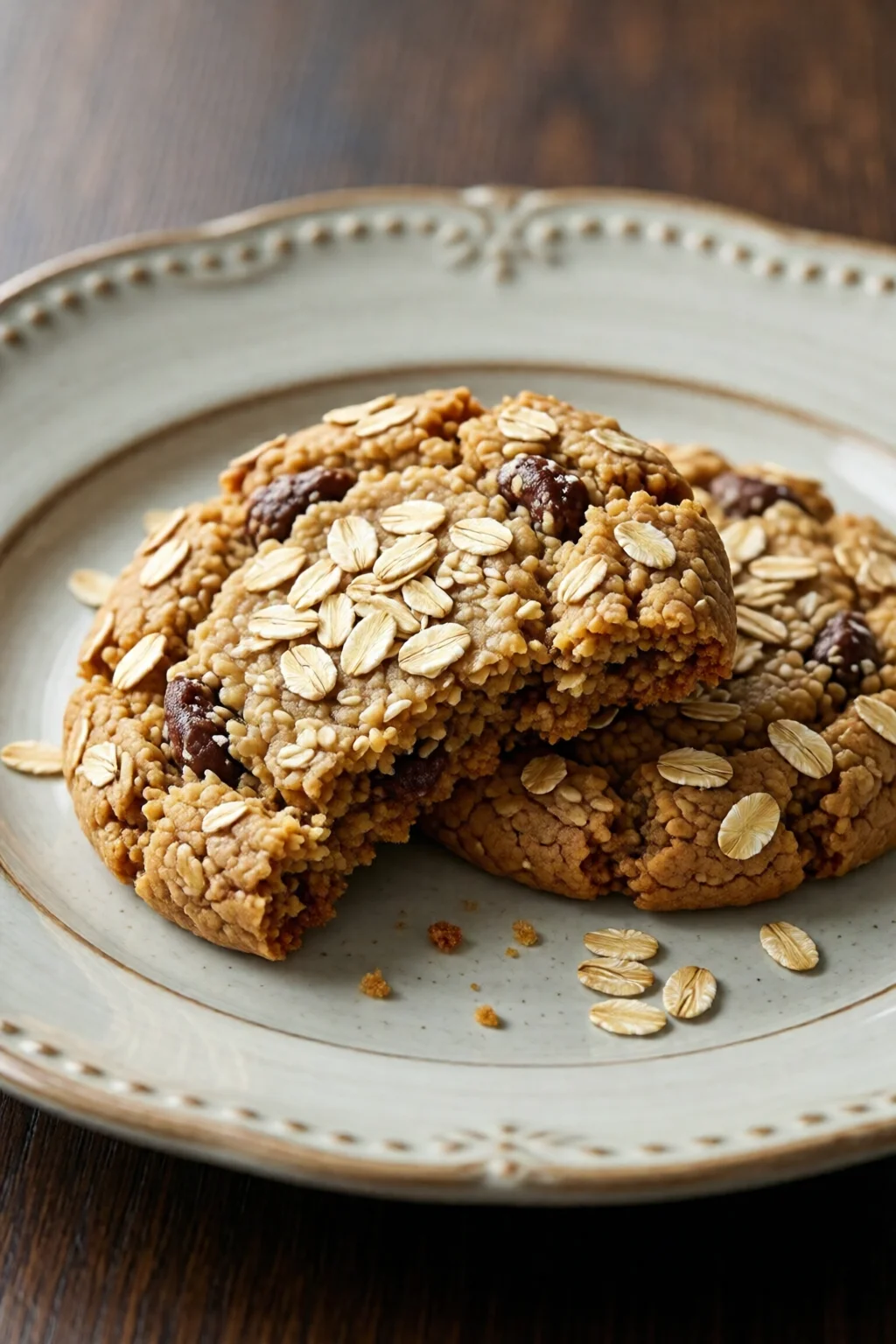
With the right balance of butter, sugar, and chilling time, you can master an oatmeal cookie recipe chewy and soft that rivals any bakery. Remember: use rolled oats, chill the dough, and avoid over‑mixing. Adjust the oven temperature and sugar ratios to fine‑tune texture, and you’ll enjoy consistently tender, chewy cookies for years to come.
Why do my oatmeal cookies turn out hard?
Hard cookies usually result from over‑mixing, too much flour, or baking at a temperature that’s too high. Chill the dough, reduce flour by 2‑tablespoons, and bake at 350°F for 10‑12 minutes.
Can I substitute honey for brown sugar?
Yes. Replace each cup of brown sugar with ¾ cup honey plus ¼ cup extra butter. Honey adds moisture, enhancing chewiness.
How long can I store these cookies?
In an airtight container at room temperature, they stay soft for up to 7 days. Freeze for up to 3 months; thaw before serving.