Did you know that France sells roughly 30 million crepes a year, and half of them are made at home with just four pantry staples? That’s the power of an easy crepe recipe sweet and savory – a single batter that can swing from breakfast to dinner in minutes.
In This Article
- What You Will Need (or Before You Start)
- Step 1 – Whisk the Dry Ingredients
- Step 2 – Incorporate the Wet Ingredients
- Step 3 – Let the Batter Rest
- Step 4 – Heat the Pan
- Step 5 – Cook the Crepes
- Step 6 – Dress Them Up (Sweet & Savory Ideas)
- Common Mistakes to Avoid
- Tips for Best Results (Troubleshooting)
- Summary & Final Thoughts
- Frequently Asked Questions
What You Will Need (or Before You Start)
Gather these items before you whisk. Having everything on hand cuts the “wait for the batter to settle” anxiety in half.
- 1 cup (125 g) all‑purpose flour – I use King Arthur for its consistent grind.
- 2 large eggs, room temperature – about $0.30 each at my local grocery.
- 1 ½ cups (360 ml) whole milk – 2 % works fine, but whole milk gives a richer texture.
- 2 Tbsp (30 ml) melted unsalted butter – I prefer Kerrygold; it adds a buttery aroma and costs $4.99 for a 1‑lb block.
- ¼ tsp fine sea salt.
- 2 Tbsp granulated sugar – optional for sweet crepes; omit for savory.
- Non‑stick skillet (10‑inch) or a cast‑iron crepe pan – a seasoned Le Creuset 10‑inch skillet costs $49.99.
- Silicone spatula, ladle (¼‑cup), and a small whisk or electric mixer.
- Optional toppings/fillings (see “Sweet & Savory Ideas” below).
For a gluten‑free version, swap the flour for 1 cup of Bob’s Red Mill almond flour; the batter thickens slightly, so add an extra ¼ cup milk.

Step 1 – Whisk the Dry Ingredients
Place the flour, salt, and sugar (if using) in a medium bowl. Stir with a fork to break up any clumps. In my experience, sifting isn’t necessary if you whisk vigorously, saving you a step and a sifter.
Step 2 – Incorporate the Wet Ingredients
Create a well in the center of the dry mix. Crack the eggs into the well, then pour in the milk and melted butter. Using a whisk, gradually draw the flour from the edges into the liquid, creating a smooth batter. If you prefer a hands‑off approach, a hand‑held electric mixer on low (about 2,500 rpm) does the job in 30 seconds.
Step 3 – Let the Batter Rest
Cover the bowl with plastic wrap and let it sit at room temperature for 15–20 minutes. Resting relaxes the gluten, yielding tender crepes. One mistake I see often is skipping this step; the result is a rubbery edge.
Step 4 – Heat the Pan
Place your skillet over medium‑high heat. Add a thin brush of clarified butter (or a quick spray of 365 % Olive Oil, $3.49 for a 500 ml bottle). When a few droplets sizzle and evaporate, the surface is ready. The temperature should be about 375 °F – you can test it by dropping a tiny puddle of batter; it should dance and set within 2 seconds.

Step 5 – Cook the Crepes
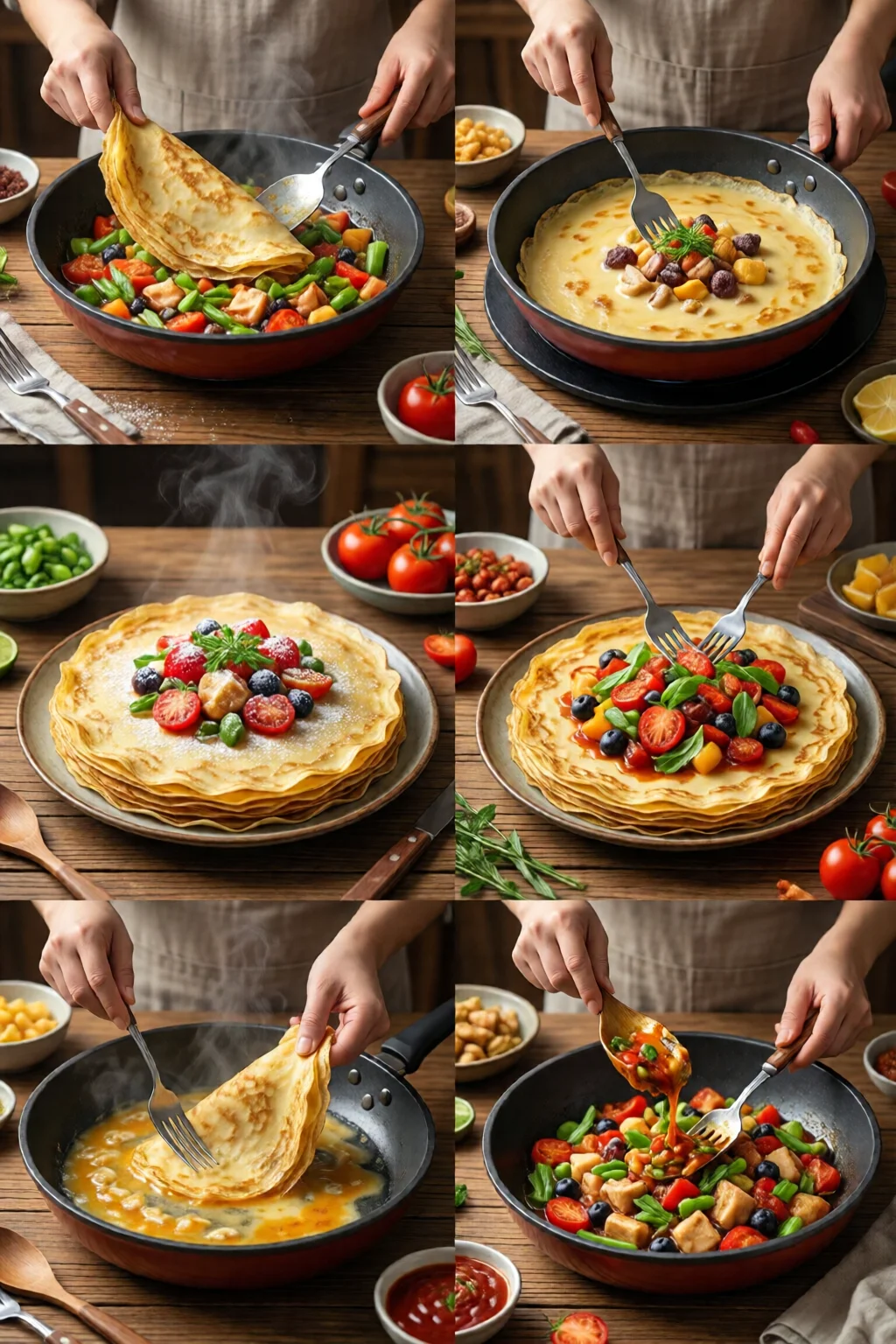
Using a ¼‑cup ladle, pour batter into the center of the pan. Immediately tilt and swirl the pan to spread the batter into a thin, even circle (about 8‑inch diameter). The batter should be translucent at the edges within 10 seconds. Flip with a silicone spatula once the underside is golden‑brown (about 45 seconds). Cook the second side for another 30 seconds.
Transfer the crepe to a warm plate and keep it covered with foil to stay soft. Repeat until the batter is exhausted – you’ll get roughly 10–12 crepes from this batch.
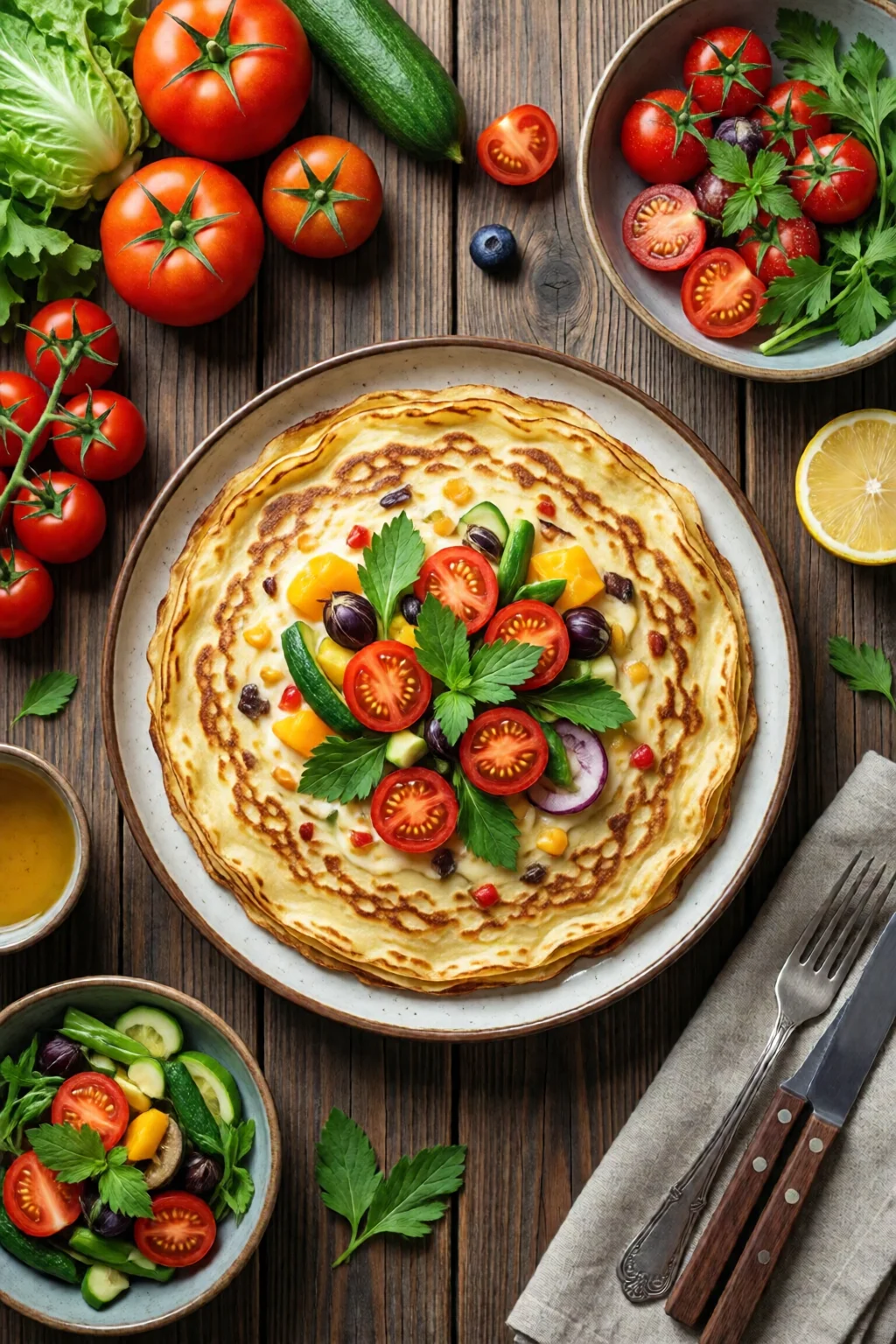
Step 6 – Dress Them Up (Sweet & Savory Ideas)
Now the fun begins. Because the batter is neutral, you can pivot from sweet to savory in a single meal.
Sweet Options
- Classic lemon‑sugar: squeeze fresh lemon, sprinkle 1 Tbsp caster sugar.
- Nutella & banana: spread 2 Tbsp Nutella (approx. $5.99 per 13‑oz jar) and add sliced banana.
- Berry compote: simmer 1 cup mixed berries with 2 Tbsp honey for 5 minutes.
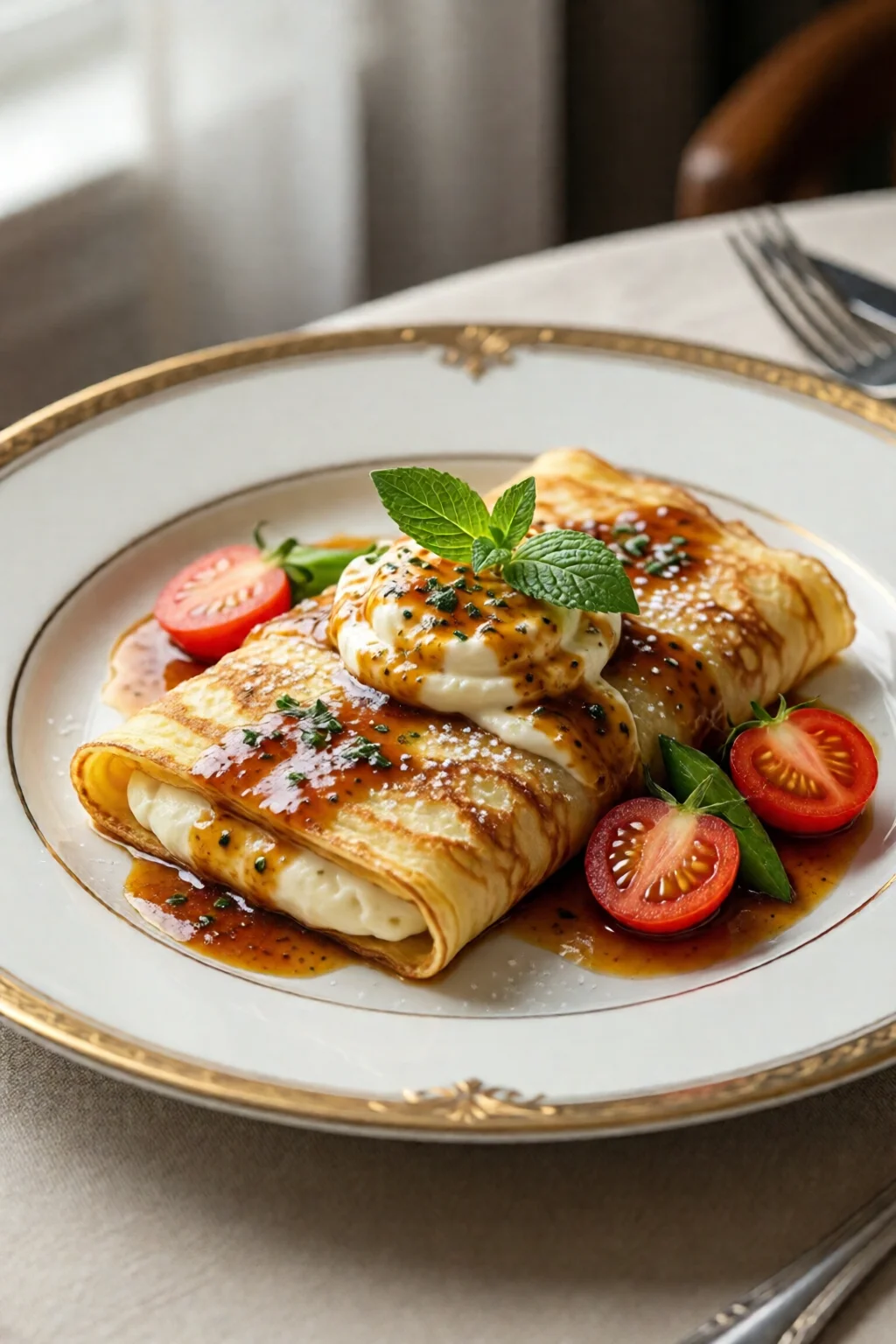
- Whipped ricotta with honey and toasted pistachios – a luxurious brunch.
Savory Options
- Ham, Gruyère, and Dijon – layer thin‑sliced ham, shredded Gruyère, and a dab of Dijon mustard, then fold.
- Spinach‑feta: sauté 2 cups fresh spinach with 1 clove garlic, crumble ¼ cup feta, and roll.
- Smoked salmon, crème fraîche, capers, and dill – a “bagel‑less” breakfast.
- Roasted vegetables (see my how to roast vegetables perfectly) with goat cheese and a drizzle of balsamic glaze.
Common Mistakes to Avoid
- Too thick batter: If your batter clings to the ladle, thin it with an extra tablespoon of milk. A proper pour should coat the back of a spoon lightly.
- Over‑crowding the pan: Adding too much batter creates a pancake, not a crepe. Stick to the ¼‑cup measurement.
- Cold pan: Starting on low heat results in soggy crepes. Preheat fully; you’ll hear a faint sizzle.
- Using the wrong butter: Regular butter burns quickly. Clarified butter or a high‑smoke‑point oil extends the cooking window.
- Skipping rest time: The gluten needs to relax; otherwise, you’ll get a chewy texture.
Tips for Best Results (Troubleshooting)
Crepes are sticking? Lower the heat slightly and add a thin layer of oil. If they’re still stubborn, the pan may need seasoning – a quick rub of oil and heating to 400 °F for 10 minutes re‑conditions the surface.
Crepes are tearing when you flip? They’re probably too thin or the pan isn’t hot enough. Let the batter set a second longer before flipping, and use a flexible silicone spatula.
Want a gluten‑free version? Use a 1:1 blend of rice flour and tapioca starch; add an extra egg to improve elasticity.
Make them ahead? Stack cooled crepes between parchment paper and store in an airtight container in the fridge for up to 3 days. Reheat in a 350 °F oven for 5 minutes or in a hot skillet for 30 seconds.
Summary & Final Thoughts
Mastering an easy crepe recipe sweet and savory gives you a culinary Swiss‑army knife. With just a handful of ingredients, a 20‑minute prep, and a few minutes on the stove, you can serve breakfast, brunch, a light dinner, or a dessert in under an hour. The key takeaways:
- Measure precisely; the batter’s consistency is everything.
- Rest the batter – it’s the secret to tender crepes.
- Control pan temperature; a hot, well‑oiled surface is non‑negotiable.
- Keep fillings ready; the quicker you roll, the softer the crepe stays.
Give this method a try tonight, and you’ll be the go‑to host for any impromptu gathering. Need more inspiration? Check out my best apple pie recipe from scratch for a dessert that pairs beautifully with a drizzle of caramel‑filled crepes.
Frequently Asked Questions
Can I make crepes without dairy?
Yes. Substitute the whole milk with an equal amount of oat milk or almond milk, and replace butter with a neutral oil like grapeseed. The texture may be slightly less rich but still pliable.
How long can I store cooked crepes?
Wrapped in parchment and sealed in an airtight container, they keep in the refrigerator for up to 3 days. For longer storage, freeze them flat on a baking sheet, then transfer to a zip‑top bag; they’ll last 2 months.
What’s the difference between a crepe and a pancake?
Crepes are much thinner (about 1 mm) and have a higher liquid‑to‑flour ratio, while pancakes are thicker, leavened with baking powder, and sweeter by default.
Can I add flavorings directly to the batter?
Absolutely. Add 1 tsp vanilla extract for sweet crepes, or a pinch of smoked paprika for a savory twist. Just keep total liquid volume consistent.
Do I need a special crepe pan?
A regular non‑stick skillet works fine. A dedicated crepe pan with low sides makes flipping easier, but it’s not essential.