Did you know that 1 in 100 people in the United States has celiac disease, yet only about 20% of them have actually been diagnosed? That gap means millions are still searching for reliable gluten free recipes for beginners, hoping to avoid accidental gluten exposure while still enjoying tasty meals.
In This Article
- 1. Fluffy Gluten‑Free Pancakes
- 2. One‑Pot Quinoa Chili
- 3. Almond Flour Pizza Crust
- 4. Chickpea Flour Socca (Savory Pancake)
- 5. Coconut Flour Banana Bread
- 6. Rice Noodle Stir‑Fry with Veggies
- 7. Gluten‑Free Oatmeal Chocolate Chip Cookies
- Quick Comparison of the Top Picks
- Putting It All Together
- Final Verdict
Starting a gluten‑free kitchen can feel like learning a new language. Ingredients you once took for granted—flour, breadcrumbs, soy sauce—might hide wheat in plain sight. This list cuts through the confusion by spotlighting seven starter recipes that use easily‑found products, clear measurements, and straightforward techniques. By the end, you’ll have a handful of go‑to dishes, a quick‑reference table, and the confidence to experiment further.
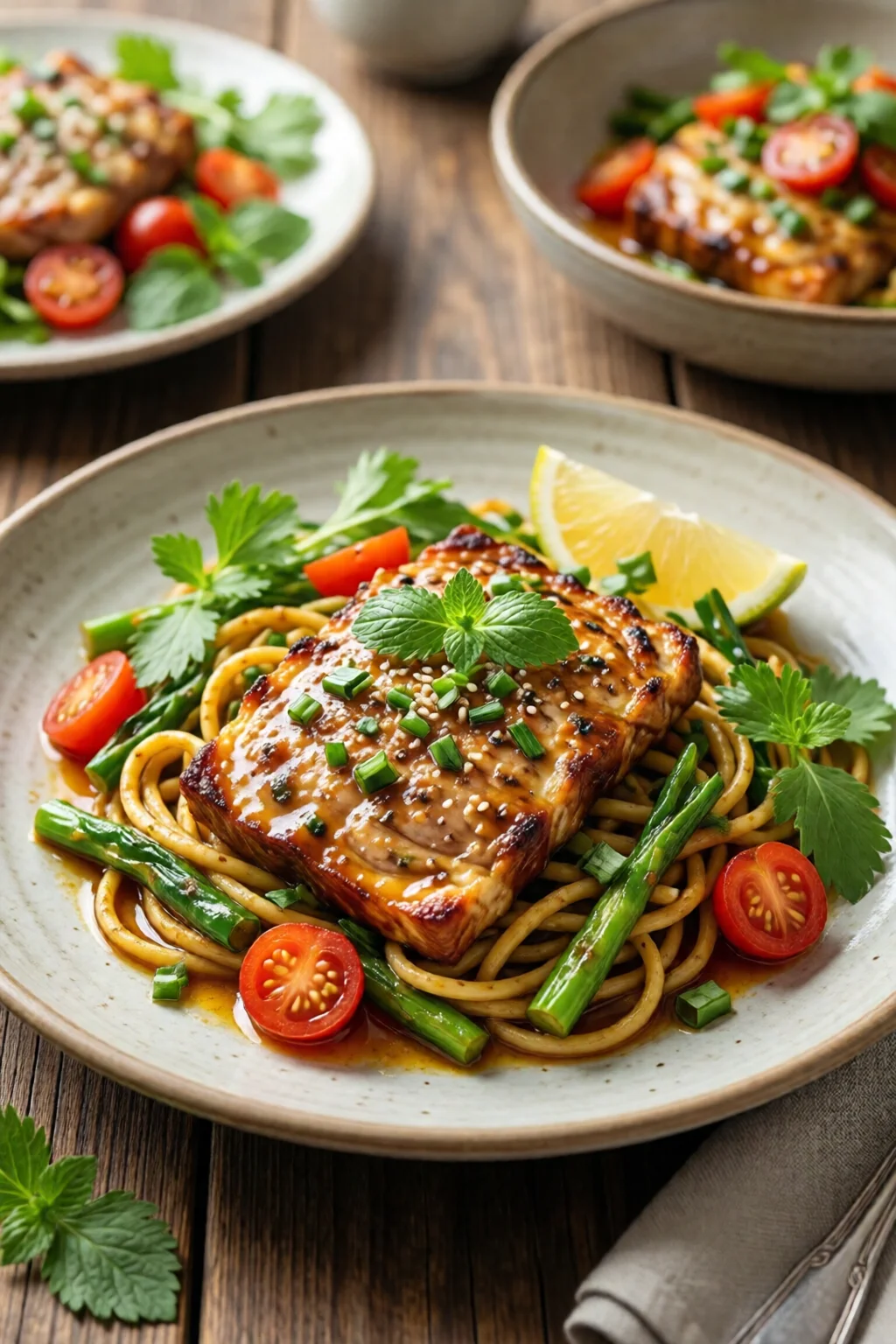
1. Fluffy Gluten‑Free Pancakes
Why it works for beginners
Traditional pancake mixes rely on wheat flour for structure. Replacing it with a blend of rice flour, tapioca starch, and potato starch (the King Arthur Gluten‑Free Flour Blend, $8.99 per 5‑lb bag) mimics that texture without extra steps. The batter stays “pour‑able” and the pancakes stay tender.
Ingredients (makes 8‑10 pancakes)
- 1 cup King Arthur Gluten‑Free Flour Blend
- 2 tbsp sugar
- 1 tsp baking powder
- ½ tsp baking soda
- ¼ tsp salt
- 1 cup almond milk (unsweetened, $2.49 per half‑gallon)
- 1 large egg
- 2 tbsp melted unsalted butter or coconut oil
- 1 tsp pure vanilla extract
Steps
- Whisk dry ingredients together in a medium bowl.
- In a separate bowl, beat the egg, then stir in almond milk, butter, and vanilla.
- Combine wet and dry mixes; let the batter rest 3‑5 minutes. The rest allows the starches to hydrate, preventing gummy pancakes.
- Heat a non‑stick skillet over medium heat; lightly grease with a dab of butter.
- Pour ¼‑cup portions, cook 2‑3 minutes until bubbles appear, flip, and cook another 1‑2 minutes.
Tips & Common Mistakes
One mistake I see often is over‑mixing; gluten‑free batters become gummy if you stir too vigorously. Use a gentle folding motion. If the batter seems too thick, add a splash of almond milk—no more than ¼ cup at a time.
Pros / Cons
- Pros: Quick, affordable ($0.65 per serving), kid‑friendly.
- Cons: Requires a good non‑stick pan; some brands of gluten‑free flour can leave a slight after‑taste if not rinsed.
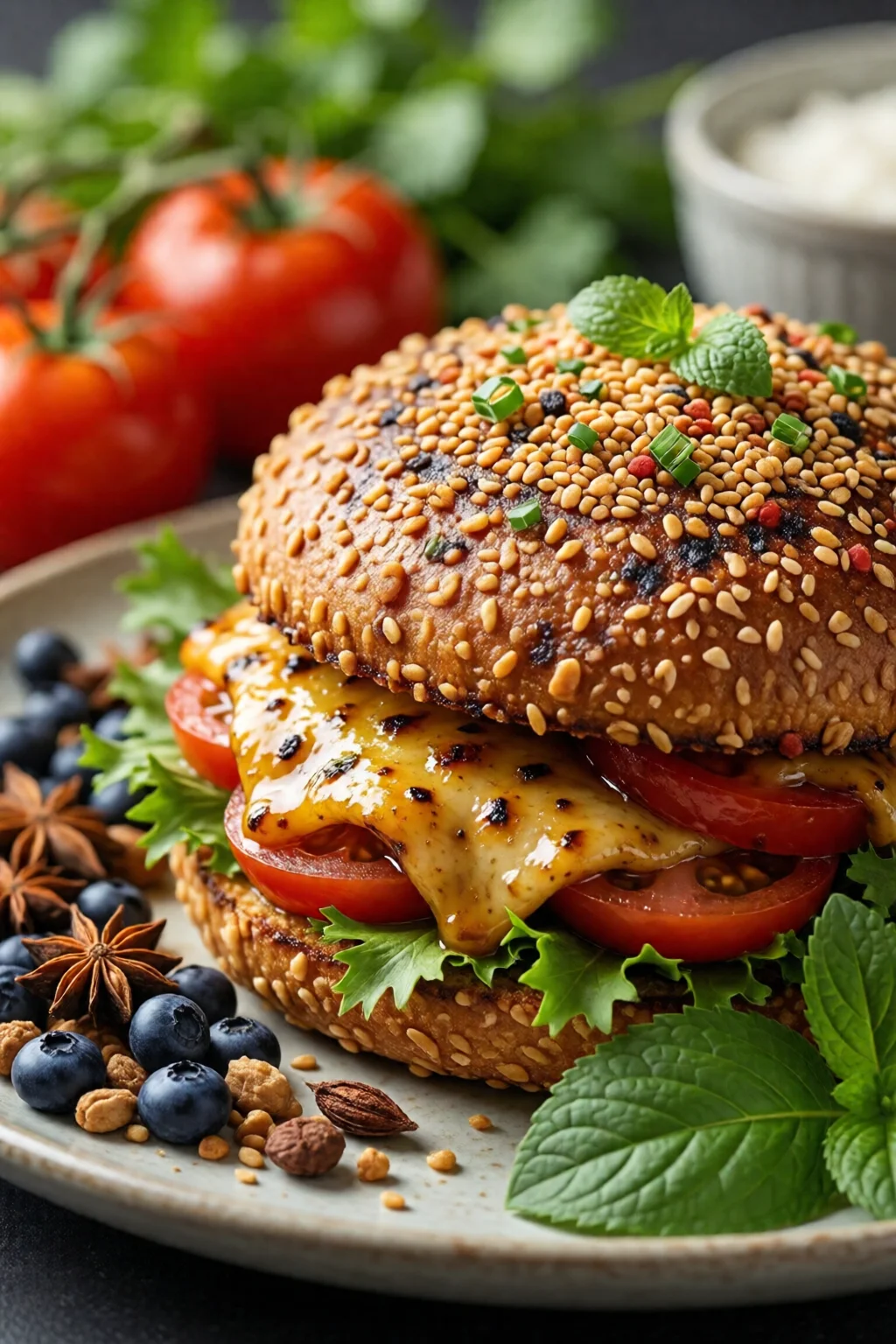
2. One‑Pot Quinoa Chili
Why it works for beginners
Chili is a classic comfort food that naturally avoids gluten—just skip the flour‑thickened roux. Quinoa adds protein and a pleasant bite, turning a simple pot of beans into a balanced meal.
Ingredients (serves 4)
- 1 cup dry quinoa, rinsed ($4.99 per 12‑oz bag)
- 1 tbsp olive oil
- 1 medium onion, diced
- 2 garlic cloves, minced
- 1 bell pepper, diced
- 1 lb ground turkey or beef ($5.99 per pound)
- 1 (15‑oz) can black beans, drained and rinsed
- 1 (15‑oz) can diced tomatoes, no‑salt added
- 2 cups low‑sodium chicken broth
- 2 tbsp chili powder, 1 tsp cumin, ½ tsp smoked paprika
- Salt and pepper to taste
Steps
- Heat oil in a large saucepan over medium heat. Sauté onion, garlic, and bell pepper until softened, about 4 minutes.
- Add ground meat; brown, breaking it up with a spatula, for 5‑6 minutes.
- Stir in quinoa, beans, tomatoes, broth, and spices.
- Bring to a boil, then reduce to a simmer. Cover and cook 20 minutes, or until quinoa is fluffy and liquid is absorbed.
- Adjust seasoning; serve with a dollop of plain Greek yogurt ($1.20 per 5‑oz container) and chopped cilantro.
Tips & Common Mistakes
In my experience, rinsing quinoa removes the saponin coating that can taste soapy. Also, don’t lift the lid too often; steam helps the quinoa cook evenly.
Pros / Cons
- Pros: One pot (minimal cleanup), high protein (≈30 g per serving), gluten‑free by nature.
- Cons: Requires careful timing to avoid under‑cooked quinoa.
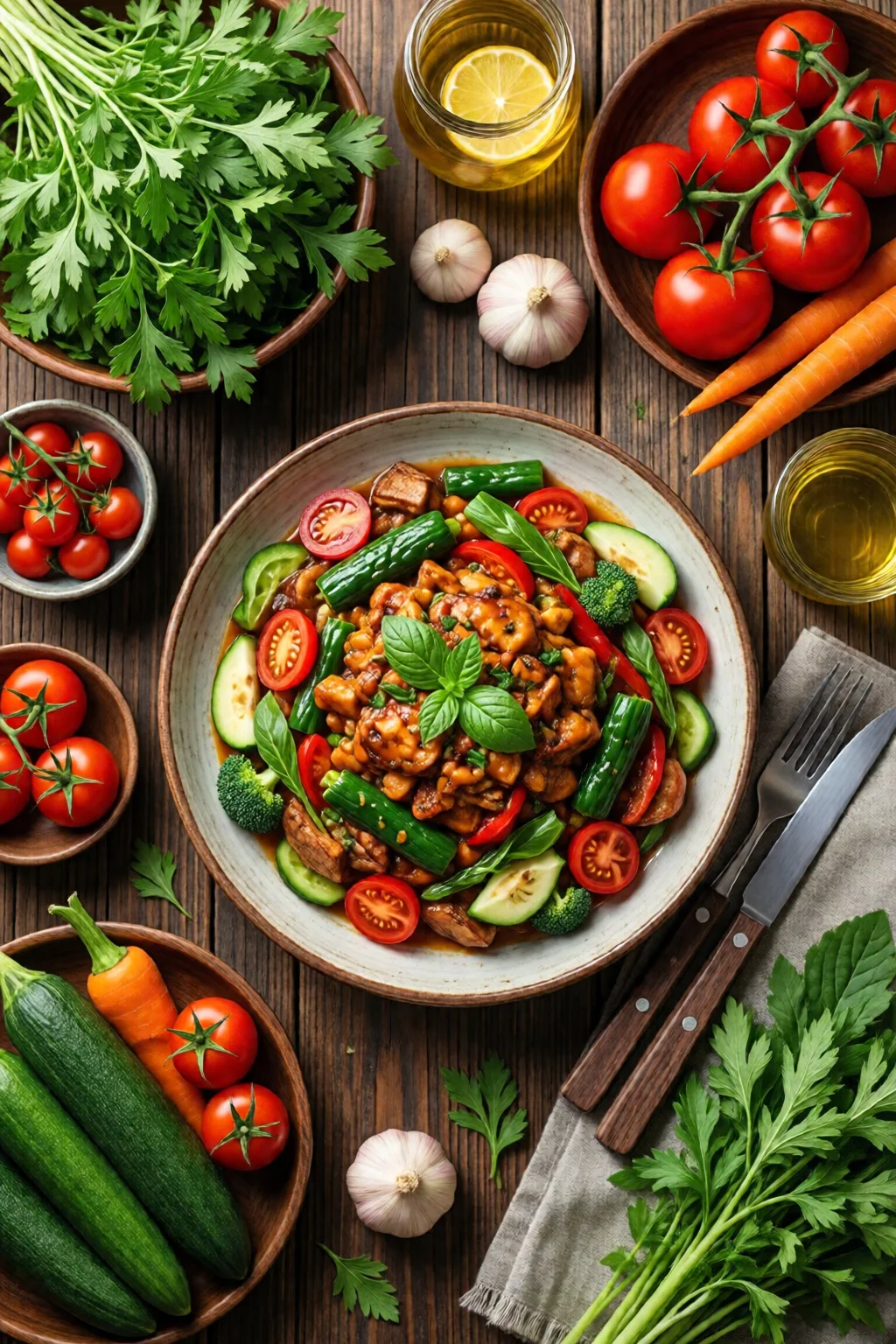
3. Almond Flour Pizza Crust
Why it works for beginners
Pizza feels like a cheat meal, yet the crust is where gluten usually hides. Using Bob’s Red Mill Almond Flour ($9.79 per 2‑lb bag) creates a crisp, low‑carb base that tolerates a variety of toppings.
Ingredients (12‑inch crust)
- 1 ½ cups almond flour
- 1 ¼ tsp baking powder
- ½ tsp salt
- 1 large egg
- 2 tbsp olive oil
- ½ cup shredded mozzarella cheese ($3.49 per 8‑oz bag)
Steps
- Preheat oven to 425°F (220°C). Line a pizza pan with parchment.
- Mix almond flour, baking powder, and salt in a bowl.
- In another bowl, whisk egg and olive oil; combine with dry mix until a dough forms.
- Press dough onto the pan, spreading to a 12‑inch circle. Sprinkle mozzarella on top.
- Bake 10‑12 minutes until golden. Add sauce, veggies, or pepperoni, then bake another 5 minutes.
Tips & Common Mistakes
One mistake beginners make is over‑loading the crust with wet toppings, which makes it soggy. Use a thin layer of tomato sauce and pre‑cook moisture‑rich veggies (like mushrooms) for 3 minutes.
Pros / Cons
- Pros: Grain‑free, high in healthy fats, ready in under 30 minutes.
- Cons: Slightly higher cost per crust ($1.10), and the texture is denser than wheat‑based dough.
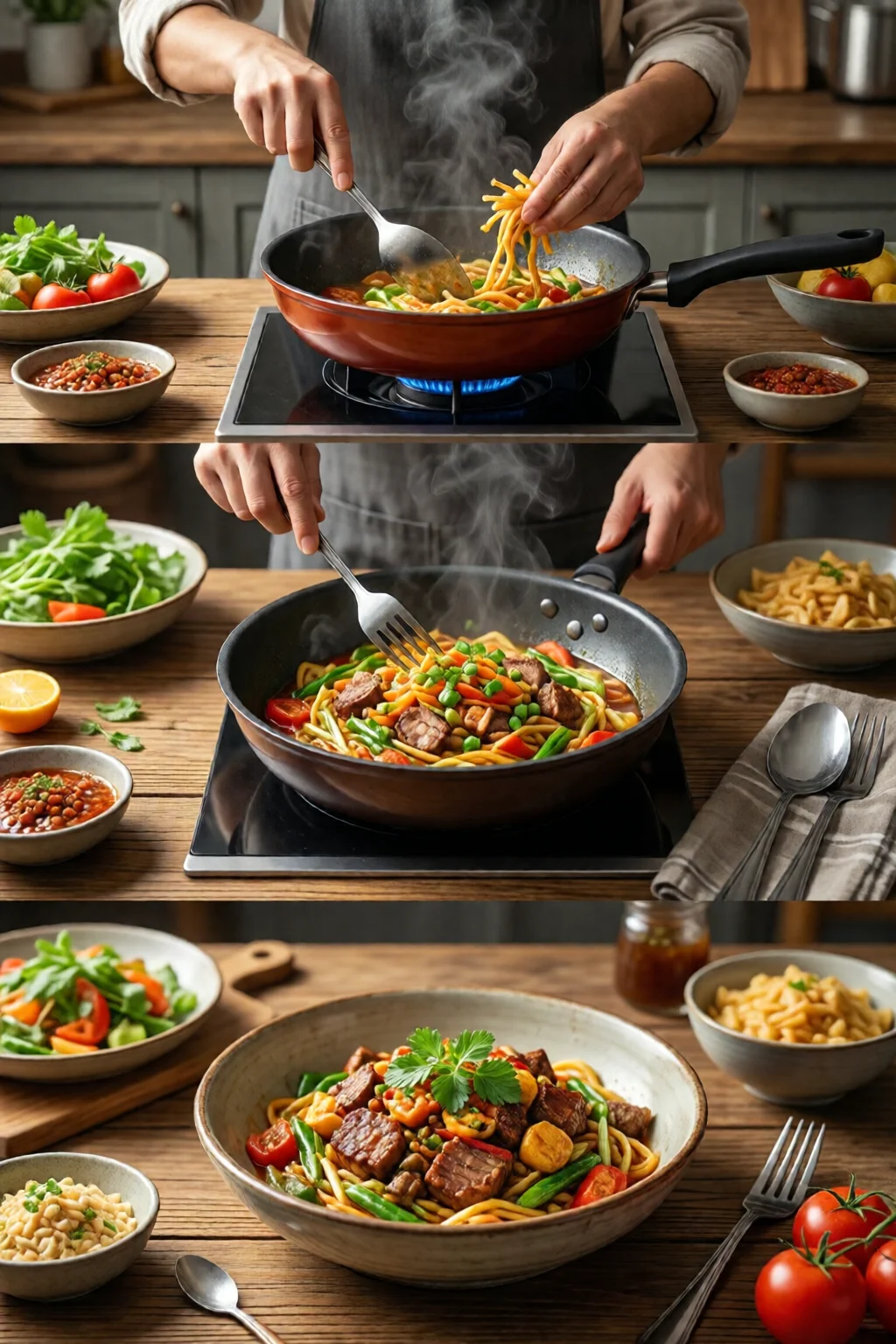
4. Chickpea Flour Socca (Savory Pancake)
Why it works for beginners
Socca is a thin, crispy pancake from Nice, France, made entirely from chickpea flour—a naturally gluten‑free staple. It’s perfect for a quick lunch or snack and requires only three ingredients.
Ingredients (serves 2)
- 1 cup chickpea flour (Bob’s Red Mill, $5.49 per 2‑lb bag)
- 1 ¼ cup water
- ¼ tsp sea salt
- 2 tbsp olive oil (plus extra for pan)
- Optional: rosemary, cracked black pepper
Steps
- Whisk chickpea flour, water, and salt in a bowl; let rest 10 minutes. This “autolyse” step improves texture.
- Heat a 10‑inch cast‑iron skillet over medium‑high heat; add 2 tbsp olive oil.
- Pour batter, swirl to coat the bottom thinly, and sprinkle rosemary if using.
- Cook 4‑5 minutes until edges crisp and the surface is set; flip quickly and cook another 2 minutes.
- Cut into wedges, drizzle with a touch more olive oil, and serve with a squeeze of lemon.
Tips & Common Mistakes
In my kitchen, the key is a well‑heated skillet. If the pan isn’t hot enough, the socca will steam rather than crisp.
Pros / Cons
- Pros: Minimal ingredients, high protein (≈6 g per serving), vegan.
- Cons: Can be dry if overcooked; best served immediately.
5. Coconut Flour Banana Bread
Why it works for beginners
Banana bread is a comfort classic, but most recipes call for wheat flour. Coconut flour is super absorbent, so you need less of it and more liquid, resulting in a moist, naturally sweet loaf.
Ingredients (one 9×5‑inch loaf)
- ½ cup coconut flour (Nutiva, $7.99 per 1‑lb bag)
- ½ tsp baking soda
- ¼ tsp salt
- 3 large ripe bananas, mashed
- 4 large eggs
- ¼ cup melted coconut oil
- ⅓ cup honey or maple syrup
- 1 tsp vanilla extract
Steps
- Preheat oven to 350°F (175°C). Grease a loaf pan with coconut oil.
- In a bowl, whisk coconut flour, baking soda, and salt.
- In another bowl, combine mashed bananas, eggs, melted coconut oil, honey, and vanilla.
- Stir wet mixture into dry ingredients; batter will be thick. Let sit 2 minutes to allow the flour to fully hydrate.
- Pour into pan and bake 45‑50 minutes, or until a toothpick comes out clean.
- Cool 10 minutes before slicing; store leftovers in the fridge for up to 5 days.
Tips & Common Mistakes
Because coconut flour absorbs so much liquid, one common error is a dry loaf. If the batter feels crumbly, add a tablespoon of almond milk at a time until it smooths.
Pros / Cons
- Pros: Naturally sweet, no added gluten, suitable for paleo‑style diets.
- Cons: Slight coconut flavor may not suit all palates; higher cost per loaf ($1.45).
6. Rice Noodle Stir‑Fry with Veggies
Why it works for beginners
Rice noodles are a pantry staple that require only hot water to soften. Pair them with a quick sauce made from tamari (a gluten‑free soy sauce) and sesame oil for a meal ready in under 20 minutes.
Ingredients (serves 2)
- 200 g rice noodles (Thai Kitchen, $2.79 per 8‑oz pack)
- 1 tbsp sesame oil
- 1 cup broccoli florets
- ½ cup sliced carrots
- ½ cup snap peas
- 2 garlic cloves, minced
- 2 tbsp gluten‑free tamari (San-J, $4.99 per 10‑oz bottle)
- 1 tsp honey
- 1 tsp rice vinegar
- Sesame seeds for garnish
Steps
- Soak noodles in hot water for 5‑7 minutes, then drain.
- Heat sesame oil in a wok over medium‑high heat; add garlic and sauté 30 seconds.
- Add broccoli, carrots, and snap peas; stir‑fry 3‑4 minutes.
- Stir in noodles, tamari, honey, and rice vinegar; toss until everything is coated and heated through, about 2 minutes.
- Serve sprinkled with sesame seeds.
Tips & Common Mistakes
One mistake beginners make is over‑cooking the noodles, which turns them mushy. Drain promptly and add them at the very end of the stir‑fry.
Pros / Cons
- Pros: Fast, versatile, low‑fat ($0.90 per serving).
- Cons: Requires a wok or large skillet; tamari can be salty, so taste before adding extra salt.
7. Gluten‑Free Oatmeal Chocolate Chip Cookies
Why it works for beginners
Cookies are a test of confidence for any new gluten‑free baker. Using certified gluten‑free rolled oats and a blend of almond and oat flour yields a chewy texture without the crumbly pitfalls of single‑flour recipes.
Ingredients (makes 12 cookies)
- 1 cup certified gluten‑free rolled oats (Bob’s Red Mill, $5.49 per 2‑lb bag)
- ½ cup almond flour
- ¼ cup oat flour (simply grind oats in a food processor)
- ½ tsp baking soda
- ¼ tsp salt
- ¼ cup coconut oil, melted
- ⅓ cup brown sugar
- ¼ cup honey
- 1 large egg
- 1 tsp vanilla extract
- ½ cup dark chocolate chips (Enjoy Life, $4.99 per 12‑oz bag)
Steps
- Preheat oven to 350°F (175°C). Line a baking sheet with parchment.
- Blend oats, almond flour, oat flour, baking soda, and salt in a bowl.
- In another bowl, whisk melted coconut oil, brown sugar, honey, egg, and vanilla.
- Combine wet and dry mixtures; fold in chocolate chips.
- Scoop tablespoonfuls onto the sheet, flatten lightly.
- Bake 10‑12 minutes, until edges turn golden.
- Cool 5 minutes on the sheet, then transfer to a wire rack.
Tips & Common Mistakes
In my experience, chilling the dough for 15 minutes before baking prevents spreading and yields a thicker cookie.
Pros / Cons
- Pros: Soft interior, crisp edges, suitable for kids.
- Cons: Slightly higher calorie count ($0.45 per cookie).
Quick Comparison of the Top Picks
| Recipe | Prep / Cook Time | Cost per Serving | Protein (g) | Skill Level | Rating (out of 5) |
|---|---|---|---|---|---|
| Fluffy Gluten‑Free Pancakes | 5 min / 8 min | $0.65 | 8 | Beginner | 4.7 |
| One‑Pot Quinoa Chili | 10 min / 20 min | $1.20 | 30 | Beginner | 4.8 |
| Almond Flour Pizza Crust | 10 min / 15 min | $1.10 | 12 | Beginner‑Intermediate | 4.5 |
| Chickpea Flour Socca | 5 min / 7 min | $0.90 | 6 | Beginner | 4.6 |
| Coconut Flour Banana Bread | 10 min / 50 min | $1.45 | 5 | Beginner‑Intermediate | 4.4 |
Putting It All Together
When you’re just starting out, the biggest hurdle isn’t the recipes themselves—it’s building a reliable pantry. Keep a few key gluten‑free staples on hand: almond flour, coconut flour, chickpea flour, certified gluten‑free oats, and a good tamari. Pair them with inexpensive proteins like eggs, canned beans, and frozen veggies, and you’ll be set for weeks of varied meals without breaking the bank.
Remember, gluten‑free cooking isn’t about sacrificing flavor; it’s about learning which textures replace wheat’s elasticity. The seven recipes above give you a solid foundation, and the comparison table helps you pick the right dish for any time constraint or budget.
Final Verdict
If you’re searching for gluten free recipes for beginners, start with the pancake and quinoa chili—both are quick, budget‑friendly, and prove that you don’t need specialty equipment to succeed. Once you’re comfortable with the basics, experiment with the pizza crust, socca, and banana bread to expand your repertoire. The gluten‑free world is vast, but with these starter dishes and a well‑stocked pantry, you’ll navigate it confidently and deliciously.
Do I need a dedicated gluten‑free kitchen?
A completely separate kitchen isn’t required, but strict cleaning of surfaces, utensils, and toasters reduces cross‑contamination. Using dedicated cutting boards and a separate toaster for gluten‑free bread is a simple safeguard.
Can I substitute regular flour with gluten‑free flour 1:1?
Most gluten‑free flour blends need a binding agent (like xanthan gum) and a bit more liquid. For example, replace 1 cup wheat flour with 1 ¼ cup gluten‑free blend and add ½ tsp xanthan gum if the recipe doesn’t already include it.
What are the best gluten‑free snacks for weight loss?
Check out our healthy snack ideas for weight loss guide. It includes options like roasted chickpeas, Greek yogurt with berries, and veggie sticks with almond‑based dip—all naturally gluten‑free.
How can I make gluten‑free meals high in protein?
Incorporate protein‑rich gluten‑free grains like quinoa, add legumes, and use protein‑dense flours such as almond or chickpea flour. Our high protein meal ideas for weight loss page has full meal plans.
Are there gluten‑free dinner options under 500 calories?
Absolutely. Browse low calorie dinner recipes under 500 for dishes like shrimp stir‑fry with rice noodles or zucchini noodles with marinara—both gluten‑free and under the calorie target.