Did you know that over 12 million Americans indulge in chocolate mousse each year, and the average serving costs less than $1.20 when made at home? Yet the classic dessert still feels like a restaurant‑level indulgence, especially when you nail the silky texture and elegant presentation. In my decade of pastry work, I’ve learned that the secret isn’t exotic ingredients—it’s timing, technique, and a few smart shortcuts that keep the mousse both easy to make and sophisticated enough for a dinner party.
In This Article
Below is a complete, step‑by‑step chocolate mousse recipe easy elegant that balances simplicity with that wow factor. Whether you’re feeding two guests or a crowd of twelve, this guide gives you the exact measurements, tools, and pro tricks you need to serve a mousse that looks and tastes like it came from a five‑star patisserie.
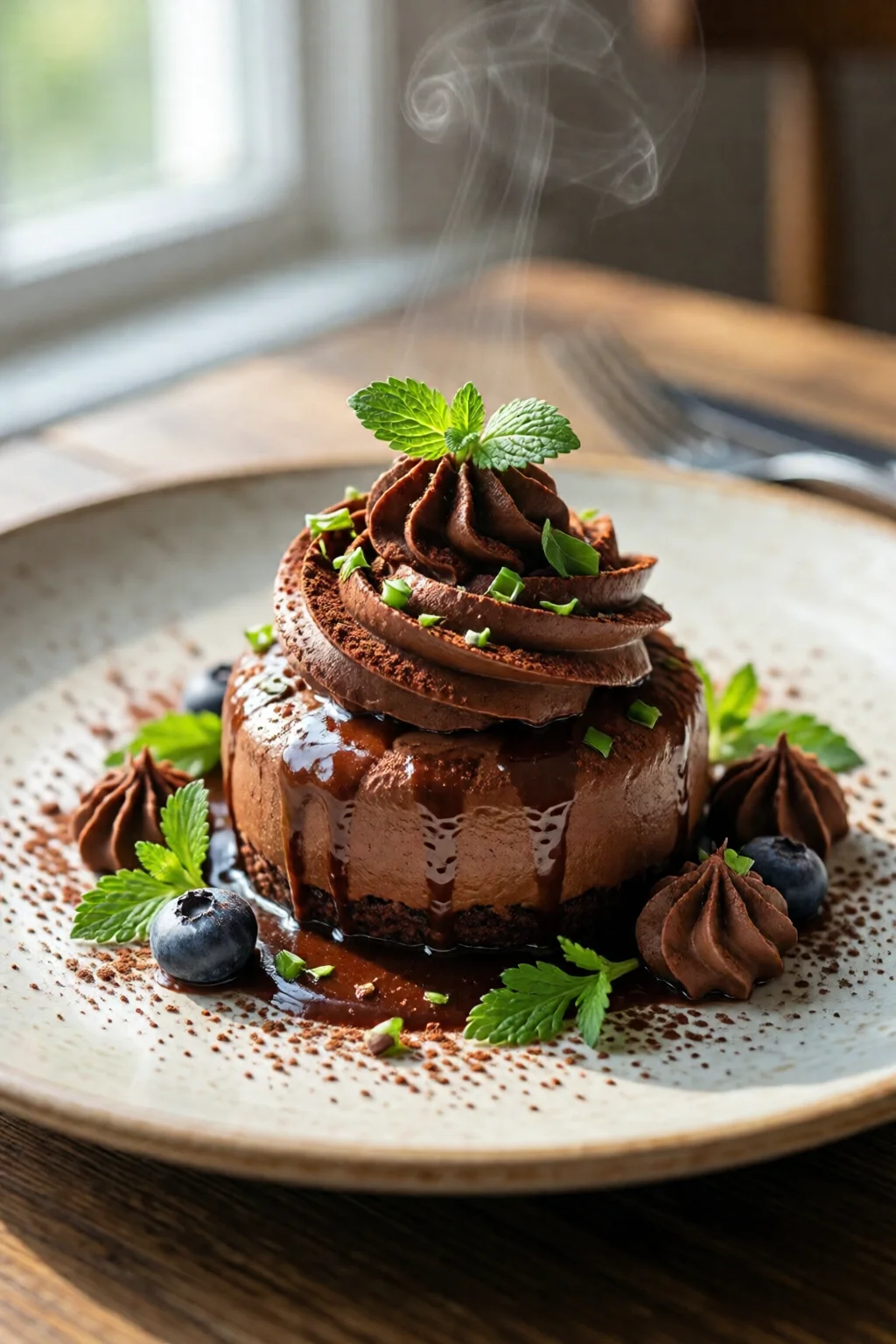
Choosing the Right Ingredients
Quality Chocolate Matters
Start with a bar that’s at least 70 % cacao. I prefer Godiva 70% Dark Chocolate (about $8.99 for a 3.5‑oz bar) because it melts evenly and delivers a deep flavor without being overly bitter. For a sweeter profile, a 60 % bar from Ghirardelli (roughly $6.50 per 3‑oz) works well. Avoid chocolate chips—they contain stabilizers that can make the mousse grainy.
Essential Dairy Components
The classic mousse relies on heavy cream and egg yolks. Use organic heavy whipping cream (35 % butterfat) at $3.99 per pint; the higher fat content traps air better, giving you that luscious lift. Fresh, large‑grade eggs (about $2.79 per dozen) provide richness and structure. If you’re concerned about raw eggs, opt for pasteurized eggs, which cost around $4.20 per dozen.
Optional Flavor Boosters
A pinch of sea salt (Maldon, $4.50 per 100 g) brightens the chocolate. Add a splash of Grand Marnier (≈ $30 for a 750 ml bottle) for an orange nuance, or a teaspoon of espresso powder (≈ $2 per 20 g) to deepen the cocoa notes. These extras cost under $0.50 per batch but elevate the mousse from good to unforgettable.
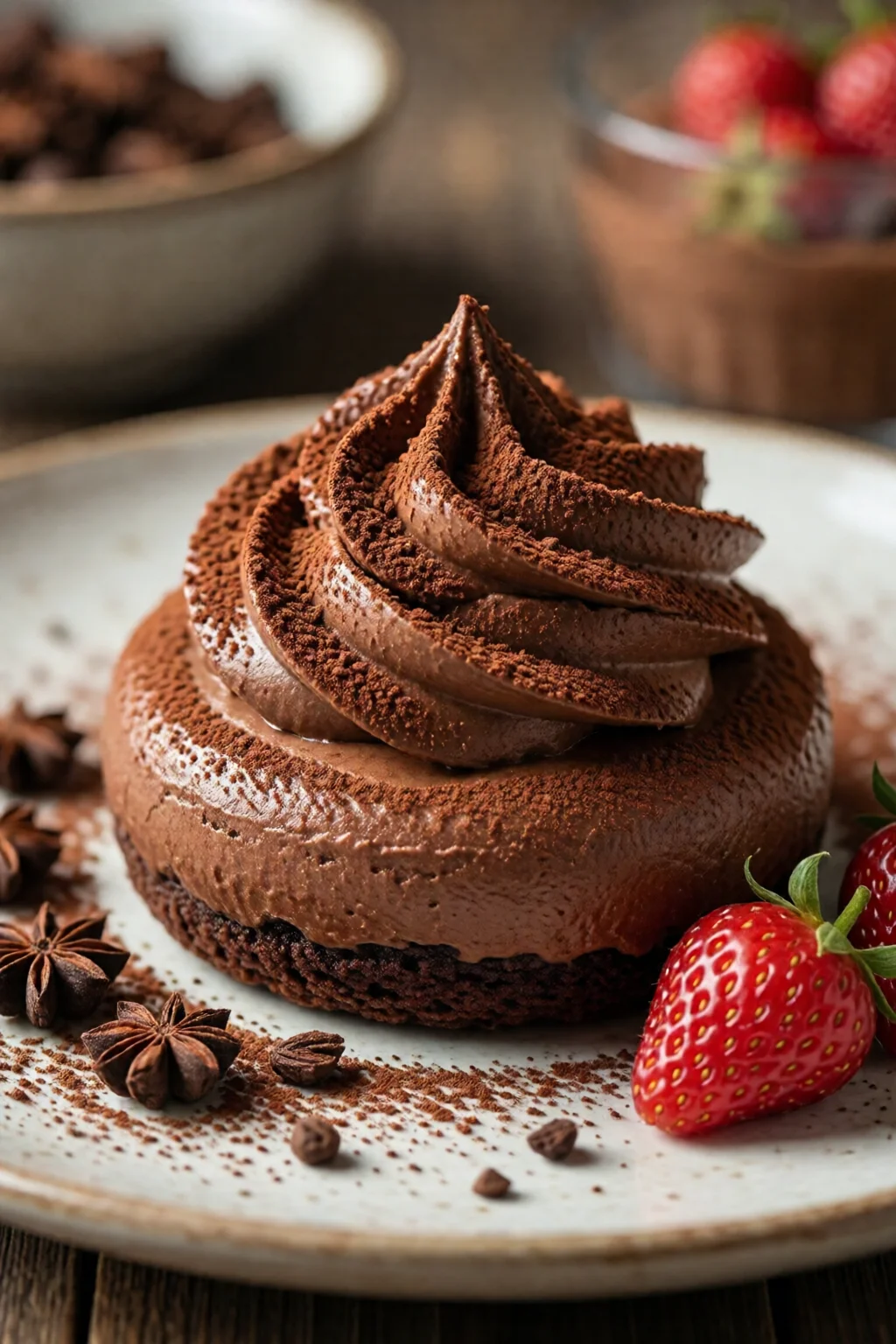
Equipment & Preparation Essentials
Whisk vs. Hand Mixer
For the smoothest texture, I use a balloon whisk for the egg‑yolk mixture and a hand mixer (like the Kitchenaid 5‑Speed Hand Mixer, $39.99) for whipping the cream. The whisk gives better control when tempering the chocolate, while the mixer incorporates air quickly into the cream.
Temper the Chocolate Properly
Melting chocolate at the right temperature prevents a waxy mouthfeel. Heat to 115 °F (46 °C) for dark chocolate, then cool to 82 °F (28 °C) before re‑warming to 88‑90 °F (31‑32 °C). A digital candy thermometer (≈ $12.95) makes this foolproof.
Portioning Tools for Elegance
Use 6‑oz ramekins or chilled glass coupe glasses for individual servings. They cost about $1.20 each at the bulk store and give each portion a polished look. For a larger platter, a 9‑inch glass trifle bowl (≈ $9.99) works beautifully.
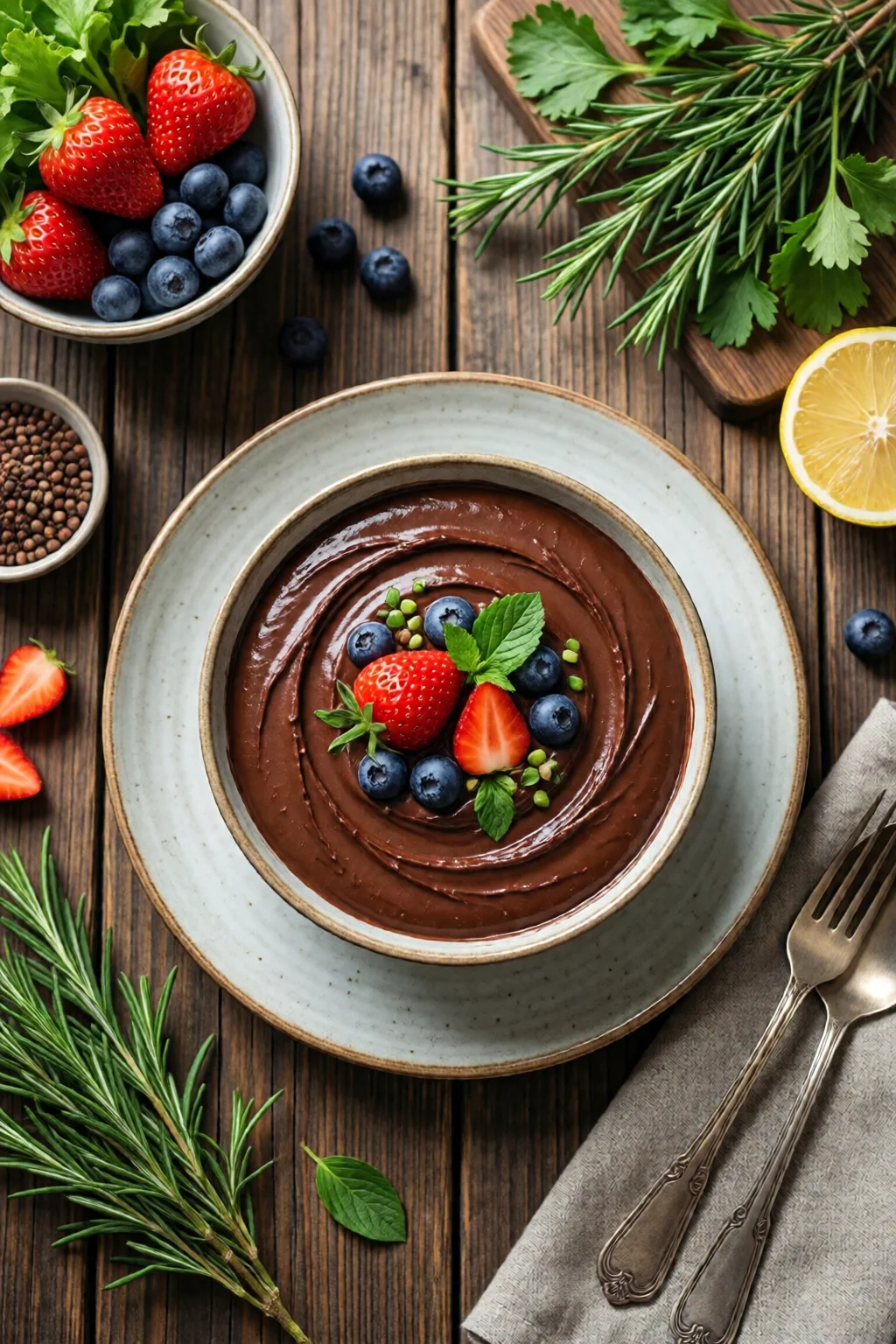
Step‑by‑Step Method
1. Melt the Chocolate
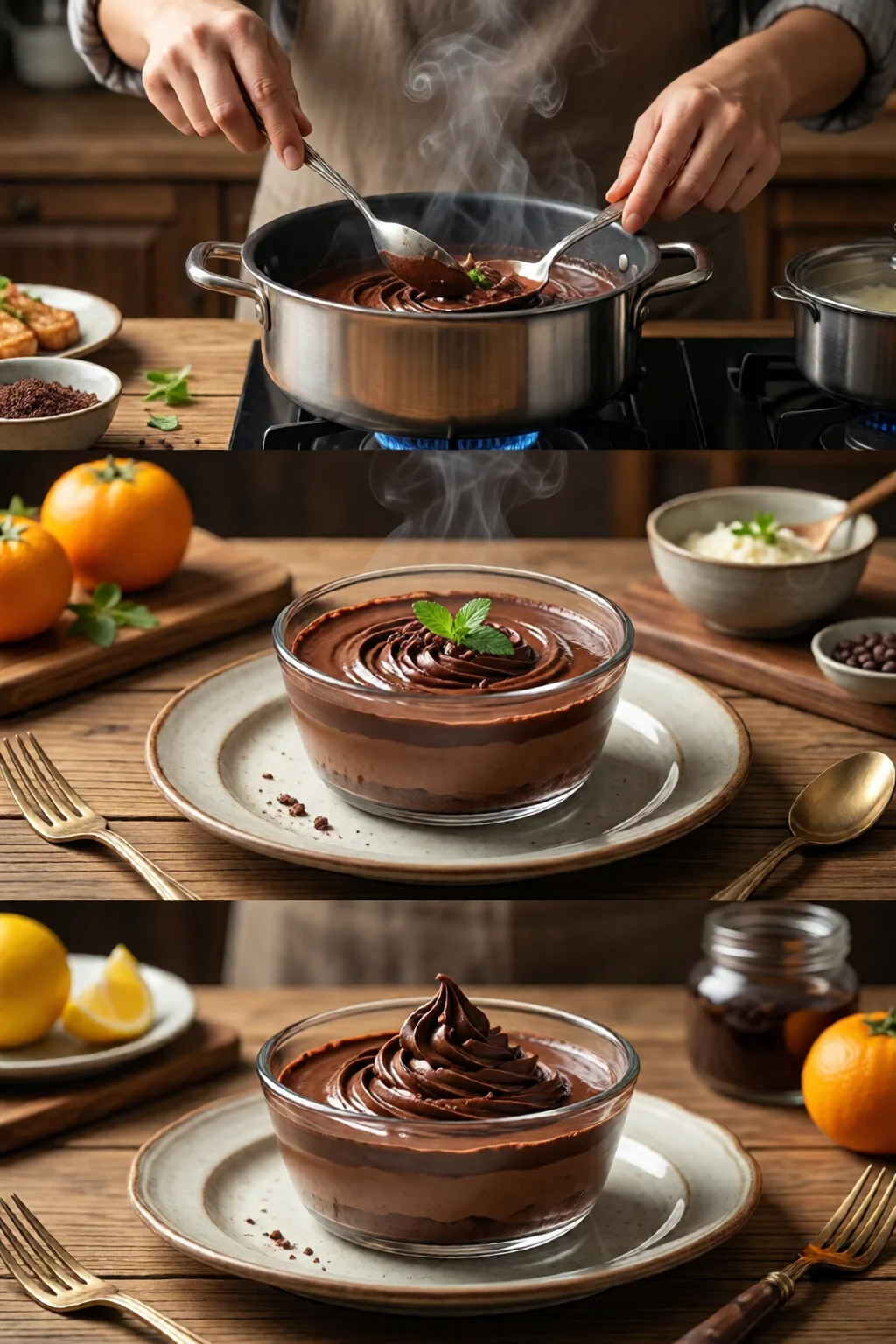
Finely chop 200 g (7 oz) of your chosen dark chocolate. Place it in a heat‑proof bowl over a simmering pot of water (double boiler). Stir gently until fully melted, then remove from heat and let it cool to 90 °F. This should take about 5 minutes.
2. Create the Custard Base
Separate 4 large eggs, keeping yolks and whites separate. In a saucepan, whisk together the yolks, 50 g (¼ cup) granulated sugar, and a pinch of salt. Cook over low heat, stirring constantly, until the mixture thickens and reaches 160 °F (71 °C) – roughly 6‑8 minutes. Remove from heat and immediately stir in the cooled chocolate until smooth.
3. Whip the Cream
In a chilled bowl, pour 300 ml (1 ¼ cups) heavy cream. Add 1 tbsp powdered sugar and ½ tsp vanilla extract. Beat on medium‑high speed until soft peaks form, about 2‑3 minutes. Be careful not to over‑whip; you want a silky, glossy texture.
4. Fold for Air
First, fold a small portion of the whipped cream into the chocolate‑yolk mixture to lighten it. Then gently fold the remaining cream in two more times, using a spatula and a motion that lifts from the bottom of the bowl. The goal is to keep as much air as possible – this step takes about 2 minutes.
5. Incorporate Egg Whites (Optional)
If you want extra lift, beat the 4 egg whites with a pinch of cream of tartar until stiff peaks form (≈ 3‑4 minutes). Fold them in carefully, adding an extra 30 seconds of gentle mixing. This optional step adds about 15 % more volume.
6. Chill and Serve
Transfer the mousse into your prepared ramekins or glasses. Refrigerate for at least 2 hours, but no longer than 24 hours to maintain texture. Before serving, garnish with shaved chocolate (≈ $0.30 per serving), fresh berries, or a drizzle of raspberry coulis.
Variations & Elegant Presentation
Classic vs. Light Versions
The classic mousse uses full‑fat cream and egg yolks for richness. To cut calories, substitute half the cream with Greek yogurt (0 % fat, $1.20 per 170 g tub) and reduce sugar by 30 %. The light version still holds its shape, thanks to the stabilizing effect of the yolk‑chocolate base.
Vegan & Dairy‑Free Alternatives
Swap heavy cream for chilled coconut cream (≈ $3.99 per 400 ml can) and use aquafaba (the liquid from a can of chickpeas) in place of egg whites. Add 2 tbsp melted coconut oil to mimic the butterfat. The result is a mousse that’s 70 % lower in saturated fat while retaining that airy feel.
Elegant Plating Ideas
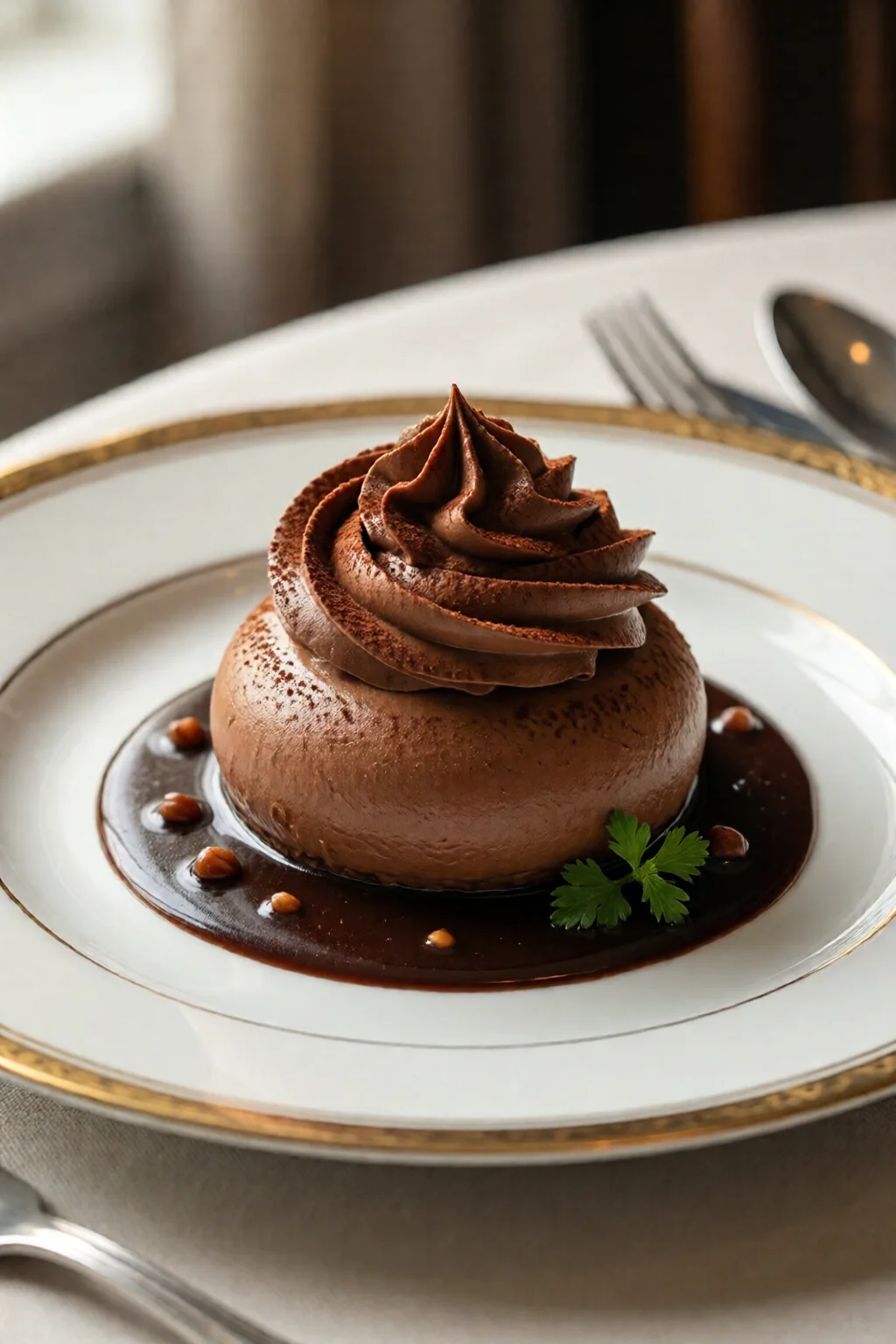
For a restaurant‑style presentation, pipe the mousse into chilled shot glasses using a pastry bag fitted with a star tip. Top with a thin shard of tempered chocolate, a dusting of cocoa powder, and a few gold leaf flecks (≈ $15 for a 5‑sheet pack). Another option: layer mousse with crushed almond biscotti in a trifle bowl, creating a visual contrast of textures.
Pro Tips from Our Experience
Timing Secrets
Always work in a cool kitchen (≈ 68 °F/20 °C). Warm environments cause the mousse to lose its lift faster. If your kitchen is hotter, increase the chilling time by 30 minutes.
Storage & Reheating
The mousse keeps well in airtight containers for up to 3 days. Before serving, let it sit at room temperature for 10 minutes to soften the edges, but never re‑heat – the texture will collapse.
Cost‑Saving Hacks
Buy chocolate in bulk (a 1‑kg bar is often $24 at wholesale clubs) and portion it yourself. Use a hand‑whisk instead of an electric mixer for the egg yolk custard; it saves $40 on equipment and gives you more control.
Comparison of Popular Chocolate Mousse Styles
| Style | Key Ingredients | Prep Time | Chill Time | Calories (per ½ cup) | Cost per Serving |
|---|---|---|---|---|---|
| Classic | 70% Dark Chocolate, Heavy Cream, Egg Yolks | 20 min | 2 hrs | 350 kcal | $1.75 |
| Light | Dark Chocolate, Half‑Cream/Greek Yogurt, Egg Yolks | 25 min | 2 hrs | 260 kcal | $1.55 |
| Vegan | Dark Chocolate, Coconut Cream, Aquafaba | 30 min | 2 hrs | 300 kcal | $2.10 |
Choosing the right style depends on your guests’ dietary preferences and the occasion. For a formal dinner, the classic version paired with a fine wine (e.g., a 2018 Vouvray, $22 per bottle) adds a luxurious touch.
Related Recipes You Might Love
If you’re planning a full‑course menu, consider pairing this mousse with a best brownies recipe fudgy and chewy for a chocolate‑lover’s finale, or a sugar cookie recipe soft and decorated as a lighter palate cleanser. For a savory contrast, a bowl of quick soup recipes for cold nights works beautifully before the dessert.
Conclusion: Serve with Confidence
Mastering a chocolate mousse recipe easy elegant is about respecting the fundamentals—quality chocolate, proper tempering, and gentle folding—while allowing room for personal flair. With the ingredients, tools, and pro tips outlined above, you can create a mousse that dazzles guests without demanding a full‑time kitchen staff. Make it tonight, garnish with a splash of Grand Marnier, and watch the compliments roll in.
Can I use milk chocolate instead of dark chocolate?
Yes, but expect a sweeter, less intense flavor and a softer texture. For the best balance, choose a milk chocolate with at least 40 % cacao and reduce any added sugar by ¼ cup.
Is it safe to eat raw egg yolks in mousse?
If you’re concerned about salmonella, use pasteurized eggs or gently heat the yolk mixture to 160 °F, which kills bacteria without scrambling the eggs.
How far in advance can I make the mousse?
The mousse stays at peak texture for up to 24 hours in the fridge. Beyond that, it may become watery. If you need to store longer, freeze individual portions for up to 2 months and thaw gently overnight.