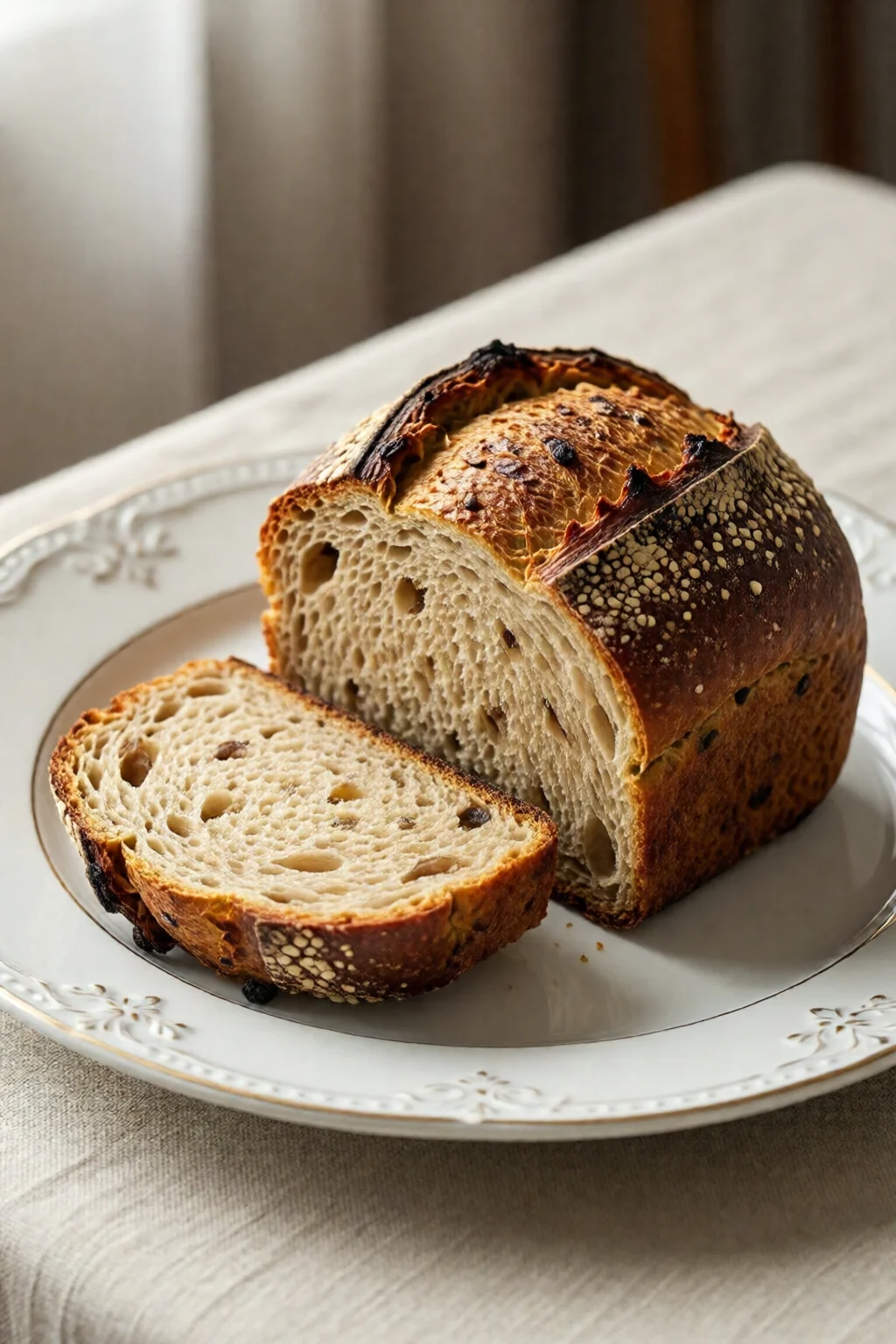
Ready to pull a warm, fragrant loaf out of your own oven? This homemade bread recipe for beginners will turn your kitchen into a bakery in just a few hours.
In This Article
- What You Will Need (Before You Start)
- Step 1: Activate the Yeast
- Step 2: Combine Dry Ingredients
- Step 3: Form the Dough
- Step 4: First Rise (Bulk Fermentation)
- Step 5: Shape the Loaf
- Step 6: Second Rise (Proofing)
- Step 7: Bake the Bread
- Common Mistakes to Avoid
- Troubleshooting & Tips for Best Results
- Summary
- FAQ
What You Will Need (Before You Start)
- All‑purpose flour – 500 g (about 4 cups). I trust King Arthur Flour – $5.99 for a 5‑lb bag.
- Active dry yeast – 7 g (1 packet, 2¼ tsp). Fleischmann’s works every time; $2.49 per 12‑oz box.
- Granulated sugar – 1 tbsp (12 g) to feed the yeast.
- Fine sea salt – 1½ tsp (9 g). I keep a small jar of Maldon sea salt on the counter – $4.20 for 8 oz.
- Warm water – 300 ml (≈ 1 ¼ cups) at 38‑43 °C (100‑110 °F). Use a kitchen thermometer; a cheap digital one costs $9.99.
- Olive oil or melted butter – 2 tbsp (30 ml). I like Bonnibel Extra Virgin Olive Oil – $6.99 for 500 ml.
- Large mixing bowl (minimum 5‑liter capacity). A OXO Good Grips stainless steel bowl ($12) is sturdy and non‑reactive.
- Bench scraper or dough hook, a kitchen scale (for precision), a clean kitchen towel, and a 23 × 13 cm (9 × 5‑inch) loaf pan.
- Optional: parchment paper, a spray bottle of water for steam, and a silicone baking mat.
Step 1: Activate the Yeast
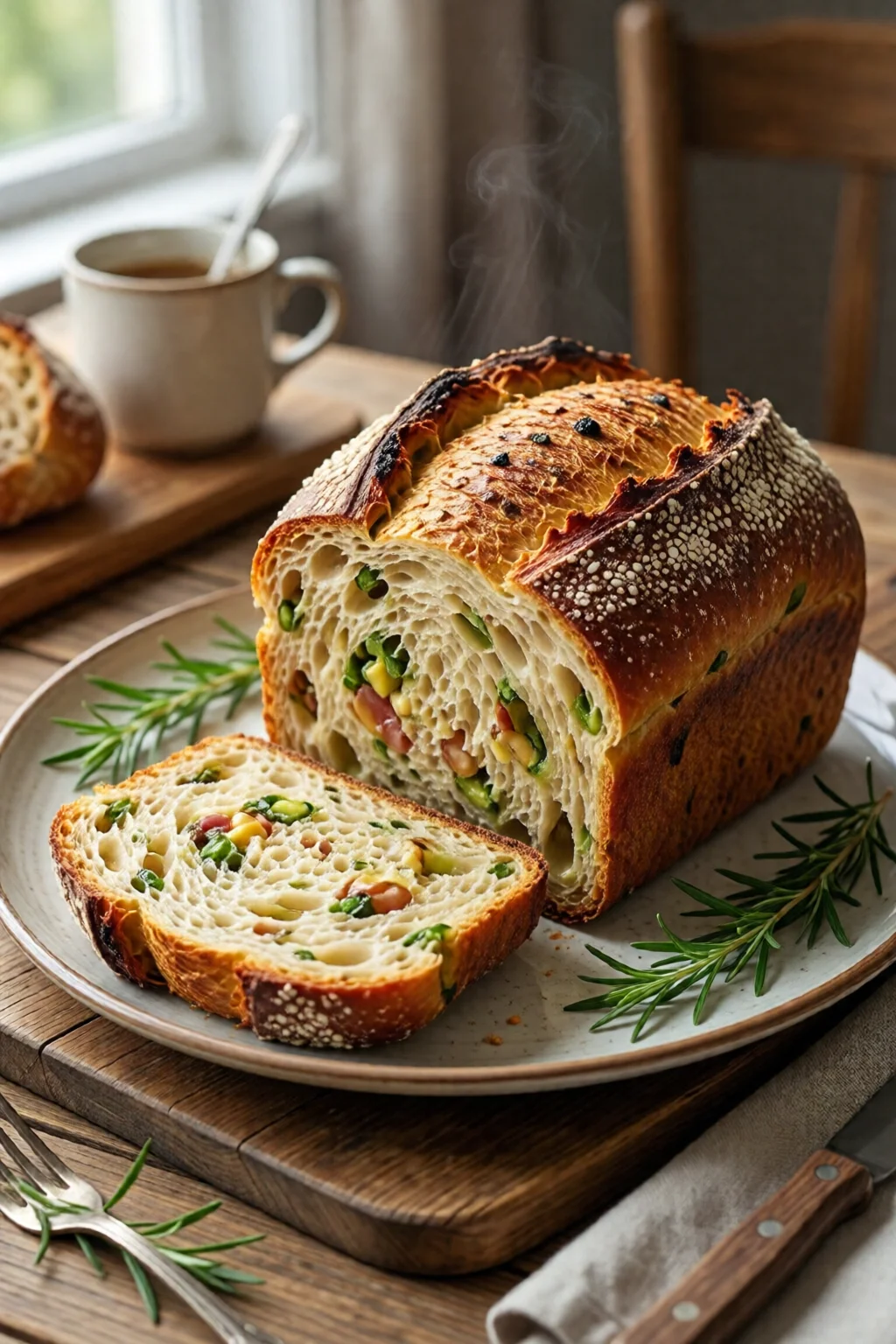
Measure 300 ml of warm water into a separate cup. Sprinkle the 7 g packet of active dry yeast over the surface, add the tablespoon of sugar, and stir gently. Let it sit 5‑10 minutes. You’ll see a frothy foam develop – that’s the yeast waking up. If nothing bubbles, the water was probably too hot or the yeast is dead; start over with fresh yeast.
Step 2: Combine Dry Ingredients
While the yeast works, whisk together the 500 g flour, 1½ tsp salt, and any optional herbs (like 1 tsp dried rosemary) in the large mixing bowl. Create a well in the center – it will become the cradle for your liquid.
Step 3: Form the Dough
Pour the foamy yeast mixture and the 2 tbsp olive oil into the flour well. Using a sturdy wooden spoon, stir until a shaggy mass forms. At this stage the dough will look sticky and uneven – that’s normal.
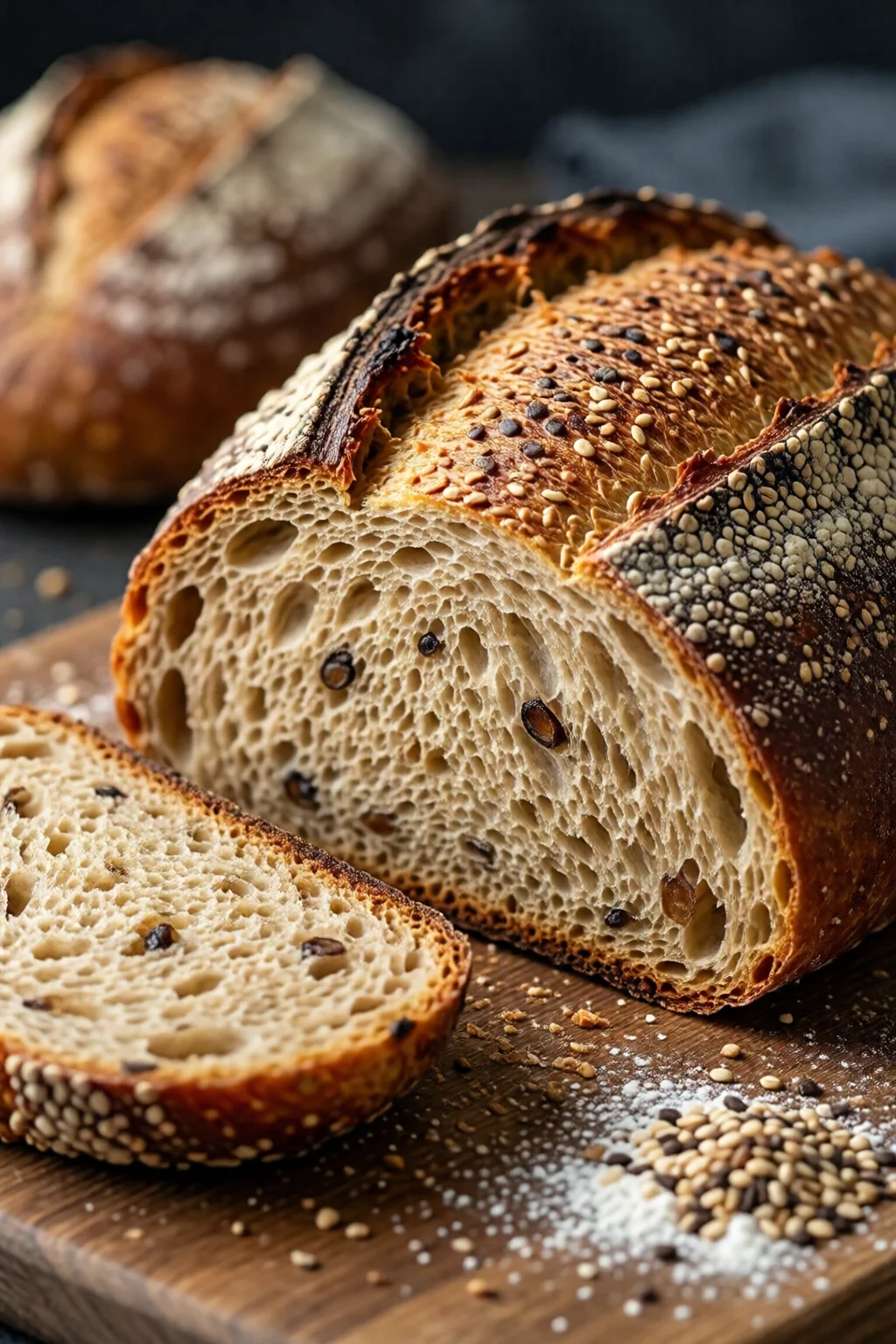
Turn the dough onto a lightly floured surface. Begin kneading: push the dough away from you with the heel of your hand, fold it back, rotate 90°, and repeat. In my kitchen, a 10‑minute rhythm produces a smooth, elastic sheet that passes the “windowpane test” (stretch a piece thin enough to see light). If you’re short on time, a stand mixer with a dough hook on low speed for 6‑7 minutes does the job.
Step 4: First Rise (Bulk Fermentation)
Shape the kneaded ball back into the mixing bowl, cover with a damp kitchen towel, and let it rise in a draft‑free spot (around 24 °C/75 °F) for 1‑1½ hours, or until doubled in size. I often place the bowl on top of the refrigerator, which radiates gentle warmth.
Tip: Spritz the towel with a few drops of water if the dough seems to dry out. The humidity helps the crust develop later.
Step 5: Shape the Loaf
Gently deflate the dough on a lightly floured board. Flatten it into a rectangle about 30 × 20 cm (12 × 8 in). Fold the short edge toward the center, then roll tightly, pinching the seam underneath. Place the seam side down into the greased loaf pan.
If you prefer a rustic boule, skip the pan: shape into a round, place on a parchment‑lined baking sheet, and cover for the second rise.
Step 6: Second Rise (Proofing)
Cover the pan loosely with plastic wrap or a clean towel. Let the dough rise again for 30‑45 minutes, until it crests about 2 cm (¾ in) above the rim of the pan. This step builds flavor and structure.
Step 7: Bake the Bread
Preheat your oven to 220 °C (425 °F) at least 20 minutes before baking. Place an empty metal tray on the lower rack – you’ll use it for steam.
Just before sliding the loaf in, slash the top with a sharp razor blade or a lame at a 45° angle. This allows controlled expansion.
Put the loaf on the middle rack, pour a cup of hot water onto the empty tray, and close the door quickly. The steam creates a glossy, crackly crust. Bake for 25‑30 minutes, rotating the pan halfway.
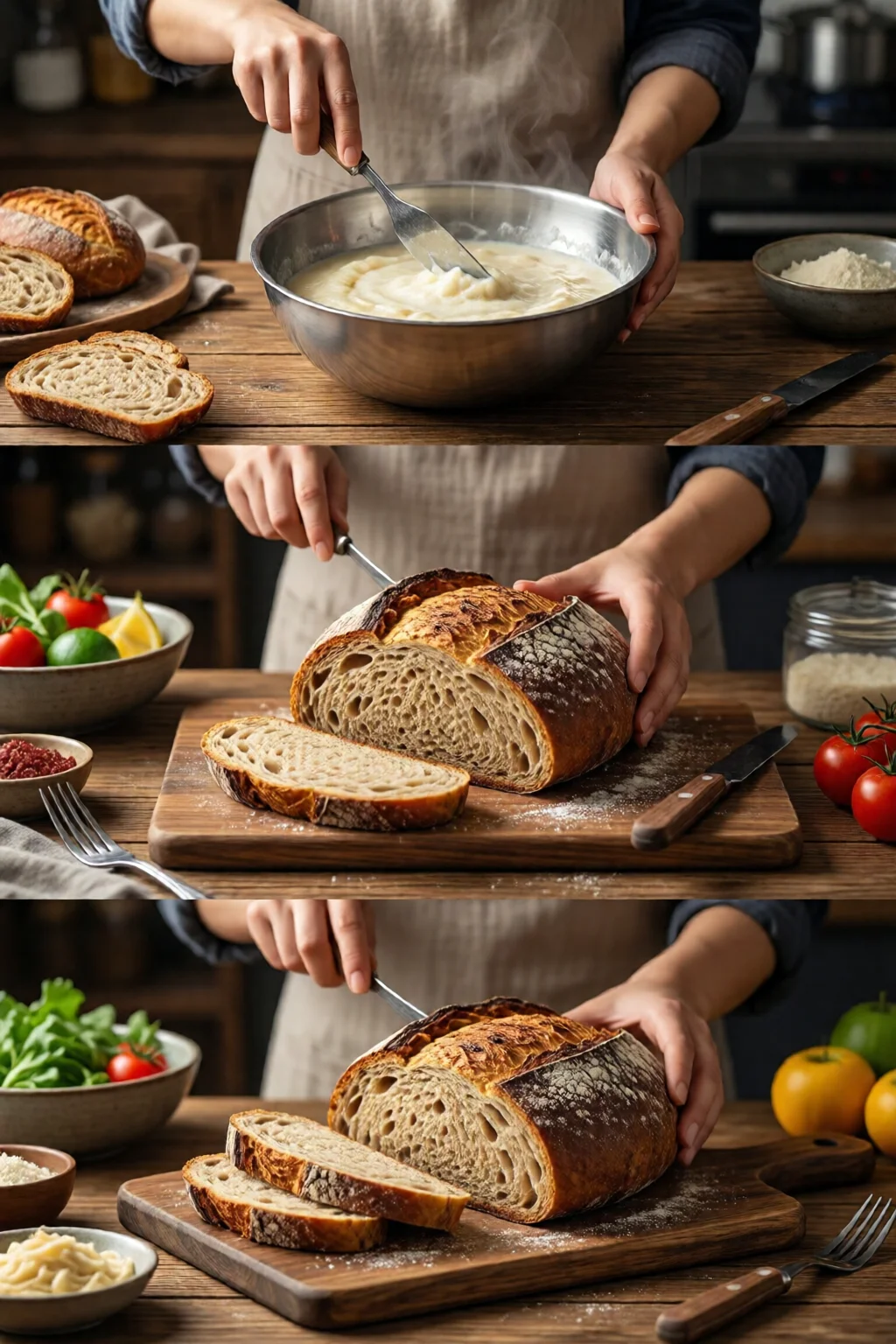
When the crust is deep golden‑brown and the internal temperature hits 96 °C (205 °F) on an instant‑read thermometer, remove the loaf. Cool on a wire rack for at least 20 minutes before slicing – the crumb finishes setting while it cools.
Common Mistakes to Avoid
- Using water that’s too hot. Yeast dies above 55 °C (130 °F). Always check temperature with a thermometer.
- Skipping the first rise. The dough won’t develop flavor or strength, resulting in a dense loaf.
- Over‑kneading. Especially with a stand mixer, too much gluten development makes the crumb tough.
- Under‑proofing. If the dough hasn’t doubled, the oven will cause “oven spring” that bursts the crust, leaving a gummy interior.
- Not using steam. Without moisture, the crust forms too early and cracks unevenly.
Troubleshooting & Tips for Best Results
Problem: Bread is too flat. Likely under‑proofed. Extend the second rise by 10‑15 minutes or keep the dough in a slightly warmer spot.
Problem: Crumb is gummy. Check the internal temperature; if it’s below 93 °C (200 °F), bake a few minutes longer. Also, ensure the loaf cooled fully before cutting.
Problem: Crust is pale. Increase oven temperature to 230 °C (450 °F) for the first 10 minutes, then lower to 200 °C (390 °F). A quick broil for 1‑2 minutes at the end can add color, but watch closely.
Tip: Flavor boosters. Add 2 tbsp honey or maple syrup to the dough for subtle sweetness, or fold in 50 g toasted sunflower seeds for crunch.
Tip: Whole‑grain upgrade. Replace up to 30 % of the all‑purpose flour with whole‑wheat or spelt flour. Adjust water to 320‑340 ml because whole grains absorb more moisture.
For a sweeter loaf, try the pumpkin bread recipe moist and spiced as a variation. Pair this basic loaf with a batch of sugar cookie recipe soft and decorated for a weekend brunch, or serve alongside the Indian butter chicken recipe authentic for an unexpected fusion.
Summary
With just flour, water, yeast, salt, and a handful of kitchen tools, you can master a reliable homemade bread recipe for beginners. The process hinges on three pillars: proper yeast activation, adequate fermentation, and steam‑enhanced baking. By respecting each step, avoiding common pitfalls, and applying the troubleshooting tips, you’ll produce a loaf with a crisp crust, airy crumb, and a scent that makes neighbors peek through the window.
FAQ
Can I use instant yeast instead of active dry yeast?
Yes. Use 5 g (about 1½ tsp) of instant yeast and skip the activation step; just mix it directly with the flour.
How long can I store the baked loaf?
At room temperature, wrapped in a clean tea towel, the bread stays fresh for 3‑4 days. For longer storage, slice and freeze; it reheats well in a 180 °C oven for 10 minutes.
Is it possible to make this recipe gluten‑free?
Replace the all‑purpose flour with a gluten‑free blend (e.g., King Arthur Gluten‑Free Measure‑For‑Measure). Add 1 tsp xanthan gum and increase water to 330 ml. The texture will be slightly denser but still delicious.