It was a typical Tuesday night: the kids were fighting over the last slice of pizza, the sink was piled high with dishes, and I realized I still had a handful of chicken breasts, a bag of frozen broccoli, and a bottle of soy sauce that was about to expire. I tossed everything into a hot wok, added a quick sauce, and within 15 minutes we had a dinner that felt like a take‑out treat without the take‑out price tag. That is the magic of quick stir fry recipes for weeknights – they turn a scramble of leftovers into a balanced, flavorful meal in the time it takes to binge‑watch an episode.
In This Article
- What You Will Need (Before You Start)
- Step 1 – Prep the Protein
- Step 2 – Assemble the Sauce
- Step 3 – Heat the Wok
- Step 4 – Cook the Protein
- Step 5 – Sauté Aromatics and Veggies
- Step 6 – Combine Everything
- Step 7 – Serve and Store
- Common Mistakes to Avoid
- Troubleshooting & Tips for Best Results
- FAQ
- Summary
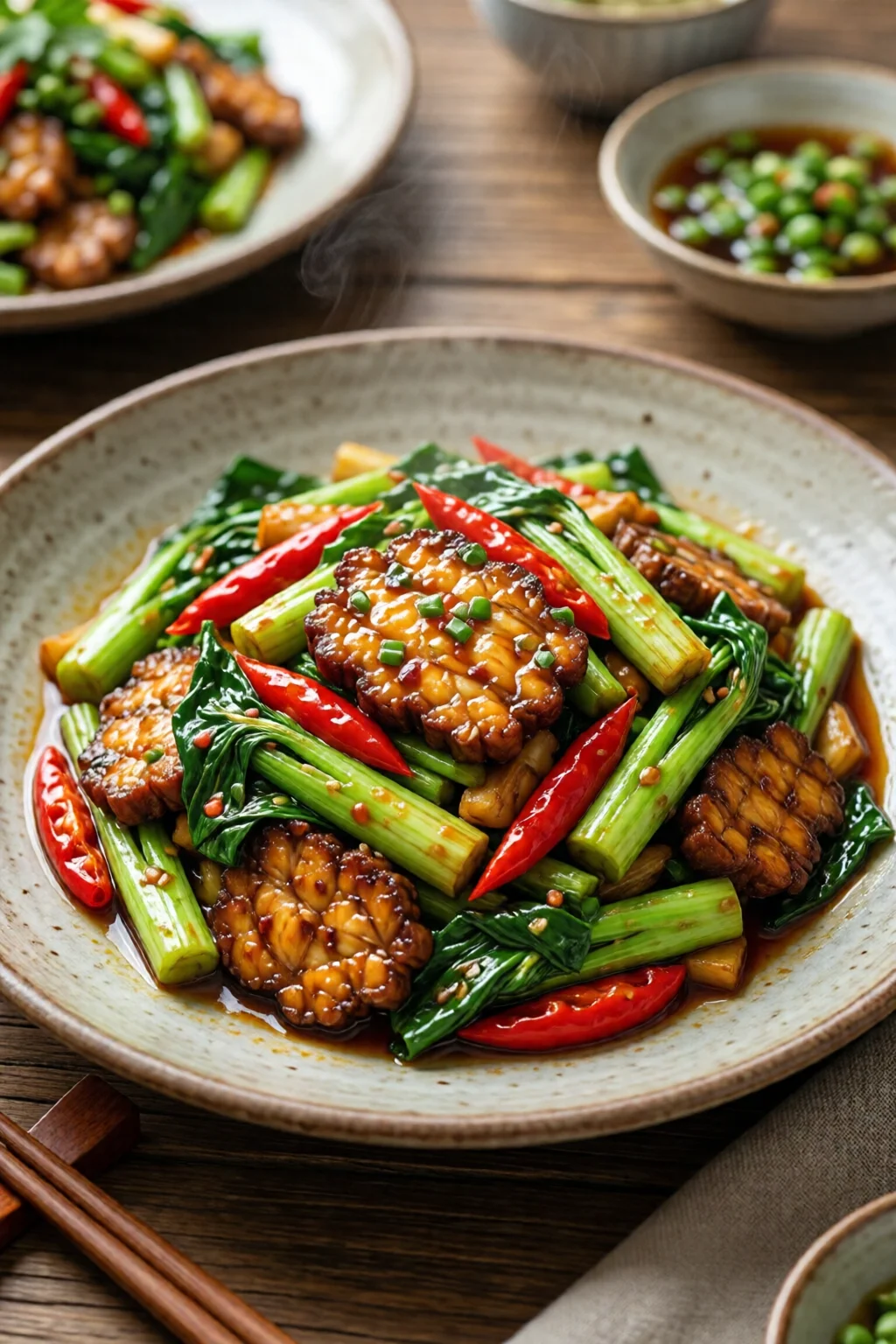
What You Will Need (Before You Start)
Gather these staples so you never have to pause mid‑cook searching for a missing piece:
- Protein: 1 lb (≈ 450 g) boneless skinless chicken breast, firm tofu, or shrimp. I keep a pack of frozen, pre‑peeled shrimp ($5.99 for 12 oz) in the freezer for instant use.
- Vegetables: 2 cups (≈ 300 g) mixed stir‑fry veg – fresh bell peppers, snap peas, carrots, or a frozen Asian blend ($3.49 per 12‑oz bag).
- Oil: 2 tbsp high‑smoke‑point oil such as 365 Organic Avocado Oil (~$8.99 for 16 oz). It handles 520 °F heat without smoking.
- Sauce base: 3 tbsp soy sauce, 1 tbsp oyster sauce, 1 tsp sesame oil, 1 tsp rice vinegar, ½ tsp cornstarch mixed with 2 tbsp water. This combo gives a glossy, umami‑rich finish.
- Seasonings: 1 tsp freshly grated ginger, 2 cloves minced garlic, optional ½ tsp red‑pepper flakes for heat.
- Equipment: A wok or a large non‑stick skillet (12‑inch, e.g., All‑Clad 12‑inch stainless steel wok, $69.95), a spatula, and a timer.
Having everything measured out before you turn on the heat—what chefs call “mise en place”—keeps the cooking time under 20 minutes, the sweet spot for weeknight success.
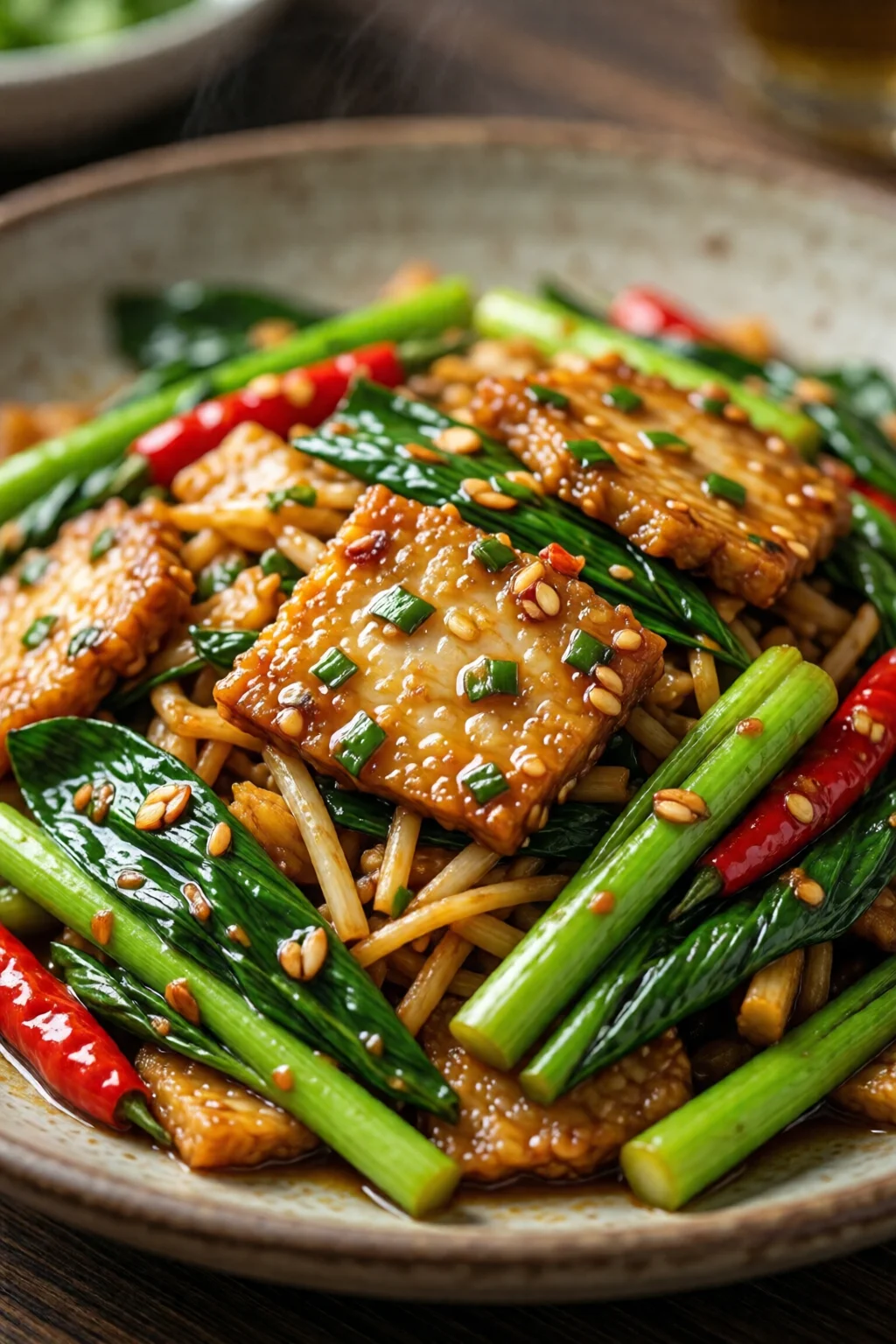
Step 1 – Prep the Protein
Slice chicken or tofu into bite‑size strips, about ½ inch thick. If you’re using shrimp, peel and devein them; they cook in 2‑3 minutes. Toss the pieces with 1 tsp cornstarch and a pinch of salt. The cornstarch creates a light crust that locks in moisture, preventing a soggy result.
Step 2 – Assemble the Sauce
In a small bowl whisk together soy sauce, oyster sauce, sesame oil, rice vinegar, the remaining ½ tsp cornstarch slurry, and a drizzle of honey if you like a hint of sweetness (1 tsp honey adds about 5 cal per serving). This mixture should be smooth; any lumps will cause uneven coating later.
Step 3 – Heat the Wok
Place the wok over high heat and let it smoke for about 30 seconds. Add the 2 tbsp avocado oil; it should shimmer instantly. If the oil starts to smoke, lower the heat briefly—overheating can char the oil and impart a bitter taste.
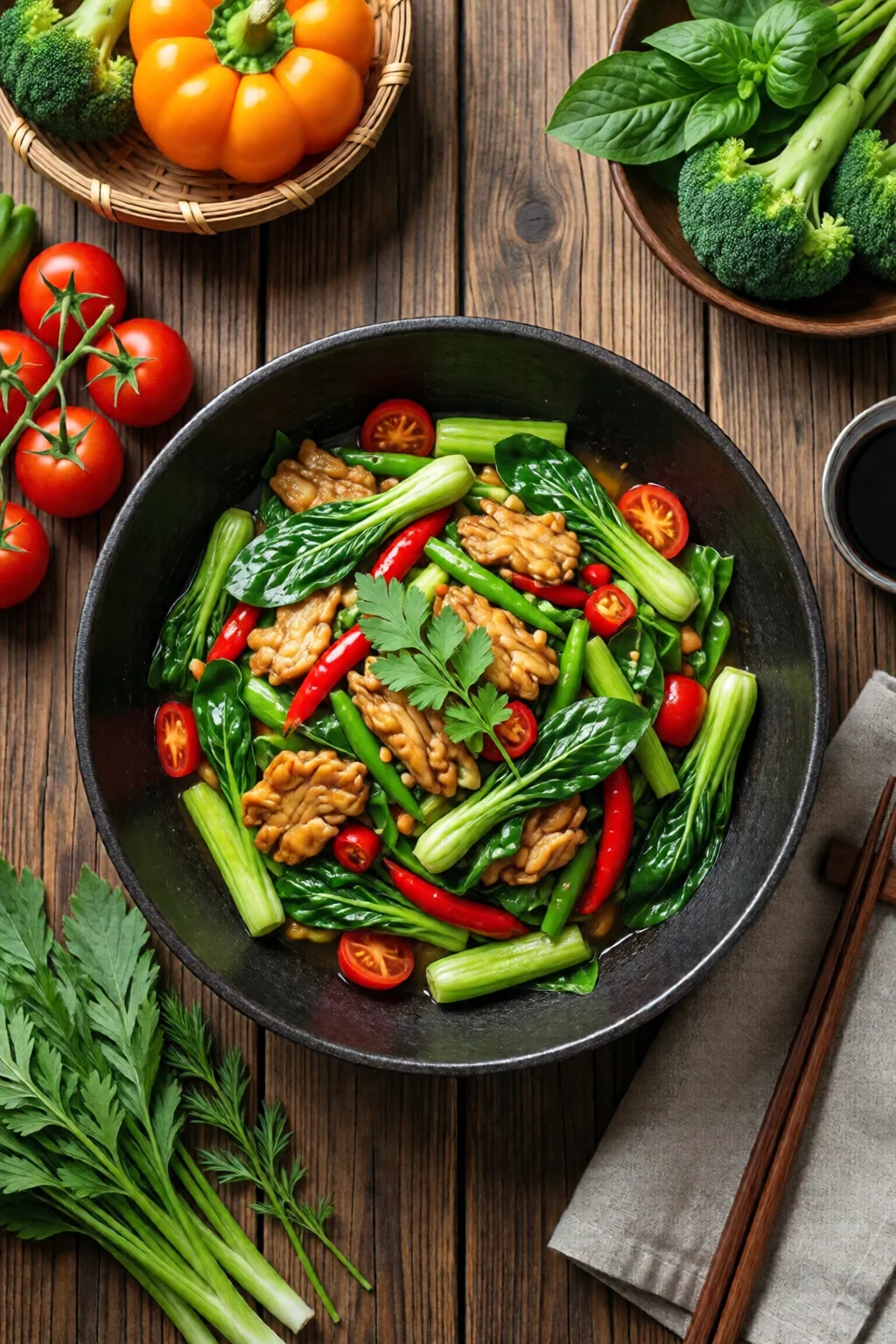
Step 4 – Cook the Protein
Drop the coated chicken or tofu into the wok. Stir‑fry for 3‑4 minutes, moving constantly so each piece sears without sticking. Once the protein is opaque and just beginning to brown, transfer it to a plate. This step prevents the veggies from overcooking while you finish the sauce.
Step 5 – Sauté Aromatics and Veggies
Reduce the heat to medium‑high and add another splash of oil if the pan looks dry. Toss in garlic and ginger; they should sizzle for 15‑20 seconds, releasing their fragrance. Then add the vegetables. Fresh veggies need 2‑3 minutes; frozen blends need 4‑5 minutes. Aim for a crisp‑tender bite—overcooked greens lose their bright color and nutrients.
Step 6 – Combine Everything
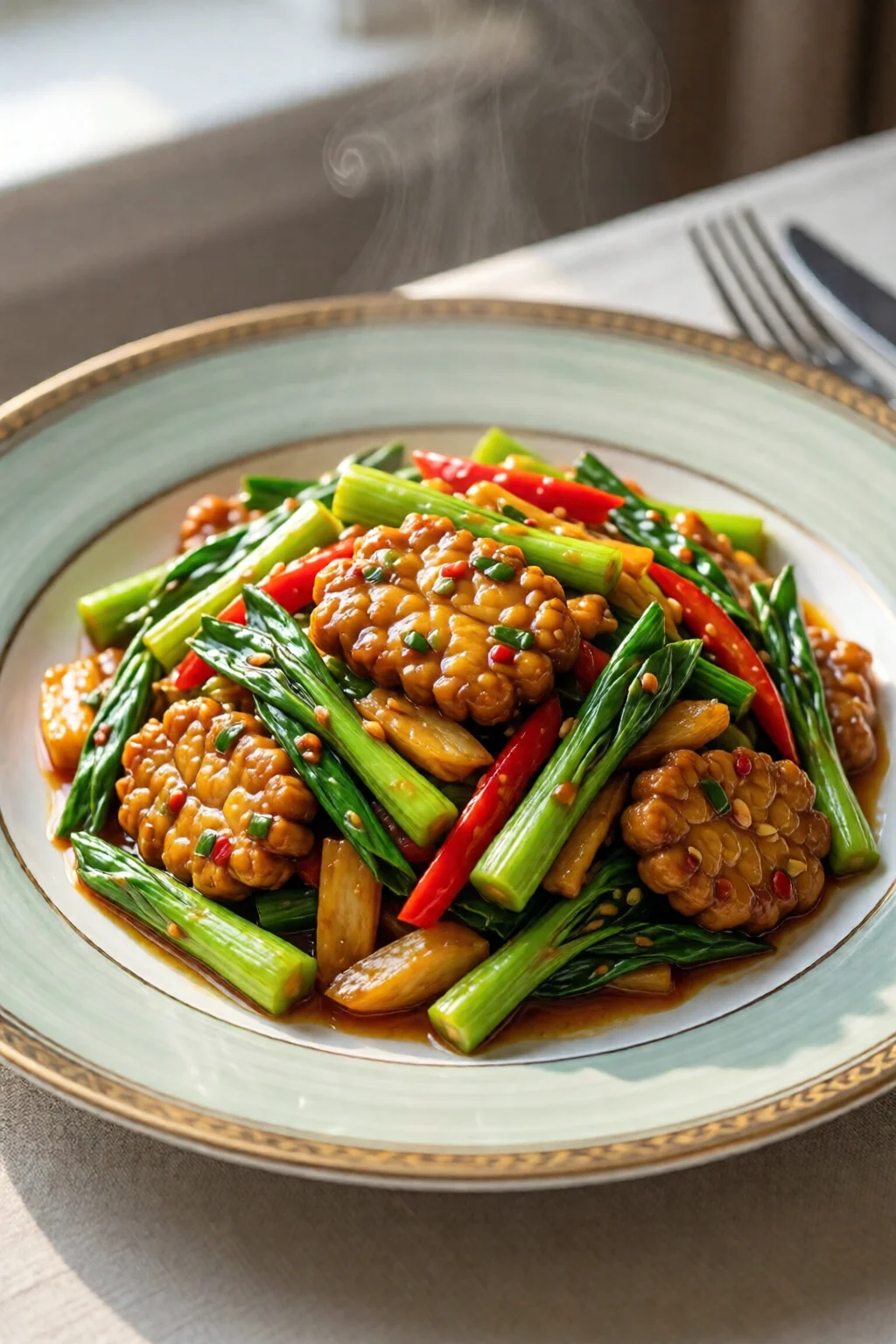
Return the protein to the wok, pour the sauce over the mixture, and stir quickly. The cornstarch will activate, thickening the sauce in about 30 seconds. Cook for an additional 1‑2 minutes until everything is glossy and the sauce clings to the ingredients. Taste and adjust with a pinch of sugar or a splash of lime juice if desired.
Step 7 – Serve and Store
Dish out the stir fry onto a bowl of steamed jasmine rice (½ cup uncooked rice yields about 1 ½ cups cooked, costing roughly $0.20 per serving) or cauliflower rice for a low‑carb option. Garnish with sliced scallions and toasted sesame seeds (1 tsp = $0.05). Leftovers keep well in the fridge for up to 3 days; reheat quickly in a hot pan to revive the crisp texture.
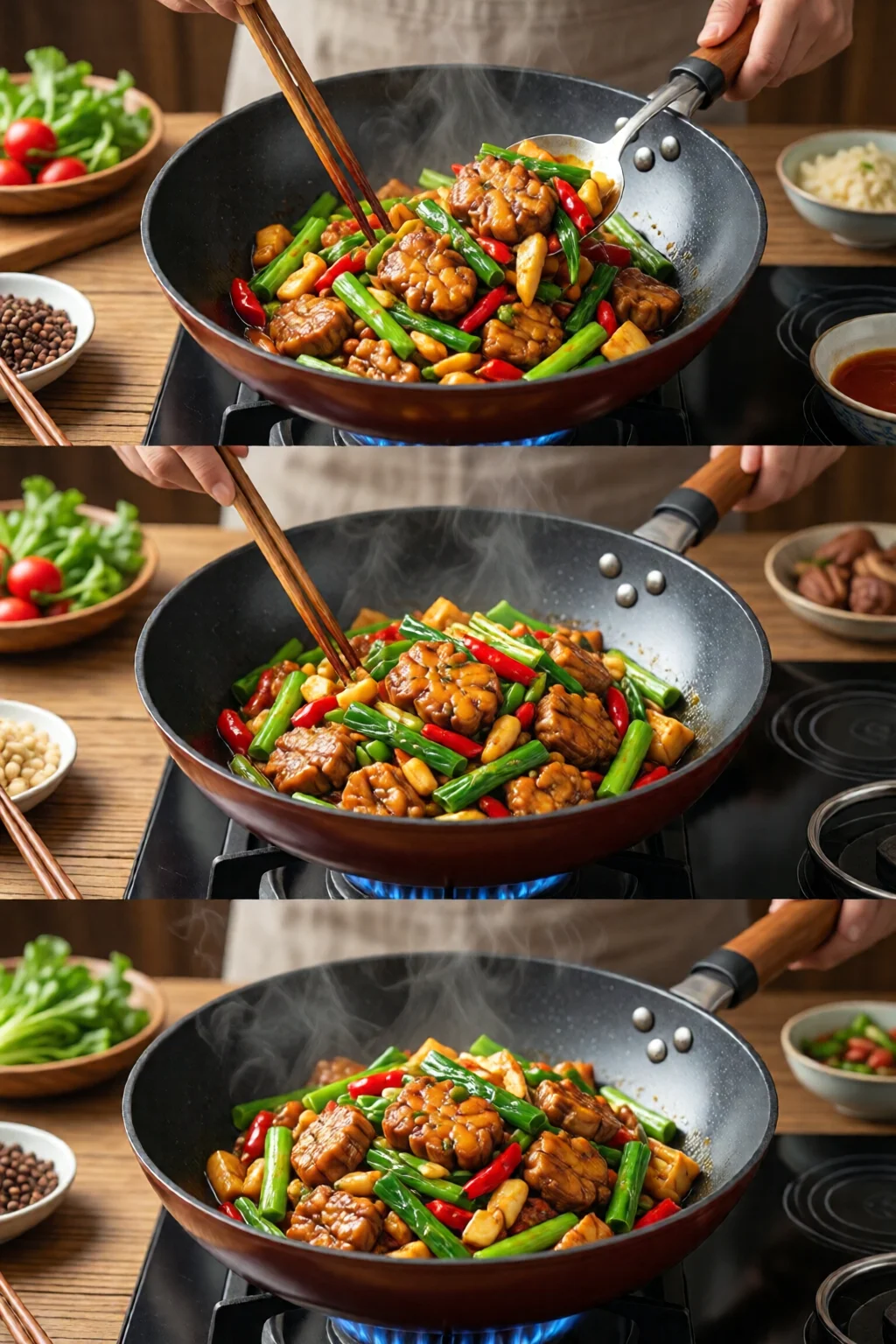
Common Mistakes to Avoid
- Overcrowding the pan: Adding all ingredients at once drops the wok’s temperature, resulting in steaming instead of searing. Cook in batches if necessary.
- Using low‑smoke‑point oil: Olive oil (smoke point ~375 °F) can burn, leaving a bitter aftertaste. Stick to avocado, grapeseed, or peanut oil.
- Skipping the cornstarch coating: Without it, protein releases juices that make the sauce watery.
- Neglecting to pre‑heat the wok: A hot pan creates the coveted “wok hei” – that smoky, slightly charred flavor that defines great stir fry.
- Adding sauce too early: The sauce will caramelize and stick to the pan if added before the veggies have a chance to sear.
Troubleshooting & Tips for Best Results
Too salty? Dilute with a splash of water or unsalted broth (½ cup adds only 5 cal). Sauce too thin? Mix an extra ½ tsp cornstarch with water and stir in; let it cook another minute.
Vegetables still crunchy? Cover the wok for 30 seconds to trap steam, then uncover and finish cooking.
Want more depth? Add a teaspoon of dark soy sauce or a dash of fish sauce (≈ 2 cal) for umami boost.
Make it vegetarian? Swap chicken for extra‑firm tofu and add a tablespoon of mushroom broth powder.
For a different flavor profile, try a air fryer dinner recipes quick side of crispy sweet potatoes, or pair the stir fry with one of the best casserole recipes for families for a weekend feast.
FAQ
How long can I keep stir fry leftovers?
Refrigerated leftovers stay safe for 3 days. Reheat in a hot skillet for 2‑3 minutes to restore the crisp texture; microwaving can make the veggies soggy.
Can I use a regular skillet instead of a wok?
Yes, a 12‑inch non‑stick skillet works, but a wok’s shape concentrates heat and makes tossing easier. If using a skillet, avoid overcrowding and keep the heat high.
What’s a good low‑sodium alternative to soy sauce?
Tamari (gluten‑free) or coconut‑amino sauce (about 30 % less sodium) work well. Use the same volume; you may need a touch more honey to balance the milder flavor.
Summary
Mastering quick stir fry recipes for weeknights is less about fancy ingredients and more about timing, heat, and a well‑planned sauce. With a handful of pantry staples, a hot wok, and a 15‑minute window, you can serve a nutritious, restaurant‑quality meal that satisfies both kids and adults. Keep the cheat sheet above handy, avoid the common pitfalls, and you’ll never have to resort to pizza again—unless, of course, you’re pairing it with a side of dump and go crockpot recipes for a truly lazy Sunday.
3 commentaires sur « Quick Stir Fry Recipes For Weeknights – Tips, Ideas and Inspiration »