When I first tried to impress my sister-in-law with a classic apple crumble, her fork kept slipping through the crust like a warm biscuit. The disappointment was palpable, but it sparked a mission: perfect a homemade pie crust recipe flaky enough to hold any filling without turning into a soggy mess. After countless trials with butter, shortening, and even a touch of lard, I finally cracked the code. Below is everything you need to replicate that buttery, layered texture every time you bake.
In This Article
Flaky pie crust isn’t magic; it’s chemistry, temperature control, and a few disciplined shortcuts. Whether you’re aiming for a sweet pumpkin tart or a savory chicken pot pie, the fundamentals stay the same. In this guide I’ll walk you through the science, the exact measurements, and the pro tricks that turned my kitchen failures into flawless pies.
Understanding Flaky Pie Crust Basics
The Science of Fat and Gluten
Flakiness arises when pockets of solid fat melt during baking, creating steam that lifts layers of dough. Gluten, the protein network formed when flour meets water, provides structure but can also make crust tough if over‑developed. The key is to keep the fat cold and the water minimal—just enough to bind the dough.
Choosing the Right Flour
All‑purpose flour (King Arthur Flour 5‑lb bag, $6.99) works well because its protein content (10‑11%) balances strength and tenderness. For a lighter crumb, you can substitute ¼ cup of cake flour per cup of all‑purpose, but be mindful that cake flour absorbs less water, so you may need to increase the ice water by 1–2 teaspoons.
Temperature Matters
Every ingredient should be chilled: butter straight from the fridge (ideally a 1‑inch block from Vermont Butter, $4.50 per lb), ice water (0°F for best results), and even the mixing bowl. If you’re using a food processor, keep the blade and bowl in the freezer for 10 minutes before starting. Warm tools will melt the fat prematurely, destroying those coveted layers.
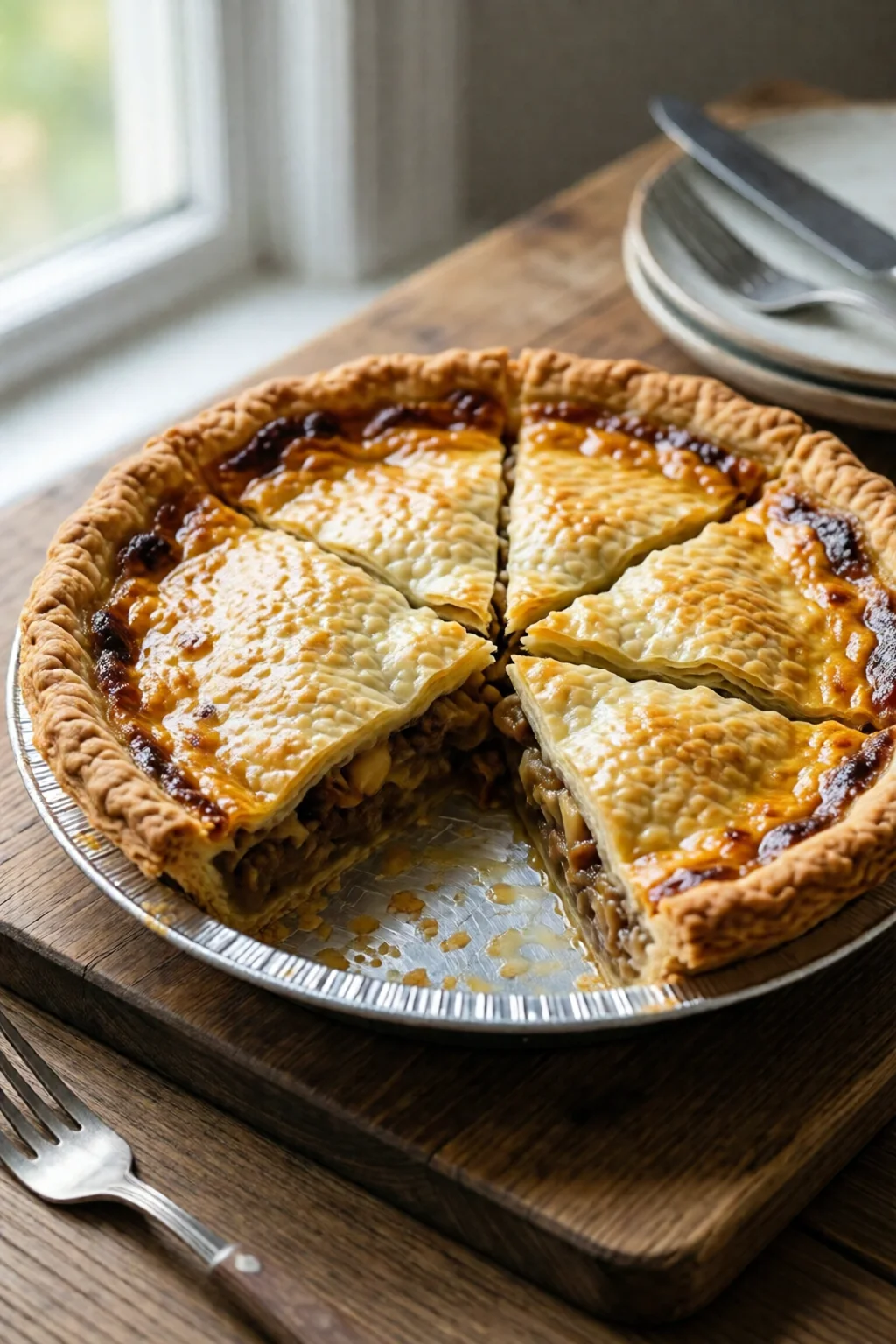
Essential Ingredients & Tools
Butter vs. Shortening vs. Lard
Each fat brings a different flavor and texture profile. Below is a quick comparison to help you decide which one fits your pie.
| Fat | Flavor | Flakiness Score | Cost (per lb) | Best Use |
|---|---|---|---|---|
| Unsalted Butter | Rich, buttery | 8/10 | $4.50 | Sweet pies, fruit tarts |
| Vegetable Shortening (Crisco) | Neutral | 9/10 | $2.20 | Neutral pies, savory quiches |
| Lard (Crisco Lard) | Subtle porky | 10/10 | $3.10 | Traditional meat pies, deep‑dish |
My go‑to is a 70/30 blend of butter and shortening. The butter gives flavor, while shortening boosts flakiness without melting too quickly.
Measuring Accurately (Weights Preferred)
For consistency, weigh your ingredients. A typical 9‑inch crust uses 125 g (4.4 oz) of flour, 60 g (2.1 oz) of fat, and 30 g (1 oz) of ice water. Using a digital kitchen scale (Ozeri Pronto, $19.99 on Amazon) eliminates the guesswork that can add up to a 15% variance in texture.
Must‑Have Tools
- Food processor (Cuisinart DFP‑14BC, $149) – speeds up cutting in the fat.
- Pastry cutter or two‑handed “V” cutter (Wilton 506, $9.99) – for manual control.
- Rolling pin with adjustable rings (OXO Good Grips, $24.95) – ensures even thickness.
- Large parchment sheets – to prevent sticking and aid blind‑baking.
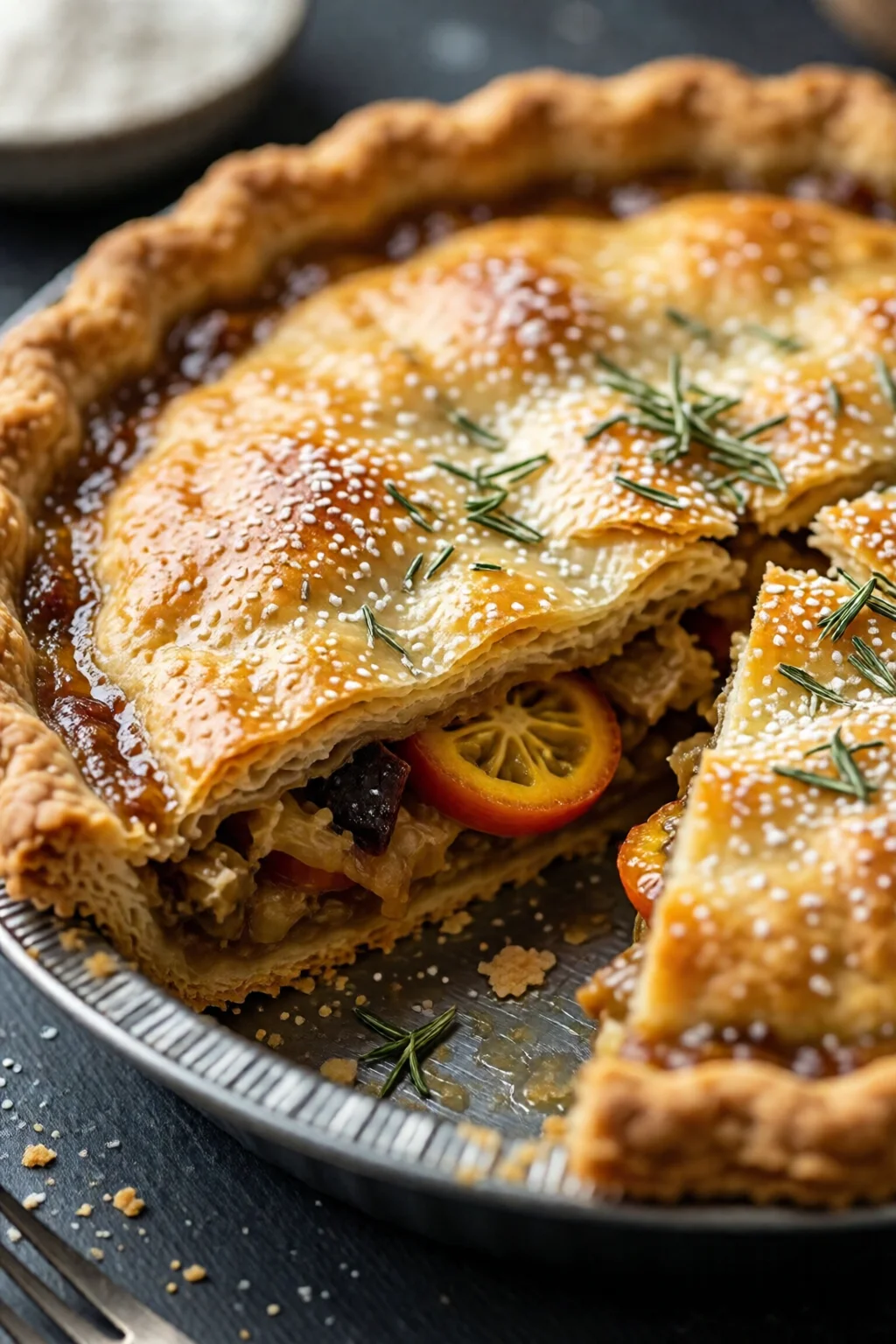
Step‑by‑Step Homemade Pie Crust Recipe Flaky
Preparing the Dry Mix
1. In a large bowl, whisk together 125 g (1 cup) King Arthur all‑purpose flour, 1 ½ tsp salt, and 1 Tbsp granulated sugar (optional for sweet pies).
2. If you’re using a food processor, pulse the dry ingredients for 3 seconds to aerate.
Cutting in the Fat
1. Cut 60 g (½ cup) cold unsalted butter into ¼‑inch cubes. Add the butter to the flour mixture.
2. Pulse the processor 6–8 times until the mixture resembles coarse crumbs with pea‑size butter pieces. If doing it by hand, use a pastry cutter, pressing down and turning until the fat is evenly distributed but still visible.
One mistake I see often is over‑mixing; the crumbs should look like a sandy beach, not a dough ball.
Adding Water & Forming Dough
1. Drizzle 30 g (2 Tbsp) ice water over the mixture.
2. Toss gently with a fork until the dough just holds together when squeezed. If it feels dry, add water a teaspoon at a time.
3. Turn the dough onto a lightly floured surface, flatten into a disc, wrap in plastic, and chill for at least 45 minutes (or up to 24 hours for deeper flavor).
When you’re ready to roll, sprinkle the surface with flour, roll from the center outward, and aim for a 12‑inch circle for a 9‑inch pan. Transfer to the pan, trim excess, and crimp edges with your fingers or a fork.
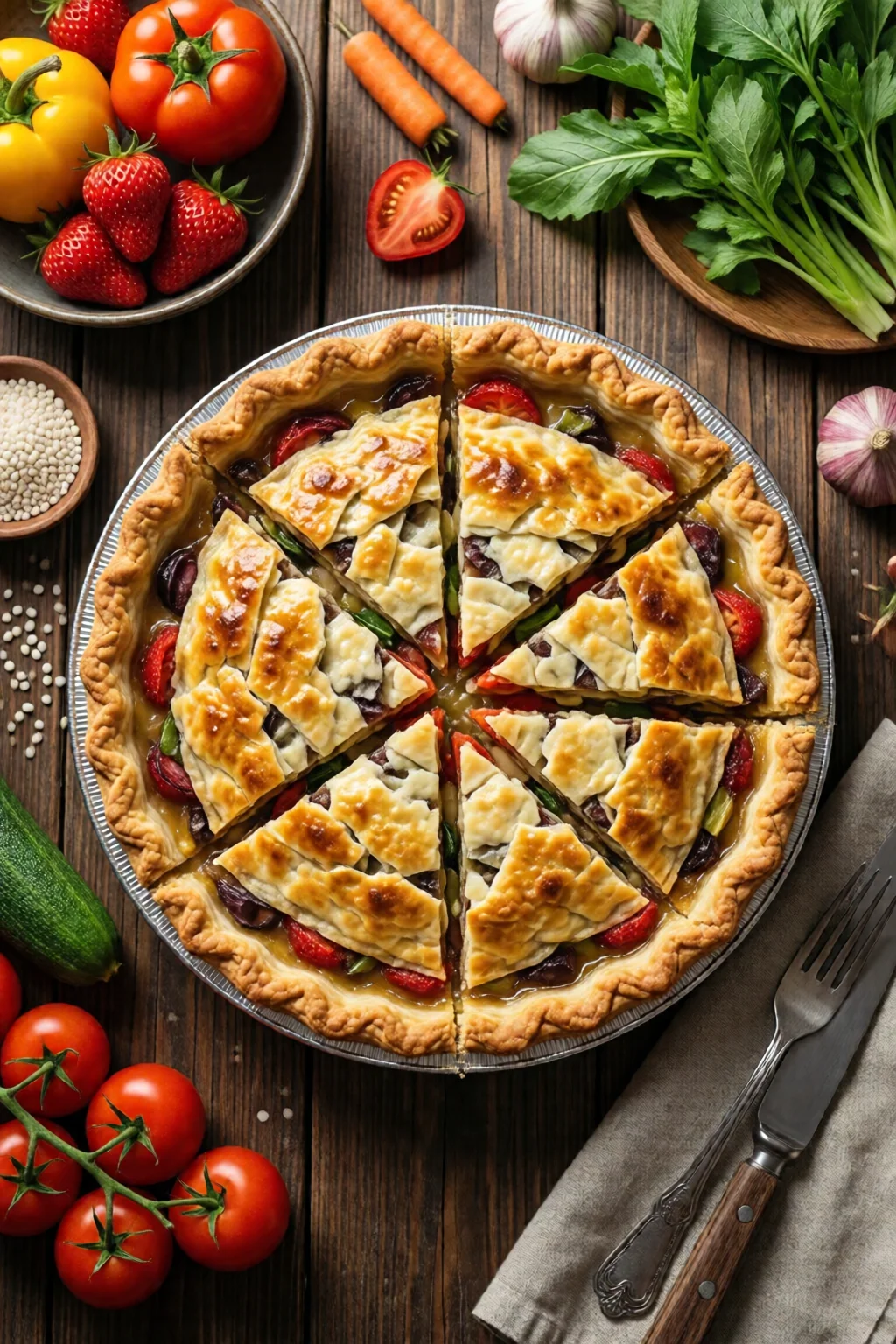
Variations & Flavor Boosters
Sweet vs. Savory Crusts
For sweet pies, add 2 Tbsp confectioners’ sugar and a pinch of cinnamon to the dry mix. For savory, swap the sugar for 1 tsp dried herbs (thyme, rosemary) and increase salt to ½ tsp.
Adding Spices, Sugar, and Extracts
Experiment with 1 tsp almond extract for a nutty undertone, or ¼ tsp ground nutmeg for pumpkin pies. A dash of espresso powder can intensify chocolate fillings without adding liquid.
Gluten‑Free and Whole‑Wheat Options
Replace all‑purpose flour with a 1‑to‑1 gluten‑free blend (Bob’s Red Mill, $8.99 per 4‑lb bag) and add 1 Tbsp xanthan gum to mimic gluten’s elasticity. For a heartier crust, substitute ¼ cup of whole‑wheat flour; just be aware it will absorb ~10% more water, so increase ice water to 35 g.
Looking for a sweet counterpart? Try my best chocolate chip cookie recipe ever for a dessert spread. Or pair this crust with a comforting homemade bread recipe for beginners on the side.
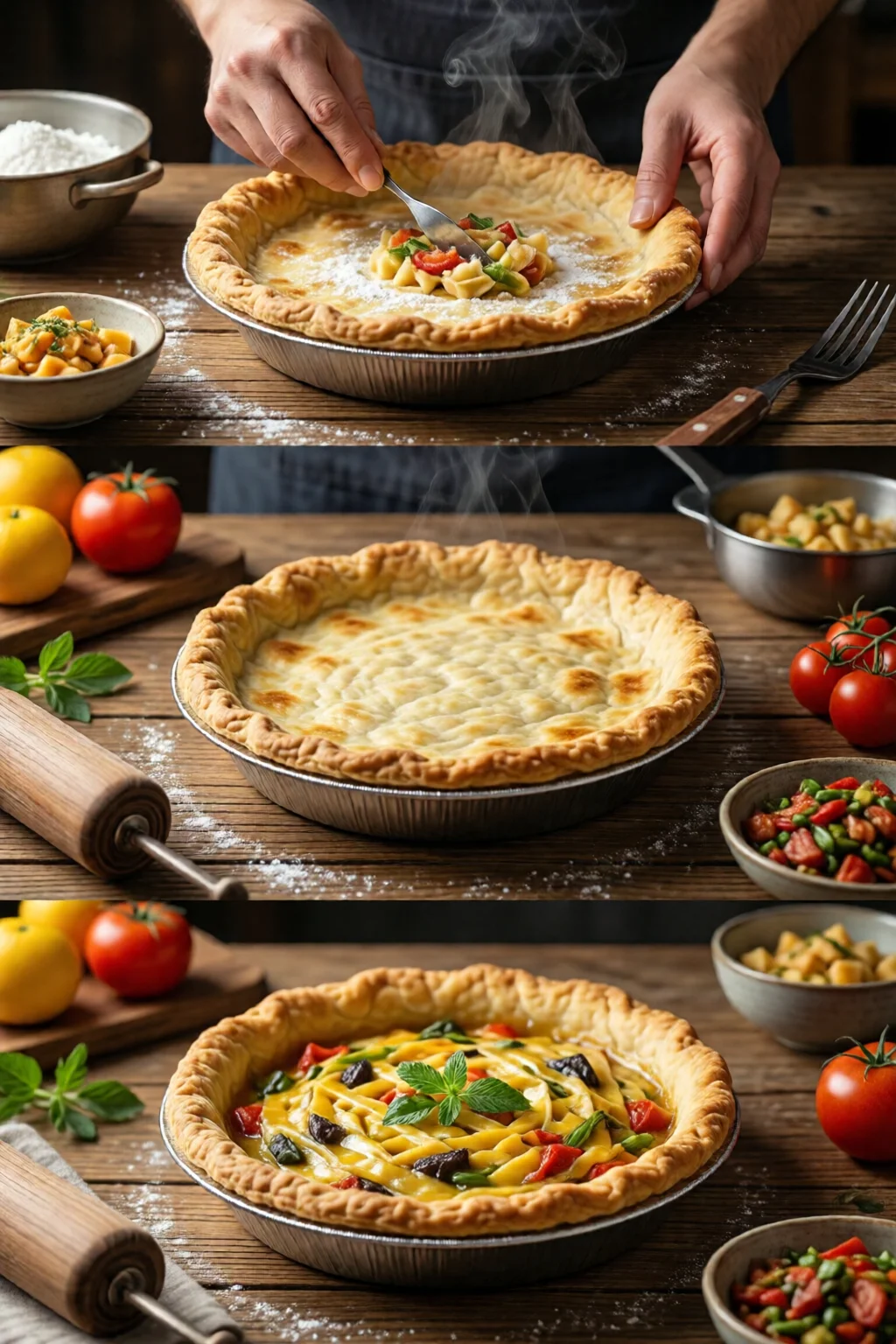
Baking Techniques for Perfect Flake
Blind Baking and Steam
For custard pies, line the crust with parchment, fill with pie weights (or dried beans), and bake at 425°F (218°C) for 12 minutes. Remove weights, prune parchment, then lower temperature to 375°F (190°C) and bake an additional 8 minutes. This creates a barrier that prevents sogginess.
Oven Temperature Tricks
Start high (425°F) to generate steam from the melted butter, then drop to 350°F (177°C) to finish cooking without over‑browning. Using a convection oven (set to 30°F lower) yields an even golden hue in just 5‑7 minutes less.
Cooling & Storage
Let the baked crust cool on a wire rack for at least 15 minutes before filling. Unfilled crusts can be wrapped tightly in plastic and stored in the freezer for up to 2 months. Reheat at 350°F for 8 minutes to refresh the flakiness.
For a quick savory dinner, toss leftover crust shreds with olive oil and herbs for homemade croutons, then serve with rotisserie chicken meal ideas leftover.
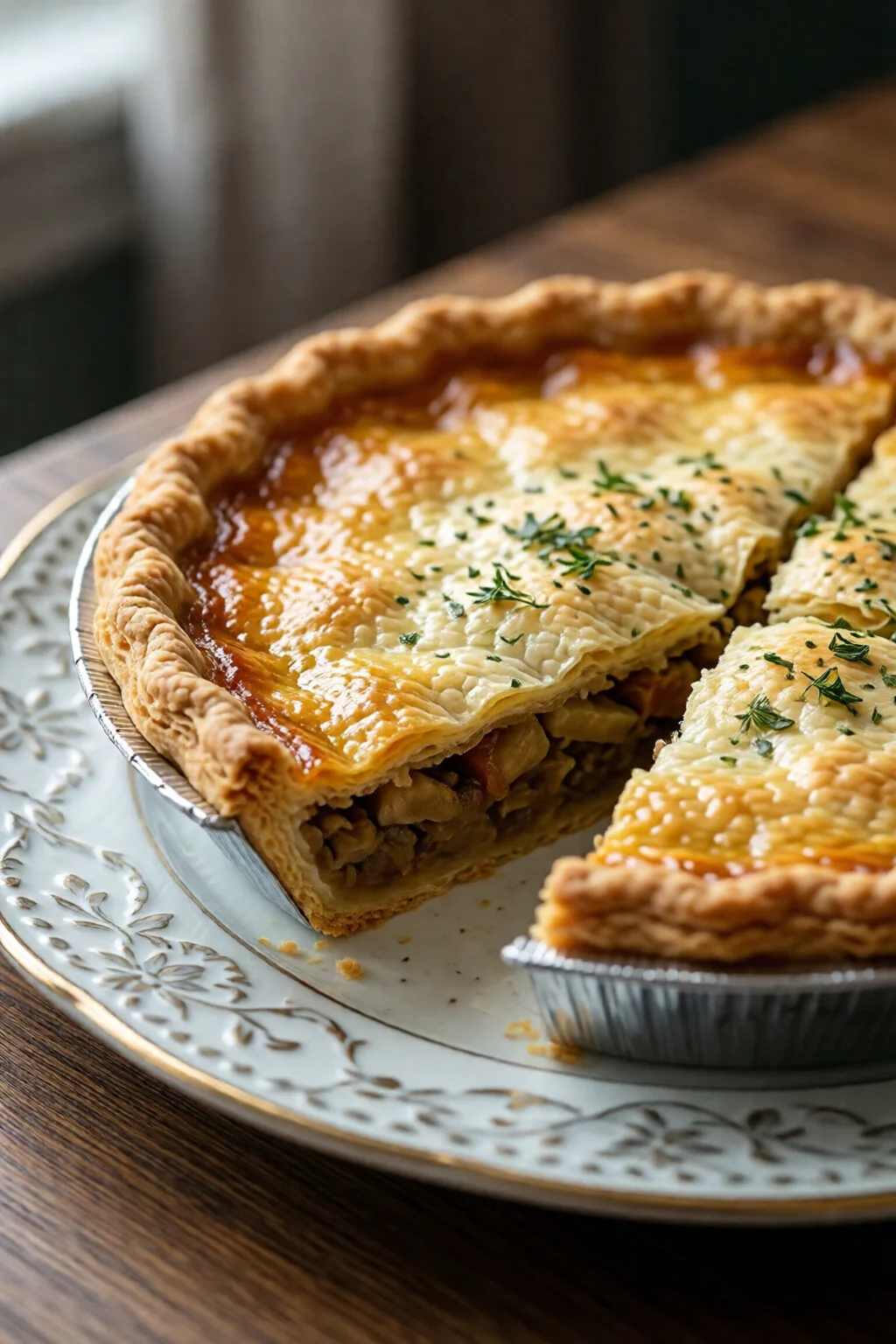
Pro Tips from Our Experience
- Ice water is non‑negotiable. Even a few degrees warmer will cause the butter to soften, collapsing layers.
- Use a 70/30 butter‑shortening blend. This ratio gives a buttery taste with a higher flakiness score.
- Rest the dough. The gluten relaxes, and the fat solidifies, both essential for a tender crust.
- Don’t over‑roll. Excess rolling crushes the fat pockets; aim for a thickness of 1/8‑inch.
- Brush with egg wash. For a glossy finish, beat 1 egg with 1 Tbsp water and brush before baking.
Conclusion: Your Path to Flaky Perfection
Mastering a homemade pie crust recipe flaky is less about mystery and more about disciplined temperature control, precise measurements, and respecting the fat‑to‑flour ratio. By following the steps above, you’ll produce a crust that holds its shape, delivers buttery layers, and complements any filling—sweet or savory. Next time you bake, trust the process, chill everything, and remember: a well‑rested dough is the secret weapon of every seasoned baker.
How long can I freeze a homemade pie crust?
A raw, unbaked crust can be wrapped tightly in plastic and frozen for up to 2 months. Thaw in the refrigerator overnight before baking.
Can I use margarine instead of butter?
Yes, but expect a milder flavor and slightly less flakiness. For best results, combine margarine with a small amount of butter.
Why does my crust turn out tough?
Over‑mixing or using warm water can develop too much gluten, leading to a tough texture. Keep ingredients cold and handle the dough minimally.
What’s the difference between a pastry crust and a pie crust?
Pastry crusts (like tart shells) are often thinner and may include egg for richness, while traditional pie crusts are thicker, using a higher fat‑to‑flour ratio for flakiness.
Can I make a gluten‑free flaky crust?
Absolutely. Use a 1‑to‑1 gluten‑free flour blend with added xanthan gum (1 tsp per cup) and follow the same cold‑ingredient technique.
1 commentaire sur « Homemade Pie Crust Recipe Flaky – Everything You Need to Know »